
30 Best Graphic Designer Logo Design Ideas You Should Check

Source: Miguel Palacio, Pamo, Behance, https://www.behance.net/gallery/150627745/Pamo-Personal-Branding
A graphic designer’s logo has a slightly unusual job. It must represent the designer’s identity while sitting beside a portfolio filled with different visual styles. The strongest graphic designer logo design ideas solve this by focusing on one clear personality, concept, or visual system instead of trying to display every skill at once. Some designers are best represented by expressive typography, while others benefit from monograms, abstract symbols, or references to design tools. The right direction depends on the work you want to attract and the tone of your portfolio. The following ideas offer distinct starting points without overwhelming the work they support.
Graphic Designer Logo Design Ideas

Source: Eduard Bodak, Dribbble, https://dribbble.com/shots/20258884-Eduard-Bodak-Logo-Personal-Branding

Source: Julius Guevarra, Behance, https://www.behance.net/gallery/65034733/Self-Promotion-Identity-Julius-Guevarra

Source: Andre Forbeck, Forbeck, Dribbble, https://dribbble.com/shots/17941465-Forbeck-Type-Design

Source: Patricia Roxas Chua, Nikka Santos, Behance, https://www.behance.net/gallery/133186327/Nikka-Santos-Leadership-Career-Coach-Personal-Brand

Source: Hamza, Zedhics, Dribbble, https://dribbble.com/shots/17707451-Zedhics

Source: Rosita Rocha, Behance, https://www.behance.net/gallery/214908529/Manual-de-Marca-Personal

Source: Natalia Funari, Behance, https://www.behance.net/gallery/234300183/Personal-Branding

Source: Md Sadiqur Rahman Fahim, Orland, Dribbble, https://dribbble.com/shots/26797146-Orland-AI-Farming-Business-Logo-Brand-design-for-sale

Source: Lisa Jacobs, Dribbble, https://dribbble.com/shots/16647158-LJ-Monogram-Personal-Brand

Source: Vask®️ Studio, Polaris Studio, Dribbble, https://dribbble.com/shots/20946240-Polaris-Studio-Brand-Identity

Source: Milos Djuric, DanStudio, Dribbble, https://dribbble.com/shots/16746362-DanStudio

Source: Kristian Grljevic, Zenith, Dribbble, https://dribbble.com/shots/20921884-Zenith

Source: Thamires Bicca, Thamores, Behance, https://www.behance.net/gallery/225541823/Thamores-I-Personal-Branding

Source: Nhat Hoang, Behance, https://www.behance.net/gallery/166882453/Nhat-Hoang-Personal-Branding

Source: Dennis Pasyuk, Dribbble, https://dribbble.com/shots/17583166-Dennis-Pasyuk-Personal-Logo

Source: Mihai Dolganiuc, Logo Design for Saas Tool, Dribbble, https://dribbble.com/shots/27452553-Logo-Design-for-Saas-Tool

Source: Mihai Dolganiuc, Polymarket Logo Redesign Concept Modern Version, Dribbble, https://dribbble.com/shots/27074280-Polymarket-Logo-Redesign-Concept-Modern-Version

Source: Sara Grazia, Behance, https://www.behance.net/gallery/189729233/Sara-Grazia-Personal-branding

Source: Breno Bitencourt, S ✦ Symbol, Dribbble, https://dribbble.com/shots/24765328-S-Symbol

Source: Saidur, Trio, Dribbble, https://dribbble.com/shots/18306619-Personal-logo-trio

Source: Ranya Ferreira, Ranya Design, Behance, https://www.behance.net/gallery/229926335/Ranya-Design-identidade-visual-marca-pessoal

Source: Tara Nisha, Behance, https://www.behance.net/gallery/101211543/Tara-Nisha-Personal-Branding

Source: Mariana Dahas, Behance, https://www.behance.net/gallery/234624835/Personal-branding

Source: Ferdaus Alam, Branduix Logo Design & Branding Case Study, Dribbble, https://dribbble.com/shots/27027744-Branduix-Logo-Design-Branding-Case-Study-Creative-Logo-Desig

Source: Virtu Studio™, Dribbble, https://dribbble.com/shots/20248898-Virtu-Studio-Brand-Identity

Source: Zalo Estévez, Owl Logomark, Dribbble, https://dribbble.com/shots/26871778-Owl-Logomark

Source: Victor Murea, House, Arrow - Logo Exploration, Dribbble, https://dribbble.com/shots/26957159-House-arrow-Logo-Exploration

Source: Bruno Ruscão, Ruscão Brands, Behance, https://www.behance.net/gallery/166054939/RUSCAO-BRANDS-Personal-Branding

Source: Bilal Afkir, Behance, https://www.behance.net/gallery/195253091/Bilal-Afkir-Personal-Brand-Identity

Source: Miguel Palacio, Pamo, Behance, https://www.behance.net/gallery/150627745/Pamo-Personal-Branding
Typography-Led Graphic Designer Logo Ideas
Typography can carry an entire identity when the letterforms feel considered and distinctive. For designers with editorial, branding, or type-focused portfolios, a typographic logo can also create a natural connection between the identity and the work.
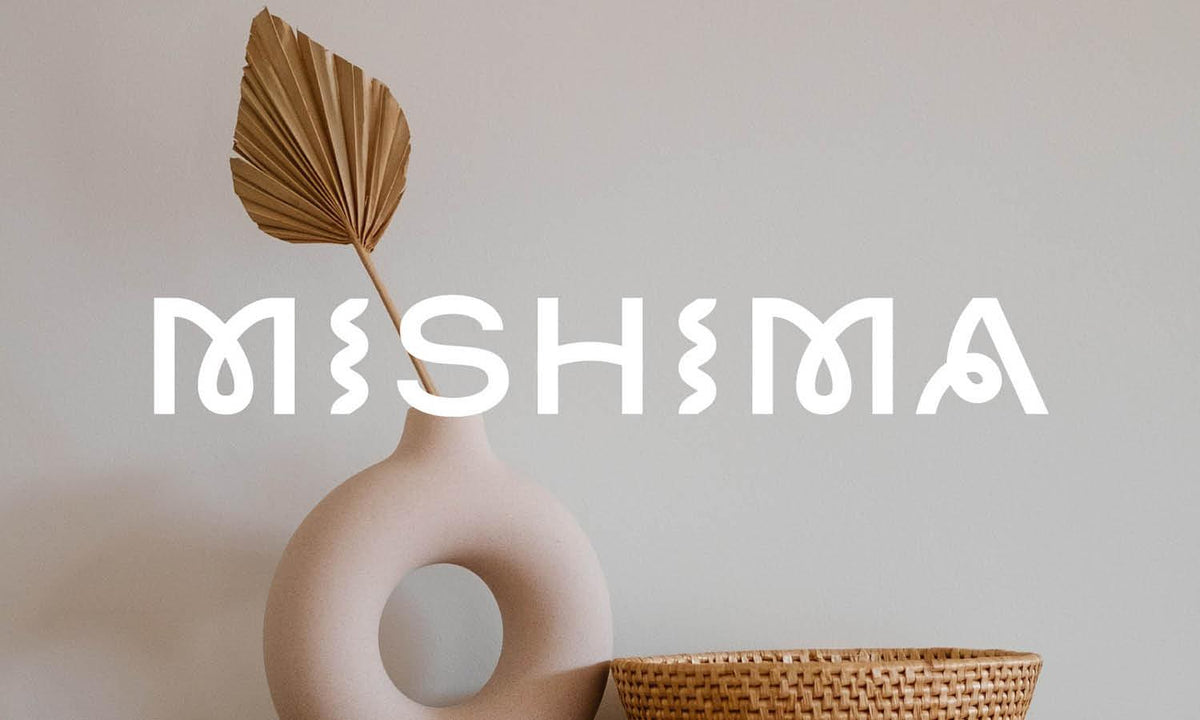
Custom Lettering Wordmark
Draw or modify the letters of your name rather than relying on an unchanged typeface. Adjusting terminals, joins, proportions, or rhythm can make a wordmark feel personal while keeping it readable.
Bold Geometric Wordmark
Use structured letterforms with deliberate spacing and strong proportions. This direction suits designers whose portfolios lean toward modern branding, digital products, architecture, or other visually controlled work.
Minimal Sans Serif Identity
A restrained sans serif wordmark can feel confident when spacing and scale are handled carefully. Its simplicity keeps attention on the portfolio while giving your name a consistent presence.
Experimental Type Treatment
Stretching, cropping, overlapping, or rearranging letters can turn ordinary typography into a memorable graphic device. Preserve enough recognition for your name to remain identifiable.
Handwritten Designer Signature
A signature-style logo can introduce personality, especially for illustrators, art directors, and independent creatives. Cleaning up the natural strokes helps it reproduce consistently at small sizes.
Contrasting Typeface Combination
Pairing two noticeably different typefaces can create useful tension. A refined serif beside a neutral sans serif, for example, can suggest both personality and structure without needing a separate symbol.
Monogram and Initial-Based Logo Ideas
Initials are useful when a full name is long or the logo must fit compact spaces such as social avatars, portfolio thumbnails, or project credits. A strong monogram can also support a fuller wordmark.
Interlocking Initial Monogram
Combine two initials so their strokes overlap, connect, or share structural elements. The result works best when the letters form one coherent shape rather than appearing merely placed together.
Single-Letter Designer Mark
One distinctive initial can become a recognizable symbol. This approach works particularly well when the letter has an unusual structure that can be simplified, mirrored, or reshaped.
Geometric Initial Construction
Build initials from circles, rectangles, grids, or repeated modules. The visible logic can subtly reflect a designer’s interest in systems, precision, and visual organization.
Negative Space Monogram
Allow one letter to appear inside the empty space of another. This creates a small visual discovery and makes a compact mark feel more considered without adding decoration.
Abstract Initial Symbol
Push the initials far enough that they begin to resemble an abstract icon. Keeping a faint connection to the original letterforms gives the symbol meaning while allowing it to function independently.
Framed Initial Emblem
Place initials inside a circle, square, or custom enclosure. The frame creates a stable silhouette that works well for stamps, profile images, stickers, and other small applications.
Creative Symbol-Based Logo Ideas
A symbol gives designers freedom to express a visual idea without using obvious references to software or creative tools. These concepts can communicate movement, structure, curiosity, or transformation while remaining flexible beside different portfolio styles.
Abstract Geometric Symbol
Combine simple forms into a balanced mark that feels unique to your identity. Repetition, rotation, and proportion can create character even when the individual shapes are basic.
Modular Shape Logo
Use one repeated component to build a larger symbol. A modular system can suggest adaptability and suit designers interested in identities that change across different formats.
Optical Illusion Mark
Impossible shapes, ambiguous depth, and visual reversals can create a logo that rewards a second look. Keep the illusion simple enough to remain clear when reduced.
Negative Space Symbol
Use empty space to reveal a second form inside the main shape. This adds conceptual depth without increasing visual complexity and can make a simple logo more memorable.
Folded Form Concept
Construct a mark that appears folded, bent, or layered. The sense of transformation can suggest experimentation, process, or turning basic elements into something new.
Continuous Line Symbol
A single uninterrupted line can form an abstract object, initial, or gesture. This style feels expressive while remaining clean enough for professional applications.
Graphic Design–Inspired Visual Concepts
References to familiar design tools can work when they are transformed rather than copied literally. The aim is to connect the logo to the profession without making it resemble a generic software icon or stock symbol.
Cursor-Inspired Logo
A pointer shape can be simplified, rotated, combined with initials, or integrated into negative space. Treating it as a geometric component makes the reference feel more original.
Pen Nib Concept
The pen nib is a familiar symbol of visual creation, but abstraction makes it more distinctive. Combining it with a letterform or geometric shape can create a stronger identity.
Grid-Based Logo
Build the mark according to a visible grid or let the grid become part of the identity. This direction suits designers whose approach emphasizes systems and disciplined composition.
Bézier Curve Symbol
Anchor points and flowing vector curves can reference digital drawing without depicting a complete interface. A few carefully placed nodes are enough to communicate the idea.
Layer-Inspired Mark
Overlapping shapes can represent the way designers build compositions from multiple elements. Transparency, offsets, or shifting forms can add depth while keeping the overall silhouette simple.
Crop Mark Concept
Crop marks and print-production symbols can become distinctive when reduced to essential geometry. They are especially appropriate for designers with strong editorial or print portfolios.
Expressive and Experimental Designer Logo Ideas
Some portfolios call for more visual energy. Designers in culture, music, fashion, editorial, or experimental branding can use color, fragmentation, and variable forms while keeping a recognizable core.
Gradient-Based Identity
A controlled gradient can add movement and depth to a simple mark. Restricting the effect to one defined shape usually keeps the result cleaner.
Duotone Designer Logo
Two colors can create a strong visual signature without requiring a complicated form. Their relationship can become as recognizable as the symbol itself.
Deconstructed Logo
Break letters or shapes into fragments while preserving their overall structure. The gaps create rhythm and tension without sacrificing recognition.
Collage-Inspired Mark
Layer cut shapes, rough edges, or contrasting fragments to create a handmade or editorial character. Simplifying the collage into a consistent silhouette helps it function as a logo.
Variable Logo System
Allow the identity to change in color, arrangement, or proportion while retaining one constant element. This creates room for experimentation without sacrificing continuity.
Unexpected Visual Metaphor
Look beyond obvious creative symbols and build the logo around a concept connected to your process or personality. Ideas based on movement, connection, balance, curiosity, or transformation can feel more personal than literal design tools.
Frequently Asked Questions
Should a Graphic Designer Use Their Name or a Studio Name in Their Logo?
A personal name works well when clients are hiring you for individual expertise and style. A studio name may suit designers planning to grow into a team, collaborate regularly, or build a brand that can operate beyond one person. Either can support a strong identity when used consistently.
Do Graphic Designer Logos Need Creative Symbols?
No. A well-designed wordmark, monogram, or typographic system can be just as memorable. A separate icon is most useful when you need a compact mark for avatars, favicons, or small applications. It should add flexibility rather than exist simply because logos are expected to include symbols.
Which Logo Style Works Best for a Graphic Design Portfolio?
The most effective style is usually the one that complements the portfolio’s character. Minimal branding can give diverse projects more room, while experimental typography may strengthen an expressive body of work. Choose a direction that feels believable beside the projects you want clients to notice.
How Detailed Should a Graphic Designer Logo Be?
Include enough detail to give the mark character, but not so much that it collapses at small sizes. Fine lines, tiny gaps, and complex textures often disappear in profile images or presentation footers. Testing the design in monochrome and at reduced scale reveals what is essential.
Can a Graphic Designer Use Different Logo Variations?
Yes. A primary wordmark, compact monogram, and simplified symbol can belong to the same identity. Variations are useful when they solve different layout problems while sharing consistent typography, proportions, or visual logic. The system should feel flexible rather than like unrelated logos.
Conclusion
A graphic designer’s logo works best when it captures one clear point of view and then gives the portfolio room to speak. Instead of proving how many techniques you can use, develop a concept that feels recognizably yours across different sizes and contexts. Test it in real applications, remove details that weaken recognition, and preserve enough flexibility for the identity to grow as your work evolves.
Let Us Know What You Think!
Every information you read here are written and curated by Kreafolk's team, carefully pieced together with our creative community in mind. Did you enjoy our contents? Leave a comment below and share your thoughts. Cheers to more creative articles and inspirations!
Related Articles







Leave a Comment