
Reasons Why The Logo Design Are Usually on the Left

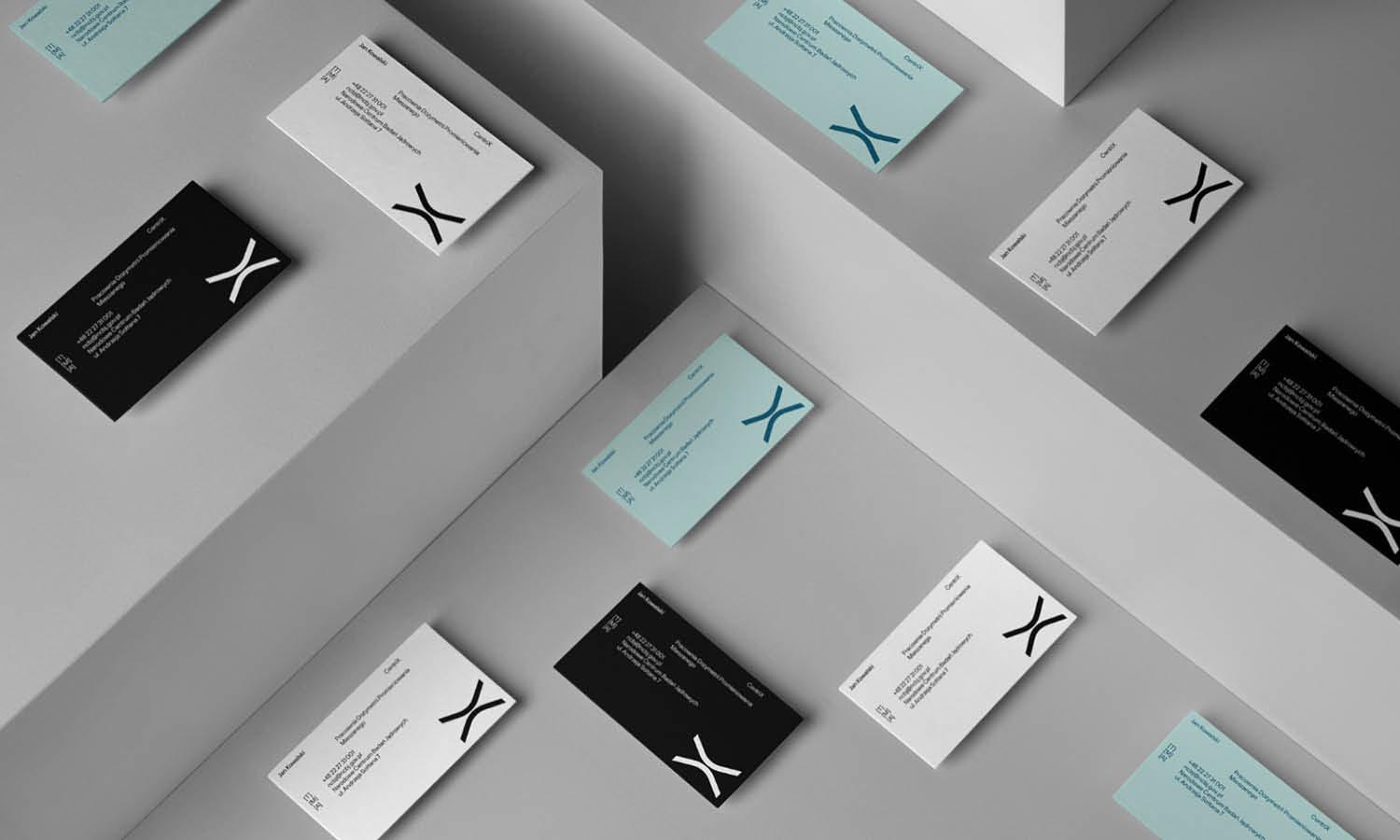
Source: Victor Berriel, Autotax, Behance, https://www.behance.net/gallery/183007605/Autotax
Look at almost any website, app, presentation, or business document, and you will probably find the logo near the upper-left corner. This familiar position is more than a design habit. It reflects how people read, scan, navigate, and recognize brands. Left logo placement gives audiences an immediate point of reference before they move toward menus, headlines, or interactive elements. It also creates a predictable structure, helping the layout feel easier to understand from the first glance. Still, the left side is not the only acceptable position. It works because it supports particular reading patterns and usability expectations. Understanding those reasons allows designers to use the convention intentionally rather than repeating it without considering the audience or layout.
1. Left Logo Placement Follows Natural Reading Patterns
For audiences who read from left to right, the upper-left area is usually one of the first parts of a page to receive attention. The eye often enters the layout there before moving across the screen and downward. A logo in this position can introduce the brand without making viewers search for it.
The Upper-Left Area Receives Early Attention
On a website, the logo commonly appears before navigation links, buttons, or page content. Visitors may not stop to study it, but they register the mark while beginning to understand where they are. This matters because digital pages are often scanned quickly. People want to identify the source and decide what to do next. Left logo placement provides that context almost immediately.
Reading Direction Influences Visual Order
Reading habits affect more than text alignment. They also shape how people interpret sequence. In left-to-right languages, a logo on the left feels like the beginning of the interface. Navigation and other controls can then continue across the header in a logical order.
2. The Left Position Helps Users Recognize the Brand Quickly
A logo identifies the organization behind a design. When it appears in a familiar location, users can understand the source of a page or document with less effort. This becomes especially useful when someone arrives through a search result, shared link, or internal page instead of the homepage.
Immediate Brand Identification
A visitor may land directly on a product page, article, or service description. The logo confirms that the content belongs to the expected company and connects that page to the broader brand. Because the upper-left area receives early attention, the mark can perform this role without becoming oversized or visually dominant. Recognition comes from consistent positioning as much as from scale.
Familiar Placement Reduces Visual Searching
Predictable placement means users do not need to scan the entire header to locate the brand. They can identify it and move directly toward the information or action they need. That small reduction in visual effort helps the page feel calmer and easier to use.
3. Left-Aligned Logos Support Familiar Website Navigation
On many websites, the logo is not only an identity element. It also functions as a link back to the homepage. Positioning it on the left supports this behavior because users have learned to look there when they want to restart their journey.
The Logo Often Works as a Home Button
A visitor who reaches a deeper page may not want to press the browser's back button repeatedly. Clicking the logo offers a direct route to the homepage. Many users try this automatically because the interaction has become so familiar. The logo also remains stable while page titles, menu items, and content change. This makes it a dependable navigational shortcut throughout the site.
Familiar Conventions Improve Usability
Good usability often comes from meeting reasonable expectations. An unusual header may look original, but it can also slow people down if they must guess how to return home. Using a familiar logo position does not prevent creativity. Designers can still create distinctive typography, color, spacing, imagery, and motion while keeping essential navigation easy to understand.

Source: Will Gomes, Lolla, Behance, https://www.behance.net/gallery/184051417/Lolla
4. Left Logo Placement Creates a Clear Visual Starting Point
A strong layout needs an obvious place where the eye can begin. In headers and branded documents, the logo can provide that starting point. From there, the rest of the composition can develop in a controlled direction.
The Logo Anchors the Header
When the logo sits on the left, it becomes a stable anchor. Navigation can extend across the middle, while account controls or calls to action occupy the right side. This creates a clear relationship between brand identity and user actions. The logo can also help establish the header's height, alignment, and spacing. Its proportions influence how nearby elements are positioned.
Other Elements Can Follow Naturally
Once the starting point is established, secondary elements can be arranged by importance. Users encounter the brand first, then navigation choices, followed by task-specific controls. This order makes the header easier to scan because every element has a recognizable role.
5. Left-Aligned Logos Work Well With Visual Hierarchy
A logo should be noticeable, but it does not always need to dominate the page. Left logo placement supports a balanced hierarchy by giving the mark a strong position while leaving other areas available for content, navigation, and calls to action.
Brand Presence Without Excessive Dominance
Position can create importance even when the logo is modest in size. A small mark in the upper-left corner may still be noticed quickly because viewers expect to find it there. This is useful on task-focused pages such as checkout screens, booking forms, and dashboards. The interface remains clearly branded, while the primary action receives greater emphasis.
Spacing Protects Logo Clarity
Effective placement depends on sufficient clear space. Navigation links placed too close to the logo can make the header feel crowded and weaken recognition. Proper margins separate the mark from the screen edge and nearby controls. Spacing also allows different logo shapes to work within the same structure. Wide wordmarks and compact symbols require different proportions, but both benefit from room to breathe.
6. The Position Adapts Well Across Responsive Layouts
Modern interfaces must work on desktop computers, tablets, and mobile screens. Left logo placement adapts well because the brand can remain in the same general area while other header elements change or collapse.
Consistency Across Screen Sizes
On desktop, the logo may sit beside a full navigation menu. On a smaller screen, those links may move into a menu icon. Keeping the logo on the left preserves one familiar element while the interface responds to limited space. This continuity helps users recognize the same brand experience across devices, even when the overall layout becomes more compact.
Mobile Headers Remain Easy to Understand
A common mobile header places the logo on the left and a menu, search, or account icon on the right. The arrangement is simple and easy to scan. Designers still need to test logo dimensions carefully. A detailed mark may become unreadable, while a long wordmark may consume too much width. A simplified responsive logo can preserve the placement without sacrificing clarity.

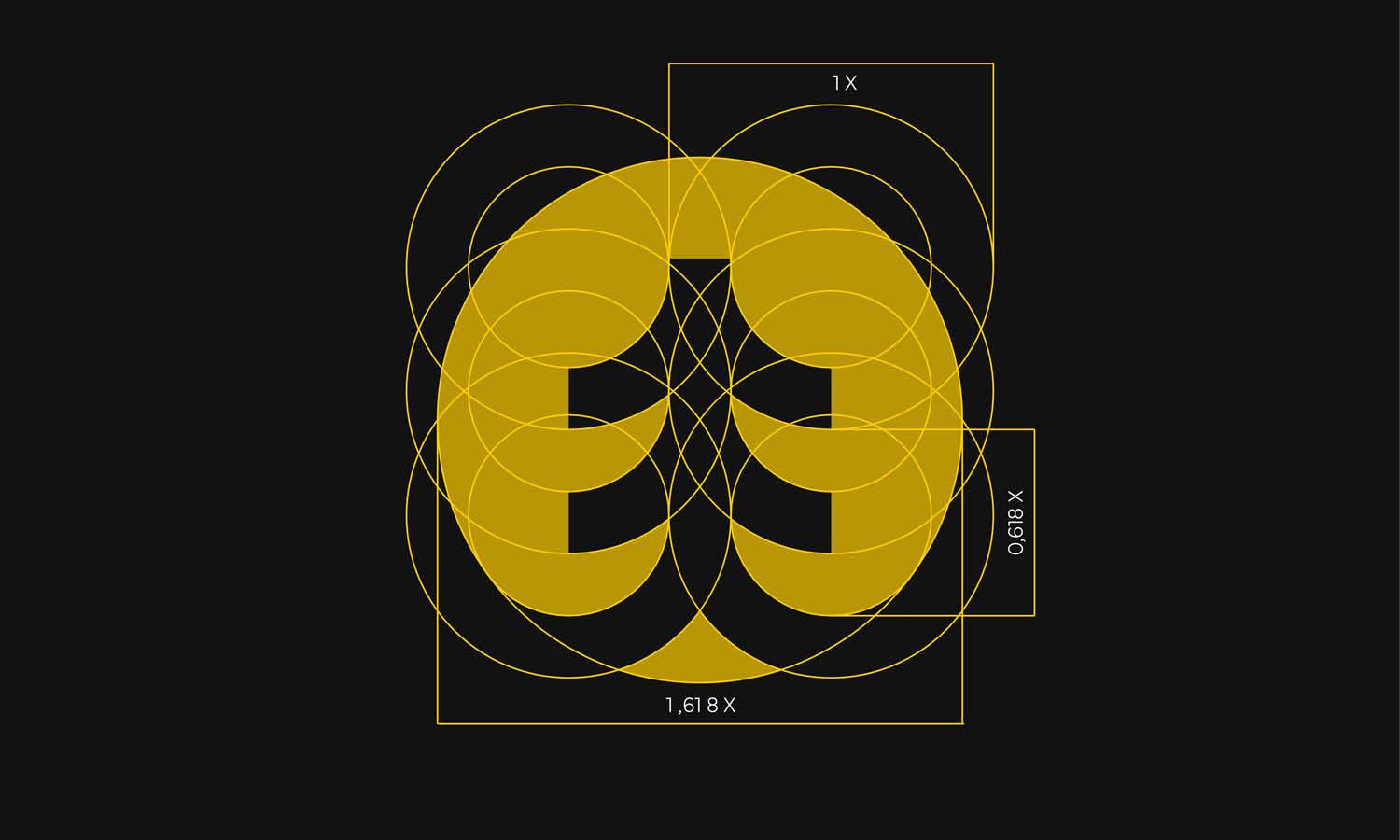
Source: Redwan, Easy™ : Mobile App - Website - Branding, Dribbble, https://dribbble.com/shots/20301956-Easy-Mobile-App-Website-Branding
7. Repeated Left Placement Builds Brand Consistency
Consistency helps audiences become familiar with a visual identity. When the logo appears in the same general position across a website, presentation, email template, or digital document, people learn where to expect it.
Consistency Creates Familiarity
Repeated placement strengthens recognition because users do not have to interpret the design from the beginning each time. The logo becomes part of a dependable visual system rather than an isolated decoration. This is valuable for brands with many pages, products, or communication materials. Even as the content changes, the familiar position connects each touchpoint to the same organization.
Brand Guidelines Preserve the Pattern
Brand guidelines can define clear space, minimum size, alignment, and acceptable positions. These rules prevent teams from placing the mark differently in every layout. The guidance can still allow exceptions for centered compositions, mobile screens, or special campaigns. The goal is coherence, not unnecessary rigidity.
8. Left Logo Placement Is Common, but Not Mandatory
The left side works well because it supports familiar reading and navigation habits, but it is not automatically correct for every project. Designers should consider the audience, language, purpose, and composition before deciding.
Reading Direction Can Change the Decision
For audiences who read from right to left, the natural starting point may be on the opposite side. A right-aligned logo can therefore fit the flow of text and navigation more effectively. This shows that logo placement responds to user behavior rather than a universal visual law. The layout should reflect how its actual audience reads and interacts.
The Layout Should Guide the Final Choice
Centered logos can suit symmetrical, editorial, or luxury-oriented designs. A right-aligned mark may support a particular interface structure. Experimental layouts may use another position to create a distinctive experience. The real question is whether the placement improves recognition, hierarchy, and usability. Left logo placement is valuable because it often achieves those goals efficiently, not because every alternative is wrong.
Conclusion
Logos are commonly placed on the left because the position fits the way many audiences read, scan, and navigate. It gives the brand early visibility, supports quick recognition, provides a familiar link to the homepage, and creates a clear starting point for the rest of the layout. The convention also works well with visual hierarchy, responsive headers, and consistent brand systems. However, designers should still consider reading direction, audience expectations, and the purpose of the composition before applying it. Left logo placement is best understood as a reliable design solution rather than an inflexible rule. Used with suitable spacing, scale, and alignment, it can make a branded experience feel recognizable, organized, and easy to navigate.
Let Us Know What You Think!
Every information you read here are written and curated by Kreafolk's team, carefully pieced together with our creative community in mind. Did you enjoy our contents? Leave a comment below and share your thoughts. Cheers to more creative articles and inspirations!
Related Articles




Leave a Comment