
30 Best Illustration Logo Design Ideas You Should Check

Source: Cansu Merdamert, Lime Alaçati, Behance, https://www.behance.net/gallery/120063647/Lime-Alacat
Illustration logos can give a brand a custom, expressive, and memorable personality. Using drawn imagery, they can communicate character, story, mood, or craftsmanship. The best illustration logo design ideas range from delicate line drawings and playful mascots to vintage artwork and imaginative symbols. If you are searching for inspiration, the goal is not to choose the most decorative style. A strong illustrated logo should match the brand’s personality, remain recognizable at different sizes, and work naturally with its typography. The following 30 directions show how subject, line, detail, and visual tone can shape a distinctive identity without excessive complexity.
Illustration Logo Design Ideas

Source: Vladimir Enciso, La Jugosita Pulpas de Fruta, Behance, https://www.behance.net/gallery/114628935/La-Jugosita-Pulpas-de-Fruta

Source: Chichi & Stung, Đô Hô Savon, Behance, https://www.behance.net/gallery/234323057/DO-HO-SAVON-Branding-Packaging

Source: Username, AmaVI Seafood & Cocktails, Behance, https://www.behance.net/gallery/136970417/AMAV-SEAFOOD-COCKTAILS

Source: Kato Design Studio, Kato, Behance, https://www.behance.net/gallery/142601851/Kato-Brand-Revamp

Source: Aurg Studio, Fafa Bread, Behance, https://www.behance.net/gallery/130102495/FAFA-BREAD-Brand-Identity-Character-Design

Source: Avi Naim, Turkey & Sharkey, Behance, https://www.behance.net/gallery/110511131/Turkey-Sharkey

Source: Artsem Pakanechny, Bearloga, Behance, https://www.behance.net/gallery/235217505/BEARLOGA-fast-casual-cafe-branding

Source: Sydney Michuda, Hayes Street Market, Behance, https://www.behance.net/gallery/137384759/Hayes-Street-Market-Branding

Source: K.Design, Japanese Branding Logo, Dribbble, https://dribbble.com/shots/27193742-Japanese-Branding-Logo-Geisha-Illustration-for-Art-Gallery

Source: Joashua Diaz, 27 Wonders Photo & Film, Dribbble, https://dribbble.com/shots/27195886-27-Wonders-Photo-Film

Source: Stella Bonici, Caco, Behance, https://www.behance.net/gallery/232343043/Caco

Source: Cynthia Torrez, Mezcal, Dribbble, https://dribbble.com/shots/14669636-Mezcal-Illustration-Logo

Source: Charlie Stopford, Siren's Catch, Behance, https://www.behance.net/gallery/198568085/Sirens-Catch-Seafood-Restaurant-Brand-Design

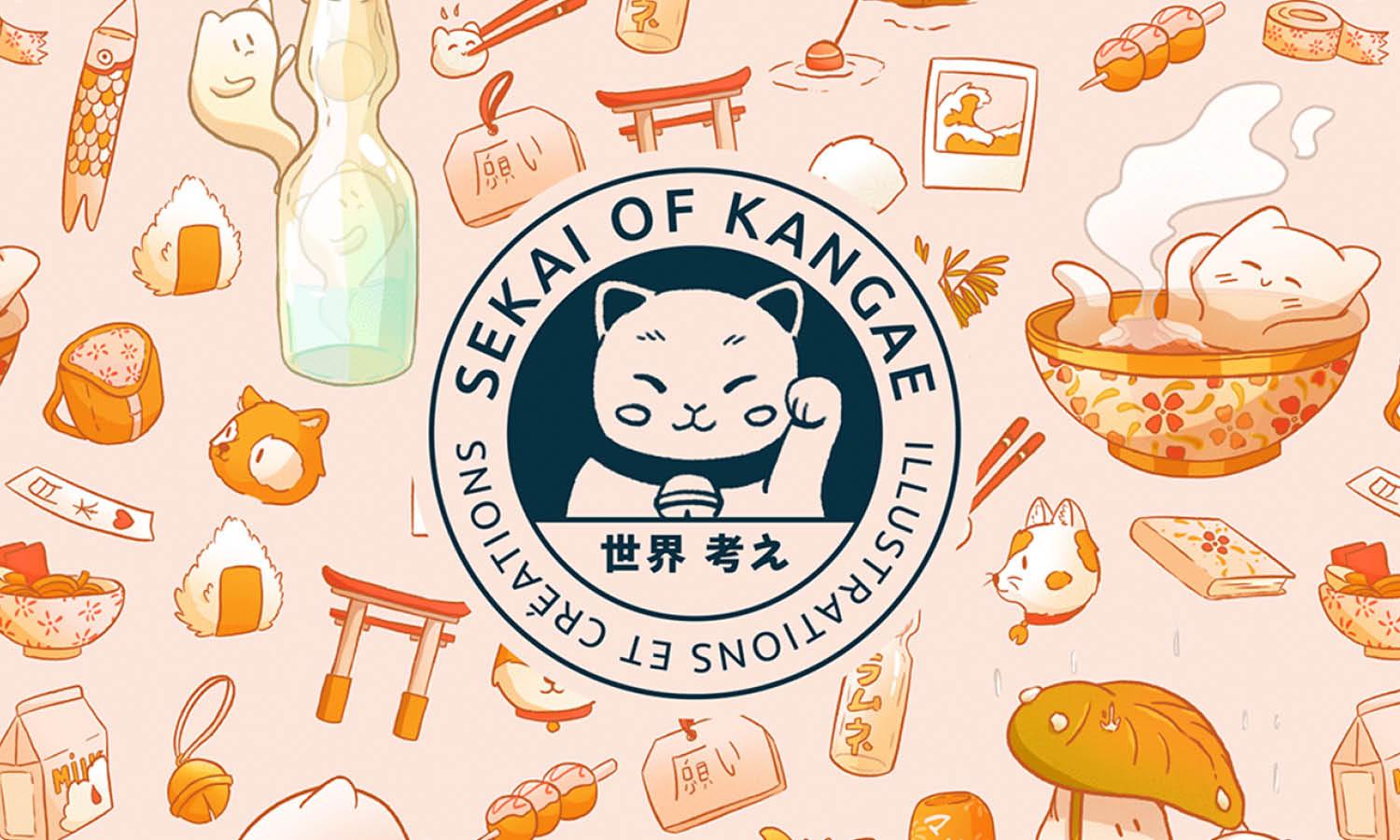
Source: Sekai of Kangae, Behance, https://www.behance.net/gallery/140890015/Sekai-of-Kangae-Branding-v3

Source: Monga Design, Baked Baam, Behance, https://www.behance.net/gallery/115907073/Baked-Baam-Visual-Identity

Source: Analaura Fuentes, Sistole Coffee Roasters, Behance, https://www.behance.net/gallery/135300323/Sistole-Coffee-Roasters

Source: Cynthia Kittler, Artida Oud, Behance, https://www.behance.net/gallery/104271481/Artida-Oud-Branding-Identity-Illustrations

Source: Jitterbug Design, El Weirdo, Behance, https://www.behance.net/gallery/120920703/El-Weirdo

Source: Masho Nartkoshvili, Top The Shaker, Behance, https://www.behance.net/gallery/113172417/Top-the-Shaker-Vegan-Aesthetics

Source: Whales Branding, Packaging for a CBD brand, Dribbble, https://dribbble.com/shots/26477057-Packaging-for-a-CBD-brand

Source: Jen Ball/Bancino, Ranger Cabins, Dribbble, https://dribbble.com/shots/27339460-Ranger-Cabins-Vintage-Airbnb-Branding-Mascot-Logo

Source: Studio GRL, Wild Woman on a Tiger, Dribbble, https://dribbble.com/shots/27628611-Wild-Woman-on-a-Tiger-Illustration-for-Merch-Logo

Source: Wndr Std™, Bandido Cereal Bar, Behance, https://www.behance.net/gallery/143863771/BANDIDO-CEREAL-BAR

Source: Sapogara, Vintage Hand Drawn Horse Logo Illustration, Dribbble, https://dribbble.com/shots/26009402-Vintage-Hand-Drawn-Horse-Logo-Illustration

Source: The Cooper Studio, The Docks, Dribbble, https://dribbble.com/shots/22936825-The-Docks-Logo

Source: Nahuel Bardi, Anima Festival, Behance, https://www.behance.net/gallery/85012921/ANIMA-Festival

Source: Oscar Bastidas, SPK, Behance, https://www.behance.net/gallery/82572679/SPK

Source: Carlos Andrés Buitrago, Velotrack, Behance, https://www.behance.net/gallery/139437433/Visual-identity-for-Velotrack

Source: Savia Brands, Hacienda Zamná, Behance, https://www.behance.net/gallery/182068515/Hacienda-Zamna

Source: Cansu Merdamert, Lime Alaçati, Behance, https://www.behance.net/gallery/120063647/Lime-Alacat
Minimal and Line-Art Illustration Logo Ideas
Minimal illustration adds personality without visual heaviness. Restrained lines and simplified forms suit brands seeking a clean identity with an artistic or handmade quality.
Continuous-Line Portrait
A single flowing line can form a face, profile, or figure with surprising personality. This refined approach works especially well for beauty, fashion, wellness, and creative brands.
Botanical Line Drawing
Leaves, flowers, stems, or herbs drawn with thin lines can create a graceful organic identity. Keep the arrangement controlled so the artwork supports rather than overwhelms the brand name.
Minimal Animal Sketch
Reduce an animal to a few confident strokes while preserving its most recognizable features. The silhouette, posture, ears, or tail can provide enough character without detailed rendering.
Hand-Drawn Object Icon
Turn a familiar product, tool, ingredient, or everyday object into a loose illustrated icon. Slight irregularities can make the mark feel personal rather than mechanically polished.
Abstract Face Illustration
Simplified eyes, profiles, and overlapping facial shapes can produce a contemporary artistic identity. This direction works well when you want expression without using an obvious product symbol.
Single-Stroke Symbol
One uninterrupted stroke can form a flower, bird, cup, or abstract motif. Keep the path simple enough for the resulting symbol to remain clear at small sizes.
Character-Based Illustration Logo Ideas
Characters can turn a logo into a recognizable personality. They work especially well for brands that want to feel approachable, entertaining, nostalgic, or story-driven.
Friendly Mascot Character
A cheerful mascot can create warmth immediately. Use simple proportions, readable expressions, and a strong silhouette so the character remains recognizable when reduced.
Vintage Cartoon Character
Retro cartoon styling brings humor and energy through exaggerated expressions, bold outlines, and classic poses. It fits food, entertainment, apparel, and lifestyle brands with playful personalities.
Human Portrait Character
Illustrate a founder, artisan, fictional person, or representative customer as the main brand figure. Simplify the portrait while retaining a few distinctive features that make the character memorable.
Animal Mascot Illustration
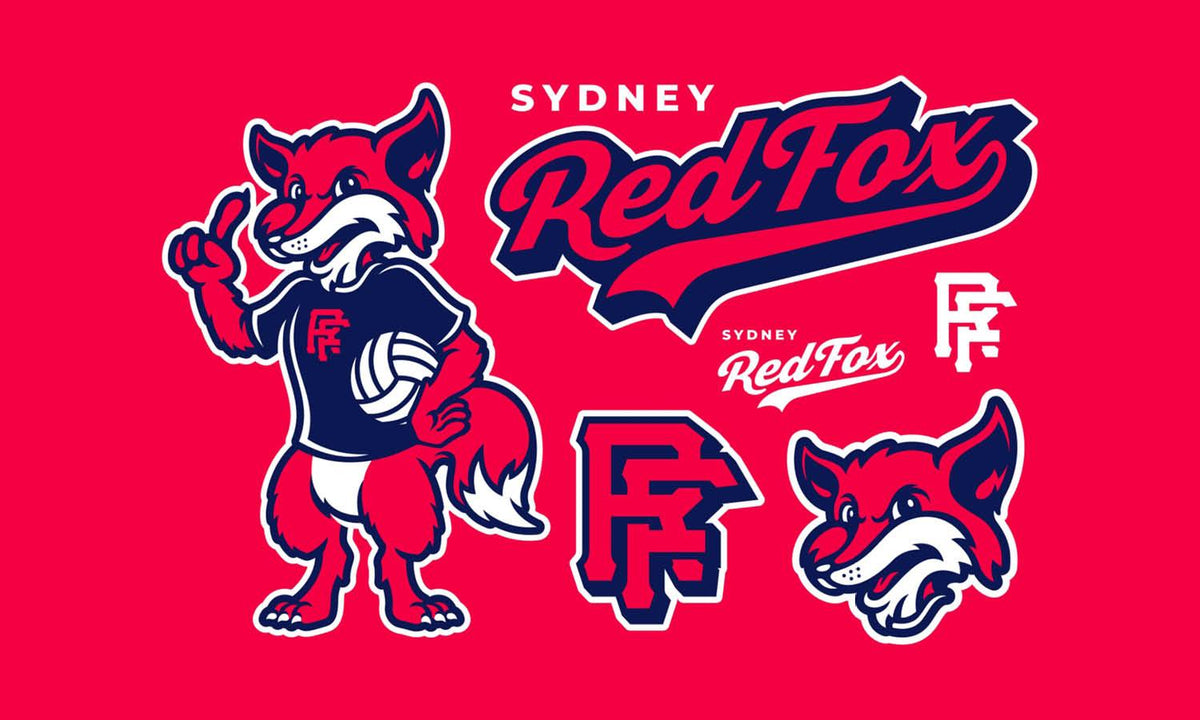
Animals naturally suggest different personalities, from confident lions to curious foxes. Clothing, gestures, or accessories can connect the mascot more specifically to the business.
Fantasy Character
Wizards, spirits, monsters, heroes, or invented creatures can give entertainment brands a world-building quality. Keep the main shape readable so the character still functions as a logo.
Playful Food Character
Turn bread, fruit, coffee, noodles, or desserts into expressive characters. A simple face or gesture can make familiar food imagery feel distinctive and inviting.
Nature-Inspired Illustration Logo Ideas
Nature can communicate calmness, adventure, freshness, craftsmanship, or environmental connection. Successful nature logos simplify organic imagery enough to preserve clarity.
Detailed Floral Emblem
Arrange illustrated flowers into a compact decorative composition. A defined overall shape helps the detail feel intentional and makes the emblem easier to use across different applications.
Mountain Landscape Illustration
Combine mountains, trees, rivers, or horizon lines into a simplified scenic mark. This direction suits outdoor, travel, and adventure brands that want a strong sense of place.
Wildlife Illustration
Birds, insects, mammals, and marine animals can become memorable symbols when their anatomy is simplified thoughtfully. Choose one recognizable pose rather than illustrating every natural detail.
Sun and Moon Artwork
Sun rays, crescent moons, clouds, and stars can create calm, mysterious, or symbolic imagery. Limit the number of elements so the celestial composition stays easy to recognize.
Forest Scene
Combine trees, hills, and small environmental details inside a badge or contained shape. Clear visual hierarchy prevents the miniature landscape from becoming crowded.
Organic Fruit or Plant Drawing
Illustrated fruit, herbs, seeds, or crops can connect a brand directly to ingredients and natural origins. A distinctive drawing style keeps the result from resembling generic stock imagery.
Vintage and Handcrafted Illustration Logo Ideas
Traditional drawing techniques can make a logo feel established, crafted, and tactile. These illustration logo design ideas often use texture, engraving, or sign-painting influences instead of perfectly smooth forms.
Engraving-Style Illustration
Fine lines, hatching, and etched textures give artwork an old-world quality. Use these details selectively because extremely fine marks may disappear when the logo is reduced.
Retro Badge Illustration
Place a central drawing within text, borders, or banners to create a structured vintage identity. Keep the illustration as the visual anchor while the badge organizes supporting information.
Hand-Inked Product Drawing
A hand-inked bottle, shoe, tool, cup, or specialty product can clearly communicate what a business offers. Controlled imperfections add character without making the drawing look unfinished.
Woodcut-Inspired Symbol
Bold carved lines and simplified shading produce a rugged, tactile effect. This approach works naturally for outdoor, craft, and heritage-inspired brands.
Heritage Character Portrait
An illustrated historical-looking figure can suggest tradition and expertise. Distinctive clothing, facial hair, headwear, or posture can create recognition without requiring realistic portrait detail.
Hand-Drawn Signage Style
Pair loose illustration with lettering inspired by painted storefront signs. The combination can give local businesses and craft-focused brands a warm, personal identity.
Bold and Imaginative Illustration Logo Ideas
Illustrated logos do not need to feel restrained or traditional. Experimental concepts can communicate originality and creativity when the central idea remains clear.
Surreal Object Combination
Merge two unexpected objects into one memorable symbol. A flower becoming a flame or a cup becoming a planet can communicate an idea through visual surprise.
Geometric Illustration
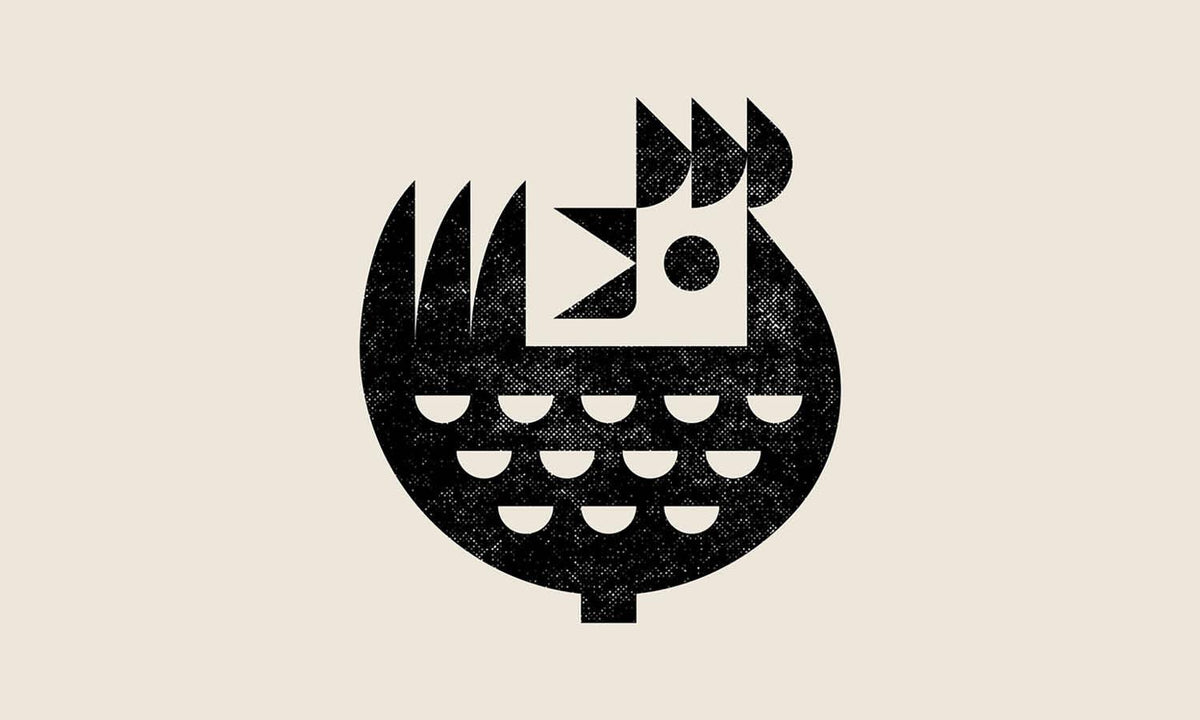
Construct a recognizable subject from circles, triangles, grids, or angular forms. This method balances artistic imagery with a more structured and contemporary visual system.
Mythical Creature Illustration
Dragons, phoenixes, griffins, or mermaids can create a powerful identity. Simplify wings, horns, tails, or flames so the creature remains readable rather than overly decorative.
Illustrated Monogram
Combine initials with vines, faces, animals, or objects. The illustration should enhance the letterforms instead of hiding the characters that viewers need to recognize.
Framed Miniature Scene
Place a small landscape, storefront, room, or narrative moment inside a circle, arch, or shield. Strong framing gives a detailed scene a clear overall silhouette.
Expressive Freehand Illustration
Rough pencil lines, energetic brush marks, or spontaneous strokes can make a logo feel artistic and independent. Keep one dominant shape so the looseness still appears intentional.
Choosing the Right Illustration Style for Your Logo
A visually impressive drawing is not automatically an effective logo. The right illustration should support the brand’s personality, remain usable, and communicate clearly at a glance.
Match the Drawing Style to the Brand Personality
Choose a visual language that supports the intended impression. Line art may feel refined, mascots can feel playful, while engraving or woodcut techniques often suggest tradition and craftsmanship.
Keep the Main Silhouette Recognizable
A strong outer shape helps an illustrated mark remain identifiable on small screens, labels, packaging, and profile images. Test reduced versions to check whether the subject stays obvious.
Control the Amount of Detail
Detail adds character, but unnecessary lines reduce clarity. Preserve the features that define the subject and remove elements that contribute little to recognition or personality.
Consider Typography and Illustration Together
Treat the artwork and lettering as one identity. Their weight, spacing, and mood should complement each other so neither part competes unnecessarily for attention.
Frequently Asked Questions
Are Illustration Logos Suitable for Professional Brands?
Yes. Illustration can look highly professional when the drawing is controlled, consistent, and appropriate for the brand’s positioning. A refined line drawing may suit an upscale studio, while engraved artwork can support a craft-focused business. Professionalism depends more on execution and relevance than on whether illustration is used.
How Detailed Should an Illustration Logo Be?
Use enough detail to create character without making the subject unclear when reduced. Fine textures may work in larger applications, but the essential silhouette and defining features should remain recognizable at smaller sizes. A simplified secondary version can also help when the main illustration contains finer details.
Can an Illustration Logo Work in One Color?
Absolutely. Testing an illustrated logo in one color is a useful way to evaluate its underlying structure. Strong line work, contrast, and silhouette should carry the design without relying entirely on color. If important elements disappear, the illustration may need stronger shapes or less detail.
What Illustration Style Works Best for a Small Business?
The best style depends on personality and audience rather than business size. A bakery might benefit from a friendly hand-drawn character, while a boutique studio may prefer elegant line art. Choose a direction that reflects the experience customers should expect and can be used consistently.
Should an Illustration Logo Include Both Artwork and Text?
Not always, although pairing illustration with a wordmark can help newer brands build name recognition. A distinctive illustrated symbol may later work independently in compact applications. Design both elements so they function together naturally while remaining clear enough to separate when different formats require it.
Conclusion
Illustration gives logos room for personality, storytelling, and visual character, but complexity is not the goal. Minimal drawings, mascots, nature scenes, engravings, and imaginative symbols can all succeed when they suit the brand. Use these illustration logo design ideas as starting points rather than formulas. Adapt the subject, technique, and detail level to create something original. A memorable illustrated logo needs one clear visual idea that people can recognize and associate with the brand.
Let Us Know What You Think!
Every information you read here are written and curated by Kreafolk's team, carefully pieced together with our creative community in mind. Did you enjoy our contents? Leave a comment below and share your thoughts. Cheers to more creative articles and inspirations!
Related Articles
Related Articles







Leave a Comment