
30 Best Monotone Logo Design Ideas You Should Check

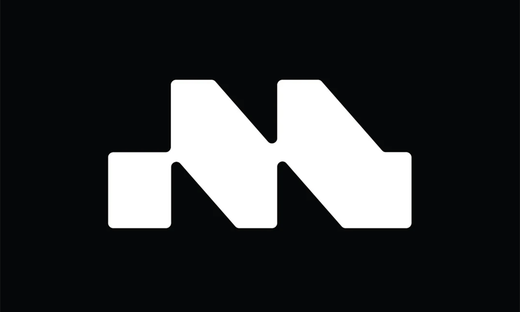
Source: Ethan Fender, Chicken, Dribbble, https://dribbble.com/shots/19623207-Chicken
Monotone logos show how much personality can come from a limited palette. By relying primarily on one color, designers place more emphasis on shape, spacing, typography, contrast, and recognizable structure. Strong monotone logo design ideas feel intentional rather than restricted, using a single hue to create identities that remain clear across different applications. If you are looking for inspiration, start by asking what should carry the brand’s personality when color variety is removed. The answer might be a custom letterform, bold silhouette, geometric symbol, or refined emblem. The ideas below show how different visual approaches can make a monotone logo distinctive, readable, and adaptable. Some are restrained and geometric, while others use expressive lettering, organic imagery, or traditional emblem structures. The common thread is that each concept must remain visually convincing without depending on a multicolor palette.
Monotone Logo Design Ideas

Source: Steve Wolf, The World Theatre, Dribbble, https://dribbble.com/shots/16455731-The-World-Theatre

Source: Nebojsa Matkovic, Goodies, Dribbble, https://dribbble.com/shots/20588083-Goodies-logo-set

Source: Iqbal Hakim Boo, Badted, Dribbble, https://dribbble.com/shots/20386793-BADTED

Source: Coric Design, Moloko Grove, Dribbble, https://dribbble.com/shots/19538016-Moloko-Grove

Source: Coric Design, Anchor Haus, Dribbble, https://dribbble.com/shots/20248401-Anchor-Haus

Source: Coric Design, Personal Branding, Dribbble, https://dribbble.com/shots/20508558-Personal-Branding

Source: Patkos, Hot Chix, Dribbble, https://dribbble.com/shots/16235247-Hot-chix

Source: Joshua Diaz, Home in the City, Dribbble, https://dribbble.com/shots/17805468-Home-in-the-City

Source: Travis Pietsch, WorkHorse, Dribbble, https://dribbble.com/shots/15483423-WorkHorse-Designs-2-3

Source: Mark Mounts, Self Portrait, Dribbble, https://dribbble.com/shots/17971898-Self-Portrait

Source: Jeremy Vessey, Castor Brewing Co., Dribbble, https://dribbble.com/shots/19573942-Castor-Brewing-Co-Typeface-Used-Leatherbound

Source: Jeremy Vessey, Acreage, Dribbble, https://dribbble.com/shots/14983294-Acreage-A-Modern-Display-Typeface

Source: Jason K Yun, The Brazen Bull, Dribbble, https://dribbble.com/shots/17312021-The-Brazen-Bull

Source: Dalibor Pajic, Brightlite Spark Logo Alternative Concept, Dribbble, https://dribbble.com/shots/26866799-brightlite-spark-logo-alternative-concept

Source: Yoga Perdana, C Logo, Dribbble, https://dribbble.com/shots/27635138-C-Logo

Source: Sample, Lang Beer Co, Dribbble, https://dribbble.com/shots/17022301-Lang-Beer-Co

Source: Dusan Sol, Copper Rose Distillery, Dribbble, https://dribbble.com/shots/20100849-Copper-Rose-Distillery

Source: Bortoletto ® Studio, Peixôu, Behance, https://www.behance.net/gallery/229470025/Peixou

Source: Fatema Nasren, Arabic Logo, Behance, https://www.behance.net/gallery/213829771/Arabic-logo

Source: Coric Design, Cornelia Hofstetter Ceramics, Dribbble, https://dribbble.com/shots/19270290-Cornelia-Hofstetter-Ceramics

Source: Vadim Carazan, Ninedays Logo Design, Dribbble, https://dribbble.com/shots/27371591-Ninedays-logo-design-brand-and-website-sprint

Source: Coric Handcrafted Design, Personal Branding, Dribbble, https://dribbble.com/shots/20509047-Personal-Branding

Source: The Permana Atelier, Moxi Marketing, Dribbble, https://dribbble.com/shots/18397578-Moxi-Marketing

Source: Vadim Carazan, Logo Concept for an AI Product, Dribbble, https://dribbble.com/shots/27046733-Logo-concept-for-an-AI-product

Source: Joshua Diaz, Fenton Dog Co., Dribbble, https://dribbble.com/shots/17804540-Fenton-Dog-Co

Source: Marina Nolen, Enjoy Your Days in the Sun, Dribbble, https://dribbble.com/shots/20116455-Enjoy-Your-Days-in-the-Sun

Source: Cmpt_rules, Steeltown Garage Co, Dribbble, https://dribbble.com/shots/16262907-Steeltown-Garage-Co

Source: Dusan Sol, Chequessett Chocolate, Dribbble, https://dribbble.com/shots/19305796-Chequessett-Chocolate

Source: Karol Gadzala, Nockscan, Behance, https://www.behance.net/gallery/233415813/Nockscan-Branding

Source: Ethan Fender, Chicken, Dribbble, https://dribbble.com/shots/19623207-Chicken
What Makes a Monotone Logo Visually Effective
A monotone logo succeeds when its structure remains interesting without multiple colors separating its elements. Every line, gap, shape, and letter must contribute to clarity and character.
Strong Contrast and Clear Silhouettes
A recognizable silhouette makes a logo easier to identify at a glance. Solid forms, defined edges, and controlled negative space help the mark stay clear on packaging, signage, icons, and printed materials.
Simple Forms With Distinctive Details
Simplicity works best when it still has personality. A custom curve, unusual cut, or carefully adjusted proportion can make a simple mark memorable without creating clutter.
Flexible One-Color Reproduction
A strong monotone logo should reproduce cleanly when printed small, stamped, embossed, reversed on a dark background, or used as a digital icon.
Minimal and Geometric Monotone Logo Ideas
Minimal and geometric concepts suit monotone design because they depend on proportion and structure rather than decoration. They can feel contemporary, controlled, and highly adaptable.
Single-Line Symbol
Use one continuous line to form an object, face, letter, or abstract shape. The result feels light, fluid, and modern.
Geometric Monogram
Build initials from circles, rectangles, angles, or modular grids to give familiar letters a more distinctive structure.
Abstract Polygon Mark
Combine angular forms into a compact symbol that suggests movement, precision, technology, or creativity without needing extra color.
Negative-Space Icon
Remove part of a solid shape to reveal a second image. This creates a clever visual surprise while preserving simplicity.
Symmetrical Emblem
Use mirrored forms to create balance and control. Symmetry can suit brands associated with order, heritage, precision, or refinement.
Minimal Circle Logo
Use a circle to frame initials, symbols, or abstract lines. Its compact shape works especially well for profile images and seals.
Typography-Based Monotone Logo Ideas
When a logo uses only one color, typography can become its main source of expression. Letter shape, spacing, stroke width, and customization can communicate personality without an additional symbol.
Bold Wordmark
A heavy wordmark creates immediate presence. Adjusted spacing and custom proportions can make simple lettering feel distinctive rather than generic.
Custom Letter Cut
Remove a small portion of a character to create a recognizable detail while keeping the word easy to read.
Interlocking Initials
Overlap initials into a compact identity mark, carefully controlling intersections so each letter remains legible.
High-Contrast Serif Logo
Use dramatic differences between thick and thin strokes to create an elegant, editorial look driven by typography itself.
Condensed Sans Serif Mark
Narrow sans serif lettering gives a sharp, streamlined appearance while conserving horizontal space.
Hand-Lettered Signature
Custom handwriting can add individuality and warmth. Simplifying the strokes helps the signature reproduce cleanly in one color.
Symbolic and Nature-Inspired Monotone Logo Ideas
Natural and symbolic subjects can become strong monotone marks when reduced to their most recognizable forms. Silhouettes and simplified geometry keep familiar imagery focused.
Mountain Silhouette
Reduce mountain peaks to a ridge line or solid shape for a mark associated with adventure, resilience, or place.
Botanical Leaf Symbol
Use leaves or branches to create an organic identity where contour, spacing, and rhythm provide the visual interest.
Animal Profile
Simplify an animal into a clean silhouette, emphasizing one defining feature such as a horn, beak, ear, or tail.
Sun and Horizon Mark
Combine a sun with a simple horizon line to suggest openness, renewal, warmth, travel, or optimism.
Wave Symbol
Use flowing curves to introduce motion and rhythm without relying on multiple hues.
Celestial Icon
Combine moons, stars, or orbit-inspired forms into a compact symbol with an atmospheric character.
Bold and Expressive Monotone Logo Ideas
Monotone design does not have to feel restrained. Heavy forms, rough textures, dramatic lettering, and unusual compositions can create a strong personality while keeping the palette controlled.
Oversized Initial Mark
Make one letter dominant, then crop, stretch, or modify it until the character also works as a graphic symbol.
Ink-Style Illustration
Use loose strokes or hand-drawn texture for an expressive character while keeping enough simplicity for small-scale reproduction.
Mascot Silhouette
Reduce a mascot to a bold single-color shape that preserves personality without the complexity of a detailed character illustration.
Stencil-Inspired Logo
Introduce deliberate gaps into letters or symbols for an industrial, urban, or utilitarian appearance.
Rough Brush Wordmark
Use brush lettering to add energy and imperfection. The single-color treatment keeps the texture visually unified.
Optical Shape Mark
Arrange repeated lines, overlapping forms, or negative spaces to create a visual effect without sacrificing recognition.
Classic and Refined Monotone Logo Ideas
Traditional logo structures often become more versatile when simplified into a single-color format. Refining their proportions can make classic motifs feel polished rather than dated.
Circular Badge
Combine a name, date, and central symbol inside a circular layout for an established or handcrafted character.
Heraldic Crest
Simplify shields, crowns, animals, and ornaments into cleaner forms that remain legible when scaled down.
Fine-Line Emblem
Use delicate linework for a refined look, leaving enough spacing to prevent details from disappearing at smaller sizes.
Architectural Symbol
Translate arches, columns, windows, roofs, or structural outlines into simple geometry associated with precision or craftsmanship.
Vintage Stamp Mark
Combine compact typography, borders, and simple icons, using slight irregularity to introduce a vintage character.
Minimal Luxury Monogram
Pair elegant initials with restrained spacing and precise alignment for a premium identity built on proportion rather than ornament.
Choosing the Right Monotone Direction
The right direction depends on what the logo needs to communicate and where it will appear. A strong concept should match the brand’s personality while remaining useful in everyday applications.
Match the Style to the Brand Character
A geometric mark can feel precise and modern, while hand lettering may feel personal or expressive. Choose a visual language that supports the intended identity instead of following a style only because it looks attractive.
Test the Logo at Different Sizes
Fine details that work in a large presentation may vanish on a small label or icon. Reduce the design early to check line weight, spacing, counters, and readability.
Check Both Light and Dark Applications
Test dark-on-light and light-on-dark versions. Reversing the logo can expose weak gaps, awkward overlaps, or areas that depend too much on one background condition.
Frequently Asked Questions
Can a Monotone Logo Use Different Shades of One Color?
Yes, though designers use the term differently. A monotone identity may include lighter and darker values of one hue, but the core logo should ideally work as a flat single-color mark. That keeps reproduction flexible and prevents the design from depending entirely on tonal variation.
Which Colors Work Best for Monotone Logos?
There is no universal best color. The choice should suit the brand’s personality and provide enough contrast in its intended applications. Dark neutrals often feel controlled and versatile, while a distinctive brand hue can make the same single-color structure feel more recognizable.
Are Monotone Logos Suitable for Detailed Designs?
Yes, if the details are carefully controlled. Fine lines, internal shapes, and decorative elements need enough spacing to remain visible when reduced. If details begin merging at smaller sizes, simplifying the artwork will usually produce a clearer and more dependable logo.
How Can a Monotone Logo Avoid Looking Too Plain?
Use structure instead of extra color to create interest. Custom typography, unusual proportions, negative space, texture, asymmetry, or a distinctive silhouette can add personality. The goal is not to make the logo busier, but to make every visual choice contribute more.
Should a Monotone Logo Also Work in Black and White?
Yes. A pure black-and-white test quickly reveals whether the underlying structure is strong. If the logo remains clear without depending on its chosen hue, it is more likely to reproduce successfully across print, digital, stamping, engraving, and other practical applications.
Conclusion
A single-color restriction can produce remarkably varied results when the design is built around strong visual decisions. Instead of adding hues for interest, successful concepts rely on proportion, lettering, silhouette, negative space, texture, and composition. As you compare monotone logo design ideas, pay attention to how each concept behaves in use. A mark that remains recognizable at small sizes, adapts to contrasting backgrounds, and communicates the intended personality has a stronger foundation than one that depends on decorative effects. Limiting the palette can ultimately sharpen the design by revealing which visual elements are essential and which can be removed. That clarity can make the final identity easier to recognize, reproduce, and apply consistently across different brand touchpoints.
Let Us Know What You Think!
Every information you read here are written and curated by Kreafolk's team, carefully pieced together with our creative community in mind. Did you enjoy our contents? Leave a comment below and share your thoughts. Cheers to more creative articles and inspirations!
Related Articles







Leave a Comment