
10 Tips to Create a Good Real Estate Logo Design

Source: Md Shihab Uddin, Behance, https://www.behance.net/gallery/143760533/Real-estate-logo-Trubhome-logo-design
A successful real estate logo design does more than decorate a business card or website. It creates a strong first impression, communicates professionalism, and helps clients remember your brand in a crowded property market. Buyers, sellers, investors, and renters often compare several agencies before making contact, so a clear and polished logo can reinforce confidence before a conversation even begins. Creating an effective logo is not about adding every symbol associated with houses or buildings. The strongest designs combine simplicity, thoughtful typography, balanced colors, and a clear brand identity that reflects your business. This article shares ten practical tips to help you create a real estate logo design that looks professional, remains versatile across different marketing materials, and continues to represent your brand well as your business grows.
Understand Your Brand Identity Before Designing
A great real estate logo design starts with a clear understanding of the business it represents. Before choosing icons, colors, or fonts, define what makes your company unique. A logo should reflect your values instead of following generic design trends.
Define Your Target Audience
Different audiences expect different visual styles. Luxury property agencies often benefit from elegant, refined branding, while agencies specializing in family homes may prefer a welcoming and approachable appearance. Commercial real estate firms frequently choose modern, minimal designs that communicate expertise and stability.
Clarify Your Brand Personality
Ask yourself how you want clients to describe your business. Professional, modern, trustworthy, premium, friendly, and innovative all create different visual directions. When your logo reflects your personality consistently, it becomes easier for potential clients to understand your brand before reading a single word about your services.
Keep The Logo Simple And Memorable
Simple logos often leave the strongest impression because they are easy to recognize and remember. A clean real estate logo design also adapts better to signs, websites, social media profiles, printed brochures, and promotional materials.
Avoid Unnecessary Details
Tiny architectural details, complicated illustrations, and decorative effects may look attractive at first, but they quickly lose clarity when the logo is displayed at smaller sizes. Instead, focus on a few strong design elements that communicate your brand without creating visual clutter.
Focus On Instant Recognition
Someone should recognize your logo within seconds. Clear shapes, balanced spacing, and limited visual elements improve memorability while giving the logo a polished appearance.
Choose Real Estate Symbols Carefully
Many real estate businesses automatically choose houses, rooftops, buildings, or keys as their primary logo element. While these symbols immediately communicate the industry, they can also make your brand blend into the competition if they are used without originality.
Use Property Icons With Purpose
If you include a house, skyline, roofline, or key, make sure it supports your brand identity instead of simply filling space. Clean geometric shapes, minimal outlines, or distinctive combinations often look more professional than detailed illustrations. Choose one primary symbol rather than combining multiple property-related icons.
Consider Modern Or Abstract Alternatives
Not every real estate logo needs a literal building. Abstract shapes, monograms, location-inspired graphics, or subtle architectural lines can communicate professionalism while helping your brand stand apart. An original visual concept often remains memorable longer than a logo that closely resembles dozens of other agencies in the same market.

Source: Kristina Taylor, Behance, https://www.behance.net/gallery/98294877/Hestia-Real-Estate
Select Professional Typography
Typography plays a major role in how people perceive your business. Even if the icon is excellent, poor font choices can make the entire real estate logo design feel outdated or difficult to trust. Selecting the right typeface helps communicate professionalism before potential clients interact with your business.
Match The Font To Your Brand
Modern sans-serif fonts often create a clean and contemporary appearance, making them popular for agencies that emphasize innovation. Traditional serif fonts can communicate stability, experience, and luxury, making them suitable for premium property brands. Choose a typeface that complements your overall identity rather than following current design trends.
Prioritize Readability
A logo should remain easy to read on storefront signs, social media profiles, business cards, and digital advertisements. Decorative fonts may reduce clarity, especially at smaller sizes. Keep letter spacing balanced and avoid using multiple font families unless they genuinely improve the design.
Use Colors That Build Trust
Color influences how people feel about a brand before they read a company name or learn about its services. In a real estate logo design, the right palette can communicate reliability, confidence, and professionalism while supporting your overall brand identity.
Choose Colors That Reflect Your Brand
Blue remains one of the most popular choices because it conveys trust, stability, and dependability. Green often represents growth, sustainability, or residential communities, while black and gold can create a premium appearance for luxury real estate businesses. Select colors based on your brand personality instead of simply following industry conventions.
Keep The Palette Consistent
Using too many colors can make a logo appear unfocused. Limiting the design to two or three primary colors creates a cleaner and more versatile visual identity. Also, ensure your chosen colors maintain good contrast in both digital and printed formats.
Design For Versatility Across Platforms
Your logo will appear in many places, from property signs and business cards to mobile apps and social media profiles. A successful real estate logo design should remain effective regardless of where clients encounter it.
Test Small And Large Sizes
A logo that looks impressive on a billboard may lose important details when displayed as a website favicon or profile picture. Before finalizing your design, view it at multiple sizes to ensure every element remains clear. If fine lines or intricate shapes disappear when scaled down, simplify the design until it remains recognizable in every format.
Prepare Light And Dark Versions
Different marketing materials require different backgrounds. Creating versions for both light and dark surfaces ensures your logo maintains strong visibility without sacrificing its appearance. You should also prepare a single-color version for applications such as embossed stationery, promotional merchandise, or simple print materials.
Create A Balanced Logo Layout
A balanced layout makes a logo feel intentional and professional. Even with strong typography and colors, poor spacing or uneven proportions can reduce the overall impact. A well-composed real estate logo design guides the viewer's attention naturally and creates a polished appearance.
Maintain Proper Spacing
Every element should have enough room to breathe. Crowded icons, tightly packed letters, or uneven margins can make the logo look rushed and difficult to read. Use consistent spacing between the icon and the business name, and leave adequate clear space around the logo so it remains visually distinct on different marketing materials.
Balance Icons And Text
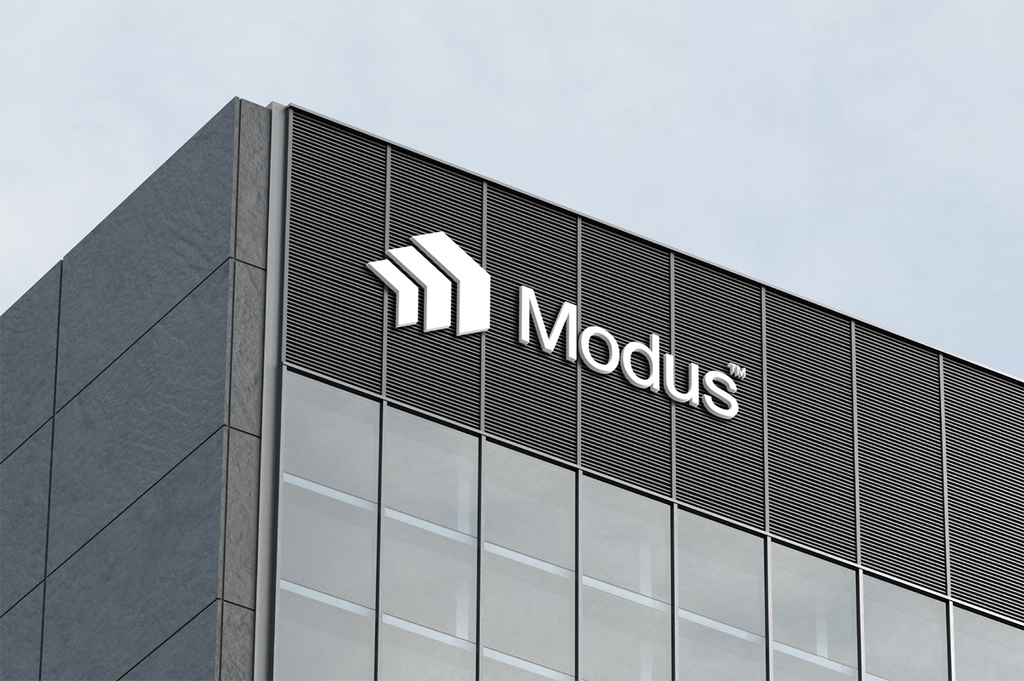
Neither the symbol nor the company name should overpower the other. The icon should support the brand name, while the typography should remain easy to read at a glance. Review the logo from a distance or at reduced sizes. If one element dominates too much, adjust the proportions until the overall composition feels balanced and cohesive.
Source: Ruben Daems | https://www.behance.net/gallery/127524201/Modus-Housing-Brand-Identity
Make Your Logo Different From Competitors
The real estate industry is filled with logos featuring nearly identical houses, rooftops, and skyscrapers. Creating something distinctive helps your business become easier to recognize while maintaining a professional image.
Research Local Real Estate Brands
Before developing your logo, look at agencies in your local market. Pay attention to recurring colors, symbols, and typography. This research is not about copying successful businesses but identifying opportunities to create something different. A unique visual identity helps potential clients remember your brand instead of confusing it with another agency.
Highlight Your Unique Identity
Think about what makes your business different. Perhaps you specialize in luxury homes, commercial properties, waterfront residences, or first-time buyers. Your logo should subtly reflect that focus without becoming overly literal. Small design choices, such as a distinctive monogram, a refined color palette, or a unique geometric shape, can make your real estate logo design feel original while remaining timeless.
Ensure The Logo Looks Timeless
Design trends change quickly, but a logo should represent your business for many years. Building a timeless real estate logo design reduces the need for frequent redesigns and helps maintain consistent brand recognition as your company grows.
Avoid Short-Lived Design Trends
Popular effects such as overly complex gradients, exaggerated 3D styling, or trendy decorative elements can make a logo feel outdated after only a few years. While these styles may attract attention temporarily, they often lose their appeal as design preferences evolve.
Build A Logo That Lasts
Ask yourself whether the logo will still look professional five or ten years from now. A timeless design prioritizes clarity, versatility, and strong visual balance over temporary fashion. Choosing classic design principles creates a logo that continues to support your brand across new marketing channels, office signage, and digital platforms without requiring major updates.
Review, Test, And Refine The Final Design
Even experienced designers rarely create the perfect logo on their first attempt. Refining your work helps identify small improvements that strengthen the overall result before the logo becomes part of your brand identity.
Collect Feedback
Show your design to colleagues, clients, or trusted professionals and ask specific questions. Is the logo memorable? Does it look professional? Is the business name easy to read? Focus on constructive feedback rather than personal preferences.
Make Final Adjustments
Use the feedback to polish spacing, typography, colors, or proportions without changing the overall concept unnecessarily. Small refinements often produce a noticeably stronger final design. Before launching your branding, test the logo on business cards, property signs, websites, social media profiles, and printed materials.
Conclusion
Creating an effective real estate logo design is about making thoughtful decisions that communicate trust, professionalism, and lasting value. By understanding your brand, keeping the design simple, selecting purposeful symbols, using readable typography, choosing a confident color palette, and ensuring the logo works across every platform, you create a visual identity that supports your business for years to come. The final steps are just as important as the first. Testing your design, refining small details, and checking how it performs in real-world applications help ensure the logo represents your company consistently. A well-crafted logo is more than an attractive graphic—it becomes a recognizable symbol that helps clients remember your business and feel confident choosing your services.
Let Us Know What You Think!
Every information you read here are written and curated by Kreafolk's team, carefully pieced together with our creative community in mind. Did you enjoy our contents? Leave a comment below and share your thoughts. Cheers to more creative articles and inspirations!
Related Articles







Leave a Comment