
10 Tips To Create A Good Food Logo Design

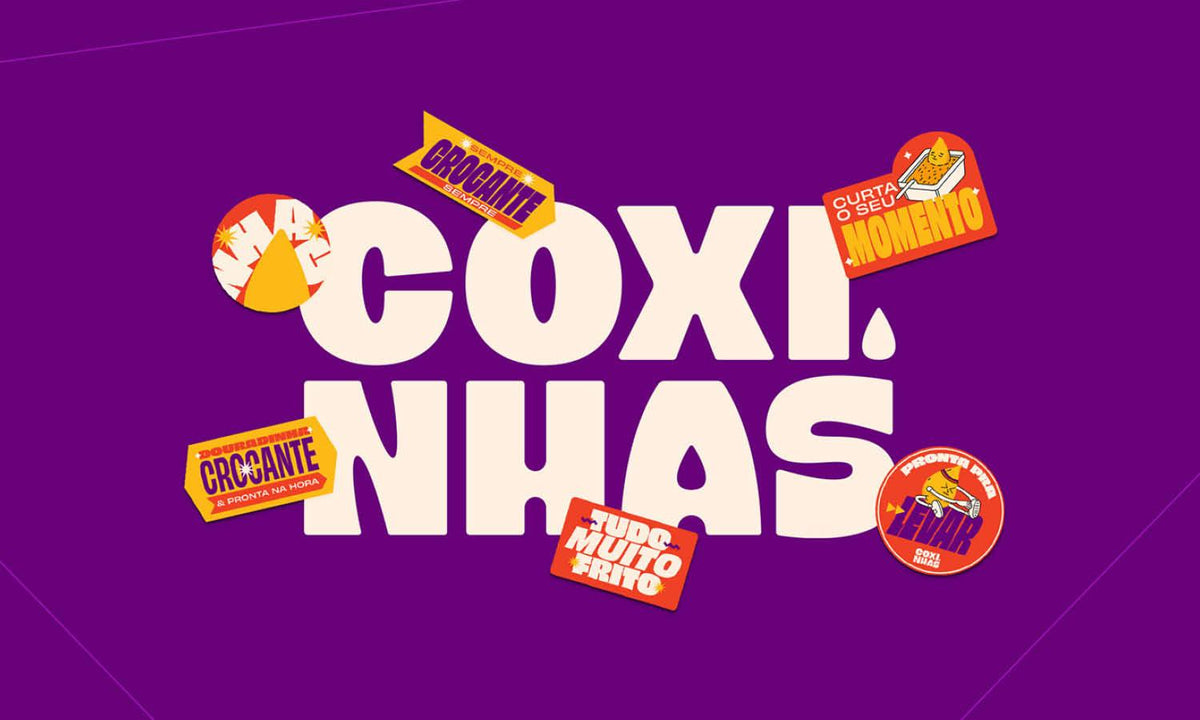
Source: CAXA Estudio, Behance, https://www.behance.net/gallery/139522451/Coxinhas
People often decide whether a food business feels inviting long before they sample the menu. A logo contributes to that decision by offering visual clues about quality, style, and personality within seconds. It can suggest handcrafted recipes, premium dining, healthy ingredients, or quick comfort food without relying on lengthy descriptions. That makes thoughtful branding especially valuable in a market where customers compare countless restaurants, cafés, bakeries, and packaged food products every day. Creating an effective food logo design is not about adding a chef's hat or a fork to every concept. The strongest logos are built around a clear brand identity, making each design choice intentional rather than decorative. The following tips focus on practical decisions that help create a logo people recognize, remember, and associate with the dining experience you want to deliver.
Understand Your Food Brand Before Designing
Every successful food logo design begins with a clear understanding of the business behind it. Before thinking about colors, icons, or fonts, define what makes your food brand unique. A logo should communicate more than the fact that you sell food—it should hint at the experience customers can expect. Spending time on strategy first makes every design decision more intentional.
Define Your Brand Personality
Think about the atmosphere you want customers to associate with your business. A gourmet steakhouse projects something very different from a neighborhood bakery or a vegan meal delivery service. Is your brand elegant, playful, rustic, modern, or family-friendly? Identifying these characteristics creates a foundation that guides every visual element in your logo.
Identify Your Target Customers
The people you hope to attract should influence your design choices. Younger audiences may respond well to bold, energetic branding, while premium dining customers often appreciate refined and understated visuals. When your food logo design reflects both your personality and your audience's expectations, it becomes easier for customers to recognize and remember your brand.
Choose Colors That Match Your Food Brand
Color is often the first thing people notice about a logo. Beyond making a design attractive, color influences emotion, appetite, and perception. Selecting a thoughtful palette helps your food logo design communicate the right message before customers even read your business name.
Select Appetite-Friendly Colors
Warm colors like red, orange, and yellow are frequently associated with energy and hunger, making them common choices for restaurants and fast-food brands. Earthy greens work well for organic, vegetarian, or farm-to-table concepts, while darker palettes can communicate sophistication for upscale dining. Choose colors that naturally complement your menu and overall brand personality.
Build A Consistent Brand Palette
Avoid combining too many unrelated colors. A focused palette of two or three primary colors creates a cleaner identity and makes branding more consistent across menus, packaging, signage, websites, and social media. Consistency strengthens recognition every time customers encounter your business.
Pick Typography That Fits Your Identity
Typography has a powerful influence on how people interpret your brand. The right font can communicate tradition, elegance, creativity, or friendliness before anyone tastes your food. Since your business name is often the centerpiece of a food logo design, readability should always remain a priority.
Balance Personality And Readability
Decorative lettering can give a logo distinctive character, but it should never make the business name difficult to read. Whether customers discover your restaurant on a storefront, delivery app, or food packaging, they should recognize the name instantly.
Avoid Trend-Driven Fonts
Fonts that become popular quickly often lose their appeal just as fast. Instead of chasing design trends, choose typography with lasting character. A timeless typeface allows your food logo design to stay relevant for years while reducing the need for frequent redesigns.

Source: Jona Sbarzaglia Studio, Behance, https://www.behance.net/gallery/134785557/Farna-Pizza-Locale
Keep The Design Simple And Memorable
Some of the world's most recognizable food brands rely on surprisingly simple logos. Simplicity makes a design easier to identify, reproduce, and remember across different marketing materials. Rather than filling a logo with decorative details, focus on communicating one clear visual idea.
Focus On One Core Concept
Choose a single element that best represents your brand. It might be an ingredient, an abstract symbol, a custom letterform, or a distinctive illustration. Giving one concept room to stand out creates stronger recognition than combining several unrelated ideas.
Remove Unnecessary Details
Fine textures, tiny illustrations, and excessive decorative elements often disappear when logos are scaled down. Simplifying unnecessary details keeps the design sharp on packaging, uniforms, mobile apps, and business cards while making it easier for customers to recognize at a glance.
Use Food Imagery With Purpose
Food-related graphics can instantly communicate your industry, but they should always support your brand rather than overwhelm it. Thoughtfully selected imagery strengthens recognition, while generic clip-art often makes businesses blend into the competition.
Choose Relevant Visual Elements
Select imagery that genuinely represents your products or brand story. A handcrafted bakery may benefit from wheat or rolling-pin illustrations, while a seafood restaurant could incorporate subtle ocean-inspired shapes. Even abstract graphics can effectively suggest freshness, flavor, or craftsmanship without being overly literal.
Avoid Generic Food Icons
Chef hats, forks, spoons, and hamburgers appear in countless restaurant logos. Unless these symbols are transformed into something distinctive, they rarely leave a lasting impression. Looking for unique ways to represent your cuisine gives your food logo design a stronger identity and makes it easier for customers to remember your business.
Create A Unique Brand Identity
A memorable food logo design gives customers a reason to remember your business instead of confusing it with dozens of similar competitors. Originality does not require an elaborate illustration. It comes from combining your brand story, personality, and visual style into something that feels authentic. A distinctive logo also gives you greater flexibility as your business grows into new products, locations, or services. Instead of copying successful restaurants or following the latest design trends, identify what makes your business different. Perhaps you specialize in family recipes, locally sourced ingredients, handcrafted desserts, or international flavors. Those qualities can inspire custom icons, creative typography, or unique graphic elements that no one else owns.
Make Your Logo Reflect The Dining Experience
Customers often form expectations before they ever taste your food. Your logo should communicate the atmosphere your business promises, helping people understand your brand at a glance. A casual burger restaurant, premium sushi bar, artisan coffee shop, and dessert boutique all create different experiences, and their visual identities should reflect those differences. Think about how customers should feel when they encounter your brand. Clean, minimalist graphics may communicate premium quality and modern dining, while hand-drawn illustrations can create a welcoming, homemade feeling. Bold colors and playful typography often suit family restaurants or food trucks, whereas elegant lettering may better represent fine dining establishments.

Source: ThinkBold, Behance, https://www.behance.net/gallery/145670633/Le-Caviar?tracking_source=search_projects%7Cfood
Design For Every Size And Platform
Today's food businesses appear in many places beyond storefront signs. Customers may first discover your brand through delivery apps, social media profiles, online menus, packaging, or digital advertisements. Your food logo design should remain clear and recognizable in every situation.
Test Small-Scale Visibility
Shrink the logo to favicon size, app icons, or delivery platform thumbnails. If important details disappear or text becomes unreadable, simplify the design before finalizing it. A logo that performs well at small sizes usually works equally well at larger scales.
Prepare Flexible Logo Variations
A single version rarely fits every application. Create horizontal, stacked, icon-only, and monochrome variations so the logo adapts naturally to different layouts. These alternatives help maintain consistent branding across packaging, uniforms, signage, websites, and promotional materials without sacrificing quality.
Avoid Common Food Logo Design Mistakes
Many logo concepts start with good intentions but lose effectiveness because of avoidable design mistakes. Recognizing these problems early saves time and helps create a stronger visual identity.
Overcomplicating The Design
Adding too many colors, illustrations, fonts, or decorative elements often makes a logo difficult to recognize. Simplicity usually produces stronger results because customers can identify the design quickly.
Following Short-Lived Trends
Design trends change rapidly. A logo built entirely around fashionable effects may look outdated within a few years. Focus on timeless design principles instead of temporary visual styles.
Ignoring Practical Applications
Always think beyond the computer screen. Test your logo on menus, takeout boxes, uniforms, business cards, signage, stickers, and social media. Practical testing often reveals problems that remain hidden during the design process, allowing you to refine the logo before launch.
Test And Refine Before Launching
The first version of a logo is rarely the final one. Refinement helps transform a good concept into a polished visual identity that represents your business confidently. Gathering feedback and testing real-world applications often reveal opportunities for improvement that designers may overlook.
Gather Constructive Feedback
Ask colleagues, loyal customers, or trusted friends for honest opinions. Instead of asking which logo they simply like better, ask what message they believe it communicates. Their responses can show whether your intended brand personality is coming across clearly.
Review Real-World Applications
Place the logo on menus, coffee cups, food packaging, uniforms, storefront signage, websites, and social media graphics. Viewing the design in realistic situations helps identify spacing issues, readability concerns, or color adjustments before the logo becomes part of your permanent brand identity.
Conclusion
Designing a memorable food logo design is ultimately an exercise in making thoughtful choices, not adding more visual elements. Every color, font, shape, and graphic should earn its place by supporting the story your brand wants to tell. When those decisions work together, the result feels natural, distinctive, and immediately recognizable. As your business grows, your logo will appear in places you may not anticipate today, from seasonal promotions and delivery platforms to merchandise and new product lines. Building a flexible, well-considered identity from the beginning makes future branding easier while keeping your business visually consistent. A logo that remains clear, authentic, and adaptable will continue serving your brand long after design trends have changed.
Let Us Know What You Think!
Every information you read here are written and curated by Kreafolk's team, carefully pieced together with our creative community in mind. Did you enjoy our contents? Leave a comment below and share your thoughts. Cheers to more creative articles and inspirations!
Related Articles






Leave a Comment