
10 Tips to Create a Good African Logo Design

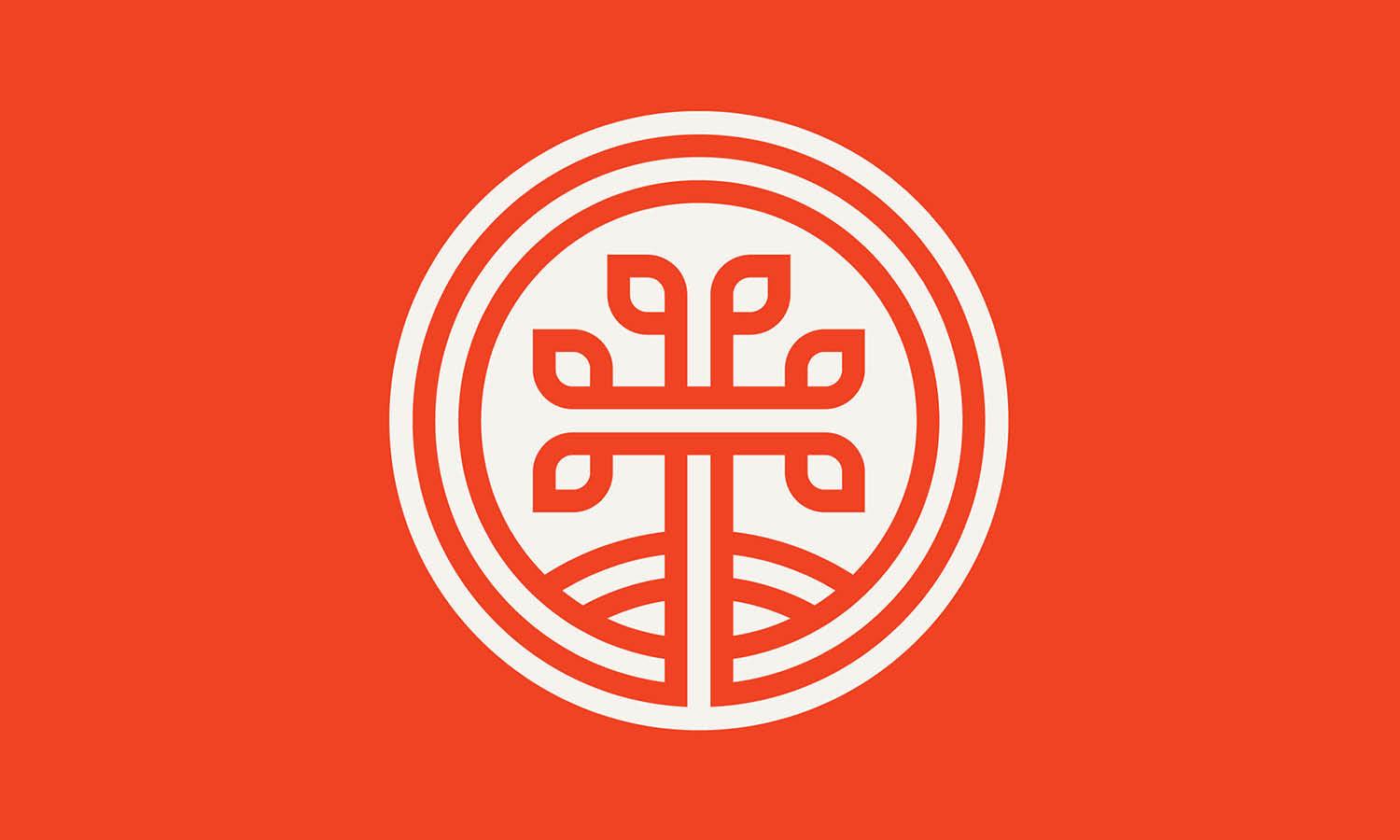
Source FatPenguin Studio, Behance, https://www.behance.net/gallery/100912263/Rhino-Gin-London-Dry-Gin
An effective African logo design does more than look visually interesting. It communicates identity, culture, values, and purpose through carefully selected design elements that connect with a specific audience. While many designers are inspired by Africa’s rich artistic heritage, creating a logo that genuinely reflects that inspiration requires more than adding patterns, animals, or traditional colors. The strongest designs are built on research, understanding, and a clear connection between visual choices and brand goals. Whether you are designing for a cultural organization, tourism business, fashion brand, nonprofit, artisan company, or local startup, authenticity should guide every decision. Africa contains an incredible diversity of cultures, histories, languages, and artistic traditions. Understanding those differences can help you create a logo that feels meaningful rather than generic. These practical tips will help you develop an African logo design that respects cultural influences while remaining professional, memorable, and effective in modern branding.
Understand The Cultural Story Behind The Brand
Before exploring symbols, colors, or typography, take time to understand the story behind the brand. Every logo should represent something meaningful, and cultural inspiration becomes much stronger when it is connected to a clear purpose.
Research Regional Influences
Africa consists of dozens of countries and thousands of cultural groups, each with unique artistic traditions. A brand inspired by West African heritage may require a completely different visual approach than one influenced by East African, Southern African, or North African traditions. Researching specific cultural references helps create a more authentic foundation.
Learn The Meaning Behind Symbols
Many traditional symbols have historical, spiritual, or social significance. Understanding those meanings prevents accidental misuse and helps designers communicate the intended message more effectively.
Avoid Generic Cultural Assumptions
A strong African logo design avoids broad stereotypes and instead focuses on specific influences that genuinely connect to the brand’s identity and audience.
Use Authentic African Symbols With Purpose
Symbols often become the most recognizable part of a logo, making their selection especially important. Rather than filling a design with multiple cultural references, focus on symbols that contribute directly to the brand story.
Traditional Patterns And Motifs
African textiles, carvings, pottery, and architectural designs provide a wealth of inspiration. Geometric patterns, repeated motifs, and symbolic shapes can become strong visual elements when simplified for logo use.
Animals, Nature, And Heritage Symbols
Many cultures use animals, plants, rivers, mountains, and natural elements as representations of wisdom, strength, leadership, growth, or community. When relevant to the brand, these symbols can create immediate emotional connections.
Symbolism Versus Decoration
The best symbols communicate meaning. Instead of adding cultural elements purely for visual interest, choose symbols that reinforce the brand’s values, mission, or history. A purposeful symbol creates stronger recognition and a more memorable logo.
Choose Colors That Reflect Meaning And Identity
Color influences how people feel about a brand before they read a single word. In African logo design, color can also help communicate heritage, tradition, and cultural significance.
Traditional Color Associations
Many African cultures associate colors with specific ideas. Depending on context, red may symbolize strength or sacrifice, green may represent growth and prosperity, gold may suggest wealth and achievement, while black may communicate resilience and heritage. Understanding these associations can help guide color selection.
Modern Brand Considerations
While cultural meaning matters, practical branding requirements should also influence color choices. The logo should remain effective on websites, packaging, signage, social media, and printed materials. A carefully chosen palette balances symbolism with usability. When colors align with both cultural inspiration and brand personality, they strengthen recognition and create a more cohesive visual identity.

Source: Liszar Inzani, Dribbble, https://dribbble.com/shots/6130060-Africa-Cat-Project
Balance Tradition With Contemporary Design
One common mistake in African-inspired branding is trying to include too many cultural details in a logo. While traditional artwork can be highly detailed and visually rich, modern logos generally require simplicity.
Simplifying Complex Cultural Elements
Rather than reproducing an entire pattern or artwork, identify the core shapes that make it recognizable. Simplifying these elements creates a cleaner design that remains culturally meaningful.
Designing For Modern Applications
Modern logos must work on mobile screens, business cards, social media profiles, apparel, packaging, and large-format signage. Complex details often become difficult to recognize when scaled down. A successful African logo design respects tradition while embracing contemporary design principles. This balance allows cultural influences to remain visible without compromising functionality, readability, or versatility across different applications.
Create Strong Typography That Complements The Concept
Typography plays a major role in shaping brand personality. Even when a logo includes a strong symbol, the lettering contributes significantly to how audiences perceive the brand.
Custom Lettering Inspiration
Traditional artistic styles, handcrafted forms, architectural features, or local design influences can inspire unique typography. Subtle references often feel more sophisticated than direct imitation.
Readability Across Platforms
Creative typography should never come at the expense of readability. If audiences struggle to read the brand name, the logo becomes less effective regardless of how attractive it appears. The most successful typography choices support the logo concept while maintaining clarity. A well-selected typeface helps unify the overall design and ensures the African logo design remains professional and memorable across different formats.
Focus On Meaning Rather Than Stereotypes
One of the most important responsibilities in culturally inspired design is avoiding stereotypes. Audiences quickly recognize when visual choices feel generic or disconnected from reality.
Representing Culture Respectfully
Meaningful representation begins with understanding. Researching traditions, values, and visual histories allows designers to make informed decisions that reflect genuine cultural influences.
Avoiding Overused Visual Clichés
Not every African-inspired logo requires tribal imagery, safari themes, masks, or wildlife. While these elements may be appropriate for certain brands, relying on them automatically can make a design feel predictable. Instead, focus on the specific story behind the brand. Unique cultural references often produce stronger and more original concepts than commonly repeated imagery. Meaning should always guide design decisions more than assumptions or trends.
Design For Multiple Brand Touchpoints
A logo does not exist in isolation. It appears across countless environments, making versatility an essential part of the design process.
Digital Applications
Websites, mobile apps, social media profiles, email signatures, and online advertisements all require logos that remain recognizable at small sizes. Simplified shapes and strong contrast improve visibility.
Packaging And Print Materials
Physical applications introduce different challenges. Product packaging, promotional merchandise, signage, stationery, and uniforms may require monochrome versions or alternative layouts. Testing a logo in realistic situations helps identify potential weaknesses before launch. An African logo design that performs consistently across digital and physical touchpoints creates a stronger brand presence and improves long-term recognition.

Source: Mam'Gobozi Design Factory, Behance, https://www.behance.net/gallery/106315907/BAKA-Furniture
Incorporate Storytelling Into The Visual Identity
The most memorable logos often tell a story. They communicate ideas that go beyond appearance and help audiences connect with the brand on a deeper level.
Connecting Visuals To Brand Values
Every design element should support the brand’s mission, vision, or purpose. Symbols, colors, and typography become more powerful when they reinforce a consistent narrative.
Creating Memorable Brand Narratives
People remember stories more easily than visual details alone. A logo connected to a meaningful narrative becomes easier for customers, employees, and stakeholders to understand and share. In African logo design, storytelling can highlight heritage, craftsmanship, community values, innovation, or local identity. These narratives transform a simple graphic into a visual representation of something larger and more meaningful.
Test The Design With The Intended Audience
Even experienced designers benefit from feedback. Testing allows you to evaluate how effectively the logo communicates its intended message.
Gathering Cultural Feedback
When cultural references play an important role, input from individuals familiar with those traditions can be extremely valuable. They may identify interpretations that were overlooked during development.
Evaluating Brand Recognition
Ask viewers what they notice first, what emotions they associate with the logo, and whether they understand the intended message. Their responses often reveal opportunities for improvement. Testing helps confirm that an African logo design communicates clearly and respectfully. Small adjustments based on audience feedback can significantly improve both effectiveness and cultural accuracy before the final launch.
Refine The Logo Without Losing Its Cultural Essence
Refinement is often where good logos become great ones. The goal is not to remove cultural influence but to strengthen communication through clarity and simplicity.
Removing Unnecessary Complexity
Review every line, shape, color, and detail. If an element does not contribute to the concept, consider simplifying or removing it. Cleaner designs are usually easier to reproduce and recognize.
Preserving Core Meaning
While refinement improves functionality, it should not erase the story behind the logo. The most important cultural references and symbolic meanings should remain intact throughout the process. A refined African logo design feels balanced, intentional, and confident. It communicates its message quickly while maintaining the authenticity and cultural relevance that make it unique.
Frequently Asked Questions
Do I Need Permission to Use Traditional African Symbols in a Logo?
Permission requirements depend on the symbol, its cultural importance, and how it will be used commercially. Some motifs may be widely shared, while others belong to specific communities or carry sacred meanings. Research ownership carefully and consult local artists, cultural representatives, or legal professionals before incorporating culturally sensitive imagery.
Can an African-Inspired Logo Be Registered as a Trademark?
An African-inspired logo may qualify for trademark protection if it is distinctive and does not copy an existing mark or commonly used cultural symbol. Before registration, conduct a trademark search in every relevant market. A legal specialist can help determine whether the design is original, defensible, and suitable for commercial protection.
How Can Multilingual Brand Names Be Handled in the Logo?
A multilingual logo can include separate language versions or combine scripts within one flexible identity system. Each version should preserve the same visual character, spacing, and hierarchy. Work with native speakers and experienced typographers to ensure translations, letterforms, pronunciation, and cultural nuances remain accurate across every intended audience.
What Files Should a Designer Provide for an African Logo Design?
The final package should include scalable vector files, high-resolution raster images, transparent-background versions, and color specifications for print and digital use. It should also contain monochrome, horizontal, stacked, and symbol-only variations. A short brand guide can explain correct spacing, typography, cultural references, and acceptable applications.
Conclusion
Creating a successful African logo design requires more than visual inspiration. It involves understanding cultural context, choosing meaningful symbols, selecting appropriate colors, developing strong typography, and ensuring the design functions effectively across modern brand applications. Every decision should support both the brand story and the audience it serves. The most effective logos balance authenticity with simplicity. They respect cultural influences while communicating clearly in today's competitive marketplace. By focusing on research, storytelling, audience feedback, and thoughtful refinement, designers can create African-inspired logos that are memorable, professional, and genuinely meaningful. When culture and strategy work together, the result is a logo that builds lasting recognition while honoring the heritage that inspired it.
Let Us Know What You Think!
Every information you read here are written and curated by Kreafolk's team, carefully pieced together with our creative community in mind. Did you enjoy our contents? Leave a comment below and share your thoughts. Cheers to more creative articles and inspirations!
Related Articles








Leave a Comment