
30 Best Cultural Logo Design Ideas You Should Check

Source: Will Wang, Drawshine Cosmetic, Behance, https://www.behance.net/gallery/123402245/Brand-Design-DRAWSHINE-COSMETIC
Cultural logo design can turn heritage, tradition, language, craft, and place into a visual identity that feels distinctive and meaningful. The strongest cultural logo design ideas do more than borrow decorative symbols; they translate recognizable references into marks that suit the brand, audience, and modern applications. That might mean simplifying a traditional pattern, reworking an architectural silhouette, or building a wordmark around authentic lettering. The goal is not to make every cultural reference obvious. It is to choose elements with real relevance and shape them into a logo that remains clear, flexible, and respectful. The ideas below explore 30 creative directions, grouped by source of inspiration, followed by practical considerations for developing them thoughtfully.
Cultural Logo Design Ideas

Source: Paulina Miy, Pagoda, Behance, https://www.behance.net/gallery/220108253/PAGODA-Visual-Identity-Tea-House

Source: Sofia Hadjiosif, Greek Festival, Dribbble, https://dribbble.com/shots/26389143-Greek-Festival-Logo

Source: Cahangir Yusifov, Khanim, Behance, https://www.behance.net/gallery/233181221/KHANIM-Azerbaijan-traditional-silk-headscarf-brand

Source: Balázs Kétyi, Gödöllő 2023, Behance, https://www.behance.net/gallery/50652235/Goedoello-2023-Branding-Concept

Source: K.Design, Japanese Kimono Rental Logo Design, Dribbble, https://dribbble.com/shots/27170801-Japanese-Kimono-Rental-Logo-Design-Kyoto-Kamon-Style-Branding

Source: Shimrs Studio, Unveiling Anahita and Apoorva's, Behance, https://www.behance.net/gallery/188964651/Unveiling-Anahita-and-Apoorvas-Melodic-Tapestry

Source: Kultur Community, Behance, https://www.behance.net/gallery/172901553/Identit-Visuelle-KULTUR

Source: Bee Art Design Agency, CHANG, Dribbble, https://dribbble.com/shots/27665732-CHANG-LOGO-DESIGN-BRAND-IDENTITY

Source: Natalia Periot, EduculturaCo, Behance, https://www.behance.net/gallery/232287823/Brand-Design-EduculturaCo

Source: Vivek Kesarwani, Tamang, Dribbble, https://dribbble.com/shots/23349010-Tamang-Logo-and-Branding

Source: Coric Design, Damu Clothing, Dribbble, https://dribbble.com/shots/18940106-Damu-Clothing

Source: Kaiza Design Agency, Hà Nội Phố, Dribbble, https://dribbble.com/shots/26323037-H-N-I-PH-LOGO-DESIGN-PROJECT

Source: Lisa Omore, Kenya Wildlife Service, Behance, https://www.behance.net/gallery/97972325/Kenya-Wildlife-Service-Brand-Identity

Source: Mam'Gobozi Design Factory, The Africa Centre, Behance, https://www.behance.net/gallery/120935425/The-Africa-Centre-rebrand

Source: Bohn, Cambodian Cultural Association of Memphis Logo, Dribbble, https://dribbble.com/shots/2004878-Cambodian-Cultural-Association-of-Memphis-Logo

Source: Dear:From Studio, Baytong Chicken, Behance, https://www.behance.net/gallery/127115371/Baytong-Chicken

Source: Transform Design, Pho Fun, Behance, https://www.behance.net/gallery/80215727/PHO-FUN-BRAND-IDENTITY

Source: Brian Neveu, Etéreo Tequila, Behance, https://www.behance.net/gallery/119769013/Etreo-Tequila-Branding

Source: Salchipulpo, Original's, Dribbble, https://dribbble.com/shots/10741998-Original-s-Logo

Source: JoJo Lee, Trust the Process, Dribbble, https://dribbble.com/shots/16292030-Trust-the-Process

Source: Coric Design, Monarca Mexican Cantina, Dribbble, https://dribbble.com/shots/19269338-Monarca-Mexican-Cantina

Source: Cheng Yuan Chieh, Ding-Yan Food, Behance, https://www.behance.net/gallery/92144615/-Ding-Yan-Food

Source: Eli Maughan, The Gathering, Behance, https://www.behance.net/gallery/145813895/Church-Branding

Source: Nick Molokovich, Egyptian God Horus, Dribbble, https://dribbble.com/shots/4641382--Egyptian-God-Horus

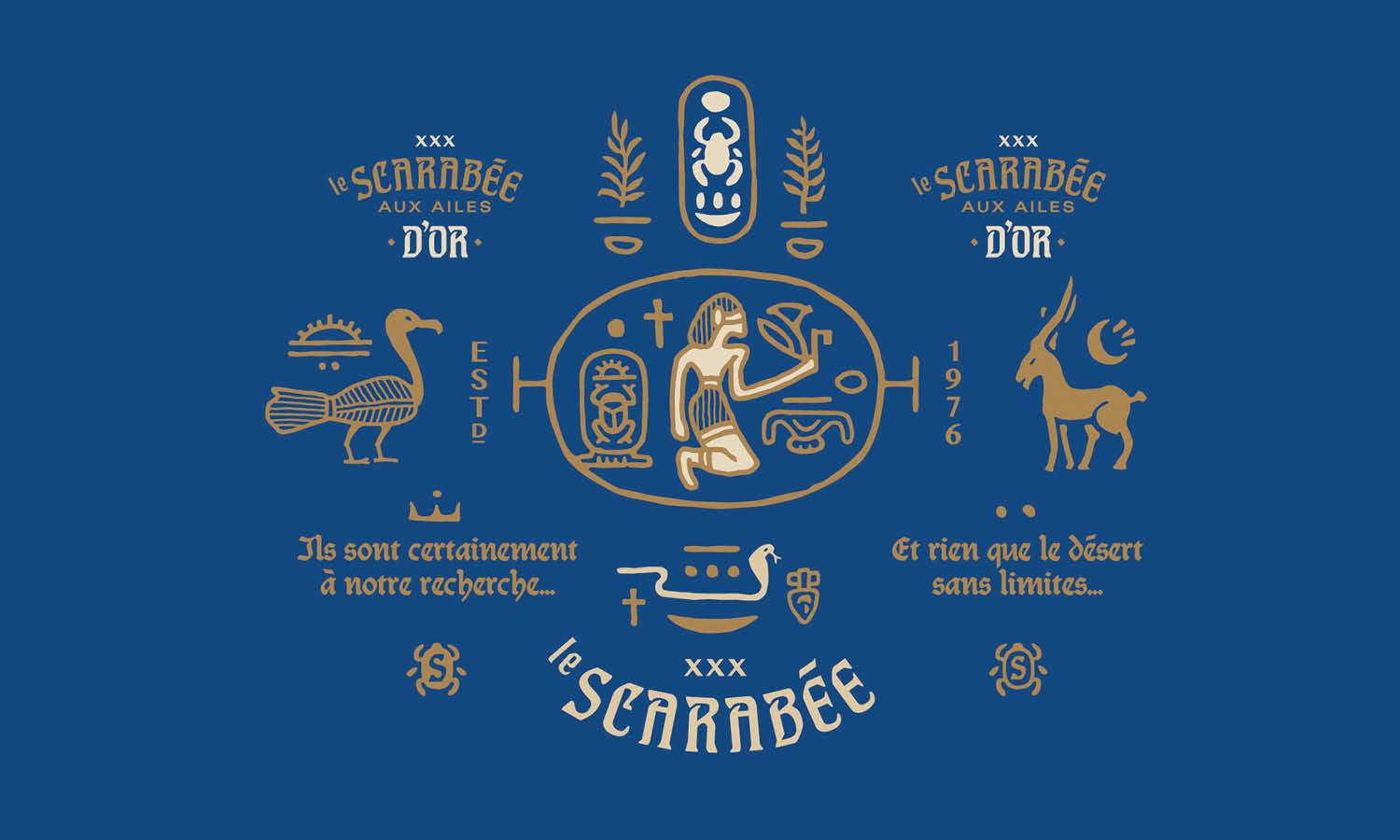
Source: Sara Mohamed Saad, The Egyptian Creativity, Behance, https://www.behance.net/gallery/212982099/The-Egyptian-Creativity-Visual-Identity

Source: Dalton Satterfield, World Foods Shirt Design, Dribbble, https://dribbble.com/shots/20529879-World-Foods-Shirt-Design

Source: Ikhwan Hakim, Greek Goddess, Dribbble, https://dribbble.com/shots/7345059-Greek-Goddess

Source: Dalton Satterfield, World Foods Circle Badge, Dribbble, https://dribbble.com/shots/20529861-World-Foods-Circle-Badge

Source: 90m813, Tiger School Food, Behance, https://www.behance.net/gallery/138736415/Branding-Tiger-school-food

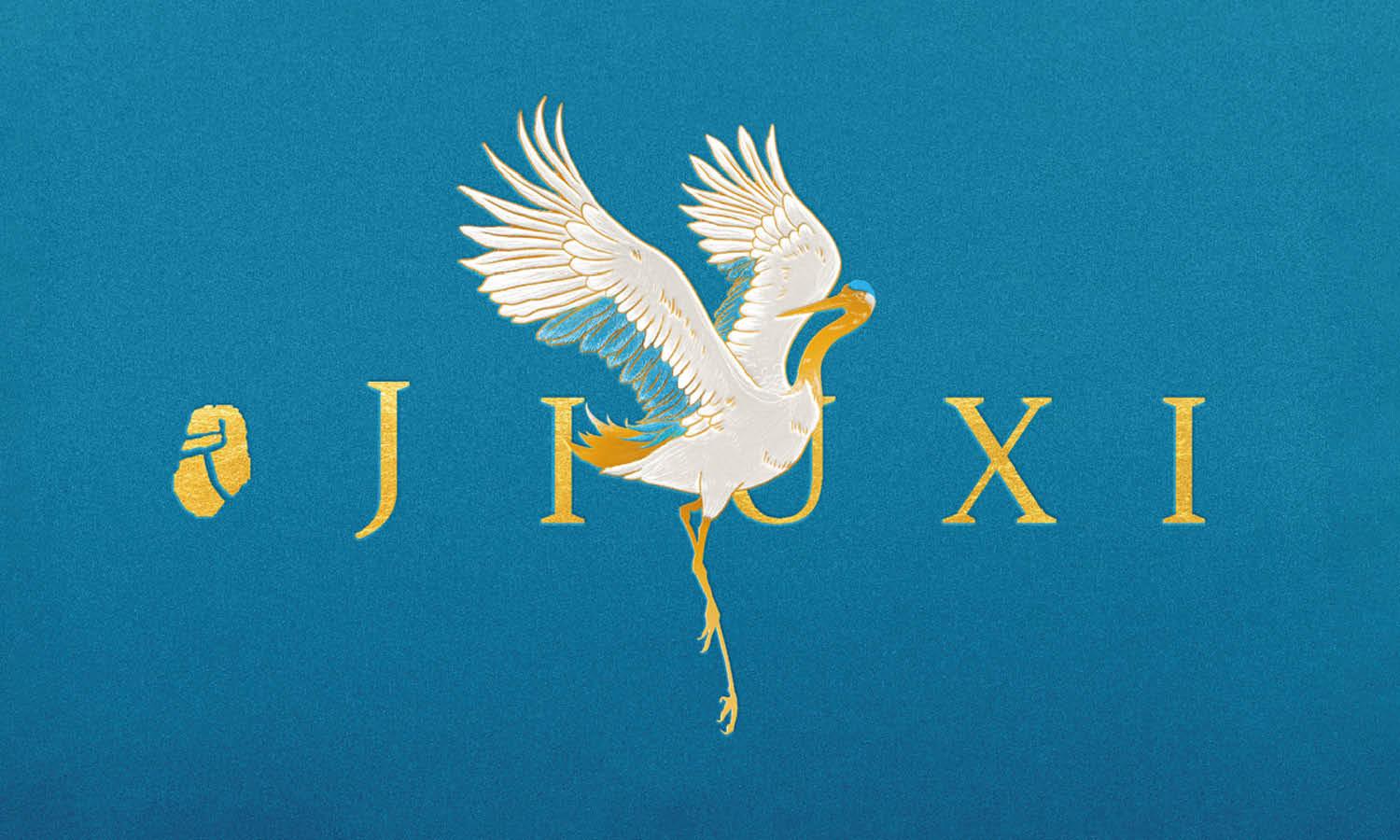
Source: Will Wang, Drawshine Cosmetic, Behance, https://www.behance.net/gallery/123402245/Brand-Design-DRAWSHINE-COSMETIC
Cultural Symbols and Heritage-Inspired Logo Ideas
Symbols often carry generations of meaning, making them powerful starting points for cultural identities. The key is to understand what a symbol represents before adapting it, especially when it has ceremonial, religious, or community-specific significance.
Traditional Emblem Logo
A crest, shield, seal, or ceremonial frame can give a logo a sense of history and authority. Simplifying the form keeps it usable while preserving the visual character that makes the reference recognizable.
Ancestral Symbol Logo
Ancestral marks can communicate lineage, continuity, and belonging. A designer can isolate one defining shape or recurring motif and rebuild it in a cleaner, more contemporary form.
Cultural Totem Logo
Animals, figures, and symbolic objects often appear in traditional storytelling. When culturally appropriate, these references can become bold icons with strong silhouettes and memorable proportions.
Heritage Seal Logo
Circular seals and stamped marks work well for brands connected to craft, food, hospitality, or regional products. They can combine a central symbol with dates, place names, or short lettering.
Sacred Geometry-Inspired Logo
Geometric systems can create balanced, elegant marks, but their original meaning matters. Rather than copying a sacred diagram directly, designers can study its structural logic and develop a distinct composition.
Festival Symbol Logo
Lanterns, masks, ribbons, costumes, drums, and ceremonial objects can suggest celebration and community. These are especially effective when the brand has a genuine connection to a festival or cultural event.
Traditional Patterns and Decorative Motifs
Patterns offer a rich visual vocabulary because they can communicate place, craft, and tradition without relying on a single literal icon. They also adapt well into borders, monograms, and geometric symbols.
Textile Pattern Logo
Weaving, embroidery, batik, tartan, and other textile traditions can inspire compact repeating forms. Choosing one motif and reducing its detail usually produces a stronger logo than reproducing an entire fabric pattern.
Mosaic-Inspired Logo
A mosaic concept uses small geometric pieces to form a larger symbol. It can suggest craftsmanship, history, and unity while giving the logo a modular look.
Tribal Pattern Logo
Documented indigenous or regional pattern systems can inspire distinctive geometry, but generic “tribal” styling should be avoided. Specific research helps ensure the design reflects a real source rather than a stereotype.
Folk Ornament Logo
Floral curls, symmetrical borders, vines, stars, and handcrafted decorations can give a logo warmth and character. These motifs work particularly well for cultural events, artisan goods, and heritage-focused brands.
Geometric Cultural Pattern Logo
Diamonds, circles, lines, and angular structures can be rearranged into a fresh symbol while still reflecting a regional design tradition. Repetition and symmetry help create visual rhythm.
Ceramic Motif Logo
Pottery, porcelain, tiles, and painted ceramics often feature recognizable decorative systems. A single flower, border element, or painted stroke can become a refined logo reference.
Architecture and Landmark-Inspired Cultural Logo Ideas
Architecture communicates cultural identity through shape, proportion, material, and silhouette. Instead of drawing an entire building, designers can extract one feature that immediately suggests a place or architectural tradition.
Traditional Roofline Logo
Distinctive roof shapes, domes, arches, and eaves can become simple line-based icons. Their strength comes from recognizable contours rather than fine architectural detail.
Historic Monument Logo
A monument can work as a visual anchor for destination brands, cultural organizations, and local businesses. Stylizing its most identifiable feature keeps the mark from becoming too illustrative.
Cultural Gateway Logo
Gates and ceremonial entrances naturally create symmetrical compositions. They can also communicate ideas of welcome, transition, and connection.
Traditional House Logo
Vernacular homes, cottages, huts, and regional dwellings can reflect local identity in a more personal way than famous landmarks. A strong roof, window, or structural profile may be enough.
Architectural Pattern Logo
Decorative screens, carved windows, columns, tiles, and façade details can become abstract symbols. This approach feels culturally rooted without turning the logo into a building illustration.
Skyline Heritage Logo
Combining several landmark silhouettes into one compact skyline can represent a city or region. Limiting the number of shapes helps the logo stay readable at smaller sizes.
Typography, Calligraphy, and Language-Based Ideas
Lettering can make culture part of the logo’s core structure rather than an added decoration. This approach is especially effective when the brand name itself has linguistic or historical significance.
Traditional Calligraphy Logo
Calligraphic lettering can express elegance, energy, craftsmanship, or ceremony depending on the tradition. Custom drawing is often more convincing than relying on a generic script font.
Native Script Wordmark
A wordmark built around a native or regional writing system can create a direct cultural connection. Accuracy, readability, and proper letter construction are essential.
Bilingual Logo
Two languages or scripts can share the same identity through careful hierarchy and spacing. This is useful for multicultural audiences, tourism brands, museums, restaurants, and international organizations.
Hand-Painted Signage Logo
Market signs, shopfront lettering, and hand-painted advertisements can inspire expressive typography. Imperfect strokes and irregular spacing can add character when they are intentionally controlled.
Historic Typeface-Inspired Logo
Letterforms associated with a specific era can create a strong period reference. The most effective versions borrow proportions and details while improving legibility for modern use.
Monogram With Cultural Details
Initials can be combined with small motifs, strokes, or pattern fragments. This creates a subtle cultural identity without making the reference overly literal.
Nature, Craft, and Everyday Cultural References
Not every cultural logo needs an ancient symbol or monument. Local plants, animals, landscapes, tools, food traditions, and everyday objects can communicate identity in a more approachable and contemporary way.
Native Plant Logo
Flowers, trees, leaves, herbs, and crops associated with a region can create elegant, organic marks. Their shapes can also carry local symbolism or seasonal meaning.
Regional Animal Logo
Wildlife tied to geography, folklore, or traditional stories can give a logo personality. A simplified silhouette usually works better than a highly detailed animal illustration.
Traditional Craft Tool Logo
Weaving tools, carving instruments, pottery tools, looms, or musical instruments can represent skill and continuity. These symbols are particularly fitting for artisan businesses and cultural workshops.
Cultural Food Symbol Logo
Utensils, ingredients, vessels, and traditional dishes can create instantly relatable identities for restaurants, food brands, and culinary events. The strongest concepts focus on one recognizable feature.
Landscape Heritage Logo
Mountains, rivers, coastlines, deserts, and valleys can express regional identity without relying on man-made symbols. Simple horizon lines and layered shapes often provide enough visual distinction.
Contemporary Cultural Fusion Logo
This direction combines traditional references with modern geometry, clean typography, or minimal forms. It works well for brands that want to feel culturally grounded without appearing historical or nostalgic.
How to Develop Cultural Logo Ideas Respectfully
A culturally inspired logo becomes stronger when the designer understands the source material instead of treating it as visual decoration. Research helps determine which references are appropriate, which require permission, and which carry meanings that may not be obvious to outsiders.
Research the Cultural Context
Study the history, symbolism, region, community, and intended use behind any motif. Reliable references are more valuable than image searches alone because they explain why a symbol matters.
Distinguish Inspiration From Imitation
A logo should interpret rather than duplicate. Reworking structure, proportions, rhythm, or visual principles gives the design originality while reducing the risk of copying culturally significant artwork.
Simplify Without Removing Meaning
Complex patterns often need reduction for logo use. Keep the features that make the source recognizable, but remove details that disappear at small sizes or distract from the main form.
Consider the Intended Audience
A symbol may be interpreted differently by local communities, tourists, international customers, or diaspora audiences. Testing the concept with people who understand the culture can reveal issues that research alone may miss.
Test the Logo Across Applications
Patterns, scripts, and intricate forms should remain clear on websites, packaging, signage, social media, and small icons. A culturally rich idea still needs practical versatility.
Frequently Asked Questions
What Makes a Cultural Logo Feel Authentic?
Authenticity comes from relevance, research, and accurate visual references. A logo feels more convincing when its symbols, patterns, lettering, or colors connect naturally to the brand’s cultural context rather than being added only for decoration. Thoughtful interpretation usually feels stronger than combining several obvious motifs at once.
Can Traditional Symbols Be Used in Modern Logo Design?
Yes, when their meaning and usage are properly understood. Designers can simplify or reinterpret traditional forms for contemporary applications, but some symbols may be sacred, restricted, or community-owned. Researching their context before use helps determine whether adaptation is appropriate.
How Can Designers Avoid Cultural Appropriation in Logo Design?
Start with specific research instead of generalized visual stereotypes. Understand who created the source imagery, what it means, and whether it is appropriate for commercial use. When a project depends heavily on a living cultural tradition, consultation with knowledgeable community members can also provide valuable guidance.
Should a Cultural Logo Use Traditional Colors?
Not necessarily. Traditional color associations can strengthen cultural meaning, but the palette should also fit the brand and its intended applications. A modern or restrained color system can work just as well if the cultural reference is already clear through shape, typography, or pattern.
How Much Detail Should a Cultural Logo Include?
Only enough detail to preserve the idea and cultural character. Intricate motifs may look beautiful at large sizes but become unclear when reduced. Simplifying repeated lines, decorative borders, and fine ornamentation usually makes the logo more flexible without removing its identity.
Conclusion
Cultural identity can inspire logos through symbols, patterns, architecture, lettering, nature, craft, and everyday traditions. The most successful cultural logo design ideas connect those references to the brand instead of using them as surface decoration. A designer may begin with a historic motif, a native plant, a regional structure, or a familiar craft tool, but the final mark should still feel original and functional. Careful research, selective simplification, and awareness of cultural meaning make it possible to create logos that feel contemporary while respecting the traditions that inspired them.
Let Us Know What You Think!
Every information you read here are written and curated by Kreafolk's team, carefully pieced together with our creative community in mind. Did you enjoy our contents? Leave a comment below and share your thoughts. Cheers to more creative articles and inspirations!
Related Articles





Leave a Comment