
10 Tips To Create A Good Abstract Logo Design

Source: Tornike Uchava, Dribbble, https://dribbble.com/shots/18088327-rotating-arcs
An abstract logo design gives brands the freedom to communicate ideas without relying on obvious symbols or literal illustrations. Instead of showing exactly what a company sells or does, abstract logos use shapes, forms, movement, and visual relationships to create meaning. This flexibility is one reason many successful brands use abstract marks as a core part of their visual identity. A well-designed abstract logo can feel distinctive, modern, and adaptable across many applications. However, creating a successful abstract logo is often more challenging than creating a literal one. Without recognizable objects to guide viewers, every design decision becomes more important. Shapes must feel intentional, proportions must work together, and the overall mark must communicate something meaningful about the brand. If the design lacks purpose, it can easily appear random or confusing. The following tips focus on practical ways to create an abstract logo design that is clear, memorable, and effective while maintaining the creative freedom that makes abstract logos so appealing.
Understand The Message Before Creating Shapes
Many designers jump directly into sketching shapes when starting an abstract logo design. While experimentation can be valuable, the strongest concepts usually begin with a clear understanding of what the brand wants to communicate. A logo should represent an idea, feeling, or characteristic rather than simply look visually interesting.
Define The Core Brand Personality
Before drawing anything, identify the personality traits that define the brand. Some brands want to appear innovative and forward-thinking, while others emphasize trust, creativity, energy, or sophistication. These qualities should influence the style and structure of the logo. Sharp angles may communicate precision, while flowing curves may suggest friendliness or movement.
Identify The Main Idea To Communicate
Focus on one primary message instead of trying to represent everything at once. A single strong concept often creates a more memorable logo than multiple competing ideas. When every shape supports the same message, the design feels intentional and easier for audiences to understand.
Simplify Complex Ideas Into One Visual Concept
Brands often have many values, goals, and selling points. The challenge is turning those complex ideas into one clear visual concept. Abstract logo design works best when it communicates a focused idea rather than attempting to tell an entire brand story within a single mark.
Focus On One Dominant Theme
Choose the strongest concept and build around it. A company that values collaboration may focus on connection, while a business centered on progress may emphasize motion or growth. Narrowing the focus creates a stronger foundation for design decisions.
Remove Unnecessary Symbolism
Not every brand attribute needs a visual representation. Trying to include too many messages often creates clutter and confusion. By removing secondary ideas, you allow the primary concept to stand out. Simplicity makes abstract logos easier to recognize, understand, and remember. A focused concept also helps the logo remain effective across different contexts and future brand developments.
Build Strong Shape Relationships
Because abstract logos rely heavily on shapes rather than recognizable objects, the relationships between visual elements become especially important. How shapes interact can influence the meaning, balance, and overall impression of the design.
Use Balance And Proportion
Well-balanced shapes create a sense of professionalism and stability. Consider how large and small elements interact, how visual weight is distributed, and whether the composition feels comfortable to view. Good proportion helps the logo feel refined rather than accidental.
Create Intentional Shape Connections
Every shape should have a reason for existing. Connections between elements can suggest movement, unity, growth, or structure. Overlapping forms may communicate collaboration, while repeated shapes can reinforce consistency. Thoughtful relationships help viewers see the logo as one cohesive idea rather than a collection of unrelated parts. Strong shape relationships often separate professional abstract logos from designs that feel random or unfinished.

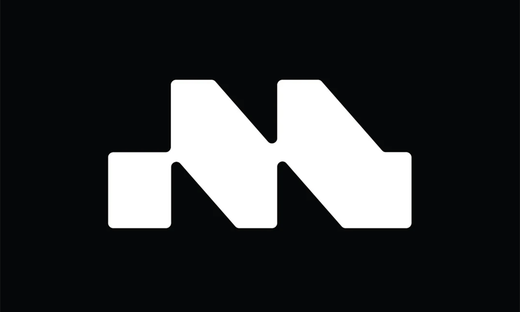
Source: Aine, Dribbble, https://dribbble.com/shots/18583279-Abstract-Logo-Desig
Use Negative Space With Purpose
Negative space can transform a simple abstract logo design into something more memorable and engaging. When used effectively, it creates visual interest without adding unnecessary complexity. Rather than filling every area with shapes, designers can use empty space as an active design element.
Reveal Secondary Meanings Subtly
A clever use of negative space can suggest an additional idea or reinforce the primary concept. These discoveries often create memorable moments because viewers feel rewarded when they notice them. However, the hidden element should remain secondary to the overall design.
Keep The Design Easy To Recognize
Negative space should improve clarity, not reduce it. If viewers struggle to understand the primary shape because the hidden element is too dominant, the design loses effectiveness. The logo should remain recognizable at a glance, with any secondary meanings serving as an added benefit rather than the main attraction.
Choose A Distinctive Visual Style
Many abstract logos use circles, triangles, geometric grids, and flowing curves. While these elements can be effective, relying too heavily on common design trends can make a logo blend into the crowd. A distinctive visual style helps create stronger brand recognition.
Explore Unique Geometry
Experiment with unexpected proportions, angles, spacing, and structural arrangements. Small changes can dramatically alter how a logo feels. Distinctive geometry often helps a logo stand apart even when using familiar design principles.
Avoid Generic Design Patterns
Many industries become saturated with similar-looking logos because designers follow current trends too closely. Instead of copying popular visual styles, focus on what makes the brand unique. Building a custom visual language often creates a stronger and more enduring identity. A logo that feels original is more likely to remain relevant long after design trends change.
Limit The Number Of Design Elements
One of the most effective ways to improve an abstract logo design is to remove unnecessary elements. Many logos become weaker because designers continue adding details rather than refining what already works.
Reduce Visual Clutter
Each line, shape, and visual feature should contribute to the concept. Elements that do not improve communication often create distractions. Removing excess details helps viewers focus on the most important aspects of the design.
Strengthen Recognition
Simple logos are generally easier to recognize and remember. When viewers can quickly process the design, they are more likely to retain it in memory. Limiting elements also improves versatility, allowing the logo to perform better across digital and print applications. Simplicity is not about making a logo plain; it is about making every design decision purposeful.
Test The Logo At Different Sizes
A logo may look excellent on a large design board but perform poorly when reduced to a social media icon or mobile application. Testing different sizes is essential during the development process.
Check Small Applications
Reduce the logo to very small dimensions and examine whether important details remain visible. Thin lines, small gaps, and intricate features may disappear, weakening the design. Adjustments at this stage can prevent future usability problems.
Verify Large-Format Performance
Large-scale applications reveal different issues. Spacing inconsistencies, awkward proportions, or overly empty areas may become more noticeable when the logo is enlarged. Testing across multiple sizes helps ensure consistency and quality. A successful abstract logo design should maintain its visual impact whether it appears on a business card, website, product packaging, or billboard.

Source: Gennady Savinov, Dribbble, https://dribbble.com/shots/16535680-Distant-Echo-Logo
Use Color To Support The Shape
Color can add personality and emotional impact to a logo, but it should never be used to compensate for weak structure. Strong abstract logos remain effective even when viewed in a single color.
Prioritize Shape First
Begin by evaluating the logo in black and white. If the concept works without color, it will often remain effective in a wider range of applications. This approach ensures that shape remains the primary communication tool.
Select Meaningful Color Combinations
Once the structure is established, choose colors that support the brand message. Bright colors may communicate energy and creativity, while muted palettes can suggest sophistication or stability. Color should enhance the concept rather than distract from it. A carefully selected palette strengthens recognition and helps create a more cohesive visual identity.
Make The Design Memorable Rather Than Literal
One of the greatest strengths of abstract logo design is its ability to create lasting impressions without directly illustrating products or services. Memorable logos often rely on distinctive forms rather than obvious representations.
Create Visual Curiosity
Interesting shapes encourage viewers to spend a little more time examining the design. This additional attention can increase recall and make the logo feel more engaging. Curiosity helps create stronger visual connections between audiences and brands.
Encourage Brand Recognition Over Time
Abstract logos often become more meaningful as people interact with a brand repeatedly. Rather than explaining everything immediately, they create associations through consistent exposure. A unique and recognizable shape can eventually become one of a brand's most valuable assets. Focusing on memorability rather than literal representation often leads to more flexible and enduring design solutions.
Refine Through Multiple Iterations
Very few successful logos emerge fully developed from a first sketch. Refinement is a critical part of the design process and often determines whether a logo feels average or exceptional.
Compare Different Versions
Create multiple variations and examine how each one communicates the intended message. Small adjustments to spacing, proportions, and shape relationships can significantly improve the final result. Comparing alternatives helps identify the strongest direction.
Remove Anything That Does Not Add Value
As the design evolves, continually question every element. If a feature does not improve communication, recognition, or visual appeal, consider removing it. Refinement is often a process of subtraction rather than addition. The goal is to create the clearest possible expression of the concept. Careful iteration helps transform promising ideas into polished, professional logos.
Frequently Asked Questions About Abstract Logo Design
How Can You Tell If an Abstract Logo Fits a Brand?
An abstract logo fits best when a brand wants to express qualities such as innovation, movement, connection, or flexibility without showing a specific product. Before choosing this direction, consider whether the intended audience can form a meaningful association with the symbol through the brand’s messaging and repeated use.
Should an Abstract Logo Include the Brand Name?
Including the brand name can help audiences connect an unfamiliar symbol with the company, especially during the early stages of brand recognition. Designers can create a combination version for general use and a symbol-only variation for smaller applications once the abstract mark becomes more familiar to customers.
How Can Designers Evaluate an Abstract Logo Before Launch?
Show the logo to people who match the brand’s target audience without explaining the concept first. Ask what qualities, emotions, or ideas the design suggests rather than whether they simply like it. Their responses can reveal whether the intended message feels clear, misleading, or too dependent on explanation.
Can an Abstract Logo Be Legally Protected?
A distinctive abstract mark may be eligible for trademark protection, but generic shapes and common geometric arrangements can be difficult to claim exclusively. Before launching the identity, conduct a trademark search for visually similar marks and consult a qualified legal professional about registration requirements in the relevant markets.
How Many Logo Variations Should a Brand Prepare?
A practical abstract logo system typically includes primary, horizontal, stacked, symbol-only, monochrome, and reversed versions. Preparing these variations helps the identity remain consistent across websites, social profiles, packaging, signage, and merchandise. Each version should preserve the same core shape relationships rather than introducing a noticeably different concept.
Conclusion
Creating a successful abstract logo design requires a balance of creativity and strategic thinking. The strongest abstract logos are built around clear ideas, simplified concepts, purposeful shape relationships, and thoughtful refinement. Rather than relying on random forms or visual trends, they use every element to support a specific message and create a memorable impression. Paying attention to negative space, scalability, color usage, and simplicity can significantly improve the effectiveness of a design. By approaching the process with intention and continuously refining your ideas, you can create an abstract logo that feels distinctive, meaningful, and adaptable while supporting a brand's identity for years to come.
Let Us Know What You Think!
Every information you read here are written and curated by Kreafolk's team, carefully pieced together with our creative community in mind. Did you enjoy our contents? Leave a comment below and share your thoughts. Cheers to more creative articles and inspirations!
Related Articles





Leave a Comment