
10 Tips To Create A Good Travel Logo Design
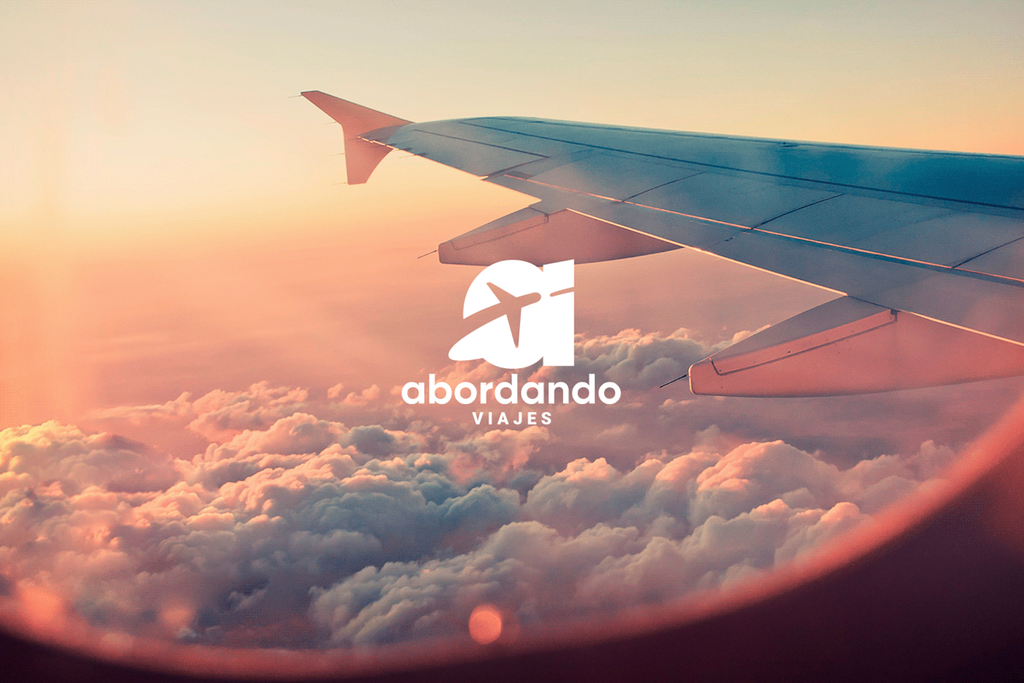
Source: Ártico Estudio, Behance, https://www.behance.net/gallery/92587245/Abordando-Viajes-Branding-Social-Media
A logo is often the first thing people notice about a travel brand. Long before someone books a tour, browses destinations, or compares vacation packages, they begin forming an impression through visual identity. A thoughtful travel logo design helps communicate trust, excitement, professionalism, and the type of journeys your business offers. It acts as the face of your brand across websites, social media, business cards, brochures, travel merchandise, and countless other touchpoints. Creating a memorable travel logo design requires more than combining attractive colors with familiar travel symbols. Every design decision should reinforce your brand's personality while remaining easy to recognize in different sizes and formats. A successful logo balances creativity with simplicity, helping travelers remember your business long after they first discover it. By focusing on strategic design choices instead of temporary trends, you can create a logo that supports long-term brand recognition and appeals to the audience you want to reach. The following tips provide practical guidance for building a travel logo that feels distinctive, versatile, and meaningful.
Understand The Purpose Of A Travel Logo Design
Before opening design software or sketching concepts, determine what your logo should accomplish. Every effective travel logo design represents your business values, communicates your personality, and creates expectations about the experiences customers will receive. A logo without a clear purpose may look attractive, but it rarely builds a lasting connection with potential travelers.
Define Your Brand's Travel Niche
The travel industry includes many specialized markets, from luxury vacations and cruise packages to adventure expeditions, eco-tourism, cultural experiences, and family holidays. Your logo should reflect the niche you serve rather than trying to appeal to every type of traveler. A premium travel agency might benefit from elegant typography and refined colors, while an adventure company may use bold graphics and energetic visual elements.
Identify The Audience You Want To Attract
Think carefully about the people most likely to choose your services. Young backpackers, honeymoon couples, retirees, business travelers, and families all respond to different visual styles. Understanding your audience allows you to create a logo that immediately feels relevant, welcoming, and aligned with their travel goals. When people recognize that your brand understands their interests, they are more likely to remember and trust it.
Research The Travel Industry Before Designing
Strong logos rarely happen by accident. Spending time researching the travel market helps you understand existing visual trends while revealing opportunities to create something more distinctive. Good research provides inspiration without encouraging imitation, allowing your logo to feel familiar enough for the industry while maintaining its own identity.
Study Competitors Without Copying
Look at travel agencies, airlines, tour companies, hotels, travel blogs, and destination brands that serve a similar audience. Pay attention to recurring colors, typography, symbols, and layouts. This research helps you recognize common visual patterns while avoiding designs that resemble competitors too closely. Standing out becomes much easier when you understand what already exists.
Find A Unique Brand Position
Every travel business has something that makes it different. Perhaps you focus on personalized itineraries, sustainable tourism, luxury escapes, hidden destinations, or affordable adventures. Identify that unique quality and allow it to influence your logo. A distinctive brand position creates opportunities for more original design concepts that customers can easily associate with your business.
Choose Colors That Reflect Travel Experiences
Color shapes emotional responses long before customers read your company name. Choosing the right palette can instantly suggest relaxation, adventure, trust, excitement, or sophistication. An effective travel logo design uses color intentionally to reinforce the experiences your brand promises. Blue remains a popular choice because it represents oceans, skies, stability, and reliability. Green communicates nature, eco-tourism, and outdoor exploration, while yellow and orange suggest sunshine, warmth, optimism, and energy. Darker tones may suit luxury travel brands by creating a sense of elegance and exclusivity. Limit your primary palette to a few complementary colors instead of combining numerous shades. A restrained color scheme improves recognition, simplifies printing, and helps maintain consistency across digital platforms, promotional materials, and merchandise.

Source: Bravo, Behance, https://www.behance.net/gallery/128852645/Book-Cabin
Select Fonts That Match Your Brand Personality
Typography influences how travelers perceive your business just as much as symbols or colors. The right font strengthens your message, while an unsuitable one creates confusion or weakens your visual identity. Every letter should contribute to the overall personality of your travel logo design. Modern sans-serif fonts communicate simplicity, accessibility, and contemporary travel experiences. Serif fonts often feel established, sophisticated, and dependable, making them suitable for luxury agencies or premium tour operators. Handwritten or script styles can introduce warmth and personality for boutique travel businesses when used carefully. Regardless of style, readability should remain the highest priority.
Use Travel-Inspired Symbols With Purpose
Visual symbols help people recognize what your business represents, but they should do more than simply identify the travel industry. Every graphic element in your travel logo design should reinforce your brand story instead of serving as generic decoration. A carefully chosen symbol makes your logo more memorable and gives customers another visual cue to associate with your business.
Keep Visual Elements Relevant
Select icons or illustrations that naturally support your services. Mountains, waves, forests, winding roads, wildlife, compasses, luggage, or abstract landscapes may all communicate different types of travel experiences. Instead of adding multiple unrelated graphics, focus on one strong concept that clearly reflects your niche. A logo built around meaningful symbolism often feels more authentic than one filled with decorative details.
Avoid Overused Travel Icons
Airplanes, globes, and location pins appear in countless travel logos. While these symbols instantly communicate travel, relying on them alone can make your brand blend into a crowded market. Consider combining familiar ideas with unique shapes or creating custom illustrations that reflect your company's personality.
Keep The Design Simple And Memorable
One of the most valuable characteristics of an effective logo is simplicity. A clean travel logo design is easier to recognize, remember, reproduce, and adapt across different marketing materials. Adding too many visual elements often weakens the message instead of making it more impressive. Avoid overcrowding the design with excessive icons, complicated illustrations, decorative typography, or unnecessary effects. Every additional detail competes for attention, making the logo harder to understand at a glance. Travelers often encounter logos briefly while browsing websites or social media, so immediate recognition is essential.
Design For Different Sizes And Applications
Your logo will appear in many places beyond a website header. A successful travel logo design should remain effective on business cards, brochures, booking platforms, social media profiles, merchandise, uniforms, signage, and promotional products. Designing with versatility in mind prevents future branding problems.
Ensure Strong Digital Performance
Digital platforms often display logos at very small sizes. Test your design as a website favicon, mobile app icon, profile image, and email signature. Text should remain readable, symbols should stay recognizable, and important details should not disappear. Creating simplified logo variations can improve performance in limited spaces.
Test Print And Merchandise Compatibility
Printed materials introduce different technical requirements. Large banners, travel brochures, luggage tags, notebooks, apparel, and souvenirs all require artwork that scales without losing quality. Designing with vector graphics ensures sharp results regardless of size. Also consider how your logo appears in black and white, since some promotional materials may not support full color printing.

Source: Simon Hüsler, Behance, https://www.behance.net/gallery/51263877/Go-Honduras-Go-Bananas
Create A Balanced Logo Composition
Even strong colors and beautiful typography cannot compensate for poor composition. A balanced travel logo design guides the viewer's eye naturally while creating a polished, professional appearance. Every element should feel intentionally placed rather than randomly assembled.
Maintain Visual Harmony
Balance involves more than symmetry. Pay attention to spacing, alignment, proportions, and the relationship between text and graphics. If one element dominates the composition unnecessarily, the overall logo may feel awkward or difficult to interpret. Consistent spacing improves readability while giving the design room to breathe.
Prioritize Scalability
A balanced layout should remain attractive regardless of size. Before finalizing your design, test it at both very small and very large dimensions. If important elements become crowded or difficult to distinguish, simplify the composition until every part remains clear. A scalable logo supports your brand across countless applications without sacrificing visual quality.
Build A Timeless Travel Logo Design
Design trends come and go, but your logo should remain relevant for many years. A timeless travel logo design helps build lasting brand recognition while reducing the need for frequent redesigns. Although modern trends can provide inspiration, they should never become the foundation of your visual identity. Instead, focus on principles that continue to work regardless of changing styles. Avoid relying heavily on trendy gradients, fashionable typography, or visual effects that may quickly feel outdated. Clean lines, balanced proportions, and well-considered color choices generally age much better than designs built around temporary trends. A timeless logo also creates consistency as your business expands into new destinations, services, or marketing channels.
Gather Feedback And Refine The Design
Even experienced designers benefit from outside perspectives. After spending hours developing a concept, it becomes difficult to notice weaknesses or unclear visual choices. Gathering thoughtful feedback allows you to improve your travel logo design before introducing it to customers. Share several logo concepts with colleagues, trusted clients, or people who closely match your target audience. Ask specific questions rather than requesting general opinions. For example, find out what emotions the logo creates, whether it immediately feels connected to travel, and if the design is easy to remember after only a brief glance. Pay close attention to recurring comments instead of reacting to every individual preference.
Conclusion
Creating a memorable travel logo design involves much more than selecting attractive colors or recognizable travel icons. Every decision, from defining your audience and researching competitors to choosing typography, refining composition, and maintaining brand consistency, contributes to a logo that represents your business with confidence. Keeping the design simple, versatile, and timeless ensures it performs well across both digital and printed materials while remaining recognizable for years to come. By applying these ten practical tips, you can develop a logo that captures your brand's personality, inspires trust, and leaves travelers with a strong first impression before their journey even begins.
Let Us Know What You Think!
Every information you read here are written and curated by Kreafolk's team, carefully pieced together with our creative community in mind. Did you enjoy our contents? Leave a comment below and share your thoughts. Cheers to more creative articles and inspirations!
Related Articles








Leave a Comment