
10 Tips to Create a Good Team Logo Design

Source: Zoltán Szüts, Behance, https://www.behance.net/gallery/114615589/UJPEST-FC-Rebranding
A great logo gives a team an identity that people can recognize and members can proudly represent. It is more than a graphic placed on uniforms or social media profiles—it reflects shared values, goals, and personality. A thoughtful team for logo design process helps transform ideas into a visual identity that feels authentic and memorable. Whether you are creating a logo for a sports team, workplace group, school organization, or community club, the best results come from careful planning rather than rushing into design. This guide shares ten practical tips that focus on building a logo with purpose, clarity, and long-term appeal. Each recommendation will help you make smarter design decisions so your team logo remains meaningful, versatile, and easy to recognize wherever it appears.
Understand Your Team's Identity And Purpose
Every successful logo begins with a clear understanding of the people it represents. Before choosing colors, fonts, or symbols, spend time defining what makes your team unique. A logo should communicate your identity instead of simply looking attractive.
Define Core Values
Think about the qualities your team wants others to recognize immediately. Your values might include teamwork, determination, creativity, professionalism, innovation, or community involvement. These characteristics provide direction for every design choice that follows.
Identify Your Team's Personality
Every team has its own personality. Some are serious and disciplined, while others are playful, modern, or adventurous. Your logo should match that personality instead of sending mixed messages.
Ask questions such as:
- What makes our team different?
- How do we want people to remember us?
- What emotions should our logo create?
Answering these questions creates a stronger creative direction and helps every design element work together toward the same goal.
Keep The Design Simple And Memorable
Simple logos are often the easiest to recognize and remember. They remain clear at different sizes and continue to look professional across a wide range of materials. While it may be tempting to include numerous details, complex designs often lose clarity when viewed from a distance or displayed in smaller formats. Focus on one central concept instead of combining multiple unrelated ideas. A clean symbol, balanced typography, and a limited number of visual elements usually create a stronger impression than an overcrowded composition.
Choose Colors That Represent Your Team
Color is one of the first things people notice about a logo. The right palette helps communicate your team's personality while making the design more recognizable. Instead of selecting colors simply because they look attractive, choose shades that reinforce the image your team wants to project.
Match Colors To Your Team Culture
Different colors naturally create different impressions. Bold reds and oranges often suggest energy and determination, while blues communicate trust and reliability. Greens can represent growth or community, and black often conveys strength and confidence. Consider your team's mission and audience when selecting colors.
Limit The Color Palette
Using too many colors can make a logo appear cluttered and inconsistent. A palette of two or three primary colors is usually enough to create visual interest while maintaining a clean appearance. A limited color scheme is also easier to reproduce on uniforms, promotional products, websites, presentations, and printed materials.

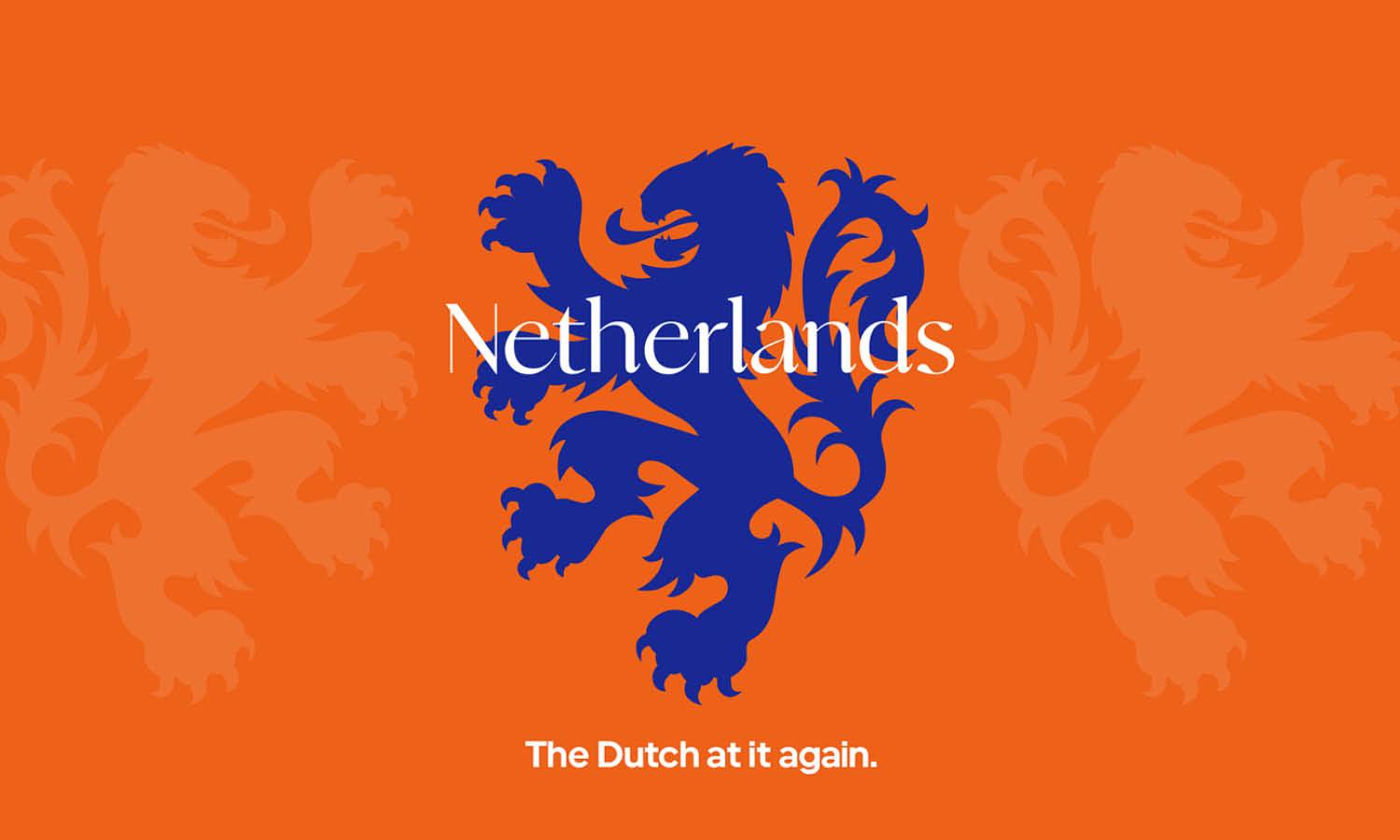
Source: Arkan Gahramy, Behance, https://www.behance.net/gallery/129723613/Netherlands-National-Football-Team-2023
Select Typography That Matches The Brand
Typography does more than display your team's name. The style of your lettering influences how people perceive your identity before they even read the words. Choosing an appropriate typeface helps create a logo that feels balanced and purposeful. A bold sans serif font often communicates confidence and modernity, while a serif typeface can suggest tradition and credibility. Script or handwritten fonts may work for creative teams but can reduce readability if used excessively. The goal is to find a style that reflects your team's personality without sacrificing clarity.
Use Meaningful Symbols Instead Of Random Graphics
Symbols can make a logo more memorable, but only when they support your team's identity. Adding decorative graphics without a clear purpose often weakens the overall design. Every visual element should contribute to the story your team wants to tell.
Focus On Relevant Imagery
Choose icons or illustrations that connect naturally with your team's mission, values, or activities. A mountain may represent perseverance for an outdoor club, while a shield could symbolize unity and protection for a competitive team. Even abstract shapes can be effective when they reflect movement, collaboration, or progress. Before adding a symbol, ask whether it reinforces your message or simply fills empty space. Keeping this mindset throughout the team for logo design process leads to a logo with greater meaning and stronger visual impact.
Avoid Overused Icons
Popular symbols such as generic stars, crowns, flames, or wings can make a logo blend in with countless others. While these elements are not always inappropriate, relying on them without adding a unique twist reduces originality. Look for ways to personalize familiar concepts or create custom graphics that better represent your team's identity. A distinctive symbol helps your logo stand apart while giving members something they can proudly associate with for years.
Design For Different Sizes And Platforms
A team logo should perform well wherever it appears. It may be printed on jerseys, displayed on social media, embroidered on hats, or included in presentations and promotional materials. A design that looks excellent in one place but loses clarity elsewhere will limit its effectiveness. Start by testing the logo at both large and small sizes. Fine details, thin lines, or tiny text may disappear when the logo is reduced to a profile picture or small badge. Simplifying these elements improves visibility without changing the overall identity. Also consider different backgrounds and production methods. Your logo should remain recognizable on light and dark surfaces, as well as in digital and printed formats. Creating versions for horizontal, vertical, and square layouts can also improve flexibility.
Balance Creativity With Timeless Appeal
Creative ideas can make a logo more distinctive, but lasting designs avoid depending on short-lived trends. Effects that feel modern today may quickly become outdated, forcing your team to redesign its identity sooner than expected. A timeless logo continues to look relevant even as design styles change. Focus on strong fundamentals instead of visual gimmicks. Clean shapes, balanced proportions, and thoughtful color choices usually age better than heavy gradients, excessive effects, or trendy typography. This approach allows your logo to evolve gradually rather than requiring a complete replacement.

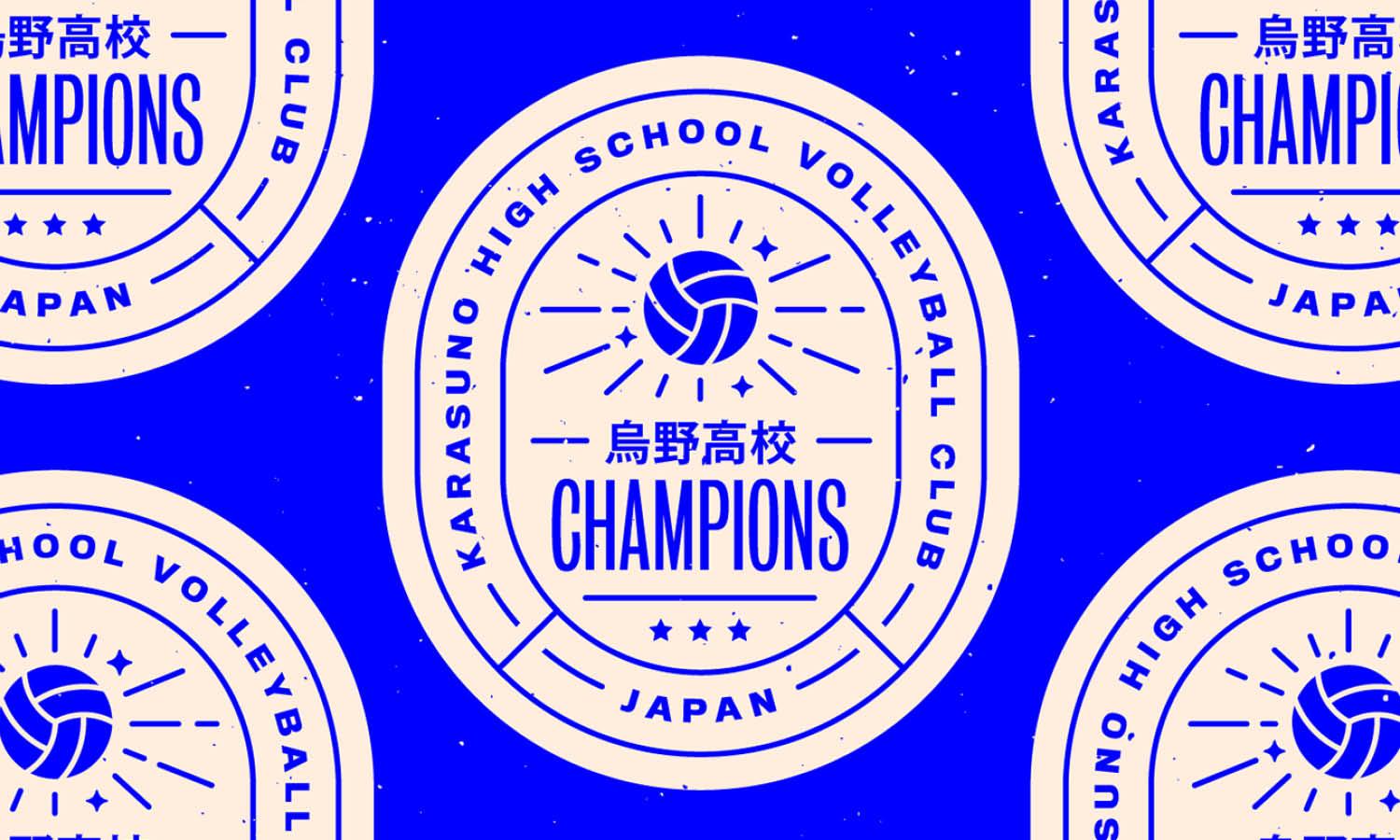
Source: NightShift Nest, Behance, https://www.behance.net/gallery/117228605/Ratchaburi-Mitr-Phol-FC-Rebranding
Gather Feedback From Team Members
A logo represents everyone on the team, so gathering feedback before finalizing the design is an important step. Different perspectives can reveal strengths, weaknesses, or practical concerns that may not be obvious to the designer alone. Involving team members also encourages a greater sense of ownership and pride in the finished result. Share one or two polished concepts rather than presenting too many options. Ask focused questions about readability, color choices, symbolism, and overall impression instead of simply asking which version people prefer. Specific feedback often produces more useful suggestions.
Test The Logo Before Finalizing It
Testing your logo before approving the final version helps uncover small issues that are much easier to fix early. A design may look impressive on a computer screen but perform differently when printed, embroidered, or displayed on various digital platforms. Taking time to review real-world applications ensures the logo is ready for everyday use.
Review Multiple Backgrounds
Place the logo on light, dark, textured, and colored backgrounds to see how well it stands out. Some color combinations may lose contrast, while certain details can become difficult to distinguish. Making small adjustments now improves visibility across a wider range of materials.
Check Black-And-White Versions
Not every application allows full color. Documents, promotional products, or specialty printing methods may require a single-color logo. Test the design in black and white to confirm that the shapes remain recognizable without relying on color alone.
Create Clear Logo Usage Guidelines
Designing a great logo is only part of the process. Maintaining a consistent appearance is equally important as your team grows and uses the logo across different platforms. Simple logo guidelines help everyone present the same professional identity.
Define Color And Spacing Rules
Document the official color palette, minimum clear space, and preferred logo sizes. These standards prevent accidental changes that can weaken recognition or make the logo appear inconsistent. Even basic guidelines help maintain a polished visual identity.
Prepare Multiple Logo Variations
Create practical versions for different situations, such as full-color, one-color, horizontal, vertical, and icon-only formats. Having these variations available makes it easier to apply the logo correctly without redesigning it for every new project.
Conclusion
Your team logo should give people an immediate sense of who you are before a single word is spoken. It doesn't need elaborate graphics or countless design elements to leave a lasting impression. The strongest identities often come from clear thinking, thoughtful decisions, and a design that stays true to the team's character. If every visual choice supports the same message, the logo becomes more than a badge—it becomes something members proudly wear, share, and recognize wherever the team appears. That's what turns a simple design into a lasting part of your team's identity.
Let Us Know What You Think!
Every information you read here are written and curated by Kreafolk's team, carefully pieced together with our creative community in mind. Did you enjoy our contents? Leave a comment below and share your thoughts. Cheers to more creative articles and inspirations!
Related Articles







Leave a Comment