
10 Tips To Create A Good Numerical Logo Design

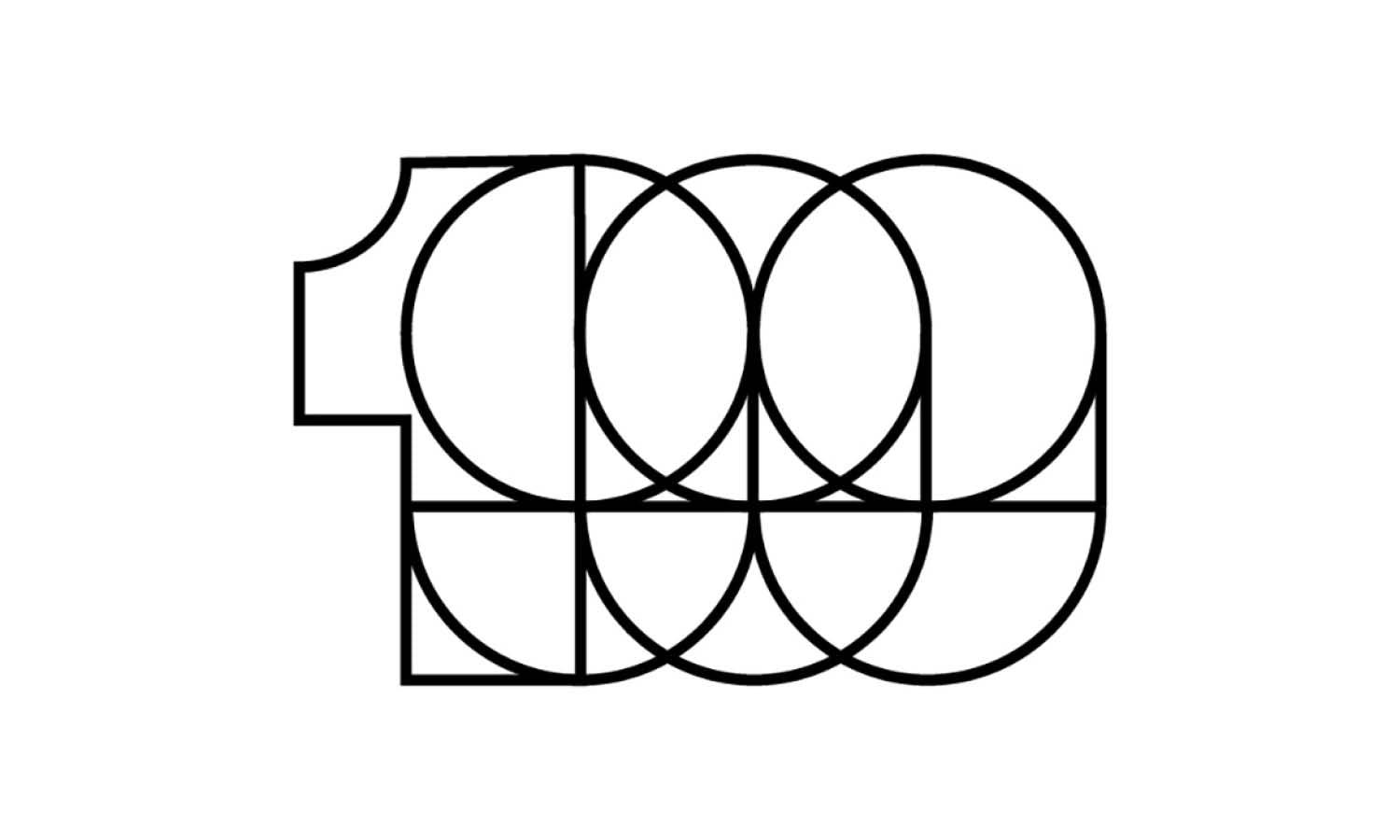
Source: Guga Bigvava, Behance, https://www.behance.net/gallery/85862175/Logo-Design-Numbers
Numbers often carry meaning long before they appear in a logo. They can represent an important year, a lucky number, a jersey number, a product series, a memorable date, or even the entire identity of a brand. That makes numerical for logo design an interesting creative challenge because the designer must transform simple digits into a distinctive visual identity without sacrificing clarity. Unlike symbol-based logos, a numerical logo depends heavily on recognition. People should immediately understand the number while also remembering the personality it communicates. Every design choice, from typography and spacing to color and supporting graphics, influences how memorable the final result becomes. The following ten tips focus specifically on creating a strong numerical logo that looks professional, communicates the intended message, and remains effective across different applications. By applying these practical ideas, you can develop a design that feels meaningful instead of simply displaying a number.
Understand The Meaning Behind The Number
Before sketching ideas, spend time defining why the chosen number matters. A meaningful number naturally gives direction to the creative process and helps the logo tell a stronger story. If the number has no clear connection to the brand, the final design may feel random regardless of how attractive it looks.
Connect Numbers To Brand Identity
A number may represent a founding year, an anniversary, a building address, a sports jersey, a product model, or a meaningful milestone. Understanding this relationship helps determine how the logo should appear. For example, a luxury brand celebrating a historic founding year may benefit from elegant typography, while a racing team using a competition number may need a bold, energetic style. Ask yourself what you want viewers to associate with the number. Is it heritage, innovation, speed, reliability, or achievement? Establishing this purpose early keeps every design decision focused on reinforcing the same message throughout the numerical for logo design.
Keep The Number Instantly Recognizable
Creative styling should never make the number difficult to read. Recognition is the primary function of a numerical logo, so viewers should identify the digits almost immediately without guessing.
Avoid Overcomplicated Shapes
It can be tempting to merge digits into abstract forms or decorate them with excessive details. While artistic experiments can produce interesting concepts, too much complexity often reduces readability. If people cannot quickly recognize the number, the design loses much of its branding value.
Test Recognition At Different Sizes
Shrink the logo to favicon size, enlarge it for signage, and view it from different distances. If the number remains recognizable under every condition, the design is moving in the right direction. Clear recognition should always take priority over decorative styling because memorable logos begin with instant understanding.
Choose A Typeface That Supports The Number
Typography plays a major role even when the logo consists almost entirely of digits. The style of the numerals communicates personality before viewers consciously analyze the design.
Match The Brand Character
Rounded numerals often feel approachable and friendly, while geometric digits can appear modern and technical. Serif-inspired numbers may communicate tradition, whereas bold sans-serif styles often project confidence and simplicity. Select a typeface that reinforces the brand's identity rather than following temporary design trends.
Customize Rather Than Completely Distort
Small custom modifications can make the number unique without reducing legibility. Adjusting terminals, corners, line thickness, or internal spacing creates originality while preserving recognition. Thoughtful refinement produces a more distinctive numerical for logo design than heavily altering the digits beyond recognition.

Source: Helvetiphant™, Dribbble, https://dribbble.com/shots/5976664-888-vers-A
Build A Balanced Composition Around The Digits
Even a beautifully designed number can appear awkward if the overall composition lacks balance. Visual organization helps the logo feel stable, professional, and easy to remember.
Create Strong Visual Hierarchy
If additional text such as a company name or slogan accompanies the number, make sure the digits remain the primary focal point. The supporting elements should complement the design instead of competing for attention.
Leave Enough Negative Space
Proper spacing allows each element to breathe. Crowded layouts reduce readability and make the logo appear visually heavy. Negative space also improves adaptability because clean designs reproduce more effectively across digital screens, printed materials, merchandise, and signage. A balanced composition makes the numerical logo feel intentional rather than cluttered.
Add Supporting Graphic Elements Carefully
Supporting graphics can enhance a numerical logo, but they should never distract from its primary purpose. The number should always remain the visual centerpiece.
Let The Number Stay The Main Focus
Icons, borders, geometric shapes, or simple illustrations can reinforce the brand's personality when used thoughtfully. However, they should guide attention toward the number instead of competing with it. Every added element should contribute to the overall message.
Keep Decorative Details Minimal
Decorative flourishes may initially seem attractive, but excessive visual effects quickly make a logo appear outdated. Focus on clean shapes that support the overall composition. Minimal supporting graphics improve flexibility while helping the numerical for logo design maintain clarity across different sizes and applications.
Use Color To Reinforce The Brand Message
Color influences emotion and perception long before viewers read accompanying text. Selecting the right palette helps strengthen the message carried by the numerical logo.
Match Industry Expectations
While there is room for creativity, understanding common color associations helps establish the desired impression. Blue often suggests trust, green may communicate growth, black creates sophistication, and vibrant colors can express energy or excitement. Choose colors that align with the brand's personality rather than selecting them only because they appear fashionable.
Maintain Strong Contrast
A beautiful color combination becomes ineffective if the number blends into the background. High contrast improves visibility and accessibility across websites, printed materials, uniforms, packaging, and promotional products. Always test the logo in both color and monochrome versions to ensure consistent performance.
Make The Logo Unique Without Losing Simplicity
Many numerical logos rely on similar visual treatments, making originality especially valuable. Small creative decisions often have greater impact than adding unnecessary complexity.
Create Small Custom Details
Consider introducing subtle modifications that become signature characteristics. A distinctive corner treatment, an unusual connection between digits, or carefully designed line endings can create recognition without overwhelming the overall composition.
Avoid Following Short-Lived Trends
Popular effects such as excessive gradients, exaggerated distortions, or trendy textures may attract attention temporarily but often age quickly. Instead, focus on design principles that remain effective over time. Simplicity supported by thoughtful customization usually produces a stronger numerical for logo design than chasing visual trends that soon become outdated.

Source: Tamari Chabukiani, Dribbble, https://dribbble.com/shots/5608426-3-Georgian-letter-V
Design For Digital And Print Flexibility
A logo rarely appears in only one place. It should perform consistently whether displayed on a website, social media profile, business card, billboard, embroidered uniform, or product packaging.
Check Small-Scale Performance
Reduce the design to its smallest expected size and verify that every digit remains clear. Thin strokes or tiny decorative details may disappear during printing or digital scaling.
Prepare Multiple Logo Variations
Creating horizontal, stacked, monochrome, and simplified versions allows the logo to adapt to different layouts without compromising recognition. Planning these variations during development saves time later while ensuring the numerical logo remains visually consistent across every branding application.
Test The Design With Real Viewers
Designers naturally become familiar with their own work, making it difficult to notice potential problems. Outside opinions provide valuable insight before the logo is finalized.
Ask Recognition Questions
Instead of asking whether people like the design, ask what number they immediately recognize and what impression it gives them. Their first reaction reveals whether the intended message is communicating successfully.
Compare Multiple Versions
Present two or three refined concepts rather than dozens of rough sketches. Comparing strong alternatives makes feedback more focused and meaningful. Honest observations often highlight readability, balance, or memorability issues that may otherwise go unnoticed during the design process.
Refine Every Detail Before Finalizing
Strong logos rarely emerge from the first draft. Refinement transforms a good concept into a polished visual identity by improving consistency and eliminating unnecessary elements.
Review Consistency
Check stroke widths, alignment, spacing, proportions, and visual balance throughout the entire design. Small inconsistencies become surprisingly noticeable once the logo appears across multiple branding materials.
Remove Anything Unnecessary
Evaluate every line, shape, and decorative feature. If removing an element makes the logo clearer without reducing meaning, it probably was not essential. Careful editing often produces cleaner, more memorable results. Investing extra time in refinement helps ensure the finished numerical for logo design remains effective for years instead of requiring frequent redesigns.
Conclusion
Creating an effective numerical for logo design involves much more than arranging attractive digits. The strongest designs begin with a meaningful number, emphasize immediate recognition, use typography and color strategically, maintain balanced compositions, and remain adaptable across every application. Supporting graphics should enhance rather than dominate, while careful testing and refinement ensure the logo communicates exactly what the brand intends. By approaching each decision with clarity and purpose, you can transform a simple number into a memorable visual identity that feels distinctive, professional, and capable of representing the brand consistently over the long term.
Let Us Know What You Think!
Every information you read here are written and curated by Kreafolk's team, carefully pieced together with our creative community in mind. Did you enjoy our contents? Leave a comment below and share your thoughts. Cheers to more creative articles and inspirations!
Related Articles









Leave a Comment