
30 Best 3D Logo Design Ideas You Should Check

Source: Chris Scott, T Y Logo Concept, Dribbble, https://dribbble.com/shots/10839630-T-Y-Logo-Concept
Three-dimensional logos can make a brand feel more dynamic, tactile, and visually engaging without turning the identity into an illustration. The best 3D logo design ideas use depth for a clear purpose, whether that means creating movement, emphasizing structure, adding material character, or making a familiar symbol feel unexpected. If you are searching for inspiration, focus first on the underlying shape rather than the rendering effect. A strong 3D logo should still feel recognizable when viewed quickly and remain useful across different brand applications. The ideas below explore geometric forms, materials, typography, organic shapes, and perspective tricks, giving you several focused ways to build dimensional character without making the design unnecessarily complicated.
3D Logo Design Ideas

Source: Dalibor Pajic, Dualis AI 3D Logo, Dribbble, https://dribbble.com/shots/27531344-Dualis-AI-3D-logo

Source: Joe Hansen, Design Discovery, Dribbble, https://dribbble.com/shots/8391337-Design-Discovery

Source: Andrei Traista, WebGrowth, Dribbble, https://dribbble.com/shots/20930635-WebGrowth-3D-Logo-Design

Source: Krivenko Ivan, Letter B Illusion, Dribbble, https://dribbble.com/shots/14502438-Letter-B-Illusion

Source: Hendra Dirtyline, Project After Cube, Behance, https://www.behance.net/gallery/202097531/Project-After-Cube-Brand-Identity-Design

Source: Joshua Gille, The Mind's Eye, Dribbble, https://dribbble.com/shots/3297717--The-Mind-s-Eye

Source: Collin Garcia, CG, Dribbble, https://dribbble.com/shots/4892981-CG

Source: Mattia Biffi, Threesteps, Dribbble, https://dribbble.com/shots/4867179-Threesteps-WIP

Source: Samuel Mendes, Dropcross - Immersive 3D Logo, Dribbble, https://dribbble.com/shots/27337364-Dropcross-Immersive-3D-Logo

Source: Aiste, Statistic curves icon, Dribbble, https://dribbble.com/shots/3529658-Statistic-curves-icon

Source: Jared Palmer, Formik, Dribbble, https://dribbble.com/shots/4004586-Formik

Source: AI Mamun, Letter Z, Technology, Digital, Software, AI Logo, Dribbble, https://dribbble.com/shots/26001270-letter-Z-Technology-Digital-Software-AI-Logo

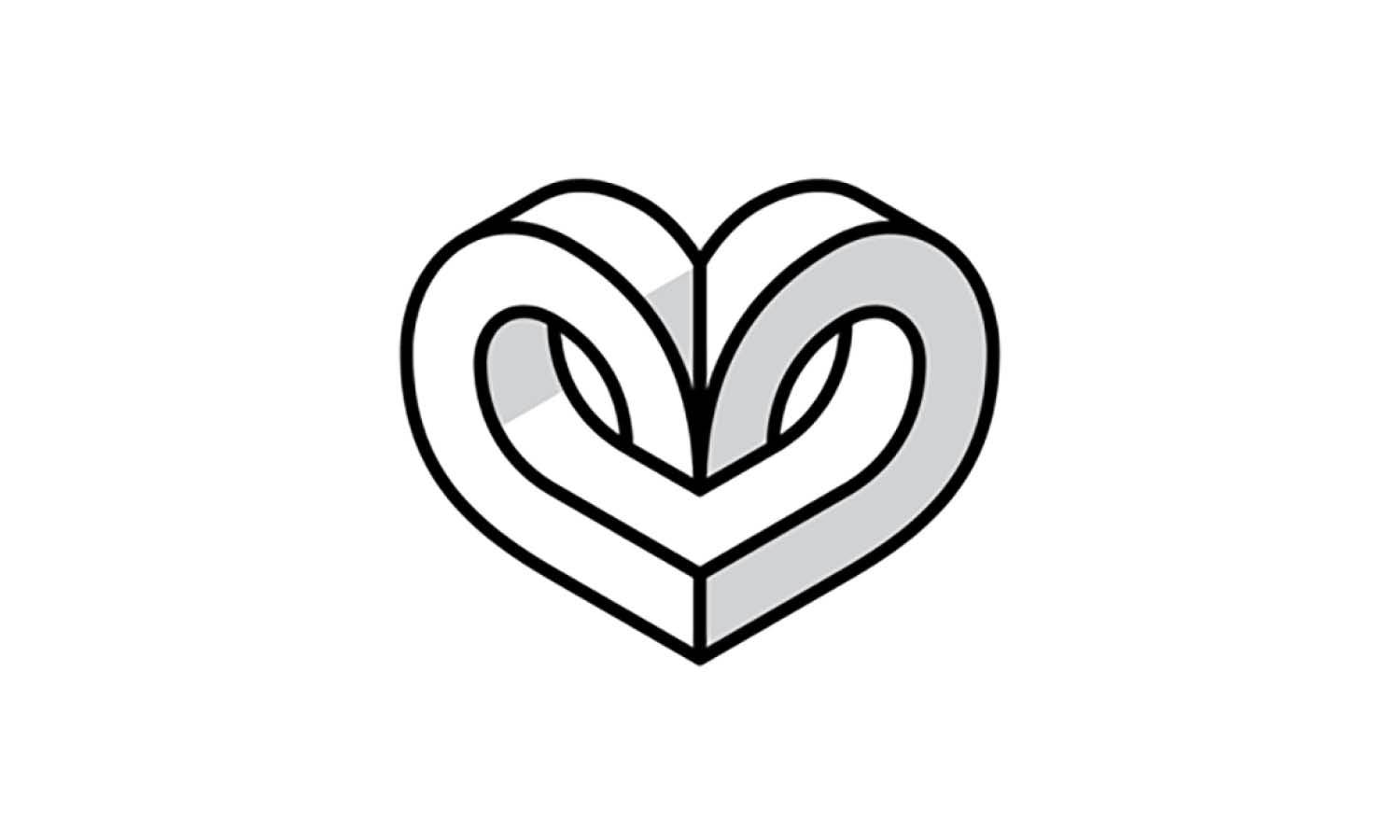
Source: The Falcon King, Isometric Heart Vector, Dribbble, https://dribbble.com/shots/4614896-Isometric-Heart-Vector

Source: Shakir, Illusion, Dribbble, https://dribbble.com/shots/4173268-logo-for-illusion

Source: Nicu Zaporojan, Freedom.ai - Branding, Dribbble, https://dribbble.com/shots/27628630-Freedom-ai-Branding

Source: Antonio Calvino, D³, Dribbble, https://dribbble.com/shots/18230141-D

Source: Stanislav Regis, K2 2K 3D Glass Logo, Dribbble, https://dribbble.com/shots/26795263-K2-2K-3D-Glass-logo

Source: Ofelia Andronic, Mindshake, Dribbble, https://dribbble.com/shots/14135652-Rodeo-Logo

Source: Ofelia Andronic, Rodeo, Dribbble, https://dribbble.com/shots/14135652-Rodeo-Logo

Source: Patrick Tuell, Cubi, Dribbble, https://dribbble.com/shots/17553954-Cubi

Source: LogoFarmers, Gridora Logo, Dribbble, https://dribbble.com/shots/27533309-Gridora-Logo

Source: Swallow, Sonar, Dribbble, https://dribbble.com/shots/5856167-Logo-Sonar

Source: Nikolai Janz, 8, Dribbble, https://dribbble.com/shots/10969405-8

Source: Ahmed Rumon, Logo for AI-Driven Data Analytics & Management, Dribbble, https://dribbble.com/shots/27508609-Logo-for-AI-Driven-Data-Analytics-Management

Source: Brian Ide, ID, Dribbble, https://dribbble.com/shots/6947225-Isometric-Illusion-ID

Source: Anyer Pierri, Intent*, Behance, https://www.behance.net/gallery/233447267/Intent

Source: Hasna Lahmini, Q 36daysoftype, Dribbble, https://dribbble.com/shots/2660857-Q-36daysoftype

Source: Colin Saunders, Day 10/30, Dribbble, https://dribbble.com/shots/9832849-Day-10-30

Source: Ayon Khandakar, N Letter 3D Logo, Dribbble, https://dribbble.com/shots/25096176-N-letter-3D-logo

Source: Chris Scott, T Y Logo Concept, Dribbble, https://dribbble.com/shots/10839630-T-Y-Logo-Concept
Geometric 3D Logo Design Ideas
Geometry gives dimensional logos a clear framework. Cubes, polygons, rings, and folded planes make depth easy to understand, which is useful when a brand wants a precise, modern, or structured appearance.
Isometric Cube Logo
An isometric cube creates depth through clean, equal angles. Each visible face can hold a different color, initial, or shape, allowing one simple form to communicate structure and identity at the same time.
Layered Hexagon Mark
A hexagon can be divided into stacked planes that appear to sit above one another. This gives the symbol depth while preserving a compact silhouette that works well for technology, architecture, and engineering brands.
Interlocking 3D Rings
Several rings can weave through each other to suggest connection, continuity, or collaboration. Clear overlaps are essential because the viewer should immediately understand which elements sit in front and which recede.
Folded Triangle Symbol
A triangle becomes more distinctive when treated like a folded surface. Changes in angle, tone, and direction can turn a very basic shape into a sharper identity with a subtle sculptural effect.
Floating Block Monogram
Rectangular blocks can be positioned to form initials while appearing suspended in space. The gaps between them become part of the design, creating an architectural monogram with a strong sense of rhythm.
Impossible Geometry Logo
Impossible structures use perspective to create forms that could not physically exist. A carefully controlled visual paradox can make the logo memorable, especially when the illusion remains simple enough to understand quickly.
Material-Inspired 3D Logo Design Ideas
Material effects add personality by making the logo appear as if it were built from a real surface. The key is selecting a texture that supports the brand instead of overwhelming the mark.
Metallic Chrome Logo
Chrome can give a simple symbol a sleek, futuristic character through crisp highlights and reflections. It works best when the underlying shape is minimal, since the reflective surface already introduces visual detail.
Frosted Glass Symbol
A frosted glass effect creates softness, translucency, and depth without feeling heavy. Subtle blur, light refraction, and overlapping transparent planes can give the mark a contemporary and refined appearance.
Sculpted Stone Mark
Stone can make a logo feel solid, established, and enduring. Shallow carving, beveled edges, and restrained texture are usually enough to suggest the material without turning the design into a realistic sculpture.
Inflated Plastic Logo
Rounded, inflated shapes offer a playful alternative to sharp extrusion. Soft highlights and glossy surfaces can make letters or icons feel energetic, friendly, and contemporary while keeping their silhouettes easy to recognize.
Wooden Layer Logo
Layered wood can introduce warmth and craftsmanship into a dimensional logo. Visible edges and light grain textures work particularly well for handmade, outdoor, hospitality, or creative brands seeking a tactile identity.
Soft Fabric Emblem
A logo can appear stitched, padded, or folded from fabric to create a softer sense of depth. This treatment suits fashion, children’s products, lifestyle brands, and identities that benefit from an approachable feel.
Typography-Based 3D Logo Design Ideas
Typography can carry the entire dimensional concept without requiring a separate icon. Extrusion, folding, and spatial layering can turn a simple wordmark or monogram into the main visual feature.
Extruded Wordmark
Extending letters backward creates visible side surfaces while keeping the front face readable. Short extrusion feels cleaner, while deeper extrusion creates more drama, so the amount of depth should match the brand’s personality.
Stacked Letter Monogram
Repeated versions of one or two initials can be offset and layered to create depth. This technique works well when the letters have simple forms and the overall silhouette remains clear at smaller sizes.
Ribbon Lettering
Ribbon lettering forms characters from strips that twist and fold through space. The movement can feel elegant or energetic, but each bend should support the letter shape rather than making it harder to read.
Hollow 3D Letters
Open-frame letters create depth without the visual weight of solid extrusion. Visible inner surfaces add dimension while preserving negative space, making this direction especially suitable for modern, architectural, or technology-focused identities.
Perspective Typography
A short word can be arranged along a perspective angle so some letters feel closer and others recede. The technique introduces movement while keeping the design cleaner than highly textured 3D lettering.
Interlocking Initials
Two dimensional initials can weave through one another to form a unified monogram. Strong overlap logic helps the viewer separate the letters while still reading them as one connected visual system.
Organic and Fluid 3D Logo Design Ideas
Curves and rounded surfaces create a softer approach to three-dimensional branding. These forms can feel expressive, friendly, or energetic, making them useful for lifestyle, beauty, wellness, and creative identities.
Liquid Droplet Symbol
A droplet gains convincing depth through smooth highlights and rounded volume. Keeping the contour simple allows the mark to suggest water, skincare, wellness, or sustainability without becoming overly realistic.
Twisting Wave Mark
A wave can curve through space to reveal different surfaces as it moves. The resulting form can suggest water, sound, energy, motion, or transformation while remaining abstract enough for varied brand applications.
Rounded Blob Logo
An irregular blob can create a playful and experimental identity when its shape is carefully controlled. Subtle dimensional shading gives it volume while preserving the simple, friendly silhouette that makes the concept work.
Spiral Ribbon Symbol
A ribbon curling inward or outward can form a spiral, letter, or abstract emblem. The sense of direction makes this approach useful for brands associated with movement, creativity, progress, or continuous change.
3D Petal Formation
Petal-like pieces can be tilted around a shared center to build depth naturally. This creates a botanical impression without relying on literal illustration, which suits beauty, wellness, environmental, and lifestyle brands.
Bubble Cluster Logo
Rounded spheres can be grouped into a recognizable symbol or abstract composition. Their overlaps create depth while also suggesting interaction, community, or creativity, especially when the number of elements remains controlled.
Perspective and Illusion 3D Logo Design Ideas
Perspective can create three-dimensional impact without realistic materials. Negative space, shadows, repeated shapes, and changing viewpoints often produce some of the most distinctive 3D logo design ideas.
Tunnel Logo
Repeated shapes that gradually shrink toward a center point can create a tunnel effect. This simple construction introduces depth, focus, and forward movement without relying on texture or complicated rendering.
Floating Negative-Space Mark
Separate dimensional pieces can be arranged so the empty space between them forms a letter or hidden symbol. This gives the viewer two visual readings while keeping the overall composition relatively minimal.
Folded Paper Emblem
A logo can appear to be made from one sheet folded into several planes. The technique works especially well for letters, arrows, birds, and abstract symbols because depth comes directly from the construction.
Rotating Frame Symbol
Nested squares, circles, or polygons can be turned at different angles to imply rotation. Slight changes in orientation and scale create movement while maintaining a clean, geometric structure.
Shadow-Created Icon
A simple 3D object can cast a shadow that forms a second recognizable shape. The contrast between the object and its shadow creates a memorable visual surprise without requiring many graphic elements.
Reversible Perspective Logo
A reversible logo changes interpretation depending on which plane the viewer notices first. One angle might resemble a letter while another reveals an icon, giving the mark a subtle sense of discovery.
FAQ About 3D Logo Design Ideas
What Makes a 3D Logo Look Professional?
Professional 3D logos usually combine consistent perspective, controlled lighting, clean geometry, and purposeful depth. Effects should support the structure instead of competing with it. Excessive bevels, reflections, or textures can make an otherwise strong mark look cluttered and dated.
Which 3D Logo Styles Work Best at Small Sizes?
Simple geometric forms, shallow extrusion, folded shapes, and strong silhouettes usually perform best at reduced sizes. Detailed textures and complex reflections often disappear when scaled down, so testing the design as a small icon is an effective way to check clarity.
Can a 3D Logo Also Have a Flat Version?
Yes. A flat companion version is useful for embroidery, stamps, tiny icons, single-color printing, and other situations where dimensional effects may not reproduce reliably. Both versions should share the same core shape so the brand remains immediately recognizable.
How Much Detail Should a 3D Logo Include?
Use only enough detail to communicate depth, surface, or movement. Highlights, shadows, and textures should reinforce the form rather than become the main attraction. If the logo depends entirely on rendering effects to remain recognizable, the base concept may need simplification.
Which Colors Work Well for 3D Logo Designs?
Controlled tonal variation is often more effective than using many unrelated colors. Lighter and darker versions of the same hue can separate planes and create depth naturally, while strong contrast helps the symbol stay organized and readable.
Conclusion
3D logo design can move in many directions, from rigid geometric forms and dimensional lettering to soft materials and perspective-based illusions. The most successful approach depends on what kind of personality the identity needs to express. When comparing 3D logo design ideas, pay attention to the relationship between the core shape and the added depth. A strong concept should not rely on visual effects alone. Depth, material, and perspective should make the mark more distinctive while preserving the clarity that allows people to recognize and remember it across different applications.
Let Us Know What You Think!
Every information you read here are written and curated by Kreafolk's team, carefully pieced together with our creative community in mind. Did you enjoy our contents? Leave a comment below and share your thoughts. Cheers to more creative articles and inspirations!
Related Articles
Related Articles






Leave a Comment