
How Much Does A Logo Design Cost for Startup Companies?

Building a startup requires careful spending, and branding is one area where founders often need to balance cost with long-term value. The logo design cost for startups can range from less than $100 for a simple template or DIY solution to several hundred or several thousand dollars for custom freelance or agency work. The final price depends on the designer’s experience, the complexity of the project, the number of concepts and revisions, and whether broader brand strategy is included.
For most startups, the right budget is not simply the lowest amount possible. It is the amount that delivers a distinctive, usable logo without taking money away from more urgent business needs. Understanding the main pricing options and what each one includes can help founders choose a design investment that fits both their current stage and future plans.
Understanding the Average Logo Design Cost for Startups
Startup logo pricing varies because different providers offer very different levels of service. A low-cost template or logo maker may cost under $100, while an independent designer may charge several hundred to a few thousand dollars depending on experience and scope. Branding studios and agencies can charge several thousand dollars or more when research, strategy, multiple applications, and a wider visual identity are part of the project.
These ranges are best treated as general budgeting guides rather than fixed market rates. A startup should compare what is actually included in each proposal, because two projects with similar prices may provide very different levels of research, originality, revisions, and final deliverables.
Factors That Influence Logo Pricing
No two logo projects require exactly the same amount of work. Pricing is often shaped by the time needed for research, concept development, presentation, feedback, and refinement. A simple wordmark for a straightforward business may require less exploration than a custom symbol for a startup entering a crowded or highly technical market.
Specialized industry knowledge, custom illustration, typography development, rush timelines, and additional brand assets can also increase the fee. Even communication requirements matter: projects involving multiple founders or decision-makers may require more meetings and revision time. Understanding these variables helps startups compare proposals based on scope rather than judging value by price alone.
Freelance Designers vs. Design Agencies
Choosing between a freelance designer and an agency can significantly affect the logo design cost for startups. Freelancers often have lower overhead and may offer more accessible pricing, direct communication, and flexible packages. This can be a strong fit for early-stage companies that already understand their positioning and mainly need a professional visual identity.
Agencies usually charge more because a project may involve strategists, designers, account managers, and other specialists. That broader team can be valuable when a startup needs research, positioning, messaging, or a full identity system alongside the logo. The better option depends on the company’s needs, not simply the size of the provider.

The Impact of Design Experience on Cost
Experience is another major pricing factor. Established designers with strong portfolios and proven branding expertise usually charge more because they bring a refined process, strategic judgment, and the ability to identify problems before they become expensive mistakes. Their fees often reflect more than the time spent drawing the final mark.
Newer designers may offer lower prices and can still produce excellent work, especially when their style matches the startup’s needs. Founders should review relevant portfolio examples, ask how the designer approaches research and revisions, and confirm what files will be delivered. The goal is to pay for the level of expertise the project genuinely requires.
Custom Logo Design vs. Template-Based Solutions
Template-based solutions are usually the least expensive option because they rely on existing layouts, icons, and type combinations. They can be useful for testing an early idea, launching a temporary brand, or establishing a basic identity when funds are extremely limited. The trade-off is that the result may feel less distinctive and may offer fewer opportunities for customization.
Custom logo design is developed specifically for the business, usually through research, concept exploration, and refinement. That process costs more, but it can create a stronger connection between the visual identity and the startup’s audience, positioning, and personality. For founders planning to build the same brand for years, originality and flexibility may justify the higher investment.
What Is Included in a Startup Logo Package?
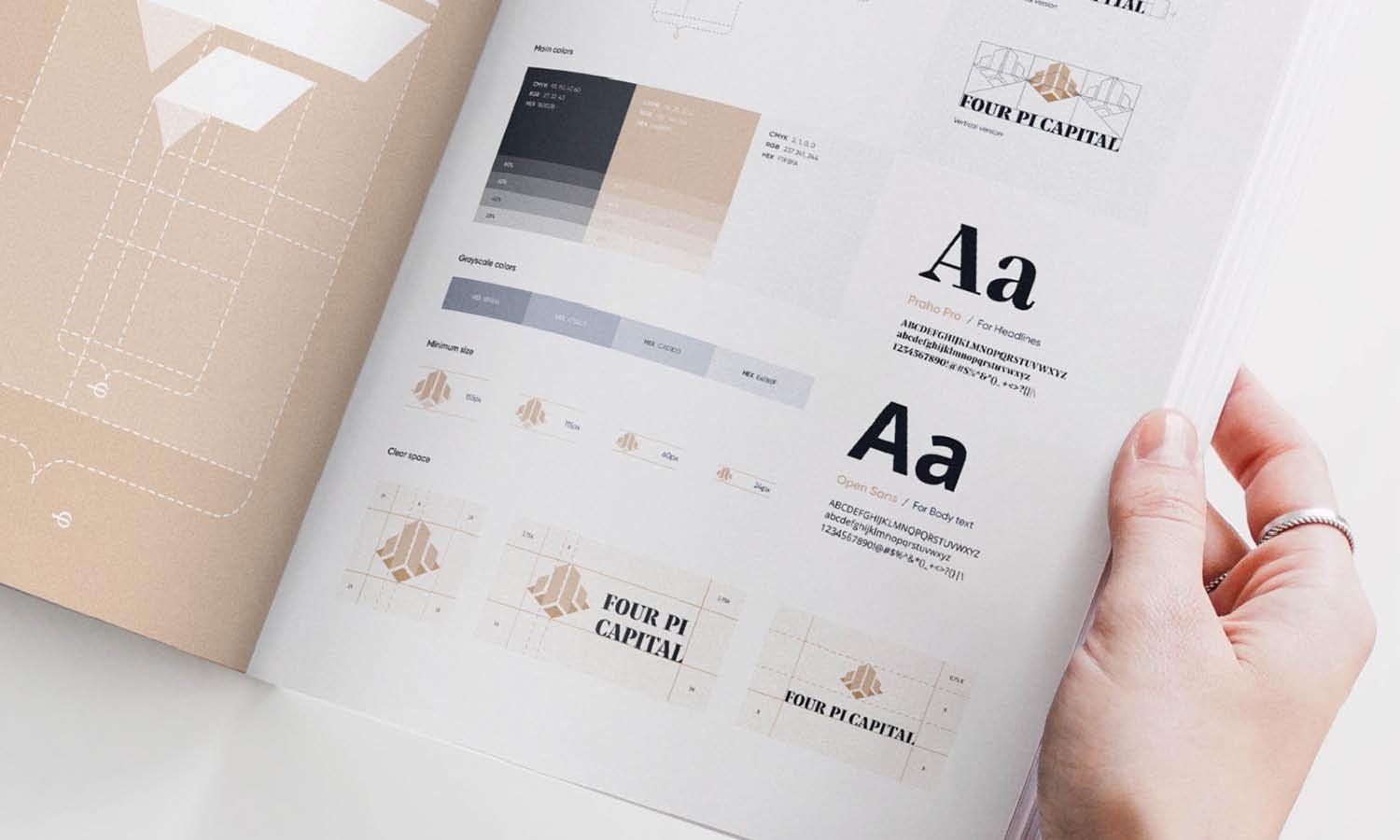
A logo package should be judged by its deliverables as well as its headline price. Common inclusions are initial concepts, a defined number of revision rounds, and final files for digital and print use. Some designers also provide black-and-white versions, alternative lockups, color specifications, typography recommendations, social media assets, or a short brand guide.
Before approving a proposal, startups should confirm which file formats are included, whether editable vector files will be supplied, how many revisions are covered, and what ownership or usage rights transfer after payment. A cheaper package can become more expensive later if essential files or brand variations must be purchased separately.
Revision Policies and Their Effect on Pricing
Most designers include a limited number of revision rounds so the project remains predictable for both sides. A package with one or two structured rounds may cost less than an arrangement that allows extensive changes because unlimited feedback can add substantial design time.
Startups can control revision costs by preparing a clear brief, agreeing on decision-makers, and giving consolidated feedback. It is also worth asking what counts as a revision. Adjusting color or spacing is very different from requesting a completely new concept. Clear expectations at the beginning help prevent unexpected fees and keep the project moving efficiently.

Hidden Costs Startup Companies Should Know
The quoted design fee may not cover every future branding expense. Additional revision rounds, rush delivery, extra file preparation, stationery, social graphics, packaging, or a full brand guideline can all increase the total cost. Certain commercial fonts or graphic assets may also require separate licensing.
Startups should also distinguish logo design costs from legal expenses. Trademark searches, registration, and professional legal advice are separate from the creative process unless a proposal clearly states otherwise. Asking for an itemized scope before work begins makes budgeting easier and reduces the chance of discovering important add-on costs near the end of the project.
Balancing Budget and Brand Quality
A startup does not need the most expensive logo package available, but choosing solely on price can create problems later. A very cheap logo may be difficult to reproduce, too similar to existing designs, or poorly suited to small digital applications. Redesigning it after the brand has gained traction can cost more than making a sound choice at the beginning.
Set a budget based on the startup’s current stage, visibility, and growth plans. Then compare designers on portfolio quality, process, deliverables, communication, and rights. This approach keeps spending realistic while still treating the logo as a practical business asset rather than a decorative extra.
Choosing the Right Logo Design Investment for Long-Term Growth
The most appropriate investment is one that meets today’s needs without creating unnecessary limitations tomorrow. A startup expecting rapid growth may benefit from a custom logo with multiple lockups, scalable vector files, and basic usage guidance. A company still validating its business model may reasonably begin with a simpler package and upgrade the identity later.
Whatever the budget, founders should prioritize clarity, originality, scalability, and ownership of the final assets. A logo needs to work on websites, social profiles, presentations, packaging, and other touchpoints as the company expands. Thinking about those applications early helps startups spend more deliberately and avoid paying twice for the same branding problem.
Frequently Asked Questions
How Much Should an Early-Stage Startup Budget for a Logo?
There is no single correct budget. A basic DIY or template option may cost under $100, while custom freelance work commonly requires hundreds or several thousand dollars. Startups should choose a level that fits their stage, expected visibility, and need for originality without sacrificing money required for essential operations.
Is It Worth Paying More for a Custom Startup Logo?
It can be, especially when the company plans to build long-term recognition around the same brand. Custom work gives the designer more room to reflect positioning, audience, and personality. However, a startup that is still testing its idea may prefer a simpler solution until its business model and brand direction are more settled.
What Files Should a Startup Receive After the Logo Is Finished?
At minimum, ask for scalable vector files and common digital formats, along with versions that work on light and dark backgrounds. Depending on the package, it may also be useful to receive horizontal and stacked arrangements, monochrome versions, color specifications, and basic usage guidance. Confirm these deliverables before the project begins.
How Can Startups Avoid Unexpected Logo Design Costs?
Request a written scope that explains concepts, revision rounds, final files, licensing, ownership, and additional fees. Clarify whether rush work, extra variations, brand guidelines, or supporting graphics cost more. A clear brief and consolidated feedback also reduce unnecessary revisions, helping the project remain close to the original budget.
Conclusion
The logo design cost for startups can range from a minimal DIY expense to several thousand dollars for custom strategy and design. The right choice depends on the company’s stage, budget, audience, and long-term branding needs. Instead of comparing prices alone, founders should review the designer’s process, portfolio, deliverables, revision policy, and ownership terms. A carefully scoped project can provide a professional, flexible identity without overspending. By investing at the level the business genuinely needs, a startup can build recognition now while leaving room for the brand to grow.
Let Us Know What You Think!
Every information you read here are written and curated by Kreafolk's team, carefully pieced together with our creative community in mind. Did you enjoy our contents? Leave a comment below and share your thoughts. Cheers to more creative articles and inspirations!
Let Us Know What You Think!
Every information you read here are written and curated by Kreafolk's team, carefully pieced together with our creative community in mind. Did you enjoy our contents? Leave a comment below and share your thoughts. Cheers to more creative articles and inspirations!
Related Articles







Leave a Comment