
10 Tips to Create a Good Game Logo Design
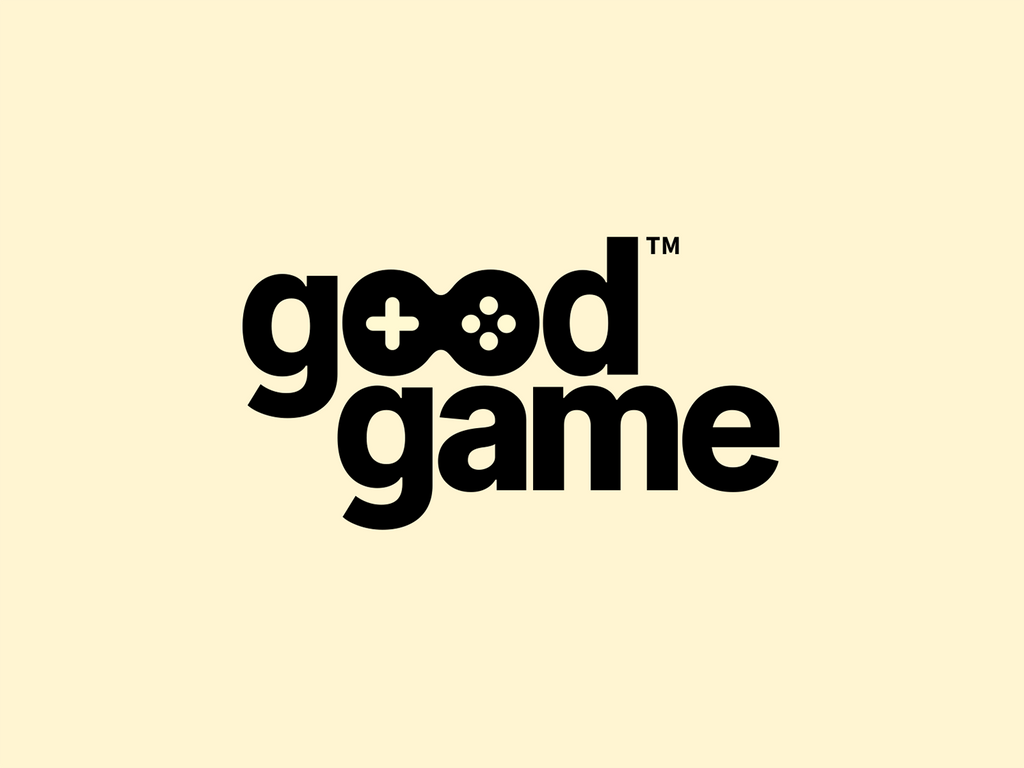
Source: Antonin Kus, Dribbble, https://dribbble.com/shots/11879965-Logo-goodgame
A great logo is often the first thing players notice about a game, making it one of the most valuable visual assets in the entire brand. Long before someone watches a trailer or reads a game description, the logo begins shaping expectations about the experience ahead. An effective design can suggest excitement, mystery, adventure, strategy, or fun in just a few visual elements. That first impression matters across storefronts, social media, promotional artwork, and in-game branding. Creating a successful game for logo design involves more than choosing attractive fonts or dramatic colors. The following tips focus on practical ways to build stronger game logos that capture attention, reflect the game's world, and remain recognizable long after players have finished their first session.
Understand The Game Before Designing
Before opening design software or sketching ideas, spend time understanding exactly what the game represents. Every successful game for logo design starts with research because the logo should reflect the game's identity instead of following visual trends. Consider the game's story, setting, mechanics, audience, and emotional tone.
Learn The Game's Core Identity
Identify what makes the game unique. A competitive multiplayer title communicates something very different from a relaxing puzzle game or a fantasy role-playing adventure. Defining the game's personality helps determine the visual direction before individual design elements are selected.
Define The Target Audience
Think about who will play the game. Younger audiences may respond to bold colors and playful shapes, while mature players often appreciate more refined or atmospheric branding. Understanding player expectations helps create a logo that feels immediately relevant without relying on clichés.
Match The Logo Style To The Game Genre
Players naturally associate certain visual styles with different genres. Although originality remains important, the logo should still give viewers an accurate impression of the experience waiting inside the game. Choosing an appropriate style helps attract the right audience while strengthening the overall brand identity.
Reflect The Genre Through Visual Style
A science fiction game might use futuristic lettering and geometric forms, while a medieval fantasy title may benefit from decorative typography and symbolic emblems. Horror games often rely on darker visual treatments, whereas casual mobile games usually appear brighter and friendlier. Aligning the style with the genre makes the logo feel believable.
Meet Player Expectations Without Copying Others
Study successful games for inspiration, but avoid borrowing recognizable layouts, symbols, or typography. Instead, understand why certain visual approaches work and reinterpret those principles in a way that feels original. A distinctive logo builds stronger recognition than one that closely resembles an existing franchise.
Build Around One Strong Concept
Many game logos become difficult to remember because they try to communicate too many ideas at once. Adding multiple symbols, decorative effects, and competing themes often creates visual clutter instead of strengthening the design. A successful game for logo design usually revolves around one clear concept that instantly represents the game's identity.
Focus On A Single Memorable Idea
Choose one defining element that captures the spirit of the game. It could be a mythical creature, a weapon, a magical symbol, a futuristic emblem, or even a distinctive letterform. Building the logo around one recognizable concept creates stronger visual recall and makes the brand easier for players to recognize across different platforms.
Remove Unnecessary Design Elements
After developing the concept, review every detail with a critical eye. Decorative textures, excessive shadows, or unrelated graphics can distract from the main message. Simplifying the composition allows the strongest idea to stand out while making the logo cleaner, more versatile, and easier to recognize at a glance.

Source: Alexandra Erkaeva, Dribbble, https://dribbble.com/shots/18020735-Frozen-Chicken
Choose Typography That Fits The Theme
Typography plays a major role in shaping how players perceive a game before they experience it. The letterforms should feel connected to the game's atmosphere rather than appearing as an afterthought. Even a simple wordmark can communicate adventure, mystery, speed, or humor when the typography complements the overall visual direction.
Select Fonts That Match The Experience
Look for typography that naturally supports the game's personality. Sharp angular lettering may suit action titles, while elegant serif styles can reinforce historical settings. Rounded fonts often work well for family-friendly games, whereas futuristic designs fit science fiction themes.
Prioritize Readability Across Platforms
Creative typography should never sacrifice clarity. Players should be able to recognize the game's title on digital storefronts, social media graphics, merchandise, and promotional materials. Testing the typography at different sizes ensures the logo remains readable wherever the brand appears.
Create A Memorable Icon
A well-designed icon can become just as recognizable as the game's title. Players often encounter logos in small spaces such as app icons, profile images, launcher thumbnails, and achievement badges where detailed wordmarks are difficult to read. Including a distinctive symbol gives the brand another visual asset that strengthens recognition across different platforms.
Design A Recognizable Symbol
Create an icon that reflects the game's identity instead of relying on generic gaming imagery. A meaningful emblem inspired by the game's world, characters, or mechanics feels more authentic than common symbols used across countless titles. The stronger the connection between the icon and the gameplay, the easier it becomes for players to remember the brand.
Keep The Icon Versatile
The icon should remain effective in both large promotional artwork and much smaller applications. Avoid excessive detail that disappears when reduced in size. Simple shapes, balanced proportions, and a clean silhouette help the icon stay recognizable across websites, mobile devices, merchandise, and digital storefronts.
Use Color With Purpose
Color influences how people emotionally respond to a logo within seconds. Instead of selecting colors because they look attractive, choose a palette that supports the game's atmosphere and reinforces its personality.
Reinforce The Game's Mood
Different colors naturally create different emotional responses. Dark tones often suit horror or survival games, vibrant combinations can energize arcade experiences, while rich blues and metallic accents frequently support futuristic settings. Select colors that feel appropriate for the game's overall world rather than following current design trends.
Maintain Strong Contrast
Even an excellent color palette loses its impact if the logo becomes difficult to read. Use enough contrast between text, symbols, and backgrounds to maintain visibility across websites, promotional graphics, packaging, and in-game screens.
Keep The Logo Simple And Scalable
A game logo should perform well everywhere it appears, from large promotional banners to tiny mobile app icons. Designs filled with intricate textures, excessive outlines, or countless decorative details often lose their impact when reduced in size. Simplicity does not mean the logo has to look plain.
Design For Small And Large Sizes
Preview the logo at several sizes before finalizing it. Fine details that look impressive on a large monitor may disappear completely on a storefront thumbnail or social media profile picture. Testing multiple sizes helps identify areas that should be simplified without sacrificing the logo's personality.
Preserve Visual Clarity
Keep spacing, proportions, and visual hierarchy consistent throughout the design. Clear separation between the icon, typography, and supporting elements improves readability while preventing the logo from feeling crowded.

Source: Murat Kalkavan, Voodoo Mambo, Dribbble, https://dribbble.com/shots/10349459-Voodoo-Mambo-Game-Icon
Balance Creativity With Consistency
Originality helps a game stand out, but creativity should always support the brand rather than overpower it. An unusual visual concept can quickly become confusing if every design element follows a different direction.
Support The Overall Brand Identity
Ask whether each design choice reinforces the game's personality. If the artwork suggests a lighthearted adventure while the typography feels dark and aggressive, the overall message becomes mixed. Consistency creates a stronger emotional connection because players immediately understand the experience the game promises.
Avoid Mixing Too Many Visual Styles
Combining realistic illustrations, cartoon graphics, futuristic lettering, and vintage textures in one logo often weakens the design. Limiting the number of visual styles creates a cleaner identity that is easier to recognize and more adaptable as the game's brand expands through updates, downloadable content, and promotional campaigns.
Test The Logo In Real Applications
A logo may look impressive on a presentation board yet perform poorly once it appears in real gaming environments. Testing the design across practical applications helps uncover issues before the logo becomes part of the game's public identity. Viewing the logo in realistic situations allows you to evaluate readability, balance, and overall impact while making refinements that improve long-term usability.
Preview The Logo Across Different Media
Place the logo on game launchers, app icons, websites, social media profiles, promotional posters, merchandise, and loading screens. Each application presents different size and spacing challenges. Seeing the logo in context helps confirm that it maintains its identity wherever players encounter the brand.
Evaluate Visibility In Various Backgrounds
Test the logo against light, dark, colorful, and textured backgrounds to ensure every element remains clear. Preparing alternate versions, such as monochrome or simplified variations, can improve flexibility while maintaining consistent brand recognition across different platforms.
Refine Every Detail Before Launch
The first concept is rarely the strongest one. Refinement allows good ideas to become exceptional by improving balance, readability, spacing, and overall visual harmony. Taking time to polish the design demonstrates professionalism and often reveals small adjustments that significantly strengthen the finished logo. Careful refinement ensures the game for logo design represents the game confidently from launch onward.
Gather Constructive Feedback
Share the logo with designers, developers, or potential players who understand the target audience. Fresh perspectives often identify issues that are easy to overlook after spending hours working on the same design. Use feedback to improve the logo rather than changing it based on every personal preference.
Polish The Final Version
Review alignment, spacing, typography, color consistency, and scalability one final time before approving the design. Export the logo in multiple formats suitable for digital and print applications so it remains consistent across every platform where the game's brand will appear.
Frequently Asked Questions
When Should A Game Logo Be Finalized?
A game logo should be developed once the project’s genre, visual direction, and target audience are clearly defined. Finalizing it before major marketing begins helps maintain consistency across store pages, trailers, social media, and promotional materials. However, the design should still be tested alongside the evolving game interface.
Should A Game Logo Be Trademarked Before Release?
Trademark protection may be worth considering before a public launch, especially when the game has strong commercial potential. Developers should first search for similar names and logos to reduce possible conflicts. Because trademark requirements vary by location, consulting a qualified intellectual property professional can clarify the appropriate registration process.
Is A Game Logo The Same As An App Icon?
No. A game logo usually presents the title and broader visual identity, while an app icon must work inside a small square format. Both should feel connected, but the icon often requires a simpler symbol, character, or monogram that remains recognizable without including the complete game title.
Which File Formats Should A Game Logo Include?
A complete logo package should include editable vector files, such as SVG, EPS, or AI, alongside high-resolution PNG and JPG versions. Transparent-background files are particularly useful for overlays and promotional artwork. Developers should also prepare horizontal, stacked, monochrome, and simplified variations for different platforms and production needs.
How Can A Game Logo Support International Releases?
Designers should consider whether the logo’s lettering, symbols, and visual references will remain understandable across different markets. A flexible layout makes translated titles easier to accommodate without disrupting the composition. Cultural review is also valuable because certain colors, gestures, or symbols may carry unintended meanings for international audiences.
Conclusion
Creating a memorable game logo requires more than artistic ability. It begins with understanding the game, choosing a clear visual direction, and making thoughtful decisions about typography, color, icons, and composition. Every element should work together to communicate the game's identity while remaining recognizable across different platforms and sizes. By researching carefully, testing designs in real-world applications, and refining every detail before launch, you can create a game for logo design that captures attention, supports the overall brand, and leaves players with a lasting first impression that reflects the experience your game delivers.
Let Us Know What You Think!
Every information you read here are written and curated by Kreafolk's team, carefully pieced together with our creative community in mind. Did you enjoy our contents? Leave a comment below and share your thoughts. Cheers to more creative articles and inspirations!
Related Articles








Leave a Comment