
10 Tips To Create A Good Horse Logo Design

Source: Toni Hukkanen, Behance, https://www.behance.net/gallery/98630251/Nordic-Topline-Branding-Packaging-Design
A horse logo design can communicate strength, elegance, freedom, speed, and trust in a single visual mark. Because horses have been admired across cultures for centuries, they remain a popular choice for businesses ranging from equestrian centers and ranches to luxury brands, sports organizations, apparel companies, and lifestyle businesses. However, creating an effective horse-inspired logo involves more than simply drawing a horse. The best horse logo design reflects a brand's personality while remaining memorable, versatile, and visually appealing. Every design choice, from the horse's pose to the typography and color palette, contributes to how people perceive the brand. By focusing on clear symbolism and thoughtful execution, designers can create logos that stand out while maintaining long-term relevance. These ten practical tips will help guide the process of creating a horse logo that feels both professional and distinctive.
Understand What The Horse Represents For Your Brand
Before creating sketches or selecting colors, it is important to define what the horse symbolizes for the brand. Different businesses may want to communicate completely different qualities through the same animal.
Strength And Power
Many organizations choose horses because they represent physical power, resilience, and determination. This approach often works well for sports brands, training facilities, and performance-focused businesses.
Freedom And Movement
A running horse naturally suggests freedom, independence, and forward momentum. Brands focused on adventure, travel, or personal growth often benefit from these associations.
Elegance And Prestige
Horses are frequently linked with sophistication and luxury. Premium products and high-end services may use refined horse imagery to reinforce exclusivity.
Trust And Partnership
For centuries, horses have worked alongside humans. This relationship can symbolize loyalty, reliability, and partnership, making it valuable for service-oriented brands. Understanding the desired message helps ensure that every design decision supports a clear brand identity.
Choose The Right Horse Pose
The horse's posture can dramatically influence the emotional impact of a logo. Different poses communicate different ideas, even when the same animal is used.
Running Horse
A running horse suggests energy, speed, ambition, and progress. This pose often feels dynamic and exciting.
Standing Horse
A calm standing horse creates a sense of stability, confidence, and professionalism. It can work particularly well for established businesses.
Rearing Horse
A rearing horse creates a bold and powerful visual statement. This pose is commonly associated with courage, authority, and competitive spirit.
Horse Head Profile
A horse head profile provides a clean and elegant solution for brands that want a recognizable symbol without excessive detail. Selecting the right pose ensures that the horse logo design communicates the intended personality from the first glance.
Keep The Silhouette Simple And Recognizable
One of the most important principles in logo design is simplicity. A horse logo should remain recognizable whether it appears on a website header, social media profile, business card, or large outdoor sign. A strong silhouette allows viewers to identify the horse instantly without relying on small details. Simplified forms also improve memorability because people process clear shapes more easily than complex illustrations. Avoid adding unnecessary muscles, hair textures, or decorative elements that may disappear when the logo is scaled down. Instead, focus on the overall outline and key identifying features. A clean silhouette creates flexibility across both digital and print applications while helping the logo maintain a professional appearance. When evaluating concepts, test whether the horse remains recognizable in a single-color version. If it does, the design likely has a strong foundation.

Source: Wehan Ilmajuang Supriyono, Dribbble, https://dribbble.com/shots/15494093-FF
Focus On Distinctive Horse Features
While simplicity is important, a horse logo design should still include unique characteristics that help differentiate it from competitors.
Mane Shape
A flowing mane can create movement and personality. Designers often use stylized mane shapes to create memorable visual signatures.
Head Structure
The horse's facial proportions can influence whether the logo feels powerful, elegant, friendly, or modern.
Neck Curve
A graceful neck curve can add sophistication and visual balance while reinforcing the horse's natural beauty.
Ear Position
Even small details such as ear placement can affect the emotional tone of the logo. Alert ears may communicate confidence and awareness, while softer angles can feel more approachable. Focusing on a few carefully chosen features often creates a stronger identity than trying to illustrate every detail of the animal.
Match The Design Style To The Brand Personality
The visual style of a horse logo should align closely with the brand's overall identity. A mismatch between style and brand message can create confusion.
Minimalist Horse Logos
Minimalist designs rely on clean lines and simple forms. They work well for modern brands that value clarity and versatility.
Luxury And Premium Styles
Luxury-focused logos often use refined linework, elegant proportions, and sophisticated compositions to communicate exclusivity.
Vintage And Heritage Looks
Vintage-inspired horse logos can emphasize tradition, craftsmanship, and history. This style frequently appears in ranch, agricultural, and heritage brands.
Modern Geometric Concepts
Geometric approaches create structured and contemporary visuals. They often appeal to innovative companies seeking a fresh appearance. Choosing a style that reflects the brand's personality helps strengthen recognition and creates a more cohesive visual identity.
Use Motion To Create Energy And Impact
Even a static logo can communicate movement when designed thoughtfully. Motion often plays a major role in effective horse branding because horses naturally symbolize activity and momentum. Flowing mane lines, angled body positions, and carefully directed curves can create a sense of forward movement. Negative space can also guide the viewer's eye through the composition, making the design feel more dynamic. However, motion should not come at the expense of clarity. Overly exaggerated movement can make a logo appear chaotic or difficult to reproduce consistently. The goal is to suggest energy while maintaining a clean and balanced design. When used effectively, motion helps a horse logo design feel lively and memorable without becoming overly complicated.
Select Colors That Support The Brand Message
Color plays a powerful role in shaping audience perception. The right palette can strengthen the symbolism already present in the horse graphic.
Black And Gold
This combination often communicates luxury, prestige, and authority.
Earth Tones
Brown, tan, and deep green colors create natural associations with ranches, outdoor lifestyles, and authenticity.
Blue And Silver
These cooler tones can convey professionalism, trust, and modernity.
Monochrome Approaches
Black-and-white designs often appear timeless and highly versatile across different applications. Rather than choosing colors based solely on personal preference, select hues that reinforce the emotions and values the brand wants to communicate.

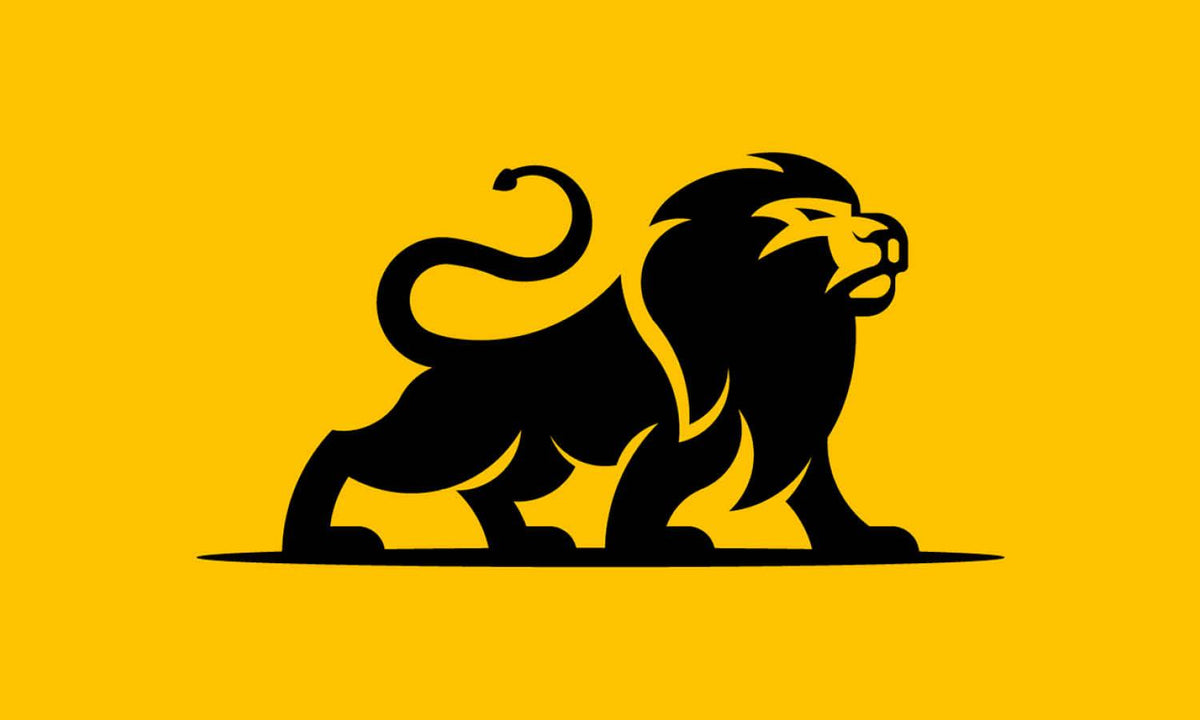
Source: Srdjan Vidakovic, Dribbble, https://dribbble.com/shots/18263509-Knight-Without-a-Lord
Choose Typography That Complements The Horse Graphic
Typography should support the horse symbol rather than compete with it. A strong logo relies on harmony between the icon and the wordmark.
Elegant Serif Fonts
Serif typefaces often pair well with luxury, heritage, and premium horse-themed branding.
Strong Sans-Serif Fonts
Sans-serif fonts create a clean and contemporary appearance that works well for modern businesses.
Custom Lettering Approaches
Custom typography can introduce additional uniqueness and strengthen brand recognition. Pay attention to proportion and spacing when combining text with the horse graphic. If the typography feels too heavy or too decorative, it may distract from the symbol. A balanced relationship between both elements creates a more polished and professional result.
Avoid Common Horse Logo Design Mistakes
Many horse logos struggle not because of poor ideas but because of execution issues that reduce effectiveness.
Overly Detailed Illustrations
Excessive detail often harms scalability and reduces visual clarity.
Generic Stock-Like Concepts
Common horse silhouettes without unique characteristics may blend into a crowded marketplace.
Poor Proportions
Unbalanced shapes can make the logo appear awkward or amateurish.
Weak Scalability
A logo should perform equally well across large and small applications. Reviewing concepts with these potential issues in mind helps improve the final design and ensures greater long-term usability.
Test The Logo Across Different Applications
A horse logo design may look excellent on a computer screen but perform differently in real-world environments. Testing helps identify problems before launch.
Digital Platforms
Review the logo on websites, mobile interfaces, and social media profiles.
Signage And Merchandise
Evaluate visibility on banners, uniforms, packaging, and promotional products.
Social Media Profiles
Ensure important details remain visible at small sizes.
Print Materials
Check how the design reproduces on brochures, business cards, and stationery. Testing across multiple applications helps reveal weaknesses while confirming that the logo remains effective in every context where the brand appears.
Frequently Asked Questions
What Businesses Are Best Suited To A Horse Logo Design?
Horse logos are especially suitable for equestrian centers, racing organizations, ranches, sports teams, luxury brands, automotive companies, and outdoor businesses. However, any brand associated with freedom, speed, endurance, elegance, or reliability can use horse imagery effectively when the visual style matches its identity and audience.
How Can A Horse Logo Avoid Looking Too Similar To Existing Designs?
Begin with competitor research, then develop original sketches based on the brand’s specific story and values. Avoid relying on familiar stock silhouettes or copying recognizable poses. Customizing the horse’s posture, mane, proportions, negative space, and supporting typography can create a more distinctive identity while reducing potential trademark concerns.
Should A Horse Logo Include The Entire Animal Or Only Its Head?
The best choice depends on the intended message and available space. A horse head can feel focused, refined, and suitable for compact applications, while a full-body figure better expresses speed, movement, or freedom. Designers should compare both options at small sizes before selecting the clearest and most memorable composition.
Which File Formats Should Be Prepared For A Horse Logo?
A professional logo package should include vector formats such as SVG, EPS, or AI for unrestricted scaling, along with PNG and JPEG files for everyday digital use. Full-color, monochrome, and reversed versions should also be supplied so the horse logo remains consistent across websites, printing, embroidery, signage, and merchandise.
How Can Designers Check Whether A Horse Logo Is Truly Original?
Designers can perform image searches, review trademark databases, and compare the concept with competitors in the relevant industry. Because horse imagery is common, originality should come from the complete combination of form, typography, color, and composition. Legal guidance may also be helpful before registering or launching the finished brand identity.
Conclusion
Creating a successful horse logo design requires more than artistic skill. It involves understanding symbolism, selecting the right pose, simplifying shapes, emphasizing distinctive features, and aligning every design decision with the brand's personality. Thoughtful use of motion, color, and typography further strengthens the final result. By focusing on clarity, scalability, and meaningful visual communication, designers can create horse-inspired logos that remain memorable and effective for years. A well-crafted horse logo does more than represent an animal—it captures the spirit, values, and identity of the brand behind it.
Let Us Know What You Think!
Every information you read here are written and curated by Kreafolk's team, carefully pieced together with our creative community in mind. Did you enjoy our contents? Leave a comment below and share your thoughts. Cheers to more creative articles and inspirations!
Related Articles







Leave a Comment