
Perfect Guide To Create A Good Combination Marks Logo Design

Source: George Bokhua, Magoz Logo, Dribbble, https://dribbble.com/shots/21420015-Magoz-logo
A combination marks logo design combines a visual symbol with a brand name to create a unified identity. It is one of the most widely used logo styles because it offers the strengths of both imagery and typography in a single design. Businesses of all sizes use this approach because it helps audiences quickly connect a name with a recognizable visual element. Unlike logos that rely entirely on text or symbols, combination marks provide flexibility and clarity from the beginning. The icon can communicate personality and meaning, while the text reinforces brand recognition. Together, they create a stronger visual impression than either element might achieve alone. A well-crafted combination marks logo design is more than placing an icon next to a wordmark. It requires thoughtful planning, balanced proportions, and a clear understanding of how each element contributes to the overall identity. This guide explores the key principles that help create a logo that looks professional, functions effectively, and remains valuable as a brand grows.
Understanding What Makes A Combination Marks Logo Effective
The Relationship Between Symbol And Wordmark
The success of a combination marks logo design depends heavily on the relationship between its visual and textual components. The symbol and the wordmark should feel connected, not like separate elements forced together. A symbol often introduces personality, values, or industry relevance. The wordmark provides clarity by displaying the brand name directly. When both pieces share a consistent visual language, the logo feels unified and intentional. Design choices such as line weight, shape style, and overall tone should support this connection. A modern icon paired with an outdated-looking font can create visual conflict. Similarly, a playful illustration combined with a formal typeface may send mixed messages.
Why Businesses Choose Combination Marks
Many brands choose combination marks because they offer immediate recognition. Customers can learn both the visual symbol and company name simultaneously. This format also provides long-term flexibility. As recognition increases, the symbol may eventually function independently in social media profiles, app icons, packaging, or merchandise. Starting with a strong combination creates a foundation that can evolve without losing familiarity.
Choosing The Right Symbol For Your Brand Identity
Matching Visual Elements To Brand Personality
Every symbol communicates something about a brand. Choosing the right one starts with understanding the personality you want audiences to experience. Professional brands often benefit from clean geometric forms, structured shapes, and refined visual elements. Creative businesses may explore more distinctive or expressive concepts that showcase originality. Friendly brands often use softer shapes and approachable imagery that feels welcoming. The goal is not to choose a symbol simply because it looks attractive. It should support the message your brand wants to communicate. A symbol that reflects the right personality helps create stronger emotional connections with audiences.
Keeping The Symbol Simple And Memorable
Simplicity remains one of the most valuable principles in logo design. Symbols filled with excessive details often lose clarity when scaled down or viewed from a distance. A memorable icon is usually built around a single strong idea rather than multiple competing concepts. Clean shapes are easier to recognize, easier to remember, and easier to reproduce across different applications. When evaluating a symbol, consider how it performs at various sizes. If important details disappear or become difficult to identify, simplification may improve effectiveness. A symbol that remains recognizable in small formats will generally perform better across digital and print environments.
Selecting Typography That Complements The Symbol
Creating Visual Harmony
Typography plays an equally important role in a combination marks logo design. The chosen typeface should complement the symbol rather than compete with it. Fonts communicate personality just as strongly as graphics. A clean sans-serif typeface often supports modern and contemporary symbols, while serif fonts may reinforce tradition, expertise, or heritage. Script styles can add elegance or creativity when used thoughtfully. The objective is visual harmony. When symbol and typography share a similar tone, the logo feels more cohesive and professional.
Improving Readability Across Applications
Readability should never be sacrificed for style. A logo may appear on websites, business cards, packaging, advertisements, uniforms, and social media graphics. The text must remain clear in every environment. Letter spacing, font weight, and character proportions all affect readability. Highly decorative fonts can become difficult to read at smaller sizes, limiting the logo's versatility. Choosing typography that balances personality and clarity ensures the logo remains effective wherever it appears.

Source: Burn Studio, Letter L, Dribbble, https://dribbble.com/shots/20774227-Letter-L-logo-design-abstract
Finding The Perfect Balance Between Text And Graphics
Establishing Visual Hierarchy
A successful combination marks logo design requires a clear visual hierarchy. Viewers should understand where to focus first and how the elements relate to each other. Some brands place greater emphasis on the symbol, while others prioritize the name. The decision depends on brand goals, audience familiarity, and marketing strategy. The strongest logos create a natural flow between the symbol and the text. Neither element should overpower the other unless there is a strategic reason for doing so.
Managing Size And Spacing
Proper proportions help create visual balance. An oversized icon can make the brand name feel secondary, while a large wordmark may reduce the impact of the symbol. Spacing is equally important. Adequate separation allows each element to breathe while maintaining a clear relationship between them. Consistent spacing creates a polished appearance and improves legibility. Small adjustments often make a significant difference in overall visual quality.
Avoiding Common Balance Mistakes
Many logo designs struggle because the elements compete for attention. Overly complex symbols, weak typography, and crowded layouts can reduce effectiveness. Before finalizing a design, evaluate whether both elements support one another. If one component dominates excessively, adjustments may be necessary to create a more harmonious composition.
Creating Flexible Layout Variations
Horizontal And Stacked Versions
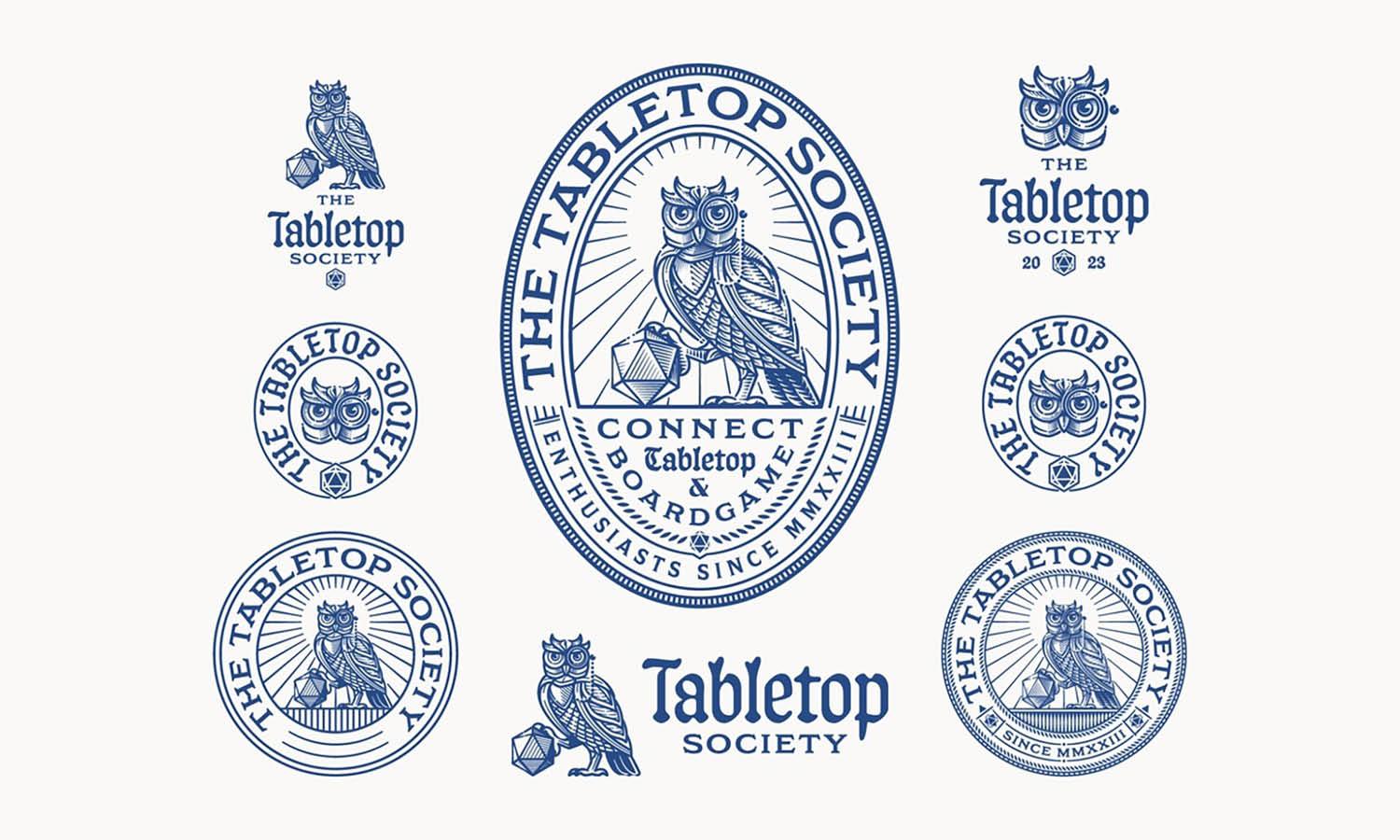
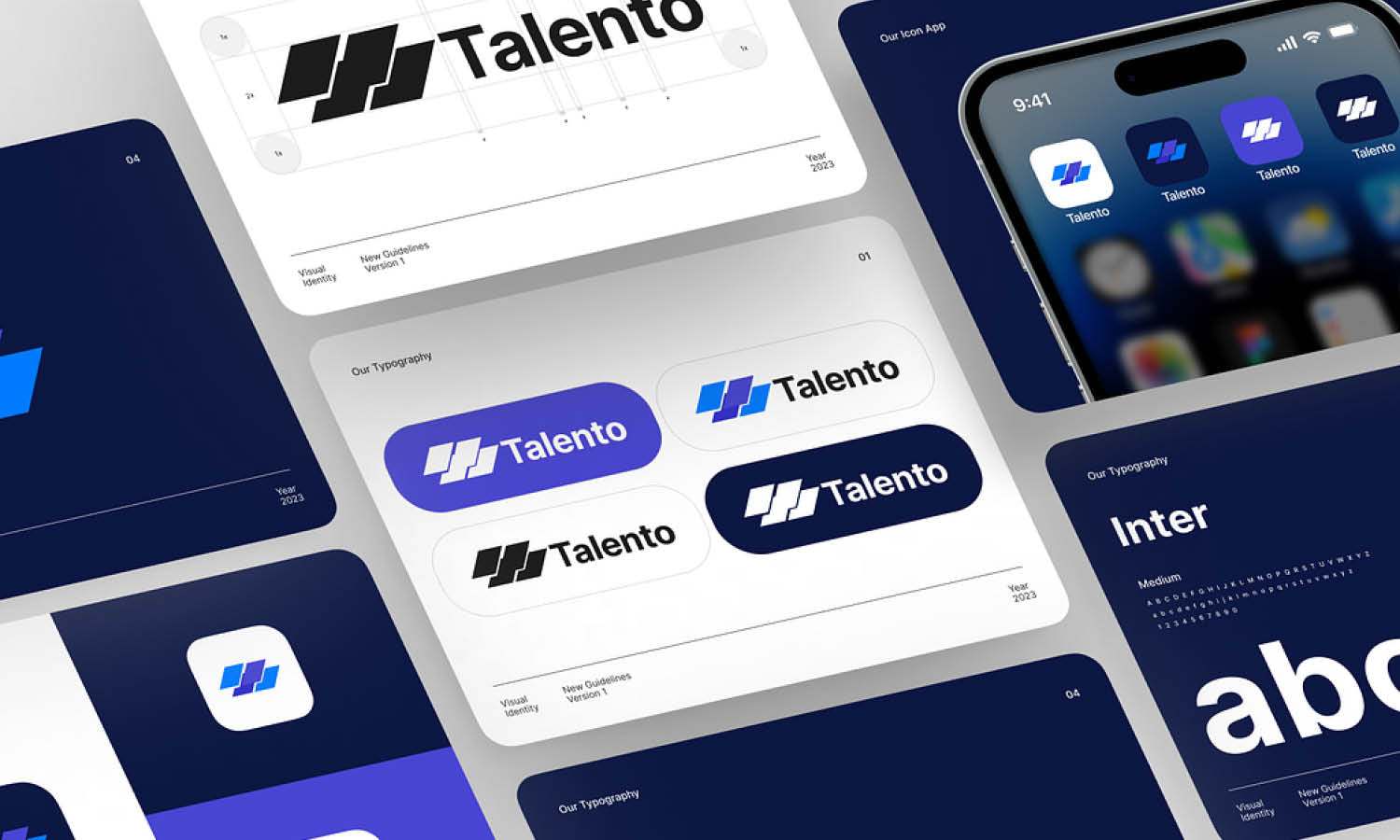
Different applications require different logo arrangements. A horizontal layout often works well for website headers, banners, and signage, while stacked layouts can fit square or vertical spaces more effectively. Creating multiple approved versions ensures consistency across various platforms without sacrificing quality or readability. The visual relationship between the symbol and text should remain consistent regardless of the arrangement. Each variation should feel like part of the same identity system.
Standalone Symbol And Text Variations
As a brand grows, opportunities often arise to use the symbol independently. Social media profile images, mobile app icons, and product labels frequently benefit from simplified logo versions. Preparing standalone symbol and text variations during the design process creates greater flexibility later. These versions should remain visually connected to the primary logo while functioning effectively on their own. Planning these alternatives early helps create a stronger and more adaptable brand identity.
Common Mistakes To Avoid In Combination Marks Logo Design
Overcomplicating The Design
One of the most common mistakes is attempting to communicate too many ideas at once. Complex illustrations, excessive details, and multiple concepts often weaken recognition. Strong logos focus on a clear visual message. Simplicity improves memorability and usability across different formats.
Following Trends Too Closely
Design trends can provide inspiration, but relying on them too heavily may reduce long-term relevance. What feels modern today may appear outdated within a few years. A timeless approach often creates greater value because it supports brand consistency over extended periods.
Ignoring Scalability
Scalability is essential for effective logo performance. A logo should function equally well on a social media icon, website header, product package, or large display. Testing size variations early helps identify potential issues before implementation. Logos that maintain clarity across all sizes provide greater flexibility and stronger brand recognition.

Source: Ramotion, Flatfile Branding, Dribbble, https://dribbble.com/shots/20119924-Flatfile-Branding-business-logo-design-brand-sign-logotype
Testing Your Combination Marks Logo Before Finalizing
Real-World Application Checks
Before approving a logo, test it in realistic situations. Place it on websites, social media profiles, packaging mockups, printed materials, and promotional items. These tests reveal how the logo performs outside the design software environment. They also highlight potential issues related to visibility, spacing, or readability.
Gathering Useful Feedback
Feedback can provide valuable insights when collected thoughtfully. Focus on questions related to clarity, recognition, and overall impression rather than personal style preferences. Ask whether viewers understand the brand name easily, recognize the symbol quickly, and remember the overall design after viewing it. Constructive feedback often identifies opportunities for refinement that improve the final result without changing the core concept.
Conclusion
A successful combination marks logo design brings together a meaningful symbol and effective typography in a balanced, unified composition. Every decision—from symbol selection and font choice to spacing and layout—contributes to how audiences experience the brand. The most effective designs prioritize clarity, memorability, flexibility, and consistency. Rather than relying on trends or excessive visual complexity, they focus on creating a strong connection between graphics and text. By carefully balancing these elements and testing the logo in real-world situations, you can create a visual identity that remains recognizable and useful across different platforms. A thoughtfully designed combination mark provides a strong foundation that can support a brand's growth for years to come.
Let Us Know What You Think!
Every information you read here are written and curated by Kreafolk's team, carefully pieced together with our creative community in mind. Did you enjoy our contents? Leave a comment below and share your thoughts. Cheers to more creative articles and inspirations!
Related Articles






Leave a Comment