
Perfect Guide To Create A Good Word Mark Logo Design

Source: Nick Zotov, Kayeden Wordmark Design, Dribbble, https://dribbble.com/shots/21759311-Kayden-Wordmark-Design
A wordmark logo is one of the most recognizable forms of branding because it places the company name at the center of the visual identity. Rather than relying on symbols, mascots, or illustrations, a wordmark uses typography to communicate personality, professionalism, and memorability. Some of the world's most recognizable brands have proven that a carefully crafted wordmark can become just as powerful as any graphic icon. Creating an effective wordmark logo design involves much more than choosing a font and typing a business name. Every detail, from letter spacing and proportions to customization and scalability, influences how audiences perceive a brand. A strong wordmark must be easy to read, visually balanced, and distinctive enough to stand apart from competitors. This guide focuses on the essential principles that help transform a simple business name into a professional and memorable logo that supports long-term brand recognition.
What Makes A Word Mark Logo Different From Other Logo Types
A wordmark logo is unique because the company name itself becomes the logo. Instead of using a separate graphic element, the typography carries the full responsibility of representing the brand.
Understanding The Core Purpose Of A Word Mark
The primary goal of a wordmark is to build name recognition. When customers repeatedly see the brand name presented in a distinctive style, they begin associating that visual treatment with the company. This direct connection helps strengthen brand recall over time.
Comparing Word Marks With Other Logo Styles
Unlike lettermarks that rely on initials, wordmarks display the full business name. Combination marks use both text and symbols, while emblem logos often place text inside a graphic shape. Symbol-based logos depend heavily on visual icons. A wordmark keeps the focus entirely on typography, making every letter important.
When A Word Mark Is The Right Choice
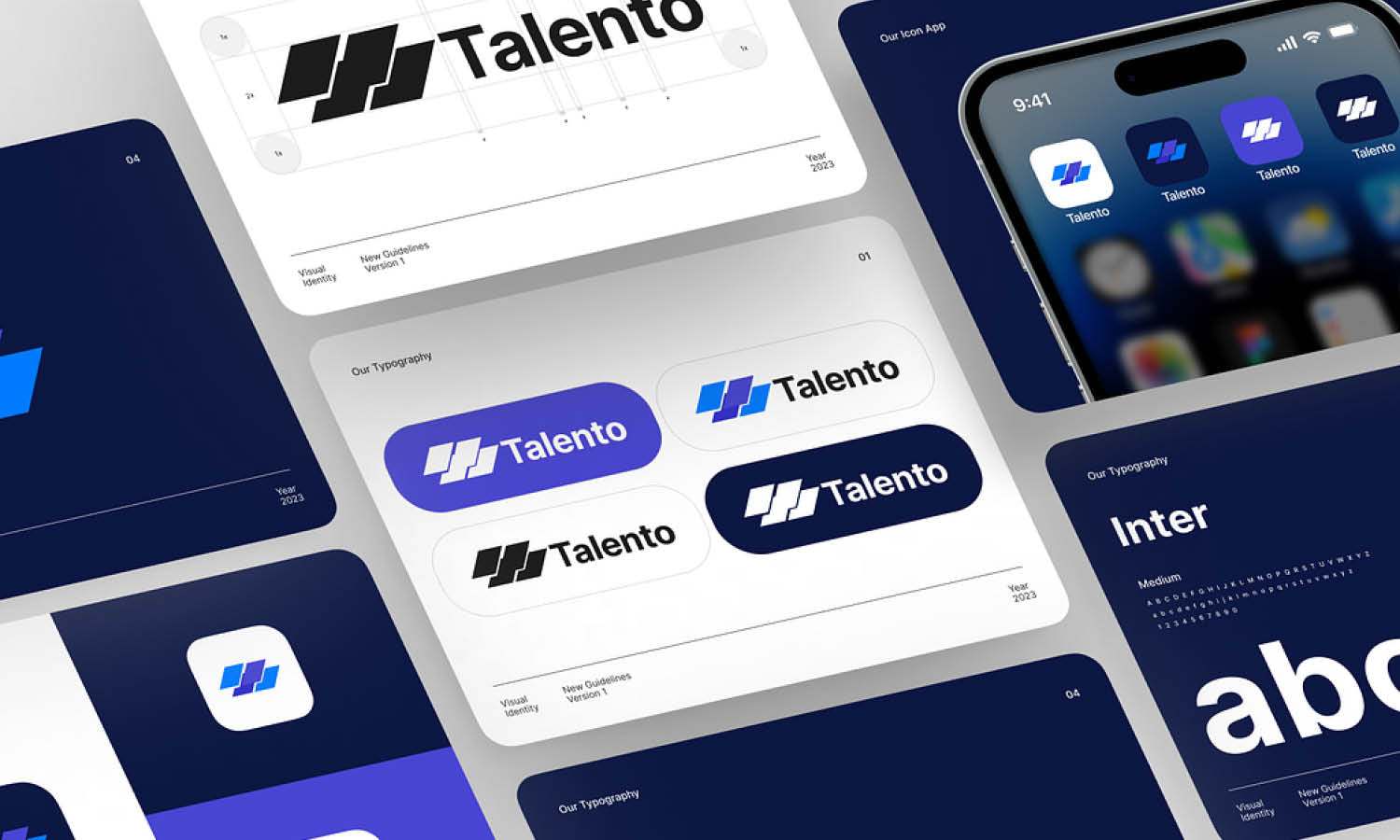
A wordmark logo design works especially well for businesses with distinctive names that deserve visibility. It is often effective for startups, creative brands, professional services, and companies seeking a clean and modern identity. If the business name itself is memorable, a wordmark can become a powerful branding tool.
Choosing The Right Typography For Your Brand Personality
Typography is the foundation of every successful wordmark logo design. The font style immediately influences how people interpret a brand before they read a single sentence about the company.
Serif Fonts And Traditional Brand Appeal
Serif typefaces feature small decorative strokes at the ends of letters. These fonts often communicate heritage, trust, expertise, and professionalism. Brands that want to appear established, refined, or authoritative frequently benefit from serif typography.
Sans Serif Fonts And Modern Simplicity
Sans serif fonts remove decorative strokes and focus on clean lines. They often create a contemporary appearance that feels approachable and versatile. Many technology companies, creative agencies, and modern consumer brands prefer sans serif typography because it performs well across digital platforms and remains highly readable.
Custom Typography And Unique Brand Recognition
While standard fonts can provide a strong starting point, custom modifications often create the most memorable results. Small adjustments to selected letters can help a wordmark become instantly recognizable without making it difficult to read. Custom typography allows designers to introduce distinctive characteristics that competitors cannot easily duplicate. Whether it involves altering a single character, creating a custom ligature, or refining letter proportions, thoughtful customization can transform an ordinary wordmark into a signature brand asset. The goal is not to reinvent every letter but to create a subtle visual identity that feels unique and purposeful.
Creating Visual Balance Through Letter Spacing And Proportion
Great typography depends on more than the letterforms themselves. The way letters interact with each other has a significant impact on how professional a logo appears.
Understanding Kerning And Tracking
Kerning refers to the spacing between individual letter pairs, while tracking adjusts spacing across an entire word. Poor spacing can make a logo appear awkward, crowded, or disconnected. Careful adjustments help create a smooth and comfortable reading experience.
Balancing Thick And Thin Letterforms
Every word contains a visual rhythm. Some letters naturally appear wider or heavier than others. Designers must balance these differences so the wordmark feels cohesive rather than uneven. Proper proportion helps maintain harmony throughout the logo.
Maintaining Readability At Different Sizes
A wordmark must remain effective whether displayed on a billboard or a mobile screen. Testing the logo at various sizes helps reveal readability issues before they become branding problems. Clear typography should remain recognizable regardless of scale.

Source: VASK Studio, BLEND Brand Identity, Dribbble, https://dribbble.com/shots/20468539-BLEND-Brand-Identity
Adding Personality Without Sacrificing Simplicity
One challenge of creating a wordmark logo design is finding ways to make it memorable without overcomplicating the typography.
Using Subtle Letter Modifications
Small adjustments can have a major impact. Designers may refine letter endings, connect selected characters, or introduce unique geometric details. These modifications create personality while preserving readability. A subtle approach often works better than dramatic alterations. Viewers should notice something distinctive about the logo without struggling to understand the word itself.
Creating Distinctive Brand Recognition
Strong wordmarks frequently contain one memorable feature that helps differentiate them from competitors. This might involve a customized character, a unique alignment, or a clever visual relationship between letters. These details contribute to long-term recognition while maintaining a professional appearance.
Avoiding Decorative Excess
Adding too many decorative elements can weaken a logo. Excessive flourishes, effects, and stylistic treatments often distract from the brand name rather than enhance it. Simplicity allows the typography to remain clear, adaptable, and timeless.
Testing Your Word Mark Logo Design Across Real-World Applications
A logo may look impressive on a design canvas yet struggle when applied in practical situations. Testing is an essential step before finalizing any wordmark.
Digital Platforms And Social Media
Websites, mobile apps, and social media profiles often require logos to appear at relatively small sizes. Testing the wordmark in these environments helps confirm that letters remain readable and balanced.
Print Materials And Packaging
Business cards, brochures, packaging, and signage each present different challenges. Reviewing the logo in both large and small print applications helps identify potential issues with spacing, proportions, or legibility.
Black And White Performance
Color can enhance a logo, but it should never be responsible for making the design work. A strong wordmark logo design remains recognizable in black and white. Testing without color helps ensure that the typography itself carries the brand identity effectively.
Common Mistakes That Weaken A Word Mark Logo Design
Even well-intentioned design decisions can reduce the effectiveness of a wordmark if they are not carefully evaluated.
Following Font Trends Too Closely
Typography trends change regularly. A font that feels fashionable today may look dated within a few years. Choosing typography based solely on trends can shorten the lifespan of a logo and increase the likelihood of future redesigns.
Ignoring Readability
Uniqueness should never come at the expense of clarity. If customers struggle to read the company name, the logo fails to perform its primary function. Readability should remain a priority throughout the design process.
Overcomplicating Letter Customization
Customization can improve recognition, but excessive modifications often create confusion. Designers sometimes alter too many letters in an attempt to appear creative. A more restrained approach usually produces stronger and more professional results.

Source: Vadim Carazan, AVIA Logo Concept, Dribbble, https://dribbble.com/shots/20666187-AVIA-logo-concept
Building A Timeless Word Mark That Supports Long-Term Branding
Timeless wordmarks focus on clarity, balance, and strategic design choices rather than temporary visual trends. They remain effective because they prioritize communication over decoration. A strong wordmark logo design should adapt comfortably across evolving marketing channels, technologies, and applications. Consistency helps customers recognize the brand regardless of where they encounter it. This reliability strengthens trust and familiarity over time. Long-term success also depends on flexibility. The logo should perform equally well on digital platforms, printed materials, packaging, and future branding initiatives. Investing extra time in refinement often produces a logo that remains relevant for years. Rather than chasing novelty, focus on creating a distinctive yet practical identity. When typography, spacing, customization, and readability work together, the result is a wordmark that supports brand growth while maintaining a professional and recognizable presence.
Conclusion
A successful wordmark logo design transforms a company name into a memorable visual identity through thoughtful typography and careful refinement. The strongest wordmarks rely on more than attractive fonts. They balance readability, spacing, proportion, personality, and versatility to create a logo that performs consistently across different applications. By choosing typography that reflects the brand, refining letter relationships, introducing meaningful customization, and testing the design in real-world situations, you can create a logo that remains effective for years. The most impactful wordmarks are often the simplest. When clarity, distinction, and brand personality work together, a wordmark becomes a powerful asset that helps customers recognize and remember your business.
Let Us Know What You Think!
Every information you read here are written and curated by Kreafolk's team, carefully pieced together with our creative community in mind. Did you enjoy our contents? Leave a comment below and share your thoughts. Cheers to more creative articles and inspirations!
Related Articles






1 comment
Thank you for this insight. I now have a better understanding on the creation of a word mark logo. its time to put this to good use.
Enang Emmanuel
Leave a Comment