
30 Best Ambigram Logo Design Ideas You Should Check

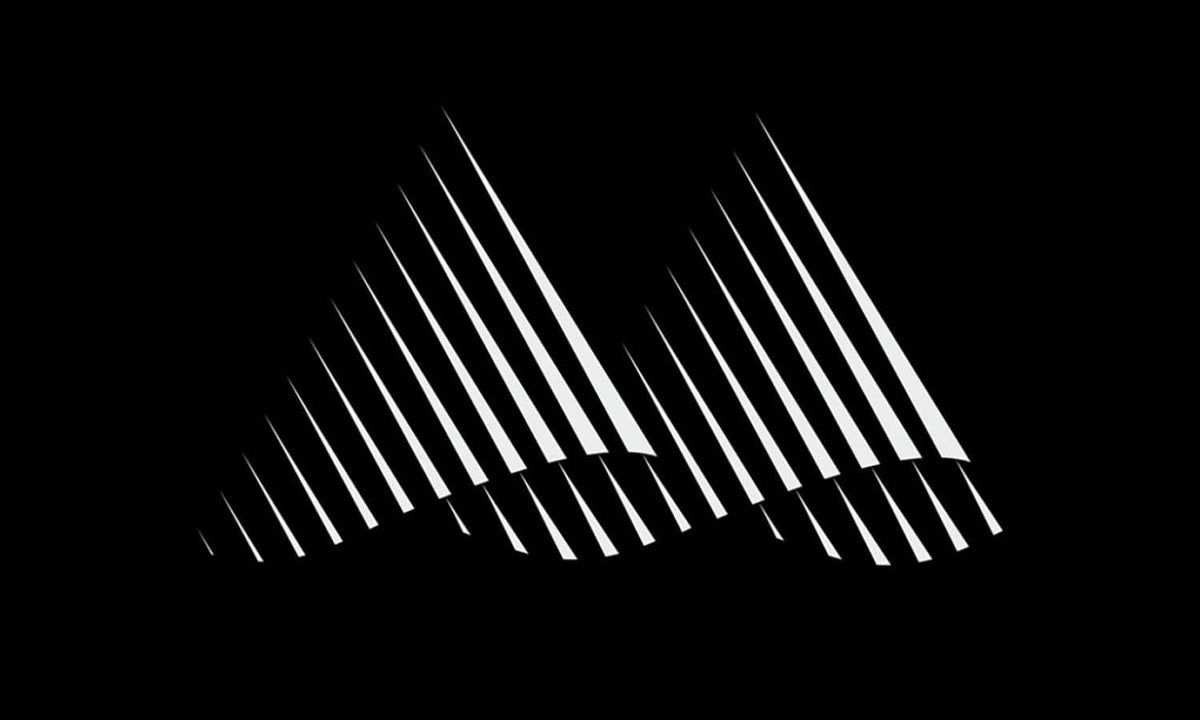
Source: Martin Schmetzer, Notre Tattoo, Dribbble, https://dribbble.com/shots/9006080-N
Exploring ambigram logo design ideas means working with typography more experimentally. Letter shapes need to cooperate, spacing has to remain controlled, and every transformation must still feel intentional. The best results often come from surprisingly simple structural decisions rather than elaborate visual effects. For designers, ambigrams offer an opportunity to turn a name or set of initials into something interactive. The challenge is to preserve clarity while introducing that moment of visual discovery, creating a logo that works both as branding and as a cleverly constructed piece of lettering.
Ambigram Logo Design Ideas

Source: Shane, DG Ambigram, Dribbble, https://dribbble.com/shots/3838247-DG-Ambigram

Source: Arda Design Studio, Knd-Qnd, Dribbble, https://dribbble.com/shots/15484678-KND-QND-ambigram-logo

Source: Sean Brice, Brice, Dribbble, https://dribbble.com/shots/14787286-Ambigram-name-mark-personal-brand

Source: Josué Delazeri, Fialho, Dribbble, https://dribbble.com/shots/1604114-Ambigram-logo

Source: Saifuddin Mahmud, Potpod Cast, Behance, https://www.behance.net/gallery/238240443/potpod-cast-Ambigram-Logo

Source: Creaziz, HNS, Dribbble, https://dribbble.com/shots/18220643-HNS-Ambigram-Logo

Source: Jabir J3, Awesome, Dribbble, https://dribbble.com/shots/3858054-Awesome-Ambigram

Source: Tyler Anthony, TA, Dribbble, https://dribbble.com/shots/14869007-TA-monogram-ambigram

Source: Kakha Kakhadzen, Kakha Kakhadzen, Dribbble, https://dribbble.com/shots/2661422-N-Grid

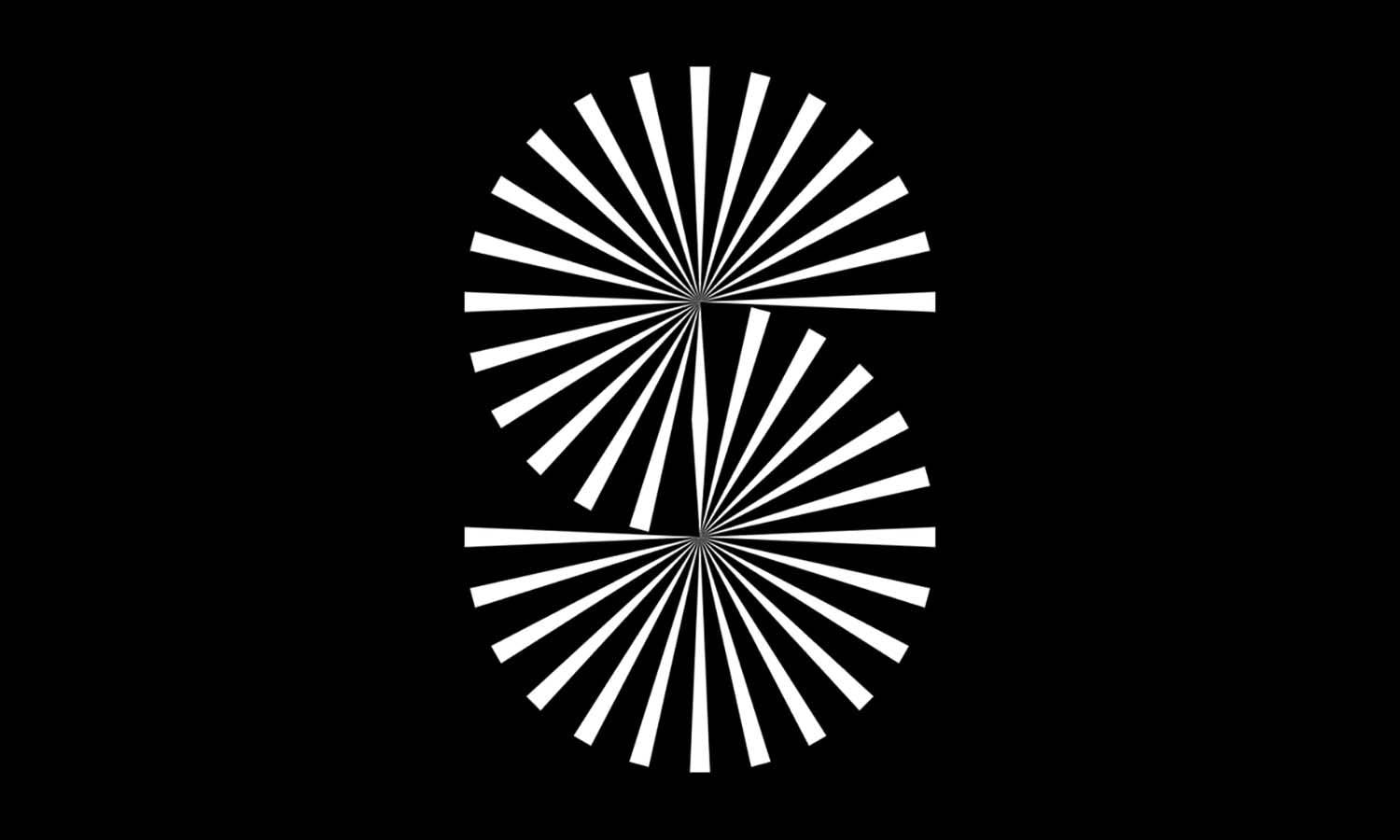
Source: George Bokhua, George Bokhua, Dribbble, https://dribbble.com/shots/18476718-S-letterform

Source: Zaki F Atmazaini, Rhaya Flicks, Behance, https://www.behance.net/gallery/239196333/Rhaya-Flicks-Logo

Source: Rayyan Design, ASV, Behance, https://www.behance.net/gallery/199228319/ASV-ambigram-logo

Source: Afifudin Zuhri, Sysderma, Dribbble, https://dribbble.com/shots/17073641-Sysderma-Logo

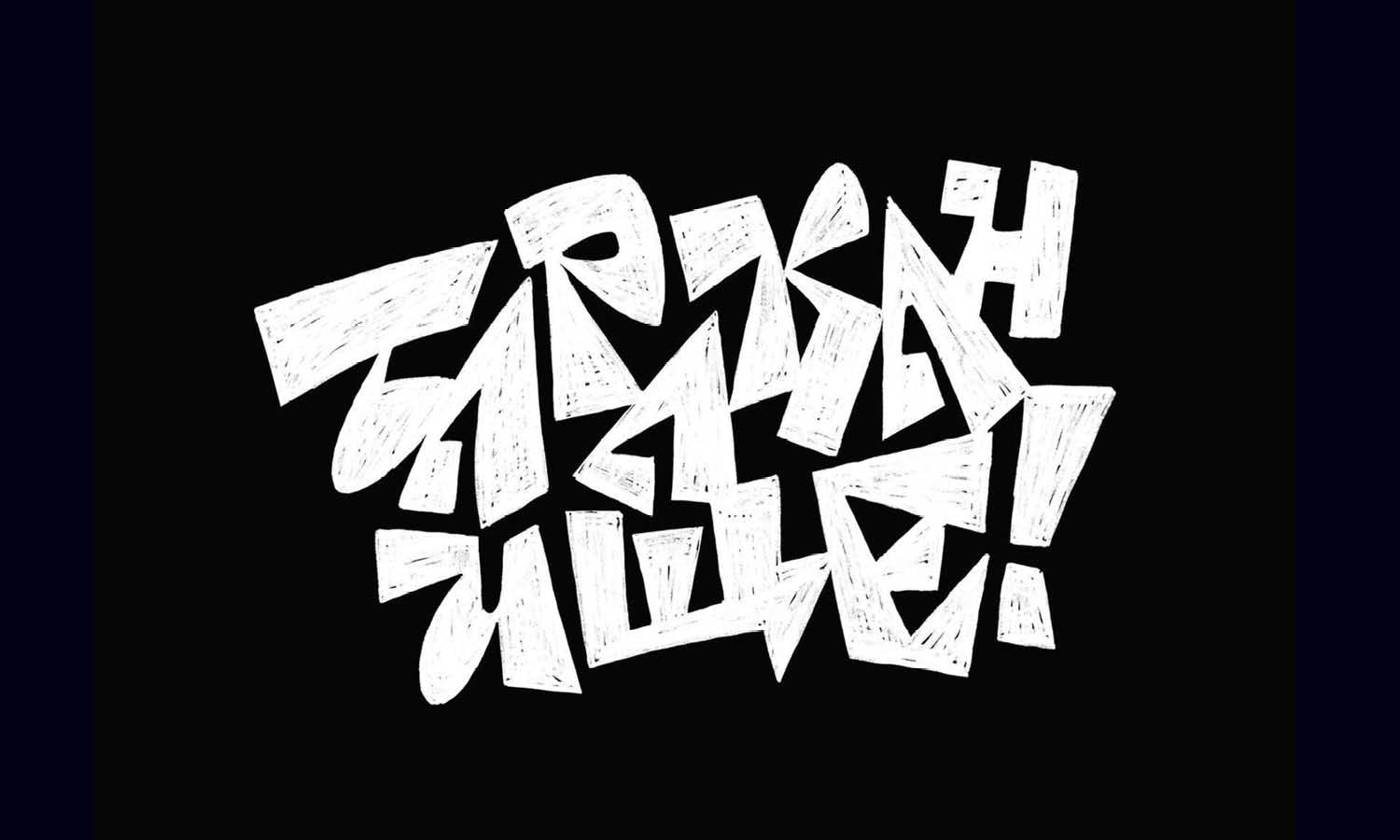
Source: Awoga Ranger, Shark Ambigram, Dribbble, https://dribbble.com/shots/19688051-Shark-Ambigram-Line-Art-Logo

Source: Antoine Goulet, Tatin, Behance, https://www.behance.net/gallery/184438689/Tatin


Source: Igor Borisenko, Ayos & Kartlos, Dribbble, https://dribbble.com/shots/3964610-Ayos-Kartlos

Source: Farzana Mim, Decimal, Behance, https://www.behance.net/gallery/235917887/Decimal-An-ambigram-design

Source: Jake Dunham, Grim, Dribbble, https://dribbble.com/shots/3716562-Grim-Ambigram

Source: Farzana Mim, The Loop, Behance, https://www.behance.net/gallery/236139973/The-Loop-An-ambigram-design

Source: Szymon Golis, 23, Dribbble, https://dribbble.com/shots/2271216-23-Logo

Source: Chintak Shah, WM, Dribbble, https://dribbble.com/shots/5394432-WM-Ambigram

Source: Mark Farris, USA, Dribbble, https://dribbble.com/shots/3715368-USA-Ambigram

Source: Lucas Fields, Maximum World, Dribbble, https://dribbble.com/shots/20898827-Maximum-World-Logo-Design

Source: Kakha Kakhadzen, Kakha Kakhadzen, Dribbble, https://dribbble.com/shots/18266045-N

Source: MisterShot, Noir, Dribbble, https://dribbble.com/shots/5886426-Noir-Ambigram

Source: Omnium, Omnium, Dribbble, https://dribbble.com/shots/15695481-S-Ambigram

Source: Jeroen van Eerden, NT, Dribbble, https://dribbble.com/shots/14610446-NT-Ambigram

Source: Kakha Kakhadzen, 39 Ambigram, Dribbble, https://dribbble.com/shots/8812312-39-Ambigram

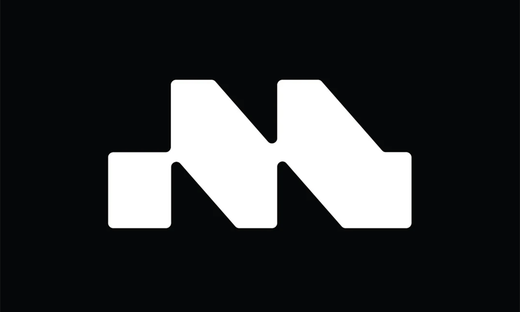
Source: Martin Schmetzer, Notre Tattoo, Dribbble, https://dribbble.com/shots/9006080-N
Creative Directions for Ambigram Logo Design Ideas
Ambigrams can take several forms, and each approach creates a different visual experience. Choosing the right structure early can make the design process much more focused.
Rotational Wordmarks
A rotational ambigram typically reads the same word after being turned 180 degrees. This is one of the most recognizable approaches because the transformation is easy to demonstrate and immediately interactive. Words with repeated characters or letters that share similar shapes often provide useful starting points. Designers can also modify forms so that one letter becomes another after rotation.
Reflective Ambigrams
Reflective ambigrams use horizontal or vertical mirroring instead of rotation. The reflected version may repeat the same word or reveal a related interpretation. This approach often works well with letterforms that contain strong vertical structures or balanced curves. Simpler lettering usually produces a cleaner reflection because too many decorative details can make the mirrored reading difficult to recognize.
Ambigram Monograms
Initials offer more freedom because fewer characters need to work together. A pair of letters can be merged into a compact reversible symbol, making monograms particularly useful for personal brands, studios, fashion labels, or boutique businesses. Because the mark is short, designers have more room to experiment with overlapping strokes, shared shapes, and negative space.
Dual-Word Concepts
Some ambigrams reveal one word in one position and a different word after rotation or reflection. These are more difficult to construct, but they can create especially memorable identities when the two words share a meaningful relationship. The pairing matters. Words connected through contrast, partnership, transformation, or complementary ideas usually make the visual change feel more intentional.
Letterform Techniques That Make Ambigrams Work
Most effective ambigram logos require more than selecting an existing font. Designers usually need to reshape, combine, or rebuild characters so that each form can support more than one reading.
Shared Letter Structures
Start by comparing the basic anatomy of the letters involved. A curved stroke in one character may become the bowl of another, while a diagonal can serve as a stem after rotation. Finding these shared structures early makes the design feel less forced. Instead of trying to disguise one letter inside another, the goal is to identify shapes both characters can genuinely share.
Modified Stems and Crossbars
Small structural adjustments often make a large difference. A crossbar can be moved, shortened, or angled so it functions differently after transformation. Stems may be curved or extended to create another recognizable feature when inverted. These changes work best when they still resemble familiar letter anatomy in the primary reading.
Controlled Curves and Flourishes
Curves can help connect letters that would otherwise be difficult to transform. They are especially useful in serif, script, and decorative ambigrams. Flourishes should solve a structural problem rather than hide one. Excess ornament can quickly make the mark harder to read, particularly when several curves overlap after rotation.
Consistent Stroke Weight
Custom letters may be built individually, but they should still belong to the same visual system. Maintaining similar stroke thickness, contrast, and terminal treatment helps the finished wordmark feel unified.
Matching the Ambigram Style to the Brand
The underlying transformation may stay the same, but the character of an ambigram changes dramatically depending on its visual style. Choosing an appropriate aesthetic helps the logo communicate more than clever construction.
Minimal Geometric Forms
Geometric ambigrams rely on simple lines, circles, angles, and carefully measured spacing. They can suit technology companies, modern studios, digital products, or brands that want a clean and precise identity. Reducing the number of elements also makes the transformation easier to understand at a glance.
Elegant Serif Lettering
Serif forms can give ambigrams a more refined or editorial quality. Contrasting strokes and carefully shaped terminals offer additional opportunities for one letter to transform into another. The difficulty lies in restraint. Too many ornamental details can interfere with the rotational relationship, so the strongest serif concepts usually keep decoration controlled.
Bold Display Lettering
Thick, expressive letterforms can create ambigrams with a strong visual presence. This direction can work for music, gaming, entertainment, streetwear, or other identities that benefit from an energetic appearance. Heavy lettering also creates larger areas of positive and negative space, which designers can manipulate to hide secondary shapes.
Organic Hand-Drawn Forms
A hand-drawn approach can introduce personality into an otherwise highly structured concept. Uneven curves, expressive strokes, and subtle imperfections may suit creative studios, craft businesses, or artistic brands. Even with a loose appearance, the underlying geometry should remain deliberate so the transformation does not feel accidental.
Balancing Readability and Visual Surprise
The most technically complex ambigram is not automatically the most successful. If viewers need too much time to understand the word, the transformation can become frustrating rather than satisfying.
Prioritize the First Reading
The logo should communicate clearly in its most common orientation. Viewers are unlikely to rotate every mark they encounter, so the initial reading needs to work independently. The second interpretation is more effective when it feels like a discovery rather than a requirement for understanding the brand name.
Simplify Ambiguous Characters
Certain letters will naturally create more difficulty than others. Instead of adding extra strokes to force a match, try simplifying both forms until they share a clearer structure. Testing several constructions often reveals that the simplest version produces the strongest illusion.
Use Negative Space Carefully
Empty areas can become active parts of the design. A counter, gap, or space between strokes may create a secondary letter when the mark is turned. Negative space works best when it remains visually clean. If too many hidden shapes compete within the same area, the logo can become muddy at smaller sizes.
Avoid Overengineering
Not every stroke needs to perform multiple tricks. Sometimes one strong transformational relationship is enough to make the entire logo memorable. Allowing certain elements to remain straightforward can improve both readability and visual balance.
Testing and Refining an Ambigram Logo
Ambigram design often requires more testing than a conventional wordmark because every adjustment affects at least two visual states. Refinement should therefore happen throughout the process rather than only at the end.
Rotate and Reflect Frequently
Check both orientations after every significant change. A modification that improves one reading may accidentally weaken the other. Viewing the design upside down, mirrored, and from a distance can reveal spacing problems that are easy to miss while focusing closely on individual letters.
Test Different Sizes
Details that look elegant on a large artboard may disappear when the logo is used as a profile image, favicon, label, or small print mark. Reduce the design regularly during development. If counters close up or decorative strokes merge, simplify them before finalizing the artwork.
Check in Black and White
Color can make an ambigram more expressive, but it should not be responsible for making the transformation understandable. Testing the mark in solid black exposes weak silhouettes, inconsistent spacing, and unclear negative spaces. If the logo works in monochrome, color can later enhance rather than rescue it.
Gather Fresh Readability Feedback
Designers often become too familiar with their own constructions. Someone seeing the mark for the first time provides more useful information about how quickly it can be understood. Ask viewers what they read before explaining the concept. Their first reactions can reveal whether the transformation feels intuitive or overly complicated.
Frequently Asked Questions
What Types of Words Work Best for Ambigram Logos?
Shorter words are often easier because fewer letter relationships need to be solved. Repeated letters, symmetrical shapes, and characters with similar structures can also help. However, there is no strict formula. A more difficult word may still produce a strong ambigram if the designer is willing to customize the lettering extensively.
Can an Ambigram Logo Use Two Different Words?
Yes. Some ambigrams reveal one word in the first orientation and another after rotation or reflection. These designs are especially effective when the words share a meaningful connection, such as opposites, paired concepts, or related brand ideas. The main challenge is keeping both readings clear without forcing the typography.
Do Ambigram Logos Need Custom Lettering?
Most do. Existing typefaces can provide inspiration or a starting framework, but standard characters rarely align perfectly for rotational or reflective transformations. Custom lettering allows designers to reshape stems, curves, terminals, and spacing while preserving enough familiar anatomy for the letters to remain recognizable.
How Can an Ambigram Logo Stay Readable at Small Sizes?
Simplify the construction as much as possible. Use clear counters, controlled spacing, consistent stroke widths, and limited decoration. Small-size testing should happen throughout the design process rather than after completion. If important details disappear when reduced, the structure usually needs refinement rather than additional visual effects.
Conclusion
Ambigram design is less about making typography perform a clever trick and more about finding unexpected relationships inside letterforms. The process often begins with imperfect sketches, awkward rotations, and characters that almost work before the right structural connection appears. That experimentation is where the most distinctive ambigram logo design ideas emerge. By studying shared shapes, simplifying difficult letters, and testing every orientation carefully, designers can create marks that feel surprising without becoming confusing. A successful ambigram earns attention twice: first as a strong logo and then again when the viewer notices that the lettering has another way to be read.
Let Us Know What You Think!
Every information you read here are written and curated by Kreafolk's team, carefully pieced together with our creative community in mind. Did you enjoy our contents? Leave a comment below and share your thoughts. Cheers to more creative articles and inspirations!
Article Meta Description
Flip your perspective with stunning ambigram logo design ideas. Discover clever, symmetrical creations that transform words into unforgettable visual art.
Related Articles






Leave a Comment