
10 Tips To Create A Good Letter R Logo Design

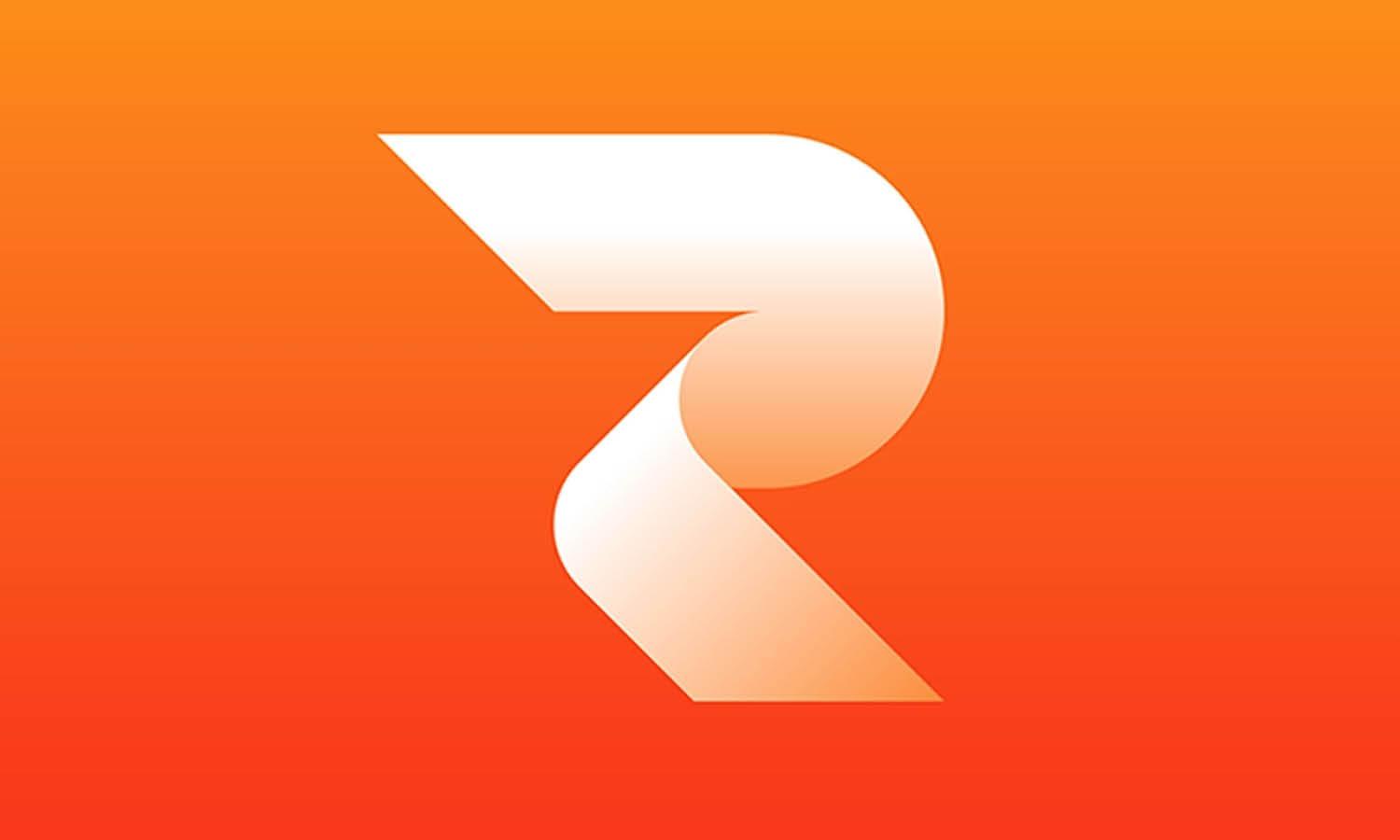
Source: Gert van Duinen, Dribbble, https://dribbble.com/shots/15904963-R-mark
A well-crafted letter logo can communicate a brand's personality with remarkable simplicity, and the letter R offers plenty of creative opportunities. Its combination of straight lines and flowing curves makes it suitable for everything from elegant luxury brands to energetic startups. However, creating an effective letter R for logo design involves much more than choosing an attractive font. Every curve, proportion, and detail should contribute to a recognizable identity that works across digital and printed materials. If you're designing a logo around the letter R, focusing on clarity, balance, and originality will help you achieve stronger results. Small design decisions can significantly influence how people perceive your brand, making it worthwhile to refine each element carefully. The following tips will help you create a letter R for logo design that looks professional, remains memorable, and continues to perform well as your brand grows.
Understand The Brand Before Sketching The Letter R
Every effective letter R for logo design begins with understanding the brand rather than experimenting with visual ideas. Although the letter itself provides a solid foundation, its final appearance should reflect the company's personality, values, and audience. A financial firm, for example, may benefit from a structured and dependable look, while a creative studio can explore more expressive forms. Before sketching, define the message the logo should communicate.
Keep The Letter R Instantly Recognizable
Creativity can make a logo memorable, but it should never come at the expense of recognition. A successful letter R for logo design still needs to look like the letter R at first glance. If viewers have to stop and figure out which letter they are seeing, the design loses much of its impact. The best logos balance originality with immediate readability.
Balance Creativity And Readability
Custom curves, geometric shapes, or artistic strokes can give the letter R a distinctive appearance without hiding its core structure. Preserve the vertical stem, rounded bowl, and diagonal leg so the character remains familiar. Even highly stylized designs should allow people to identify the letter quickly across different applications.
Avoid Overcomplicated Letterforms
Adding excessive decorative details often makes a logo look cluttered rather than unique. Keep unnecessary lines, overlapping shapes, and complex effects to a minimum. A cleaner letterform is easier to recognize on websites, business cards, packaging, social media profiles, and mobile screens, ensuring the logo remains effective wherever it appears.
Build The Strong And Balanced Structure
A memorable letter R for logo design depends on more than an attractive outline. The proportions of each component determine how stable and professional the logo appears. Even subtle adjustments to the stem, bowl, or diagonal leg can change the overall impression.
Refine The Stem, Bowl, And Leg
The three main parts of the letter should work together naturally. A stem that is too thin beside a heavy bowl creates imbalance, while an oversized leg can make the character feel awkward. Experiment with different proportions until each element supports the others without dominating the composition. Consistent stroke widths also help the logo appear polished.
Create Comfortable Visual Balance
Balance isn't always about perfect symmetry. Instead, focus on visual weight so the logo feels stable whether it appears alone or beside a wordmark. Review the spacing between curves and straight lines, and adjust areas that feel crowded or empty. A balanced structure improves readability while giving the logo a more refined appearance across both digital and print applications.

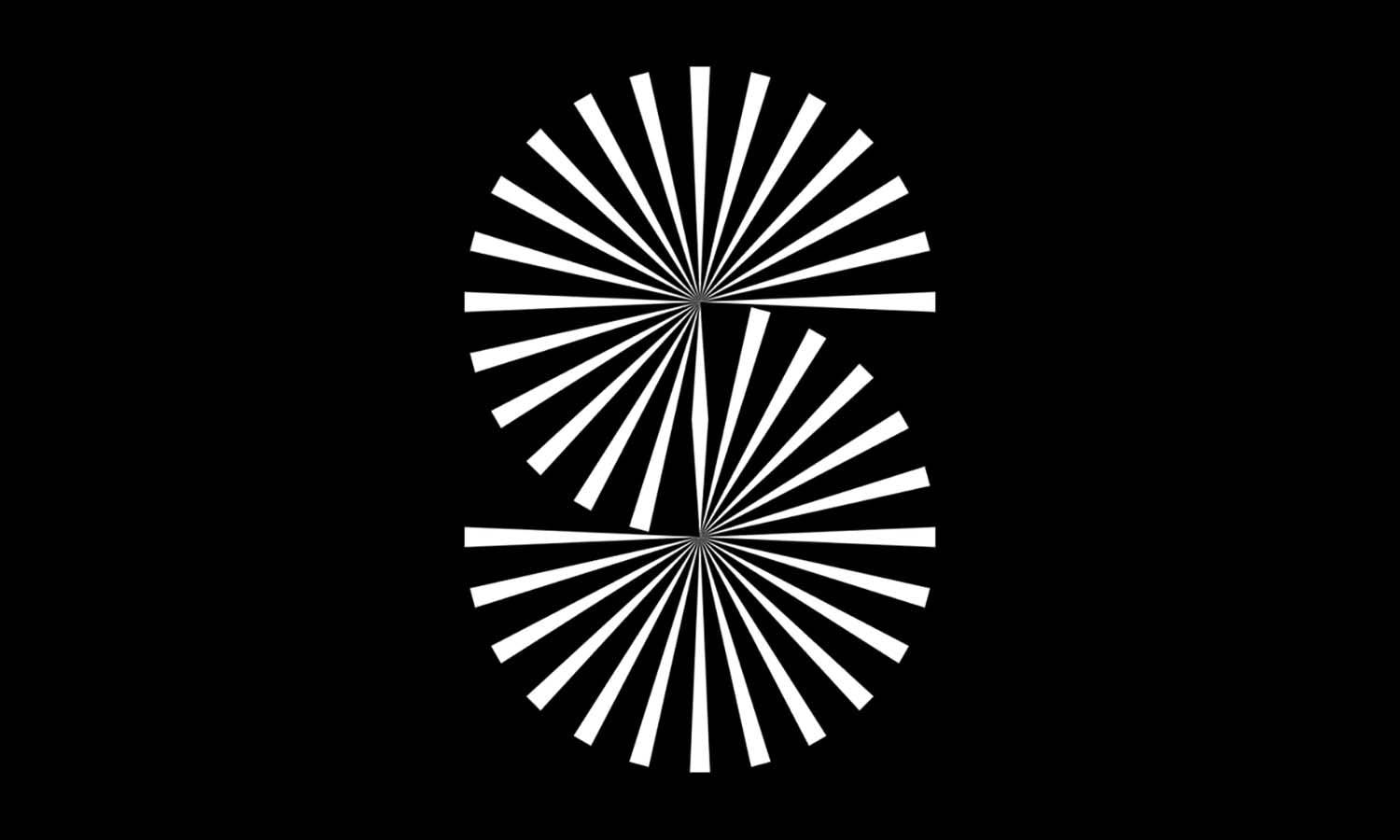
Source: Second Eight, Dribbble, https://dribbble.com/shots/17447065-Rase-Logo-Branding-Identity-Design
Choose A Style That Matches The Brand Identity
The same letter R can communicate completely different personalities depending on its visual style. Rather than following current design trends, select a direction that supports the brand's character. A style chosen with purpose creates a stronger emotional connection and helps the logo remain relevant over time.
Modern And Minimal
Simple geometric forms, clean edges, and restrained details create a contemporary appearance. This approach works well for technology companies, digital services, startups, and professional businesses that value clarity and efficiency. Removing unnecessary decoration also improves scalability across different media.
Elegant And Classic
Thin strokes, graceful curves, and carefully balanced proportions can give the letter R a timeless personality. Luxury brands, beauty businesses, and premium services often benefit from this refined approach because it communicates sophistication without excessive ornamentation.
Bold And Dynamic
Strong angles, heavier strokes, or slightly exaggerated proportions create a more energetic impression. Sports brands, entertainment companies, gaming businesses, and creative agencies frequently use this style to express confidence, movement, and excitement.
Add Unique Details Without Overloading The Design
One advantage of creating a custom letter R for logo design is the opportunity to develop a distinctive identity that cannot be replicated with a standard font. Small design details often make a logo memorable, but they should enhance the letter instead of distracting from it. The strongest concepts usually rely on one signature feature rather than several competing ideas. Consider modifying the terminal, extending a curve, introducing a subtle geometric cut, or creating a custom connection between strokes.
Select Typography That Complements The Logo
Although the letter R may function as the primary logo mark, the accompanying typography plays an equally important role in creating a cohesive identity. The font chosen for the business name should support the custom letter rather than compete with it. When both elements share similar characteristics, the entire logo appears more polished and intentional.
Match Font Personality With Brand Character
A clean sans-serif font pairs naturally with a modern letter R, while a refined serif typeface can reinforce elegance and tradition. Handwritten or script fonts may suit creative businesses but should be used carefully to maintain readability. Instead of selecting a font simply because it looks attractive, consider how well it reflects the brand's voice and complements the logo's style.
Maintain Consistency Across Brand Materials
Typography should remain consistent wherever the logo appears. Using the same typeface family on websites, packaging, presentations, and marketing materials strengthens visual recognition and creates a unified brand experience. Even if different font weights are used, maintaining a consistent typographic style helps customers recognize the brand more easily over time.
Use Negative Space With Purpose
Negative space can transform a simple letter into a logo that feels clever and memorable. Instead of treating empty areas as leftover space, use them intentionally to improve clarity or introduce subtle visual interest. When applied thoughtfully, negative space gives a letter R for logo design additional depth without making it more complicated. A small cutout, hidden shape, or carefully placed opening can create a unique signature while preserving the integrity of the letterform.

Source: Dmitry Lepisov, Dribbble, https://dribbble.com/shots/14677299-Rising-Logo-Concept
Test The Logo At Different Sizes
An attractive design on a large computer screen may not perform equally well when reduced to a small icon. Testing different sizes is an essential step in developing a reliable letter R for logo design because it reveals problems that are easy to overlook during the creative process.
Check Small Digital Applications
Reduce the logo to favicon size, mobile app icons, and social media profile images. Fine details, thin strokes, or decorative cuts that disappear at small scales should be simplified. The letter should remain recognizable within only a few seconds of viewing.
Verify Large-Format Visibility
Enlarge the logo for signage, banners, posters, and vehicle graphics. At larger sizes, uneven curves, inconsistent line thickness, or awkward proportions become much more noticeable. Viewing the logo across multiple scales ensures it maintains clarity, balance, and professionalism regardless of where it is displayed.
Choose Colors That Strengthen The Design
Color has a powerful influence on how people perceive a logo, but it should enhance the design rather than become its defining feature. A successful letter R for logo design remains recognizable even before color is introduced. Building a strong letterform first allows the logo to stay effective across different backgrounds, printing methods, and digital platforms.
Start With A Strong Monochrome Version
Begin by designing the logo in black and white. This approach shifts your attention to shape, proportion, and balance instead of relying on color for visual impact. If the letter R looks distinctive in a monochrome version, it will usually perform even better once brand colors are added. I
Add Brand Colors Strategically
Once the structure is finalized, introduce a limited color palette that reflects the brand's personality. Blue often communicates trust, green suggests growth, black conveys sophistication, and red expresses energy, but context always matters.
Review, Refine, And Gather Feedback Before Finalizing
The strongest logos rarely emerge from the first draft. Taking time to evaluate multiple versions helps reveal subtle improvements that can significantly increase the logo's effectiveness. Before approving the final design, review it objectively and confirm that every element supports the intended brand identity.
Compare Multiple Variations
Develop several versions with different proportions, stroke weights, spacing, or stylistic details instead of committing to the first concept. Viewing these variations side by side makes it easier to identify which design feels the most balanced, recognizable, and distinctive.
Collect Objective Feedback
Ask designers, colleagues, or members of the intended audience for honest opinions. Encourage them to describe what the logo communicates before explaining your design goals. Their first impressions can reveal whether the letter is immediately recognizable and whether the personality aligns with the brand.
Make Final Refinements
Use feedback to polish rather than completely redesign the logo. Refine spacing, simplify unnecessary details, improve consistency, and test the finished design one final time across multiple sizes and backgrounds. These final adjustments help ensure your letter R for logo design is ready for long-term use and capable of representing the brand with confidence.
Conclusion
Creating a successful letter R for logo design involves much more than styling a single character. Every decision, from understanding the brand and refining proportions to selecting typography, using negative space, testing scalability, and choosing colors, contributes to the final result. The most effective logos combine simplicity with originality, allowing the letter to remain instantly recognizable while expressing a unique brand personality. By approaching each stage with careful attention instead of rushing toward the finished design, you can develop a logo that looks professional today and continues to represent the brand effectively across changing platforms, audiences, and applications for years to come.
Let Us Know What You Think!
Every information you read here are written and curated by Kreafolk's team, carefully pieced together with our creative community in mind. Did you enjoy our contents? Leave a comment below and share your thoughts. Cheers to more creative articles and inspirations!
Related Articles





Leave a Comment