Avoid Costly Design Errors: How Precision CNC Machining Transforms Product Aesthetics for Industrial Designers

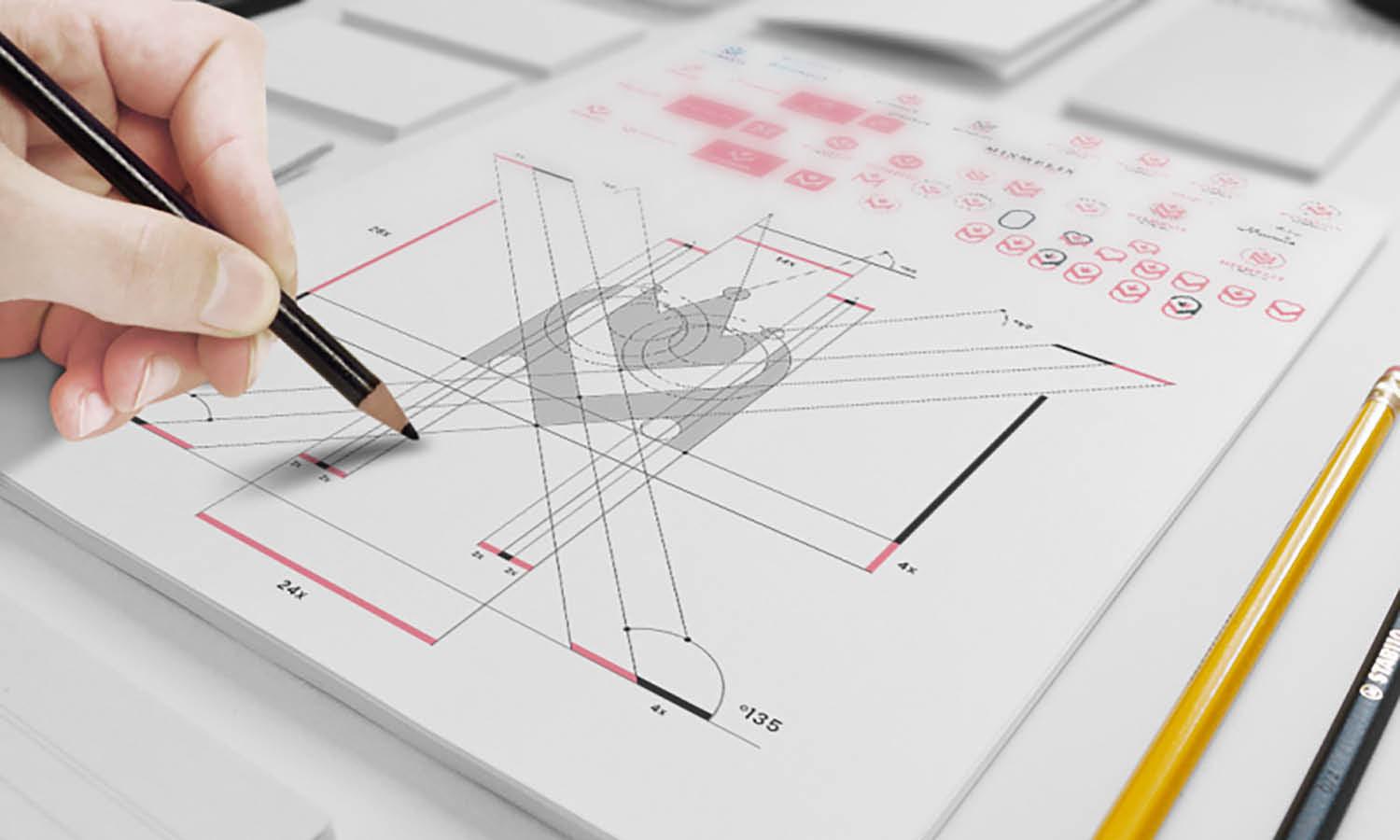
Figure1: Precision CNC machining bridges the gap between digital design intent and physical reality, enabling the creation of complex, high-tolerance parts with superior surface finishes.
Introduction
Industrial designers frequently face significant challenges when translating innovative design concepts into physical products. Issues such as prototype deviations, aesthetic compromises, and cost overruns are common. While methods like 3D printing are useful for initial validation, they often fall short in meeting requirements for high precision, strength, or small-batch production. The root cause of these problems often lies in a failure to adequately consider manufacturing constraints during the design phase, leading to repeated revisions and extended development cycles.
This article will explore how Precision CNC Machining serves as a systematic solution to ensure design intent is perfectly realized, while also optimizing costs. This process adheres to rigorous engineering standards, underscoring a commitment to quality. The following sections will analyze in detail how CNC machining acts as a critical bridge between digital design and physical reality .
What Are the Key Challenges in Translating Design Concepts into Physical Products?
Transforming creative designs into tangible products requires overcoming several significant hurdles. These challenges, if not properly addressed, can directly lead to project delays, budget overruns, and a final product that fails to meet expectations.
Material Limitations and Performance Gaps
The ideal material selected during the design phase may prove difficult to machine, prohibitively expensive, or lacking in the required physical properties during prototyping or production. For instance, an intended matte finish might be unachievable due to material characteristics, or a thin-wall design might warp because of insufficient material strength.
Tolerance Stack-up and Assembly Errors:
Minor inaccuracies in individual components can accumulate when multiple parts are assembled, leading to uneven gaps, impaired movement, or functional failure. It is estimated that approximately 30% of design iterations stem from manufacturability issues, with improper tolerance setting being a primary factor
Implementing systematic quality control for Product Prototyping, such as adhering to a framework like ISO 9001, can help mitigate these risks by ensuring consistency from design to production .
Inconsistent Surface Finishing
Difficulty in Replicating Aesthetic Surfaces:
The subtle textures, high-gloss chamfers, or specific colors showcased in design renderings can be difficult to replicate during trial production due to process limitations, creating a sensory disconnect between the physical object and the digital model.
Defects from Process Incompatibility:
Subsequent surface treatment processes like painting or anodizing may not be compatible with the initial CNC machining parameters, potentially causing issues such as coating peeling or uneven color, which compromise both aesthetics and durability
How Does Precision CNC Machining Ensure Aesthetic and Functional Integrity?

Figure2: Schematic of 5-axis CNC machining capabilities, allowing for intricate contours and high-precision tolerances essential for both aesthetic and functional part requirements.
Precision CNC machining ensures the integrity of a product's aesthetics and function through its exceptional accuracy and repeatability. It directly converts digital models into physical entities with minimal need for compromise.
Modern five-axis CNC machines can process complex geometries and organic curves from multiple angles in a single setup, a capability difficult to achieve with traditional methods. This is essential for demanding applications, such as medical device housings requiring extreme tolerances as tight as ±0.005mm . Furthermore, it provides a superior foundation for high-end aesthetic effects. Through precise milling and turning, mirror finishes or specific textures can be achieved directly on the part, often eliminating the need for secondary finishing.
The core of this Precision Craftsmanship lies in absolute control over the process. By optimizing the CNC machining process, including the precise calculation of cutting parameters and paths, designers can prevent deformation caused by stress relief during machining, ensuring the structural stability of delicate features . This level of control guarantees that every detail accurately reflects the original design intent.
What Role Does Material Selection Play in Achieving Design Intent?
Materials serve as the physical carrier of design intent; their selection directly influences a product's aesthetic appeal, tactile feel, and longevity. Precision CNC machining offers a vast platform for the application of Material Innovation, freeing designers from the constraints of traditional materials.
Aesthetic Performance and High-end Texture:
CNC machining is compatible with a wide array of materials. Aluminum and stainless steel not only allow for high dimensional accuracy but can also be enhanced through subsequent anodizing, sandblasting, or polishing to achieve diverse surfaces, from vibrant colors to sophisticated matte finishes, thereby elevating the product's visual value
Balancing Performance and Cost-EEffectiveness:
The CNC machining cost is closely tied to material selection. For example, opting for aerospace aluminum for low-volume, high-strength components might offer better overall cost-effectiveness than standard steel. Engineers and designers can refer to authoritative resources to compare the mechanical properties, machinability, and cost of different materials
Specialty Materials Unlock New Designs:
Engineering Plastics and Composites:
High-performance engineering plastics like PEEK and ULTEM offer a combination of strength, chemical resistance, and light weight, making them ideal for functional and appearance parts in medical or consumer electronics sectors, thereby expanding the boundaries of Industrial Design
Value Realization of Hard-to-Machine Materials:
For materials like titanium or Inconel, although the raw material and processing costs are higher, their exceptional strength-to-weight ratio, biocompatibility, or resistance to extreme environments can provide irreplaceable value for high-end products, fully leveraging the capabilities of precision CNC machining
How Can Designers Optimize for Manufacturability to Reduce Costs?
Design for manufacturability is a proactive design philosophy that involves considering manufacturing constraints early in the product design phase. It is the most effective means of controlling costs, with early DFM intervention potentially reducing overall project costs by up to 20% .Key strategies include simplifying unnecessary complex features to reduce machining time and the need for specialized tools; standardizing and loosening tolerances in non-critical areas, as tighter tolerances exponentially increase machining costs; and designing for tool accessibility to avoid internal sharp corners or overly deep cavities that cannot be machined.
Implementing these cost reduction principles often requires close collaboration between design and manufacturing teams. For complex projects, engaging professional CNC machining services for a free DFM analysis is a prudent step to avoid pitfalls and achieve efficient manufacturing .
What Are the Benchmarks for Quality in Precision Manufacturing?
In the realm of precision manufacturing, quality is not an abstract concept but is defined by internationally recognized certifications and standards. These benchmarks are the cornerstone of customer confidence.Certifications such as ISO 14001 focus on environmental management sustainability, while AS9100D is among the most stringent quality management system standards for the aerospace industry.
Choosing a supplier holding these certifications signifies a production process with traceability, systematic defect prevention mechanisms, and a culture of continuous improvement. This rigor translates directly into product reliability. For instance, a critical automotive component achieved zero-defect production through such a certified system. Therefore, investing in certified precision manufacturing is not merely about purchasing parts; it is an investment in supply chain reliability and the long-term value of building brand identity through precision parts, representing the highest level of quality assurance.
How Does CNC Machining Support Iterative Prototyping for Creative Projects?
The creative process is inherently iterative, and precision CNC machining excellently supports this need, accelerating the transition from design to reality. Unlike 3D printed prototypes primarily used for form verification, CNC produced prototypes are much closer to the final product in terms of material properties, mechanical strength, and surface quality.
This allows designers to test real-world part assembly, feel, and even durability early in the development cycle, enabling timely identification of issues and design modifications. For a consumer electronics product, a fully functional CNC prototype can go from design file to testable unit in as little as 5 days. This ability to rapidly produce functional prototypes empowers designers to confidently experiment with more complex structures and integrated designs, exploring creative technical solutions unattainable by traditional methods, thereby truly unleashing innovative potential .
Conclusion
In summary, precision CNC machining is far more than a manufacturing method; it is a strategic partner in realizing industrial design vision. By leveraging unparalleled precision control, broad material compatibility, and the early integration of design for manufacturability, it systematically resolves the classic conflict between aesthetics and functionality, innovation and feasibility. It seamlessly and accurately anchors designers' creativity from the digital realm into the physical world, avoiding costly errors and ensuring product competitiveness.
Author Bio
This article was authored by precision manufacturing experts with extensive industry experience. The insights are based on years of hands-on practice in high-end manufacturing. The experts are from JS Precision, a precision manufacturing supplier holding ISO 9001 and AS9100D certifications, dedicated to providing customized manufacturing solutions for global industrial designers and engineers.
Designers with projects in the concept or design phase who wish to ensure optimal cost and quality for production are invited to visit the company's Rapid Prototype CNC machining services page to obtain a free Design for Manufacturability analysis.
FAQs
Q1: What is CNC machining?
A: CNC machining is a subtractive manufacturing process where computer-controlled tools remove material from a workpiece to create precise parts. It ensures high accuracy for complex designs, commonly used in industries like aerospace and medical devices.
Q2: How does precision CNC machining reduce costs for small batches?
A: By optimizing tool paths and material usage, precision CNC minimizes waste and setup time. Early design collaboration avoids costly revisions, making it economical for prototypes and low-volume production.
Q3: What materials are best for aesthetic-focused CNC parts?
A: Aluminum and stainless steel offer excellent finish options like anodizing, while plastics like PEEK provide strength and lightness. Material choice balances aesthetics, function, and cost.
Q4: How do certifications like ISO 9001 impact part quality?
A: Certifications ensure rigorous quality control systems, reducing defects and ensuring consistency. They are critical for industries requiring traceability and reliability, such as medical or automotive.
Q5: Can CNC machining handle highly intricate designs?
A: Yes, with 5-axis machines, CNC can produce complex geometries and fine details that traditional methods cannot, maintaining tight tolerances for innovative designs.
Related Articles