
10 Tips To Create A Good Wave Logo Design

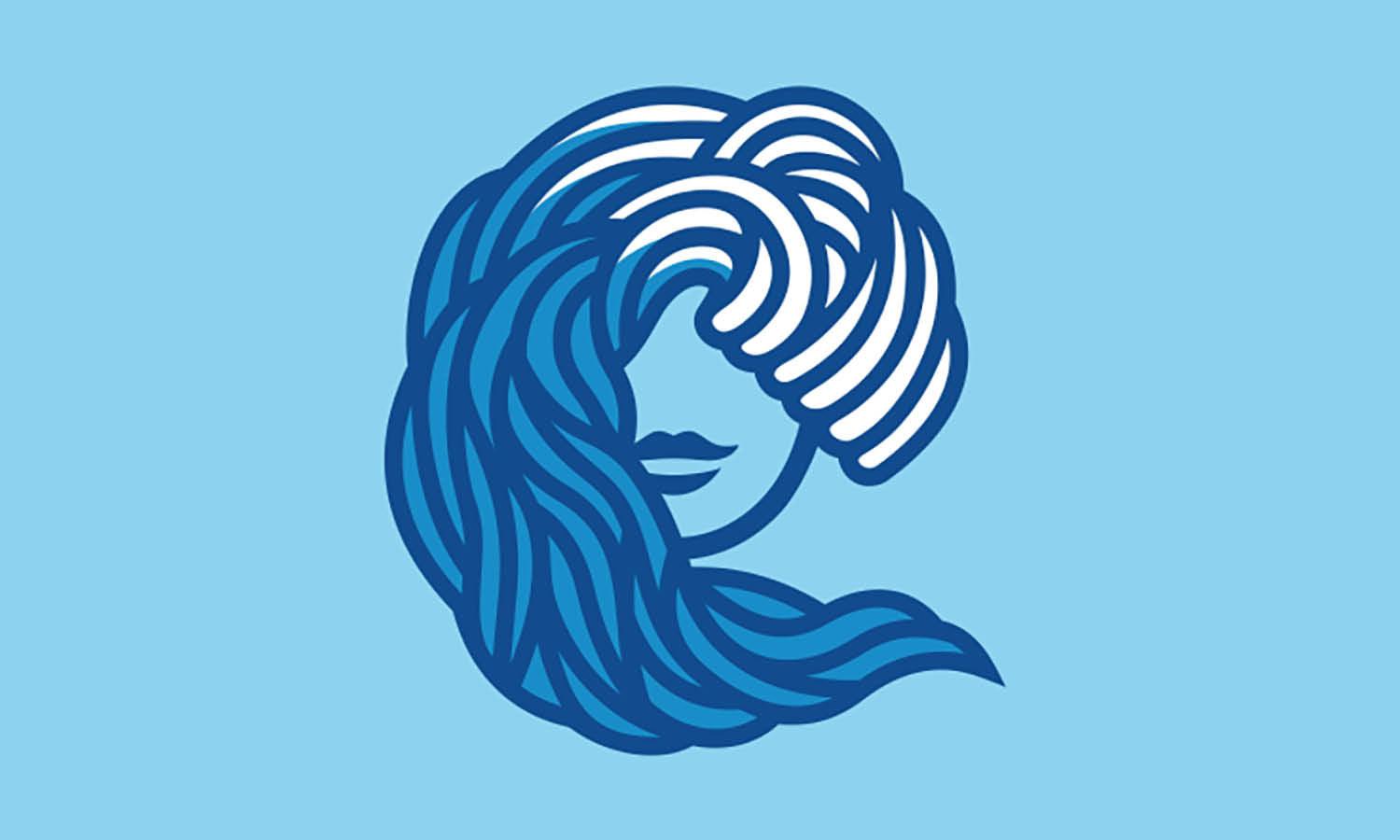
Source: Yoga Perdana, Dribbble, https://dribbble.com/shots/17459154-Wave-Logo
Created by Yoga Perdana | https://dribbble.com/shots/17459154-Wave-Logo
A well-crafted logo is one of the most important elements of a brand’s visual identity. Among the many creative directions available, a wave logo design stands out for its ability to convey movement, energy, and harmony. Waves are often associated with the ocean, nature, and a sense of calm, making them a versatile symbol for many industries such as surf brands, travel companies, wellness businesses, and environmental organizations.
A good wave logo design does more than simply display a wave shape. It communicates the personality of a brand through flowing lines, balanced composition, and thoughtful color choices. The smooth curves of a wave can represent flexibility, progress, and natural rhythm, which helps create a memorable and meaningful visual mark.
Designing an effective wave logo requires careful planning and creativity. Designers must consider elements such as the style of the wave, the relationship between symbols and typography, and how the design will appear across different platforms. A strong concept combined with clean execution can turn a simple wave graphic into a powerful brand symbol.
In this article, we will explore practical tips to help you create a compelling wave logo design. These insights will guide you through important design decisions and help ensure that your final logo feels balanced, distinctive, and visually appealing.
Understanding The Meaning Of Wave Logo Design
Before starting any creative process, it is important to understand the symbolism behind a wave logo design. Waves are powerful natural elements that represent movement, energy, change, and balance. Because of these meanings, waves can communicate many positive brand values such as innovation, freedom, flow, and natural harmony. Understanding this symbolism helps designers create a logo that feels meaningful rather than purely decorative.
A wave logo design is commonly used by brands related to the ocean, travel, surfing, water sports, and marine businesses. However, the concept of waves is not limited to coastal industries. Waves can also represent continuous growth, fresh ideas, and emotional calm, making them suitable for wellness brands, technology startups, and creative agencies. The flowing shape of a wave naturally communicates motion and progress, which many brands want to express.
When designing a wave logo design, it is helpful to think about the message the brand wants to deliver. A soft and smooth wave may suggest relaxation and peace, while a sharp or dynamic wave can communicate strength and excitement. The style of the wave can greatly influence how audiences perceive the brand.
By understanding the deeper meaning behind wave imagery, designers can create a wave logo design that feels authentic and purposeful. This foundation allows the logo to connect with audiences visually and emotionally, helping the brand build a memorable and lasting identity.
Researching The Brand Identity Before Designing
A successful wave logo design always begins with a clear understanding of the brand it represents. Before sketching ideas or choosing colors, designers should spend time researching the company’s identity, values, and target audience. This step ensures that the final design reflects the brand’s personality rather than simply looking attractive.
Every brand has its own story, mission, and tone of communication. Some businesses want to appear calm and relaxing, while others aim to look bold and energetic. A wave logo design should support these goals by using shapes, lines, and visual styles that align with the brand message. For example, a wellness brand may benefit from gentle wave curves, while a surfing company might prefer a stronger and more dramatic wave form.
It is also useful to analyze competitors and industry trends during the research stage. Understanding how other companies use wave logo design elements can help designers find opportunities to create something distinctive. Instead of copying existing styles, research helps designers identify gaps where a unique visual identity can stand out.
By carefully studying the brand identity, designers can build a wave logo design that feels consistent with the company’s overall image. This thoughtful approach leads to a logo that not only looks appealing but also communicates the brand’s story clearly and effectively.
Choosing The Right Wave Shape And Style
The shape and style of the wave play a major role in the success of a wave logo design. Waves can be illustrated in many ways, from minimal curved lines to detailed ocean-inspired graphics. Selecting the right wave style helps ensure the logo reflects the brand’s personality and message. A clean and simple wave often works well for modern brands, while a more detailed wave can give a logo a bold and artistic appearance.
When developing a wave logo design, designers should explore different forms such as circular waves, cresting waves, or abstract flowing lines. Each form can communicate a different mood. For example, a gentle rolling wave can create a sense of calm and balance, while a sharp breaking wave may convey power, excitement, and movement. Understanding how these shapes influence perception helps designers craft a logo that feels appropriate for the brand.
Another important consideration is balance. The wave should integrate smoothly with other design elements such as typography or supporting symbols. If the wave shape is too complex, it may overwhelm the rest of the logo. On the other hand, an overly simple shape may fail to communicate the intended concept clearly.
Experimenting with sketches and variations can help designers discover the most effective wave form. By refining the curves and proportions, a wave logo design can achieve a natural and visually pleasing flow. The right shape ultimately creates a logo that feels dynamic, memorable, and visually harmonious.

Source: Pedro Julien, Dribbble, https://dribbble.com/shots/7165931-Wave-Id-Grid
Created by Pedro Julien | https://dribbble.com/shots/7165931-Wave-Id-Grid
Using Colors That Reflect Water And Energy
Color selection plays a crucial role in shaping the visual impact of a wave logo design. Because waves are closely connected with water and nature, certain color palettes naturally complement this concept. Shades of blue are the most common choice because they represent the ocean, calmness, and reliability. Light blues can suggest freshness and clarity, while deeper blues often convey trust and strength.
However, a wave logo design does not always have to rely solely on blue tones. Designers can explore other colors to communicate different emotions or brand values. Turquoise and aqua shades can add a tropical and refreshing feeling, while gradients can help create depth and movement within the wave itself. Some brands even incorporate contrasting colors like orange or yellow to represent sunlight, warmth, and energy.
It is also important to consider color balance and simplicity. Using too many colors may make the logo appear cluttered and difficult to reproduce across different mediums. A well-planned palette with two or three harmonious colors often produces a more professional and recognizable wave logo design.
Testing the color choices in different backgrounds and formats is also helpful. A strong wave logo design should remain clear whether it appears on a website, product packaging, or promotional materials. With thoughtful color selection, the wave symbol can feel vibrant, meaningful, and visually engaging.
Creating Smooth And Natural Wave Lines
One of the defining features of a successful wave logo design is the quality of its lines. Waves in nature move smoothly and rhythmically, so the lines used in a logo should reflect that same natural flow. Sharp or awkward curves can make the design feel forced, while smooth and balanced lines create a more professional and visually pleasing result.
When designing a wave logo design, it is helpful to focus on fluid curves and consistent proportions. The crest, slope, and base of the wave should transition naturally from one point to another. Designers often begin with simple sketches to explore the motion of the wave before refining the shape digitally. This process helps capture a sense of movement that feels organic rather than mechanical.
Vector design tools are especially useful for refining wave lines. By adjusting anchor points and curve handles, designers can create clean and elegant shapes that scale well across different sizes. The goal is to maintain a sense of motion while keeping the structure visually balanced.
Another useful technique is observing real ocean waves for inspiration. Studying how waves form, rise, and break can provide valuable insight into creating more authentic curves. Even abstract wave symbols benefit from referencing natural forms.
Ultimately, smooth and natural lines help a wave logo design appear polished and harmonious. When the curves flow effortlessly, the logo communicates energy, balance, and motion in a way that feels both attractive and memorable.
Keeping The Wave Logo Design Simple And Memorable
Simplicity is one of the most important principles in logo creation, and it plays a key role in a successful wave logo design. A simple design is easier for audiences to recognize, remember, and associate with a brand. While waves can be illustrated in many complex ways, the most effective logos often rely on clear and minimal forms.
When developing a wave logo design, designers should focus on removing unnecessary details. Clean lines, balanced shapes, and limited visual elements help the logo remain clear and versatile. A complicated wave illustration might look impressive at first glance, but it can become difficult to recognize when the logo is scaled down or viewed from a distance.
A simple wave symbol also makes the logo more adaptable. Whether the design appears on a website, product label, business card, or social media profile, it should remain easy to understand. A streamlined wave logo design ensures the brand identity stays consistent across different platforms.
Memorability is closely connected to simplicity. When the wave shape is unique yet uncomplicated, viewers can quickly recall the brand after seeing the logo. This recognition helps strengthen brand awareness over time.
By prioritizing clarity and minimalism, designers can create a wave logo design that stands out without overwhelming the viewer. A clean and memorable logo often leaves a stronger and more lasting impression than a design filled with unnecessary complexity.
Combining Waves With Complementary Symbols
A wave logo design can become even more distinctive when it is thoughtfully combined with complementary symbols. While a single wave shape can already communicate movement and fluidity, adding supporting elements can strengthen the overall message of the brand. These additional symbols should always enhance the design rather than distract from the main concept.
Many designers pair wave elements with icons that relate to the brand’s industry or values. For example, a wave logo design for a surf company might incorporate a surfboard or sun, while a travel brand could include a horizon line or palm tree. Environmental organizations sometimes combine wave imagery with leaves or circular shapes to highlight nature and sustainability.
The key to successfully combining symbols is maintaining visual balance. The wave should remain the central focus while the supporting element plays a complementary role. If the additional symbol becomes too large or detailed, it may overpower the wave and weaken the design.
Designers should also ensure that the shapes flow naturally together. The curve of the wave can guide the placement of other elements, creating a harmonious composition. For example, the wave could wrap around a symbol or form a base that supports the rest of the logo.
By carefully integrating complementary symbols, a wave logo design can communicate more meaning while maintaining clarity. This approach helps the logo feel unique and relevant to the brand, making it more engaging and memorable to audiences.

Source: Roma Korolev, Dribbble, https://dribbble.com/shots/14509889-S-with-water-waves-concept
Selecting Typography That Matches The Flow
Typography plays a vital role in shaping the personality of a wave logo design. The style of the lettering should complement the flowing movement of the wave symbol rather than clash with it. When the typography and wave element work together harmoniously, the entire logo appears more balanced and visually appealing.
Fonts with soft curves and smooth strokes often work well in a wave logo design. Script fonts, rounded sans-serif fonts, and modern clean typefaces can echo the natural flow of water. These styles help reinforce the sense of movement and calmness that waves typically represent.
However, the choice of typography should always reflect the brand identity. A relaxed beach brand may benefit from casual and playful lettering, while a technology company using a wave symbol might prefer a more minimal and modern font. The key is to ensure that the typography supports the message conveyed by the wave graphic.
Spacing and alignment are also important considerations. The text should not feel crowded or disconnected from the symbol. Designers often place the wave above the text, beside it, or subtly integrated within the lettering to create a cohesive composition.
When typography is carefully selected and balanced with the graphic element, a wave logo design becomes more unified and professional. The right font choice helps strengthen the brand’s visual identity while enhancing the natural rhythm and elegance of the wave symbol.
Ensuring The Logo Works In Different Sizes
A practical and effective wave logo design must perform well at different sizes. Logos appear in many places, from large website headers and signage to small icons on social media profiles or mobile apps. Because of this variety, designers need to ensure that the wave logo design remains clear, recognizable, and visually balanced regardless of scale.
One common mistake in logo design is adding too many details. While intricate wave illustrations may look impressive in large formats, they can become difficult to see when the logo is reduced in size. Small details may blur together or disappear completely. A clean and simplified wave logo design helps maintain clarity even when the logo is displayed as a small icon.
Designers should regularly test the logo at multiple sizes during the design process. Viewing the wave logo design at large, medium, and very small dimensions helps identify any readability issues. If certain elements become unclear, it may be necessary to simplify shapes or adjust spacing.
Another useful approach is creating responsive variations of the logo. A full version may include the wave symbol and brand name, while a simplified icon version might use only the wave element. This flexibility allows the wave logo design to adapt easily across digital and print platforms.
By ensuring the logo remains effective at every size, designers create a wave logo design that is versatile and practical. A scalable logo strengthens brand recognition and guarantees consistent visual identity across all media.
Testing The Wave Logo Design Across Various Media
After completing the visual concept, the next important step is testing the wave logo design across different media. A logo rarely appears in only one place. It may be displayed on websites, social media profiles, packaging, business cards, merchandise, and advertising materials. Each platform presents unique conditions that can affect how the design is perceived.
Testing helps ensure that the wave logo design remains clear and visually appealing in every context. Designers should preview the logo on both light and dark backgrounds to confirm that the colors maintain good contrast. This process also helps reveal whether the wave symbol and typography remain readable under different lighting and color conditions.
It is also helpful to test the wave logo design in both digital and printed formats. Colors and line thickness can appear slightly different when printed, so adjustments may be necessary to maintain consistency. Checking the design on screens of different sizes, such as mobile devices and desktop monitors, can further ensure that the logo remains balanced and recognizable.
Mockups are a valuable tool during this stage. Placing the wave logo design on realistic examples like website headers, product labels, or apparel can help visualize how the logo will function in real-world applications.
By carefully testing the design across various platforms, designers can confirm that the wave logo design performs reliably in every situation. This step helps create a professional and adaptable logo that supports a strong and consistent brand identity.
Conclusion
Creating a strong wave logo design requires a thoughtful balance of creativity, simplicity, and brand understanding. By exploring the meaning of waves, choosing the right shapes, refining smooth lines, and selecting suitable colors and typography, designers can craft logos that feel dynamic and memorable. It is also important to test the design across different sizes and media to ensure consistent visual impact. A well-crafted wave logo design captures motion, harmony, and identity in a single symbol, helping brands communicate their message clearly while building a recognizable and lasting visual presence.
Let Us Know What You Think!
Every information you read here are written and curated by Kreafolk's team, carefully pieced together with our creative community in mind. Did you enjoy our contents? Leave a comment below and share your thoughts. Cheers to more creative articles and inspirations!
Related Articles









Leave a Comment