
Tattoo Pain During Long Sessions: What to Expect and How to Cope
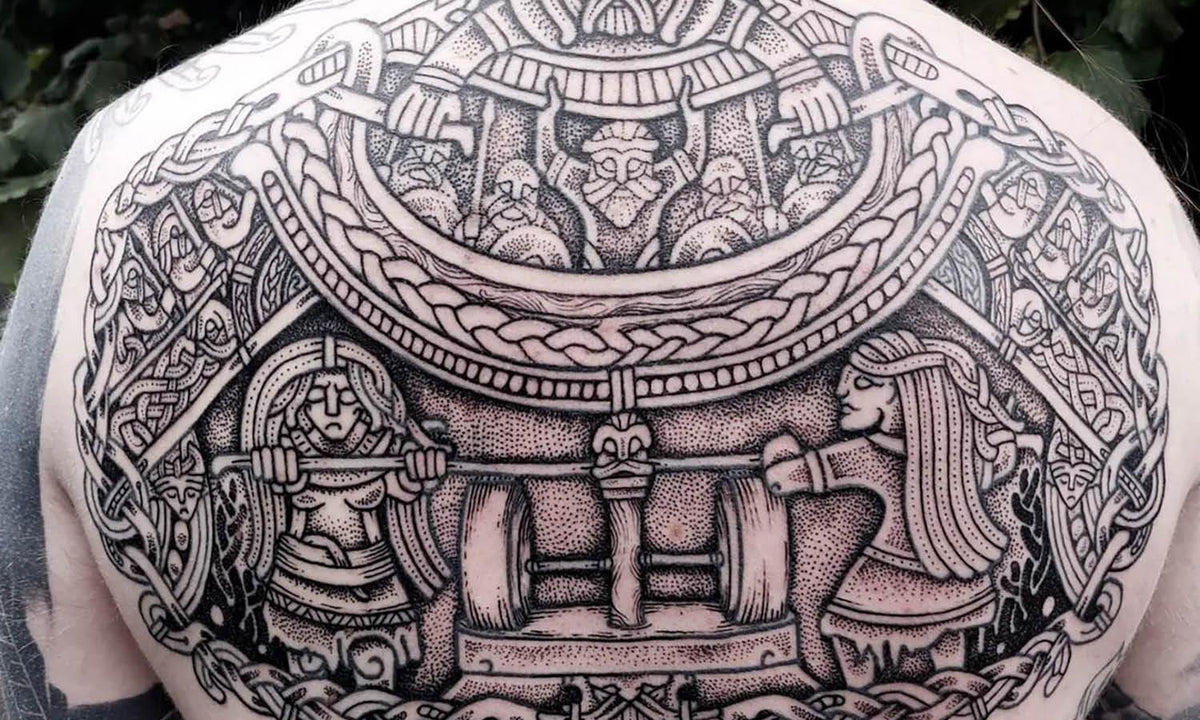
A long tattoo appointment can feel very different from sitting through a quick piece. During the first hour, the sensation may seem manageable, but several hours of repeated needle work can gradually make the skin more sensitive and the body more tired. For anyone concerned about tattoo pain long sessions can be easier to handle when you know how the discomfort may change and how to prepare for it.
Pain during an extended appointment depends on many factors, including tattoo placement, technique, session length, individual sensitivity, sleep, hydration, and how much the same area is worked. Preparing properly, staying physically comfortable, using sensible breaks, and communicating openly with your artist can make a lengthy session far more manageable without turning endurance into a competition.
Why Tattoo Pain Can Increase During Long Sessions
Tattoo pain does not always stay at the same level from beginning to end. Even if the first hour feels surprisingly comfortable, the sensation may become more noticeable as the session progresses.
Repeated Work Makes the Skin More Sensitive
Tattooing creates controlled trauma to the skin. As the artist continues working, the area naturally becomes increasingly tender. A fresh section of skin may feel relatively easy compared with an area that has already been lined, shaded, or saturated with color.
Returning to previously worked sections can therefore feel sharper or more intense. This is particularly noticeable when an artist needs several passes to create smooth gradients, solid color, or detailed shading.
Different techniques may also produce different sensations. Linework is often described as sharp or scratchy, while shading may feel more like repeated brushing or burning. Neither is universally more painful; the experience depends heavily on placement and personal sensitivity.
Physical and Mental Fatigue Build Over Time
Long tattoo sessions involve more than the tattooed skin itself. Holding the same position for several hours can cause stiffness in your shoulders, back, legs, or neck.
Mental fatigue also matters. Early in the appointment, conversation, adrenaline, and novelty can distract you. After several hours, however, it may become harder to ignore each pass of the needle.
Low energy, hunger, dehydration, and insufficient sleep can add another layer of discomfort, which is why preparation plays such an important role.
How Tattoo Pain May Change Throughout the Session
There is no exact timeline for tattoo pain because everyone responds differently. Still, understanding how a long appointment commonly feels can make the experience less surprising.
The First Hour
At the beginning of a session, adrenaline and anticipation may help make the sensation feel more manageable. You are also adjusting to the rhythm of the tattoo machine and settling into your position.
For some people, the first few minutes feel the sharpest because the body has not yet adapted. Others find that the earliest stage is the easiest part of the appointment.
Either way, this period usually gives you an initial sense of how the placement feels.
The Middle of the Session
After a few hours, the tattooing sensation may become more familiar, but other sources of discomfort often appear.
The tattooed area can become warmer and increasingly tender, while staying still may begin to make your muscles ache. You might also notice that your attention keeps returning to the needle instead of drifting elsewhere.
Some people experience temporary periods where the pain seems easier again. These fluctuations are normal and can depend on which section the artist is working on.
The Final Hours
The later stages are often where long sessions become more demanding.
By this point, the skin may already be irritated, and repeated passes over worked areas can feel considerably more intense. Physical fatigue may also reduce your patience with sensations that seemed easier earlier.
Even changing position or taking a short break can suddenly make you aware of stiffness elsewhere in your body. This is one reason an eight-hour appointment may feel dramatically different from a two- or three-hour session, even when the tattoo placement is identical.
What Makes a Long Tattoo Session More Painful
Several factors can influence how difficult a lengthy appointment feels. Understanding them can help you set more realistic expectations before sitting down.
Tattoo Placement
Placement is one of the biggest variables in tattoo discomfort.
Areas with thin skin, little cushioning, prominent bones, or many nerve endings may feel more intense. Ribs, sternum, knees, elbows, ankles, feet, and similar locations are commonly considered demanding placements.
However, pain maps are only rough guides. Someone who struggles with a rib tattoo may find an ankle tattoo relatively easy, while another person may experience the opposite.
Tattooing Technique
The type of work being performed can affect how the sensation changes throughout the session.
Fine linework, bold outlines, shading, and color packing all require different movements and needle configurations. Color saturation can involve repeatedly working the same section until the pigment appears even, which may become uncomfortable once the skin is already tender.
The artist's technique, tattoo style, and design complexity also determine how frequently specific areas need to be revisited.
Session Length
A longer appointment gives both physical fatigue and skin sensitivity more time to develop.
A three-hour tattoo may finish before significant exhaustion sets in, while a seven- or eight-hour session can require much more endurance. Long sessions can also involve several phases of a design, meaning the artist may return to earlier areas later in the appointment.
Session duration should therefore be discussed realistically rather than treated as a personal challenge.
Your Condition on the Day
How you feel when you arrive can change the entire experience.
Poor sleep may make it harder to stay relaxed and patient. Arriving hungry can leave you feeling weak or distracted, while dehydration can contribute to fatigue.
Stress also matters. If you are already tense before the tattoo begins, you may unconsciously tighten your muscles throughout the session, making prolonged positioning more uncomfortable.
How to Prepare for Tattoo Pain During Long Sessions
Good preparation will not make tattooing painless, but it can prevent avoidable discomfort from making the appointment harder than necessary.
Sleep Well Before the Appointment
Try to get a full night's sleep before a lengthy tattoo session.
Being rested can make it easier to remain still, communicate clearly, and manage several hours of discomfort. Avoid planning a major tattoo appointment immediately after an overnight flight, late night, or exhausting work shift whenever possible.
Eat a Proper Meal
Have a substantial meal before arriving rather than sitting for hours on an empty stomach.
Choose food that gives you steady energy and feels comfortable to digest. There is no need for an elaborate pre-tattoo diet; the main goal is simply to avoid becoming hungry or light-headed halfway through the appointment.
Bring Water and Suitable Snacks
For a long session, water and simple snacks can be useful during scheduled breaks.
Fruit, crackers, sandwiches, or other easy foods can help maintain energy without turning the tattoo station into a dining area. Always follow the studio's rules regarding where food and drinks are allowed.
Wear Comfortable Clothing
Think about both tattoo access and long-term comfort.
Loose clothing is often easier when an artist needs access to an arm, thigh, back, or torso. Avoid outfits that require awkward adjustments or place pressure on the tattooed area.
Layers can also be useful because studio temperatures may feel different after sitting still for several hours.
Avoid Alcohol Before the Session
Do not rely on alcohol as a way to make tattoo pain easier to tolerate.
Instead, follow your artist's preparation instructions and arrive rested, fed, hydrated, and clear-headed. If you are considering any medication or topical numbing product, discuss it with the artist beforehand rather than surprising them on the day.
How to Cope With Pain During a Long Tattoo Session
Once the tattoo begins, small adjustments can make a surprisingly large difference to your ability to stay comfortable.
Use Breaks Strategically
Short breaks can help you stretch, drink water, eat something, and reset mentally.
However, stopping every few minutes can interrupt the artist's rhythm and extend the appointment unnecessarily. Ask your artist when natural break points occur and communicate clearly when you genuinely need one.
After a break, the first few passes may feel sharper because your attention has reset, but the sensation often becomes familiar again.
Control Your Breathing
Slow, steady breathing is one of the simplest ways to avoid unnecessary tension.
People sometimes hold their breath during painful sections without realizing it. This can cause the shoulders, hands, stomach, or legs to tighten.
Instead, maintain a comfortable breathing rhythm and deliberately relax areas of your body that are not being tattooed.
Distract Yourself
A distraction can make lengthy sessions feel significantly shorter.
Depending on the studio and your artist's preferences, you might listen to music, podcasts, audiobooks, or watch something on your phone or tablet. Conversation can also help, although some artists prefer to concentrate during highly detailed sections.
Choose something engaging enough to hold your attention without requiring constant movement.
Relax Instead of Fighting the Sensation
Trying to physically resist every painful moment can quickly become exhausting.
If you continually clench your muscles or pull away from the needle, you may create additional discomfort and make it harder for the artist to work accurately.
Focus instead on keeping the rest of your body loose. Accepting that some sections will feel uncomfortable can be easier than constantly anticipating when the next painful moment will arrive.
Tell Your Artist When You Need Help
Communication matters more than proving how much pain you can tolerate.
If you become dizzy, nauseous, shaky, unusually weak, or unable to stay still, tell your artist immediately. They can pause, help you reposition, or decide whether continuing is sensible.
An experienced tattoo artist would generally rather know that you are struggling than have you silently push yourself until the session becomes difficult for both of you.
When It May Be Better to Split the Tattoo Into Multiple Sessions
Not every large tattoo needs to be completed in one sitting.
Detailed pieces are often divided naturally into stages such as outlines, shading, and color. Multiple appointments can allow the artist to work on calmer skin while giving you time to recover physically between sessions.
Splitting the tattoo may be sensible when discomfort makes it difficult to remain still, when the tattooed area has become highly sensitive, or when fatigue is interfering with the overall experience.
Your artist may also recommend stopping even if you feel willing to continue. Skin condition matters because heavily irritated tissue can become increasingly difficult to work accurately.
Before beginning a large piece, ask how long the artist expects each appointment to last and whether there are logical stopping points. Knowing in advance that another session is possible removes some of the pressure to keep going simply because you hoped to finish everything in one day.
Frequently Asked Questions
Does Tattoo Pain Get Worse the Longer the Session Lasts?
It often can. As a session continues, the skin becomes more sensitive and physical fatigue builds, making later passes feel stronger than earlier ones. However, the experience varies significantly depending on placement, technique, personal pain tolerance, and how frequently the artist needs to return to areas that have already been worked.
How Long Is Too Long for a Tattoo Session?
There is no universal maximum because artists and clients have different limits. Some people comfortably manage several hours, while others prefer shorter appointments. The right stopping point depends on your physical condition, the response of your skin, the complexity of the design, and whether the artist believes continuing will produce good-quality work.
Should I Take Breaks During a Long Tattoo Session?
Yes, reasonable breaks can be helpful during lengthy appointments. They give you an opportunity to stretch, drink water, eat a snack, or use the restroom. Coordinate breaks with your artist whenever possible, since they may prefer stopping at natural points in the design rather than interrupting a detailed section halfway through.
What Should I Do if the Pain Becomes Too Much?
Tell your tattoo artist rather than trying to hide it. A short break or change of position may be enough to continue comfortably. If you feel dizzy, nauseous, faint, unusually shaky, or simply cannot remain still, ending the appointment and completing the tattoo during another session may be the more sensible option.
Conclusion
Managing tattoo pain during long sessions is partly about the tattoo itself and partly about how your body responds after several hours of sitting, skin irritation, and fatigue. Good sleep, a proper meal, hydration, comfortable clothing, relaxed breathing, sensible distractions, and well-timed breaks can all make the experience easier. Most importantly, communicate openly with your artist rather than treating endurance as a test. If your body or skin needs a break, splitting a large tattoo into another appointment can create better working conditions and a more comfortable experience overall.
Related Articles








Leave a Comment