
Tattoo Style vs. Subject: Which Should You Choose First?
Choosing a tattoo often begins with one deceptively simple question: should you decide what the tattoo shows first, or how it should look? In the tattoo style vs subject discussion, the subject is the actual image, symbol, character, or idea being tattooed, while the style determines how that subject is visually interpreted.
For most people, the better starting point is whichever element feels more important and less negotiable. If you know you want a dragon because it carries personal meaning, begin with the subject. If you are mainly attracted to bold blackwork or a particular artist's aesthetic, starting with the style can make more sense.
Neither approach is automatically better. The strongest tattoo concepts usually come from finding a natural fit between the subject, the visual style, and the artist creating the final design.
Understanding Tattoo Style vs. Subject
Before deciding which should come first, it helps to separate the two ideas clearly. They work together, but they play different roles in the final tattoo.
What Is a Tattoo Subject?
The subject is what the tattoo actually represents. It might be a rose, tiger, portrait, skull, snake, building, mythical figure, phrase, landscape, or abstract symbol. In many cases, the subject is connected to personal meaning, a memory, an interest, or simply an image the wearer finds visually appealing.
Two people can choose exactly the same tattoo subject and still end up with completely different results because they interpret that subject differently.
What Is a Tattoo Style?
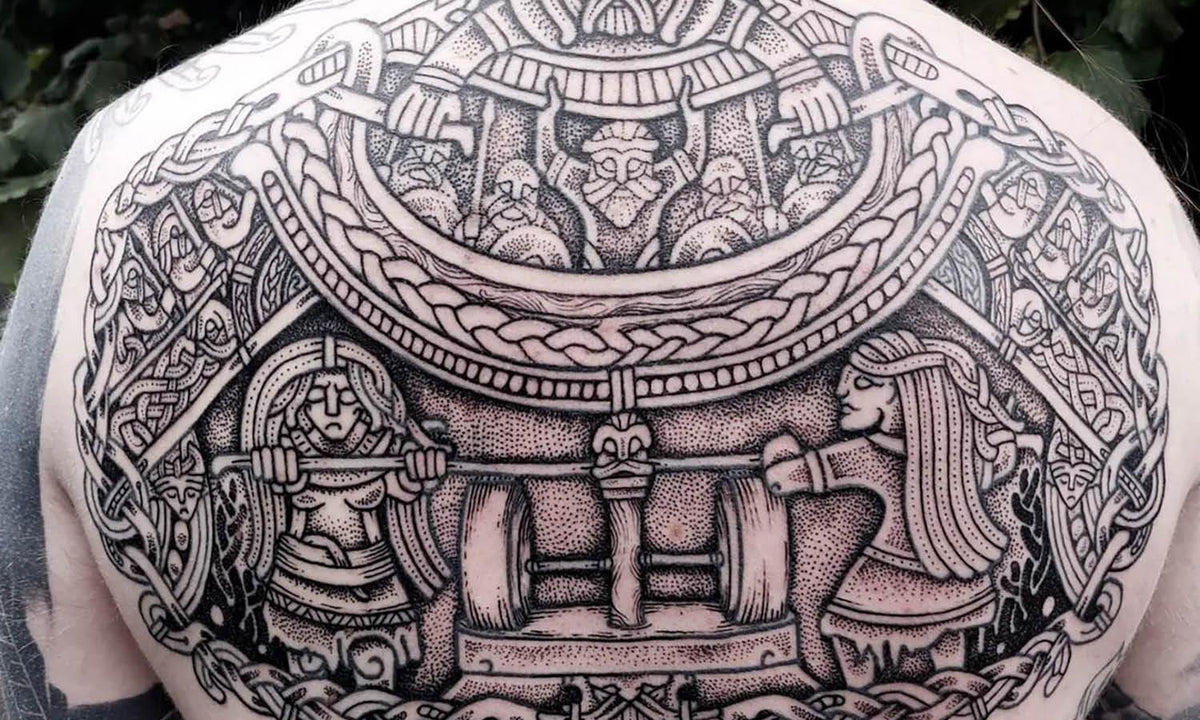
The style is the visual language used to transform the subject into a tattoo. Traditional, realism, fine line, blackwork, Japanese, illustrative, geometric, and neo-traditional are examples of different tattoo styles.
A tiger rendered in realism may feel detailed and lifelike, while the same tiger in traditional tattooing may use strong outlines, simplified shapes, and bold color. Style affects not only appearance but also mood, detail, contrast, and overall character.
When Choosing the Subject First Makes More Sense
Starting with the subject is often the most natural approach when the tattoo is built around a specific meaning or image.
When the Tattoo Has Personal Meaning
If your tattoo represents a family member, life event, belief, memory, or personal symbol, the subject will usually be the most important part of the decision.
You might know that you want a particular flower because it reminds you of someone, or an animal because it represents a trait you value. In situations like these, changing the subject would change the meaning itself.
The style can then be selected based on how you want that meaning to feel visually.
When You Already Know What You Want Tattooed
Sometimes the decision is much simpler. You may have wanted a dragon, raven, sword, portrait, or rose for years.
When the image itself is already clear, there is little reason to force yourself to choose a style first. Instead, compare how different artists interpret the same subject. This helps you see whether you prefer a realistic, graphic, decorative, minimal, or highly stylized result.
When Meaning Matters More Than Current Aesthetics
Visual trends change, but a personally meaningful subject may remain important for decades.
Choosing the subject first can help you avoid selecting an idea simply because a certain tattoo aesthetic is popular at the moment. You can still choose a modern or fashionable style, but it becomes a way of expressing the subject rather than the entire reason for getting the tattoo.
When Choosing the Tattoo Style First Works Better
Not every tattoo begins with a specific image. For some people, the visual language is what creates the initial interest.
When You Are Drawn to an Artist's Visual Style
You might discover a tattoo artist whose work immediately feels right, even before you know what you want tattooed.
Some artists develop such recognizable approaches to composition, shading, linework, characters, or ornamentation that people seek them out specifically for that visual identity. In this case, choosing the style or artist first can be completely natural.
The subject can then be selected based on what works well within that artist's established approach.
When the Overall Look Matters Most
Style can also take priority when you are building a larger collection of tattoos.
If you want a sleeve that feels visually consistent, for example, keeping the work within blackwork, traditional, Japanese, or another clearly defined aesthetic may matter more than choosing one particular subject first.
The subjects can vary while the repeated visual language helps everything feel connected.
When You Are Choosing Flash
Flash designs offer another style-first approach. The artist has already created the composition, style, and visual treatment, so your decision becomes whether you connect with the subject enough to wear it.
This reverses the usual process. Instead of imagining a subject and then designing it, you are responding to an existing piece of tattoo art.
How Style Can Change the Same Tattoo Subject
One reason the tattoo style vs subject decision matters is that style can completely change how an identical subject feels.
Consider the Same Subject in Different Styles
Take a rose as an example.
In traditional tattooing, the rose might have thick outlines, simplified petals, and strong color contrast. In realism, the artist may focus on natural shading, depth, and detailed texture. A fine-line rose could appear delicate and airy, while a blackwork version might rely on dramatic shapes and solid areas of black.
The subject stays the same, but the visual experience changes significantly.
The same applies to animals, skulls, portraits, landscapes, weapons, and almost any other popular tattoo subject.
Think About Mood, Not Just Appearance
Style communicates emotion as much as appearance.
A realistic wolf can feel intense and lifelike. A geometric wolf may feel structured and symbolic. An illustrative wolf could look expressive or story-driven. A traditional wolf may appear bold, graphic, and timeless.
Thinking about the mood you want can make the style decision much easier.
Instead of asking only, "What style looks good?" ask, "How do I want this subject to feel when I see it?"
Consider How Much Detail the Subject Needs
Not every subject translates equally well into every visual approach.
Highly detailed portraits generally need enough size and space to preserve important facial features. Tiny tattoos may benefit from simpler shapes and fewer details. Some decorative subjects work especially well when exaggerated or stylized rather than rendered literally.
A tattoo artist can help determine whether your preferred style supports the subject's most important visual features.
A Practical Way to Decide Which Comes First
If you are still unsure whether to choose the tattoo subject or style first, use a simple decision process.
Start With What You Feel Most Certain About
Ask yourself which part of the idea already feels clear.
Do you know exactly what image you want, but not how it should look? Start with the subject.
Do you know that you want a bold blackwork piece but have no particular image in mind? Start with the style.
Your strongest preference gives the design process a useful foundation.
Identify Your Non-Negotiable
Try completing one sentence: "I definitely want..."
The answer might be: "I definitely want a phoenix." "I definitely want a fine-line tattoo." "I definitely want this particular artist to tattoo me."
That non-negotiable usually tells you where to begin. Everything else can be adjusted around it.
This method also prevents you from overcomplicating the early planning stage with dozens of references and conflicting ideas.
Look for Compatible Style-and-Subject Pairings
Once you know your starting point, look for examples showing how the other element can support it.
If you want a snake tattoo, compare snakes in traditional, illustrative, realism, and blackwork styles. If you prefer Japanese tattooing, look at subjects commonly interpreted within that visual language and see which ones genuinely appeal to you.
The goal is not to follow rigid rules. It is to find combinations that look intentional rather than forced.
Let the Tattoo Artist Help Resolve the Final Direction
You do not need to solve every design problem before your consultation.
A tattoo artist can help refine scale, composition, line weight, detail, orientation, and supporting elements. Ideally, choose someone whose portfolio already demonstrates the kind of visual result you want.
Giving the artist some creative flexibility often produces a more natural tattoo than arriving with every detail already fixed.
What If You Like Both the Subject and Style Equally?
Sometimes you already know both what you want and how you generally want it to look. The challenge becomes combining them successfully.
Create a Flexible Starting Concept
Bring your main subject, preferred style, placement idea, and a small number of useful references to your consultation.
Avoid trying to create the finished tattoo yourself unless you are specifically working collaboratively with the artist. References work best when they communicate direction rather than acting as exact templates.
You might show one image for the subject, another for the linework, and another for the overall mood.
Leave Room for the Artist's Interpretation
A good artist may recommend changing the pose, scale, amount of detail, framing, or supporting elements so the tattoo works better on the body.
These adjustments do not necessarily weaken your original idea. They can help translate it from a reference image into something designed specifically for skin.
The strongest result is often a balance between your concept and the artist's practical experience.
Common Mistakes When Choosing Style and Subject
Several problems can appear when the subject and style are chosen without considering how they interact.
Forcing a Subject Into an Unsuitable Style
Technically, many subjects can be interpreted in many styles, but that does not mean every combination will work equally well.
If the subject depends heavily on subtle facial detail, for example, an extremely simplified approach may remove the features that make it recognizable.
Choosing a Trend Without Considering the Subject
A popular aesthetic can be inspiring, but it should still support the image you want.
Selecting a style only because it is currently fashionable may leave you with a tattoo that looks visually appealing but does not communicate the mood or meaning you intended.
Picking an Artist Before Checking Their Specialty
Not every tattoo artist works in every style.
If you want realism, study artists who consistently produce strong realism. If you want traditional work, look for portfolios centered on traditional tattooing.
The artist's existing work is usually a better guide than simply asking whether they can create a particular style.
Collecting Too Many Unrelated References
More references do not always make the design clearer.
Showing an artist ten completely different styles can create confusion about what you actually want. A smaller group of carefully chosen images is usually more useful.
Focus on the references that explain the subject, mood, and visual qualities you care about most.
Frequently Asked Questions
Should You Choose a Tattoo Style or Subject First?
Choose whichever element matters most to you. If the tattoo is built around a specific image, meaning, or symbol, starting with the subject usually makes sense. If you mainly love a particular aesthetic or tattoo artist, beginning with the style can be equally effective. The final goal is compatibility between both.
Can Any Tattoo Subject Work in Any Style?
Many subjects are flexible, but not every subject-and-style combination works equally well. Scale, detail, line weight, contrast, and readability can affect the result. A skilled tattoo artist can explain whether your chosen style supports the important features of the subject or whether certain design adjustments would improve it.
What If I Know the Tattoo Subject but Not the Style?
Start by looking at several different interpretations of the same subject. Comparing realistic, traditional, blackwork, illustrative, or fine-line versions can quickly reveal which visual direction feels most natural to you. Once you recognize a preference, search for tattoo artists whose portfolios consistently show that kind of work.
Should I Choose the Tattoo Artist Before Finalizing the Style?
That can be a smart approach if you already love a particular artist's portfolio. Their existing work gives you a clear idea of their strengths and visual language. You can then bring your subject idea to them and allow the style to develop naturally within an approach they already execute confidently.
Conclusion
There is no single correct order in the tattoo style vs subject decision. Start with whichever element feels most important to you. If the tattoo's meaning or image is non-negotiable, begin with the subject. If a particular aesthetic or artist is what excites you most, begin with the style. From there, focus on finding a combination that feels natural rather than forcing one element to fit the other. A strong tattoo usually comes from balancing subject, style, placement, and the artist's expertise while leaving enough flexibility for the final design to develop.
Related Articles








Leave a Comment