
Tattoo Pain by Placement: What to Expect on Different Body Parts
Tattoo pain can vary dramatically depending on where the design is placed on the body. A tattoo on the outer arm may feel relatively manageable, while the same amount of work across the ribs or sternum can feel far more intense. Understanding tattoo pain by placement can help you choose a location with realistic expectations, especially if you are getting tattooed for the first time.
Placement matters because different parts of the body have different amounts of muscle, fat, nerve endings, and cushioning over bone. However, pain tolerance is also highly individual. A location that feels difficult for one person may be surprisingly comfortable for another. Rather than treating pain charts as exact predictions, it is more useful to think of them as general guides. Knowing which placements are typically easier or more sensitive can help you prepare mentally and choose a tattoo location that works for both your design and comfort level.
What Makes Some Tattoo Placements Hurt More?
Tattoo pain is influenced by what lies underneath the skin as much as the surface itself. Certain anatomical features make some placements noticeably more sensitive than others.
Proximity to Bone
Areas where the skin sits close to bone often feel sharper during tattooing. There is less tissue to absorb the impact of the tattoo needle, so vibrations can feel stronger.
The ribs, elbows, ankles, collarbones, and sternum are common examples. People sometimes describe these locations as having a buzzing or vibrating sensation that seems to travel beyond the exact area being tattooed.
Nerve Density and Skin Sensitivity
Some body parts contain more nerve endings or naturally delicate skin. These areas can feel intense even when they are not directly over bone.
Places such as the armpit, inner thigh, inner elbow, and parts of the neck are frequently considered sensitive for this reason.
Muscle and Fat Cushioning
Areas with more muscle or fat generally provide greater cushioning between the needle and deeper structures. This can make placements such as the outer thigh, upper arm, and calf feel more manageable.
Cushioning does not make tattooing painless, but it can reduce the sharper sensations associated with bony areas.
Lower-Pain Tattoo Placements
If pain is one of your biggest concerns, choosing a fleshier part of the body can make your first tattoo experience more approachable.
Outer Upper Arm
The outer upper arm is commonly considered one of the easier tattoo placements. It has a useful combination of muscle, thicker skin, and relatively good cushioning.
It is also a versatile location for different design sizes. Smaller pieces can sit comfortably on the upper arm, while larger artwork can eventually connect into a sleeve.
Outer Thigh
The outer thigh has plenty of muscle and soft tissue, making it another relatively comfortable location for many people.
It is especially useful for larger designs because the artist can work across a broad surface without constantly approaching bone. Pain may increase as the tattoo moves toward the inner thigh, hip, or knee.
Forearm
Much of the outer forearm tends to fall within the lower-to-moderate pain range. The area offers a relatively flat tattooing surface and enough tissue to soften the sensation.
The experience can become noticeably stronger closer to the wrist or inner elbow.
Calf
The fleshy portion of the calf is often manageable because of its muscle coverage. It can work well for medium or larger artwork.
However, moving toward the shin, ankle, or back of the knee can quickly increase the intensity.
Moderate-Pain Tattoo Placements
Many common tattoo locations sit somewhere in the middle. They may feel comfortable during some portions of the session and significantly sharper during others.
Shoulder and Upper Back
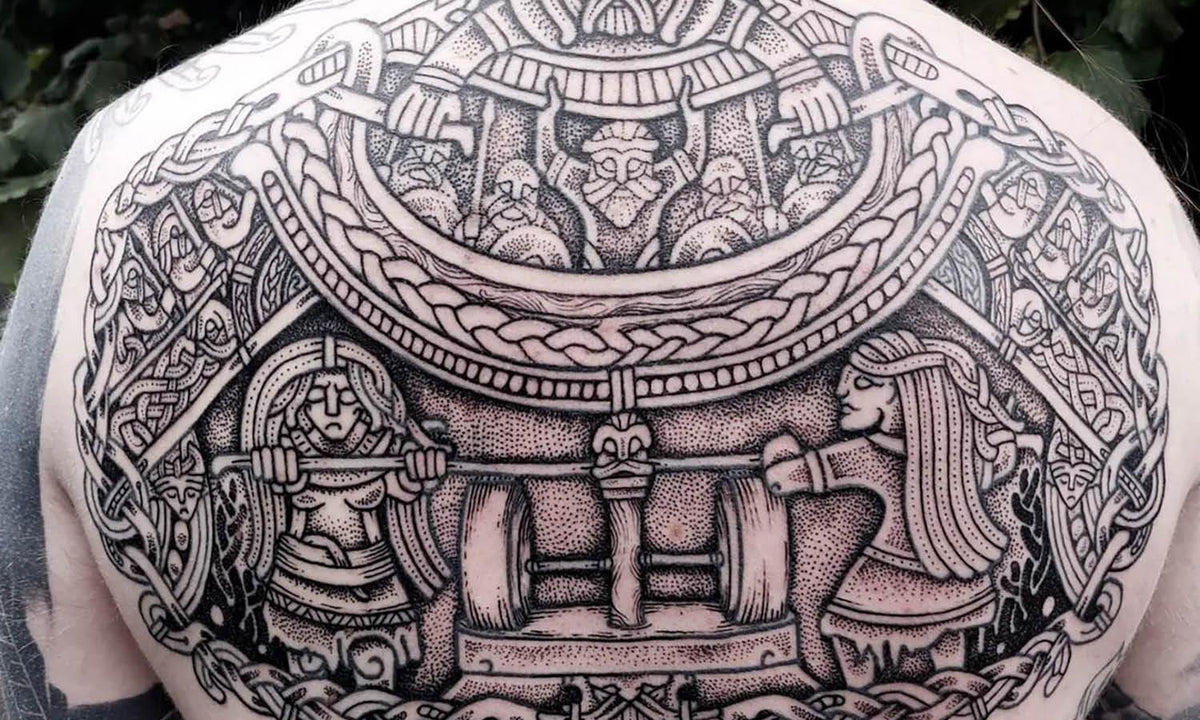
The outer shoulder and muscular sections of the upper back are often fairly manageable. These areas provide good coverage over deeper structures and enough space for larger compositions.
Pain can increase when the artist works directly over the shoulder blade, near the spine, or closer to the neck.
Inner Forearm
The inner forearm usually feels more sensitive than the outer side because the skin is softer and more delicate.
For many people, the discomfort remains manageable until the design approaches the wrist or inner elbow, where nerve sensitivity can become more noticeable.
Chest
Chest tattoo pain varies considerably depending on the exact placement. Fleshier sections may feel moderate, while the experience can become much stronger as the design approaches the collarbone or sternum.
Large chest pieces often involve several different pain levels during the same session.
Lower Back
The lower back can range from moderate discomfort to stronger sensations depending on where the needle is working.
Areas with more muscle and soft tissue may feel relatively manageable, while work directly over the spine or close to the hip bones can become sharper.
High-Pain Tattoo Placements
Some locations consistently appear toward the more painful end of tattoo placement discussions because they combine thin skin, exposed bone, or greater nerve sensitivity.
Ribs and Side Torso
The ribs are one of the best-known sensitive tattoo placements. Skin in this area can sit close to the rib cage, leaving relatively little cushioning.
Breathing also causes constant movement in the torso, which can make it harder to relax during longer sessions.
Sternum
Tattooing directly over the breastbone can produce a strong vibrating sensation. Because the sternum sits immediately beneath the skin in many people, the needle can feel particularly intense.
Moving away from the center of the chest may reduce the sensation depending on the person's anatomy.
Spine
The spine can feel uncomfortable because the tattoo machine is working close to the vertebrae. Vibrations may seem to travel through surrounding areas rather than remaining concentrated in one spot.
Different sections of the spine can also feel noticeably different during the same piece.
Elbows and Knees
Elbows and knees combine prominent bone with relatively thin skin, making them challenging placements for many people.
Inner areas can be sensitive as well. The inner elbow and back of the knee contain delicate skin and nerves that can produce a different but equally intense sensation.
Ankles and Feet
Feet and ankles contain many small bones with limited cushioning above them. This can make even smaller tattoos feel surprisingly intense.
Because these areas offer little soft tissue, longer or highly detailed sessions may become particularly tiring.
Particularly Sensitive Tattoo Placements
Certain locations deserve separate attention because their sensitivity comes from more than simply being close to bone.
Armpit
The armpit contains delicate skin and many nerve endings. It is generally considered one of the more sensitive areas to tattoo, especially for designs extending from the upper arm into the underarm.
Inner Thigh
Unlike the outer thigh, the inner thigh has softer, more sensitive skin. Friction and nerve sensitivity can make tattooing this area feel substantially stronger despite the amount of soft tissue present.
Neck and Throat
The neck and throat combine thin skin with prominent structures and considerable sensitivity. The sensation may also feel unusually close because of the location near the jaw, spine, and throat.
Hands and Fingers
Hands and fingers have little padding between the skin and underlying bones. Numerous nerve endings can also make these small areas feel sharper than their size might suggest.
Different parts of the hand can vary significantly, with knuckles and fingers often feeling more intense.
How Tattoo Pain Changes During a Session
Placement is only part of the experience. Pain can also change throughout the appointment as the skin becomes increasingly irritated.
The First Few Minutes
The beginning of a tattoo can feel especially noticeable because the sensation is unfamiliar. After several minutes, many people settle into the rhythm and find the feeling easier to process.
That adjustment does not necessarily reduce the pain, but knowing what to expect can make it feel less surprising.
Longer Sessions
Even a relatively comfortable placement can become difficult after several hours. Tattooing repeatedly irritates the skin, making previously worked areas increasingly tender.
Fatigue can also affect how well you tolerate discomfort later in the session.
Shading and Reworking Areas
Different tattooing techniques can create different sensations. Linework may feel sharper, while shading can create a broader scratching or burning sensation.
Repeated passes across already irritated skin may feel stronger than the initial work. Experiences vary, so there is no universal rule about which technique hurts most.
How to Choose a Placement Based on Your Pain Tolerance
Knowing typical tattoo pain by placement can help narrow your options, but pain should not be the only factor guiding your decision.
Start With a More Manageable Area
If you are nervous about how tattooing will feel, consider an area with more muscle or cushioning. The outer upper arm, thigh, calf, or parts of the forearm are often easier starting points.
Choosing a manageable location may help you become familiar with the tattooing process before trying more sensitive areas.
Consider Tattoo Size as Well as Placement
A small tattoo in a sensitive location may still be manageable because the session is short. Meanwhile, a large piece in a relatively comfortable area can become challenging simply because it requires several hours of work.
Think about placement and session duration together rather than treating them separately.
Do Not Choose Placement Based on Pain Alone
The best placement should also suit the artwork. Consider how the design follows the body's shape, how visible you want it to be, and whether movement could affect the composition.
A slightly more uncomfortable placement may still be worthwhile if it makes the design look significantly better.
Preparing for Tattoo Pain Before Your Appointment
Good preparation cannot eliminate tattoo pain, but it can make the session easier to manage.
Get enough sleep beforehand and eat a proper meal before your appointment unless your artist advises otherwise. Staying hydrated can also help you feel more comfortable during longer sessions.
Wear clothing that provides easy access to the tattoo area without forcing you to sit awkwardly. For example, loose shorts can be useful for thigh tattoos, while sleeveless clothing works well for upper-arm pieces.
Discuss breaks with your artist before starting, particularly if you expect a long session. It is also worth asking before using numbing creams or similar products. Some artists have specific preferences because certain formulas can affect the skin and tattooing process.
Frequently Asked Questions
What Is the Least Painful Place to Get a Tattoo?
There is no completely painless tattoo placement, but fleshier areas are generally easier for many people. The outer upper arm, outer thigh, calf, and some parts of the forearm are commonly considered more manageable because muscle and soft tissue provide cushioning between the skin and underlying bone.
What Is the Most Painful Tattoo Placement?
Areas such as the ribs, sternum, spine, armpit, knees, feet, and ankles are often associated with stronger discomfort. These placements may combine thin skin, prominent bones, or dense nerve endings. Individual tolerance still matters, so one person's most difficult location may not be another person's.
Do Tattoos Hurt More Over Bone?
Tattooing over bone often feels sharper or more intense because there is less muscle or fat to absorb the vibration of the tattoo machine. Areas such as the ribs, ankles, sternum, and elbows can therefore feel stronger, although nerve density and skin sensitivity also affect the experience.
Does Tattoo Pain Get Worse the Longer the Session Lasts?
It often can. As a session continues, the skin becomes increasingly irritated and sensitive. Areas that felt manageable at the beginning may feel much stronger after several hours. Fatigue can also lower your tolerance, which is why larger tattoos are sometimes divided into multiple appointments.
Can You Predict Exactly How Painful a Tattoo Will Be From Its Placement?
No. Tattoo placement provides a useful general guide, but it cannot precisely predict individual pain. Your pain tolerance, tattoo size, session length, exact location, artist's technique, and physical condition can all influence the experience. Two people getting similar tattoos in the same area may describe the sensation differently.
Conclusion
Understanding tattoo pain by placement can help you approach your appointment with more realistic expectations. Fleshier areas such as the outer arm, thigh, and calf are generally considered easier, while locations including the ribs, sternum, spine, feet, and other sensitive areas may feel more intense.
Still, pain is highly personal and should be only one part of your placement decision. Consider how the design fits your body, how long the session may take, and how comfortable you feel with the location. A thoughtful placement should balance both visual impact and your ability to enjoy the tattooing experience.
Related Articles








Leave a Comment