
How to Become a Logo Designer: Career, Pricing, Selling & Monetization Guide

Building a successful logo designer career involves much more than learning how to draw attractive symbols. Professional logo designers combine visual skills, strategic thinking, communication, business knowledge, and an understanding of how brands use visual identity. If you want to become a logo designer, the general path starts with learning design fundamentals, practicing consistently, creating a strong portfolio, gaining real experience, and developing reliable ways to earn from your skills. From there, you can work for an agency, join an in-house creative team, freelance independently, or eventually build your own design business. Understanding the full career landscape early can help you make better decisions about what to learn, how to present your work, what to charge, where to find clients, and how to create sustainable income from logo design.
1. Understanding the Logo Designer Career
A logo designer specializes in creating visual identities that help organizations communicate who they are. Although the finished logo may appear simple, producing an effective design usually involves research, concept development, experimentation, refinement, presentation, and technical preparation.
What a Logo Designer Does
Professional projects usually begin with understanding the client's business, audience, competitors, personality, and objectives. Designers then explore visual directions through sketches and concepts before refining promising ideas digitally. The final stage may involve preparing multiple logo variations, color versions, file formats, and basic usage instructions.
Logo Designer vs. Graphic Designer
Graphic design covers a wide range of visual communication, including packaging, advertising, editorial layouts, social media graphics, websites, and marketing materials. Logo design is a more focused specialization centered on brand identification.
Common Career Directions
A logo designer can work in several environments. Agency designers often handle projects for different clients, while in-house designers focus on one organization or group of brands. Freelancers work independently with their own clients, while experienced designers may eventually establish studios and collaborate with other creatives.
2. Essential Skills Every Logo Designer Needs
Strong software knowledge is useful, but software alone does not make someone a professional logo designer. A sustainable logo designer career depends on several interconnected creative and professional abilities.
Design Fundamentals
Understanding composition, typography, color, balance, proportion, shape, contrast, and visual hierarchy gives you the foundation needed to make intentional design decisions. Typography is particularly important because many logos rely heavily on lettering or wordmarks.
Conceptual and Strategic Thinking
A successful logo should communicate more than visual attractiveness. Designers must learn how to translate abstract qualities such as trust, innovation, friendliness, heritage, or sophistication into visual ideas.
Technical Skills
Professional logo designers generally work with vector graphics because vector artwork can be resized without losing quality. Designers should also understand color modes, file formats, transparency, resolution, and how logos behave across different applications.
Professional Skills
Communication is equally important. You need to explain your ideas clearly, respond constructively to feedback, manage deadlines, define project boundaries, and guide clients through decisions. These abilities become increasingly important as projects and client relationships grow more complex.
3. Learning Logo Design and Building Your Skills
There is no single required route into logo design. Some designers study formally, while others build successful careers through self-directed learning and regular practice.
Formal and Self-Taught Learning Paths
University and design school programs can provide structured education in typography, composition, visual communication, design history, and critique. However, formal education is not the only way to enter the profession. Online courses, books, tutorials, mentorship, workshops, and design communities can also provide valuable knowledge.
Practicing With Purpose
Practice becomes more valuable when each exercise has a clear objective. Instead of creating random logos, try working from fictional briefs, redesigning imaginary businesses, experimenting with wordmarks, or limiting yourself to specific visual constraints.
Studying Professional Logo Design
Analyzing established identity systems can strengthen your visual judgment. Look at how successful designers use simplicity, typography, symbolism, negative space, proportion, and consistency. Rather than copying the finished result, study the reasoning behind it.
4. Creating a Strong Logo Design Portfolio
Your portfolio is one of the most important tools for turning your skills into professional opportunities. Clients and employers usually want evidence that you can solve relevant design problems, not simply proof that you know how to operate design software.
Choosing Portfolio Projects
Quality matters more than quantity. A smaller collection of strong projects usually communicates more confidence than a large portfolio containing inconsistent work. Choose projects that demonstrate different challenges, industries, and visual approaches while still reflecting the kind of work you want to attract.
Presenting the Design Process
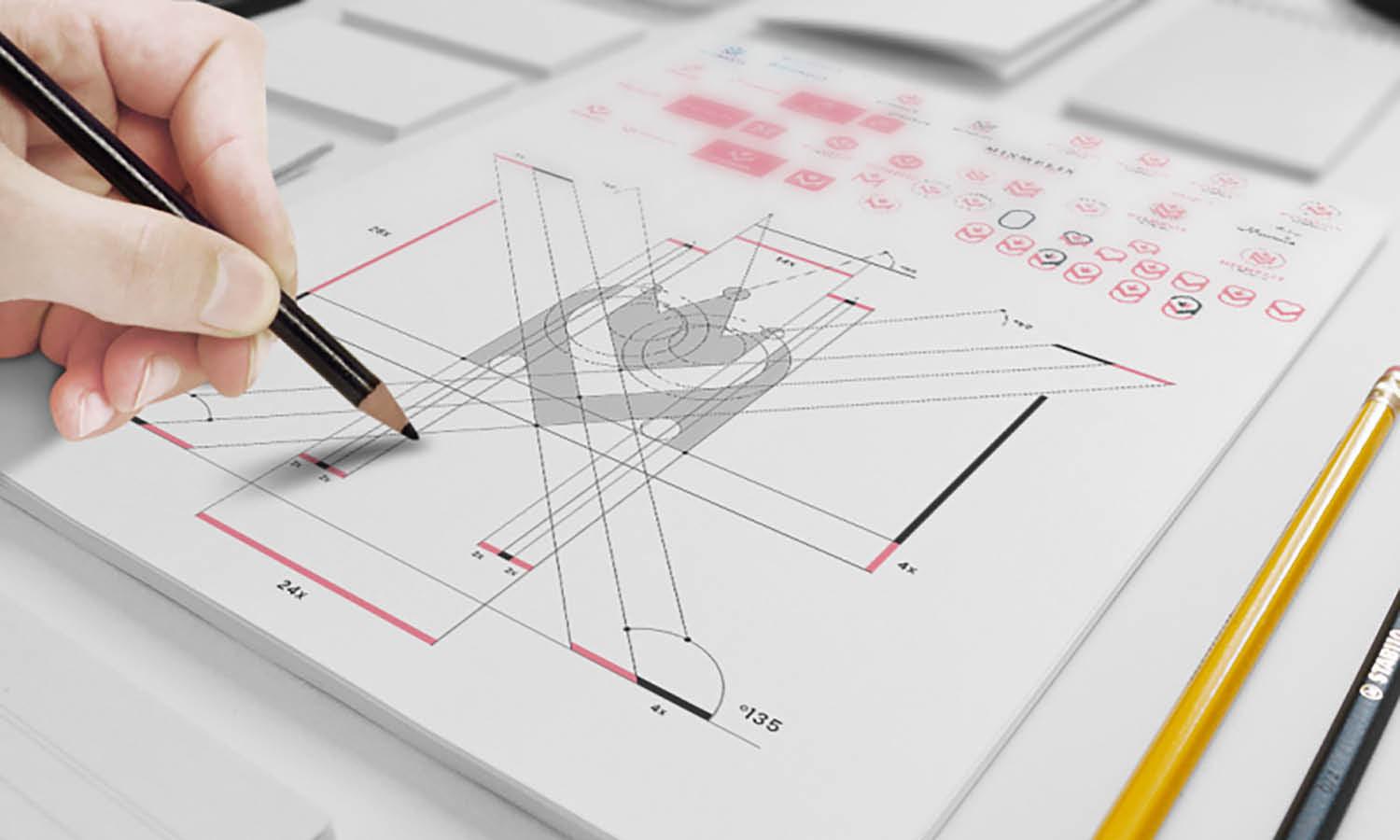
A portfolio becomes more convincing when visitors can understand how you arrived at the final solution. Briefly introduce the project objectives, relevant research, concept direction, and important design decisions. Showing selected sketches or development stages can demonstrate that the final logo resulted from a thoughtful process.
Using Personal Projects Strategically
Beginners often worry about not having enough client work. Personal projects can solve this problem when they are treated seriously. Create realistic fictional brands with believable audiences, objectives, and constraints.
Publishing Your Portfolio
A personal website gives you the most control over presentation, but portfolio platforms and professional social networks can also increase visibility. Whichever platform you use, make your strongest projects easy to find and understand.
5. Starting and Growing Your Logo Designer Career
Moving from practice projects to professional work can feel challenging because experience is often needed to get work, yet work is needed to gain experience. The solution is usually to begin with smaller opportunities and gradually build credibility.
Finding Your First Opportunities
Entry-level positions, internships, freelance projects, local businesses, professional networks, and online marketplaces can all provide useful starting points. Early projects do not need to be prestigious. Their value often comes from teaching you how to interpret real briefs, communicate with clients, manage revisions, and deliver finished work professionally.
Building Professional Experience
Real projects introduce constraints that personal exercises cannot fully reproduce. Clients may change direction, struggle to explain what they want, or request revisions you disagree with.
Developing a Professional Reputation
Reliability can be as valuable as creative talent. Meeting deadlines, communicating clearly, presenting work confidently, and delivering files correctly can encourage repeat business and referrals.
Moving Beyond Beginner-Level Work
As your skills and reputation improve, you can become more selective about projects. You may specialize in particular industries, work with larger businesses, offer broader identity services, or position yourself around a distinctive creative approach.
6. Understanding Logo Design Pricing
Pricing is one of the most challenging parts of a logo designer career because there is no universal rate that applies to every designer or project. Fees depend on experience, client type, scope, location, complexity, demand, and the amount of strategic work involved.
Common Pricing Methods
Some designers charge hourly rates, while others use fixed project fees. Package pricing combines defined services and deliverables into different tiers. More experienced designers may also use value-based approaches, where pricing reflects the importance of the identity to the client's business rather than simply the hours required to create it.
Factors That Influence Logo Design Prices
A straightforward logo for a small local business is very different from an identity project requiring extensive research, stakeholder presentations, multiple applications, and detailed guidelines. Concept quantity, revision rounds, project deadlines, deliverables, licensing requirements, and client size can all affect the price.
Beginner and Professional Pricing
Beginners commonly charge less while developing experience, but extremely low pricing can create problems. It may make it difficult to spend enough time on each project or build a sustainable business. As your portfolio, process, demand, and expertise improve, your rates can gradually increase to reflect the greater value you provide.
7. Finding Clients and Selling Logo Design Services
Good design skills do not automatically create a steady flow of work. Designers also need ways to connect with people and organizations that need their services.
Identifying Potential Clients
Potential logo design clients include startups, entrepreneurs, small businesses, established organizations, agencies, nonprofits, and companies going through rebranding.
Ways to Find Logo Design Work
Referrals often become valuable as your professional network grows. Portfolio websites, design communities, freelance platforms, social media, networking events, agency relationships, and direct outreach can also generate opportunities.
Presenting and Selling Your Value
Clients are rarely paying simply for vector files. They are paying for help creating a recognizable and appropriate visual identity. When discussing your services, explain the problem you solve, your process, and what the client receives.
Creating a Professional Client Experience
A clear process makes projects easier for both sides. Proposals, contracts, timelines, revision limits, payment terms, and defined deliverables reduce uncertainty and help prevent misunderstandings.
8. Managing Payments, Rights, and Logo Delivery
Creative work also requires basic business systems. Clear financial and legal expectations protect your time while helping clients understand exactly what they are purchasing.
Setting Payment Terms
Many freelance designers request a deposit before beginning work. Larger projects may use milestone payments, with the remaining balance due before final files are released. The exact structure can vary, but payment expectations should be agreed upon before significant work begins.
Using Contracts and Clear Agreements
A written agreement can define project scope, deadlines, revisions, responsibilities, deliverables, cancellation terms, and payment requirements. Contracts do not need to make the relationship feel complicated. Their main purpose is to establish shared expectations.
Understanding Logo Ownership and Usage Rights
Logo ownership should not be left ambiguous. Designers and clients should understand when rights transfer and what artwork is included. Legal requirements vary by location, so professional advice may be worthwhile for designers handling significant commercial projects.
Preparing Final Logo Files
Clients normally need several formats and variations. A professional package may include vector files, raster versions, transparent backgrounds, different color versions, and instructions explaining where each version should be used.
9. Monetizing Logo Design Beyond Client Projects
Client projects are one of the most direct ways to earn from logo design, but they are not the only possibility. As your skills and reputation develop, additional revenue streams can make your career more flexible.
Freelance and Contract Work
Freelancing allows designers to work with multiple clients and control their services, pricing, and workload. Contract work can provide longer-term projects without requiring permanent employment.
Employment and Agency Careers
In-house and agency positions provide more predictable income and can expose designers to larger teams, established processes, and complex commercial projects.
Selling Ready-Made Design Assets
Some designers sell logo templates, brand assets, icons, presentation resources, or other digital products. This income model requires different marketing and licensing considerations from custom client work.
Teaching and Educational Products
Experienced designers may eventually create courses, workshops, tutorials, books, or digital learning resources.
Building a Design Studio or Personal Brand
A solo freelance business can also grow into a studio. Designers may hire collaborators, expand into branding services, or build a recognizable personal brand that attracts larger opportunities.
10. Building a Sustainable Long-Term Logo Design Career
Long-term success rarely comes from one impressive project. It develops through continued improvement, reliable business practices, strong relationships, and the ability to adapt without abandoning fundamental design principles.
Continue Improving Your Craft
Design trends, software, platforms, and client expectations change, but fundamentals such as typography, composition, clarity, and conceptual thinking remain valuable.
Develop a Recognizable Professional Position
Over time, your portfolio may naturally become associated with certain industries, visual approaches, or levels of service. A clear professional position can make it easier for potential clients to understand why they should work with you.
Strengthen the Business Side
As your workload grows, improve your pricing, contracts, bookkeeping, scheduling, marketing, and client communication. Strong systems give you more time and attention for creative work.
Create Multiple Paths for Growth
A logo designer career does not need to follow one fixed route. You might remain an independent specialist, join an agency, become a creative director, build a studio, teach, sell resources, or combine several paths.
Frequently Asked Questions
How Long Does It Take to Become a Logo Designer?
There is no fixed timeline. Someone with previous graphic design experience may develop logo design skills relatively quickly, while a complete beginner may need considerably longer. Consistent practice matters more than rushing. Focus on learning fundamentals, completing realistic projects, receiving feedback, and building a portfolio strong enough to demonstrate professional ability.
Do You Need a Degree to Become a Logo Designer?
A degree can provide valuable structure, critique, theory, and professional connections, but it is not required for every logo designer career. Employers and clients often care heavily about portfolio quality, problem-solving ability, communication, and professional experience. Self-taught designers can compete effectively when they develop these areas seriously.
What Software Should a Logo Designer Learn?
Vector design software is particularly important because logos need to scale cleanly across different sizes and applications. Designers should understand at least one professional vector workflow as well as basic image editing and presentation tools. However, software proficiency should support strong design thinking rather than replace knowledge of typography, composition, and branding.
How Much Can a Logo Designer Earn?
Earnings vary considerably based on location, experience, employment type, specialization, reputation, and client market. An employed junior designer may have relatively predictable income, while an established freelancer or studio owner may earn more but face greater variation. Building stronger skills and working with higher-value clients can increase earning potential over time.
How Much Should a Beginner Logo Designer Charge?
Beginners should consider project complexity, estimated working time, deliverables, revisions, local market conditions, and their current level of experience. Instead of choosing an extremely low price simply to win work, calculate what allows you to complete the project properly. Pricing can increase gradually as your portfolio, efficiency, and demand improve.
Where Can Logo Designers Find Clients?
Clients can come through referrals, professional networking, portfolio platforms, freelance marketplaces, social media, design communities, local business relationships, agencies, and direct outreach. Building visibility across several relevant channels generally creates a healthier pipeline than depending entirely on one marketplace or social platform.
Can Logo Design Become a Full-Time Career?
Yes. Logo designers can build full-time careers through agency employment, in-house positions, freelancing, studio ownership, or combinations of these paths. Sustainability depends on more than design skill alone. Reliable client acquisition, appropriate pricing, professional project management, continuous learning, and financial planning all contribute to turning logo design into dependable long-term work.
Conclusion
Building a successful logo designer career means developing both creative ability and professional discipline. Strong typography, composition, conceptual thinking, and technical knowledge provide the creative foundation, while portfolio development, communication, pricing, client management, and reliable business systems help turn those skills into professional opportunities.
You do not need to master every part of the career immediately. Start by strengthening your fundamentals and creating work that demonstrates your thinking. Then gain real experience, refine your portfolio, improve how you communicate your value, and gradually develop better pricing and business systems.
As your experience grows, logo design can lead in several directions, from employment and freelancing to studio ownership, digital products, education, and broader branding work. The most sustainable path is the one that develops alongside your skills, reputation, and professional goals.
Related Articles







Leave a Comment