
Logo Design Business Value & ROI Guide

A logo is often one of the first visual elements customers associate with a business, but its value extends beyond appearance. Effective logo design can strengthen recognition, credibility, consistency, and identification across channels. These advantages help explain why businesses often treat logo design as a long-term investment rather than simply a creative expense.
Understanding logo design business value means looking at how effectively a logo supports business goals. A professionally designed logo does not automatically increase sales, and its return cannot always be reduced to a single financial figure. Instead, its impact may appear through stronger customer recall, clearer differentiation, improved brand perception, and more consistent visual communication.
For businesses deciding whether professional logo design is worth the investment, the most useful approach is to consider both measurable outcomes and brand benefits. This guide explains where that value comes from, how logo design ROI can be evaluated, and what determines whether the investment delivers results.
What Does Logo Design Business Value Actually Mean?
Logo design business value refers to the practical and strategic benefits a company gains from having an effective visual identifier. While visual appeal matters, a commercially useful logo should also help people recognize the business, distinguish it from competitors, and identify it consistently wherever the brand appears.
A strong logo must also work as part of a broader brand identity. Customers might encounter it on a website, storefront, social profile, packaging, advertisement, or mobile screen. A logo that performs reliably across these settings provides greater long-term value than one designed mainly to look impressive in isolation.
Tangible and Intangible Value
Some benefits are tangible: a flexible logo can reduce design corrections, simplify marketing production, and work across formats without constant modification. Others are less direct, including recognition, professionalism, familiarity, trust, and perceived quality.
How a Strong Logo Creates Business Value
A logo cannot compensate for a poor product or weak service, but it can make a good business easier to recognize, remember, and understand throughout the customer experience.
Improving Brand Recognition
Distinctive visual characteristics give customers something memorable to associate with a company. A particular symbol, letterform, shape, or color combination can become familiar through repeated exposure, helping people identify the brand more quickly across search results, advertisements, packaging, storefronts, and social media.
Supporting Trust and Professionalism
Customers often make quick judgments when encountering an unfamiliar company. A polished, appropriate logo can contribute to the impression that the business is established and professionally managed.
A logo alone does not create trust. Product quality, customer service, reviews, pricing, and communication matter more. However, visual presentation can reinforce that credibility or weaken it when the branding feels inconsistent.
Creating Stronger Brand Differentiation
Businesses in crowded markets often compete with companies offering similar products or services. A distinctive logo helps audiences identify one business among many alternatives without making the design unusual simply for attention. It should still feel appropriate for the company's positioning and audience.
Improving Brand Consistency
A versatile logo creates a dependable visual anchor across websites, packaging, social media, signage, presentations, and advertisements. Consistent use makes the company easier to recognize and helps internal teams create branded materials more efficiently.
What Is the ROI of Professional Logo Design?
Logo design ROI compares the benefits created by a logo with the resources invested in developing and implementing it. Those resources may include design fees, research, strategy, brand guidelines, website updates, packaging changes, signage, and other rollout expenses.
Unlike a performance advertisement, however, a logo rarely produces a straightforward return such as spending one dollar and directly generating three dollars in revenue. Its influence is spread across many customer interactions and may develop over a much longer period.
Direct Versus Indirect Returns
Direct returns may appear when a stronger identity contributes to better landing-page performance, improved advertising response, more customer inquiries, or stronger perceptions that support premium positioning.
Indirect returns can include better recognition, customer confidence, easier brand management, and fewer future redesign expenses. Businesses should avoid assuming that every improvement after a redesign was caused by the logo, especially when other branding or marketing changes happen at the same time.
Short-Term Versus Long-Term ROI
Some benefits can appear quickly. A new identity may improve visual consistency or solve practical problems created by an outdated or inflexible logo.
Other benefits develop gradually. Recognition and brand equity grow through repeated exposure, so an effective logo can become increasingly valuable when it remains relevant and recognizable for many years.
How to Measure Logo Design ROI
Because a logo influences many parts of a brand, businesses usually get a clearer picture of its value by monitoring several indicators rather than relying on a single metric.
Track Brand Recognition
Customer surveys can reveal whether people recognize the company more easily after a redesign. Businesses may measure aided recall, unaided recall, logo recognition, or branded searches, ideally against a baseline established before launch.
Monitor Customer Perception
Surveys and customer interviews can test whether a redesign made the company seem more contemporary, trustworthy, premium, accessible, or distinctive. Feedback should focus on those strategic goals rather than simply asking whether people like the new design.
Compare Marketing and Conversion Performance
Businesses can monitor website conversions, inquiries, advertising engagement, click-through rates, or sales after a branding update. These figures must be interpreted carefully because traffic sources, offers, pricing, copy, website design, and marketing activity can all affect performance.
Measure Operational Efficiency
Logo value can also appear behind the scenes. A flexible identity may reduce time spent fixing files, recreating inconsistent variations, or adjusting artwork for different platforms. For businesses producing large volumes of branded material, those savings can add up.
Evaluate Long-Term Brand Equity
Over time, businesses can monitor branded searches, direct traffic, customer retention, referrals, familiarity, and repeat purchases. No single measurement proves logo ROI, but several relevant indicators together can provide a realistic picture of its contribution.
What Determines Whether Logo Design Delivers Strong ROI?
Not every professionally designed logo produces the same return. The value depends less on cost and more on whether the finished identity solves the right strategic and practical problems.
Strategic Fit
A logo should support the company's positioning, audience, personality, market, and long-term direction. A visually impressive identity that communicates the wrong message may have limited commercial value.
Distinctiveness and Memorability
Generic identities are harder to recognize because customers can confuse them with competing brands. Distinctive visual characteristics provide stronger memory cues, and memorability does not require complexity. One recognizable feature can be more effective than unnecessary detail.
Versatility and Scalability
A valuable logo needs to perform at different sizes and in different environments. It should remain identifiable as a small digital icon while also working on packaging, print, signage, merchandise, and larger applications.
Longevity
Frequent redesigns can increase costs and discard existing recognition. A logo that avoids depending too heavily on short-lived visual trends is more likely to remain useful, spreading the investment across more years of use.
Implementation Quality
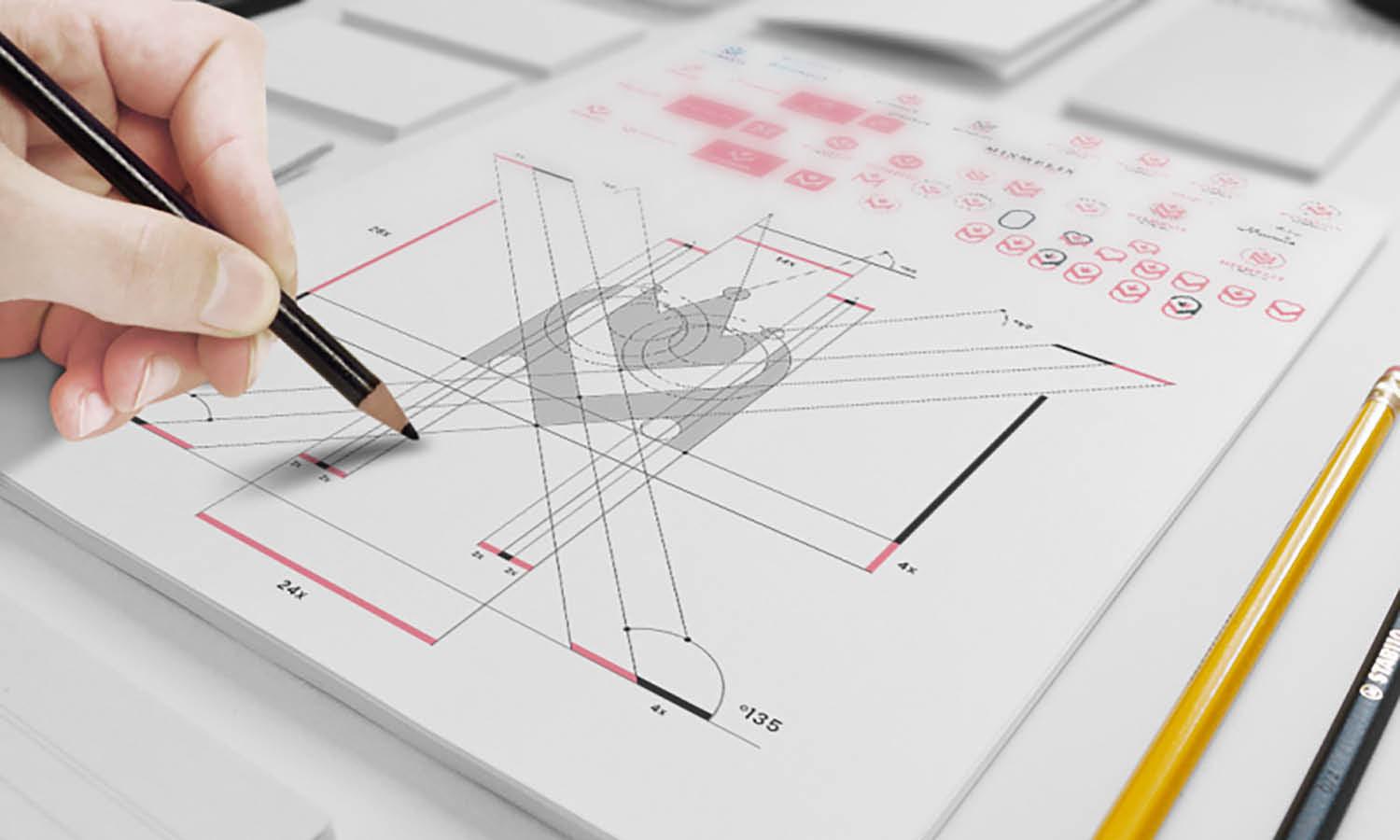
Even an excellent logo can deliver weak results when it is applied inconsistently. Clear brand guidelines, appropriate logo variations, and careful implementation help protect the identity and ensure that it works as intended across different channels.
When Is Investing in a New Logo Worth It?
A business does not need a new logo simply because its current design is several years old. Existing recognition has real value, and unnecessary changes can erase some of the familiarity customers have already developed.
Signs a Logo May Be Limiting the Business
A redesign may be justified when the existing logo no longer reflects the company's positioning, looks too similar to competitors, performs poorly digitally, or is difficult to reproduce consistently. Change may also make sense after a major shift in audience, products, ownership, market position, or strategy.
The solution does not always need to be a complete replacement. Established companies may achieve stronger ROI through an evolutionary redesign. Refining typography, spacing, colors, proportions, or technical construction can solve practical problems while preserving familiar elements customers already recognize.
Logo Design Cost Versus Business Value
Logo design prices vary considerably, which can tempt businesses to judge value mainly by the initial fee. A more useful approach is to compare the cost with the identity's expected lifespan, strategic importance, quality, and frequency of use.
Inexpensive logo solutions are not automatically poor investments. However, a cheap design can become costly if it is generic, technically unsuitable, difficult to reproduce, legally problematic, or quickly needs replacing. Likewise, a high fee does not guarantee strong results; the identity still has to suit the company's needs.
Think in Terms of Lifetime Value
Consider a logo that costs several thousand dollars but remains effective for ten years. During that period, it may appear in thousands or even millions of customer interactions across websites, packaging, advertising, email, signage, social media, and printed materials.
Viewed across its useful life, the cost per application can become relatively small. Businesses should therefore consider whether the investment includes research, strategy, production-ready files, logo variations, usage guidance, and enough flexibility to support future growth.
Common Mistakes When Evaluating Logo ROI
One common mistake is expecting an immediate increase in revenue after introducing a new logo. Branding usually influences business performance gradually and alongside many other factors.
Another mistake is measuring success through personal preference. People may have strong opinions about a redesign, but liking a logo is not the same as the design achieving its strategic objectives.
Businesses may also underestimate the total investment by considering only the designer's fee. Replacing signage, packaging, website assets, uniforms, and printed materials can significantly increase rollout costs.
Finally, a logo should never be treated as the entire brand. Customer experience, messaging, reputation, product quality, service, and marketing remain fundamental. Logo ROI is best evaluated as one part of a broader brand system.
Frequently Asked Questions
Can a Better Logo Increase Sales?
A better logo can support sales, but it rarely generates them independently. Stronger recognition, credibility, and differentiation may reduce customer uncertainty and strengthen brand preference. Those advantages can contribute to conversions alongside product quality, pricing, marketing, availability, and customer experience.
How Long Does It Take to See ROI From a New Logo?
Some benefits, such as improved consistency or easier use across marketing materials, can appear immediately. Recognition and brand equity generally take longer because they depend on repeated customer exposure. Depending on the business and frequency of exposure, meaningful long-term effects may develop over months or several years.
How Can a Small Business Measure Logo Design Business Value?
Small businesses can compare customer feedback, branded search activity, website conversions, inquiries, recognition, and visual consistency before and after a redesign. Complex research is not always necessary. Establishing a few simple baseline measurements before changing the identity can make later comparisons much more useful.
Is Professional Logo Design Worth the Cost?
Professional logo design can be worthwhile when it produces a distinctive, practical, and strategically appropriate identity that the business can use for many years. Its value comes from solving communication, recognition, and usability problems rather than simply providing a polished-looking graphic.
Should a Business Redesign a Logo That Customers Already Recognize?
Not necessarily. Existing recognition is valuable and can be weakened through unnecessary change. A redesign makes more sense when the current identity causes practical problems, misrepresents the company, lacks differentiation, or no longer supports its strategy. Established brands may benefit more from careful refinement than from complete replacement.
Conclusion
Understanding logo design business value requires looking beyond whether a logo simply appears attractive. A commercially effective identity can strengthen recognition, support credibility, improve differentiation, simplify brand management, and remain useful across thousands of customer interactions.
Businesses considering a redesign should define the problem they want the new identity to solve and set clear goals before launch. By considering financial indicators alongside recognition, customer perception, marketing performance, and operational efficiency, companies can evaluate logo design ROI more realistically and make better long-term branding decisions.
Let Us Know What You Think!
Every information you read here are written and curated by Kreafolk's team, carefully pieced together with our creative community in mind. Did you enjoy our contents? Leave a comment below and share your thoughts. Cheers to more creative articles and inspirations!
Related Articles





Leave a Comment