
Is AI Making Minimalist Design Too Predictable?

Minimalist design has long stood as a celebration of clarity, balance, and purpose—where every element serves intention rather than decoration. However, with the increasing integration of AI into design workflows, this purity of form is entering a new and complex phase. Artificial intelligence has become an efficient collaborator, capable of producing clean layouts, harmonious color schemes, and precise typography within seconds. Yet, as these systems rely on algorithms trained on preexisting aesthetics, a question arises: is minimalism becoming too predictable?
While AI enables remarkable speed and consistency, it often draws from patterns already proven successful in the digital landscape. The result is an abundance of designs that look eerily similar—structured, balanced, and perfectly optimized, but often lacking human subtlety. This predictability risks turning minimalism from an art of restraint into a formula of repetition. For designers who once valued the emotional and philosophical depth behind “less is more,” the algorithmic approach presents both opportunity and challenge. In exploring how AI influences minimalist design, one must consider whether the technology enhances creative intention or quietly dilutes its individuality, shaping a world where simplicity feels less inspired and more automated.
Standardization Over Creativity
Artificial intelligence has streamlined many aspects of design, offering tools that can instantly generate compositions, balance spacing, and refine typography with mathematical precision. While this efficiency enhances workflow, it also introduces a growing concern—standardization over creativity. Many AI-assisted design systems rely on pre-trained datasets that prioritize what has historically worked well, meaning they often reproduce familiar visual formulas rather than fostering genuine innovation.
This reliance can make minimalist design, once celebrated for its originality, feel formulaic. Clean grids, balanced proportions, and muted tones are now easily replicated by algorithms, leaving little room for the imperfections and intuition that once defined a designer’s personal touch. Instead of experimentation, creators may find themselves selecting from algorithm-approved templates that conform to established design logic. The consequence is a gradual dilution of artistic individuality, where creative risks are replaced by safe, standardized outcomes.
Designers who value originality must therefore treat AI not as a creative authority but as a technical assistant. Human interpretation remains essential to transcend algorithmic patterns. True creativity emerges when the designer challenges these predictable outputs—breaking the precision that AI imposes and restoring the spontaneity and emotion that give minimalist design its enduring beauty.
Data-Driven Uniformity
The foundation of artificial intelligence lies in data—vast collections of existing visual patterns, color schemes, and compositions that guide its design recommendations. While this data-driven foundation brings precision and logic to creative work, it also encourages uniformity. AI tools tend to prioritize visual trends that have proven successful across digital platforms, often reinforcing common styles rather than inspiring new ones.
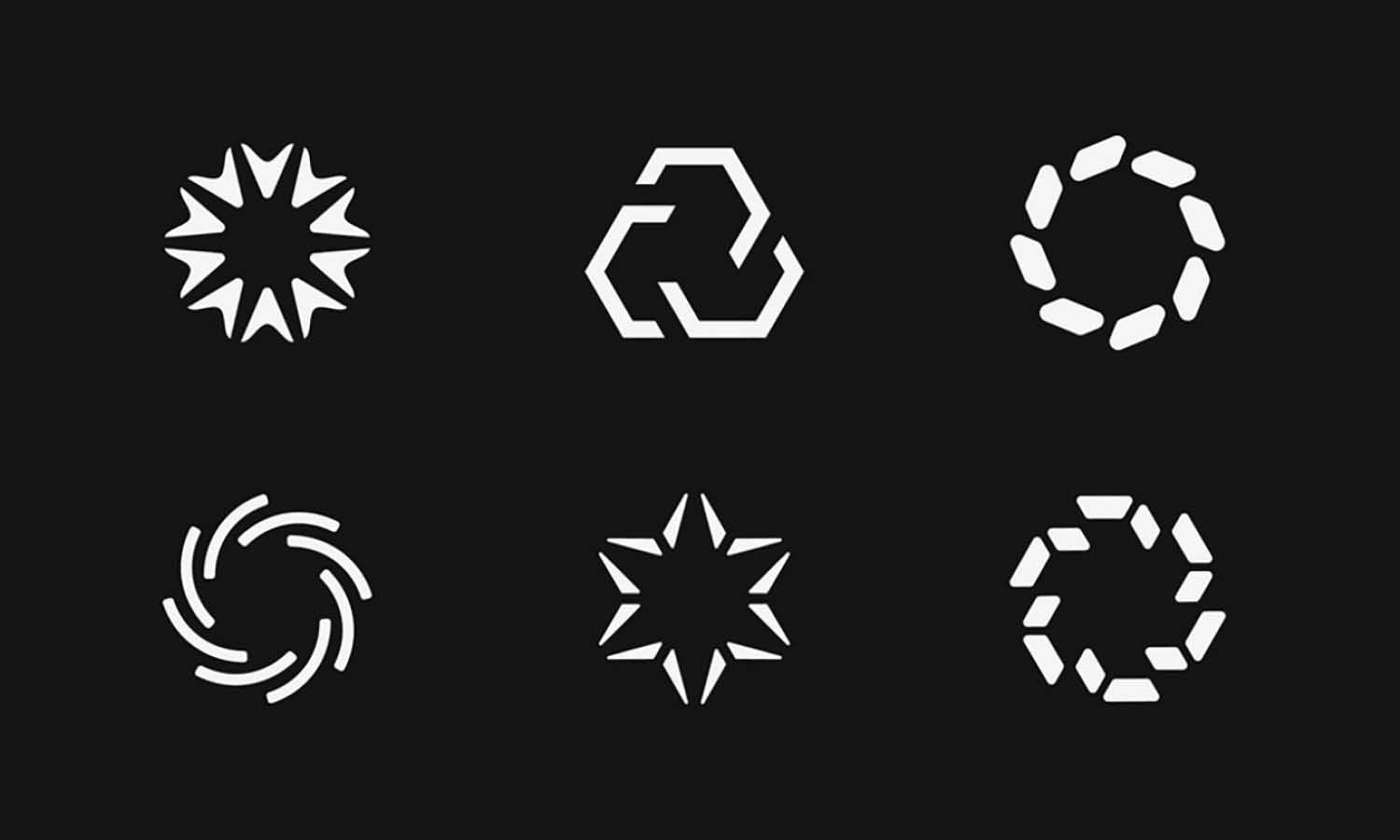
As a result, minimalist design is beginning to show signs of algorithmic repetition. The same flat layouts, monochromatic palettes, and geometric symmetry appear across countless projects. This uniformity stems from AI’s dependency on collective data rather than individual vision. It reflects what is most common, not what is most expressive. For designers, this creates a paradox: the technology that expands creative capability simultaneously narrows visual diversity.
The power of minimalism lies in its ability to evoke meaning through subtlety and intention. However, when designs are generated by algorithms that favor statistical relevance, the outcomes often feel predictable. To preserve the soul of minimalism, designers must balance AI efficiency with human discernment—using data as a foundation but allowing intuition to redefine its direction. In doing so, minimalism can evolve through technology without losing the originality that makes it timeless.
Loss of Human Imperfection
One of the defining qualities of minimalist design is its quiet humanity—the small imperfections that make simplicity feel alive. When artificial intelligence enters the process, that subtle human touch often disappears. AI systems prioritize precision and uniformity, producing flawless alignments, mathematically perfect symmetry, and color consistency that leaves little room for organic irregularity. While these results are technically impressive, they can also feel sterile.
Human designers, on the other hand, instinctively introduce irregularities that convey warmth and authenticity. A slightly uneven balance, a hand-drawn curve, or a nuanced contrast can bring depth and emotional resonance to minimalist design. AI, however, interprets these variations as errors to be corrected. This pursuit of perfection risks erasing the imperfections that make visual experiences relatable and engaging.
In the world of minimalism, imperfection is not a flaw—it’s a deliberate choice that reflects the designer’s intuition and emotional sensibility. When AI removes these traces, the outcome may satisfy the eye but fail to stir the heart. To maintain this delicate balance, designers must reintroduce imperfection consciously, blending algorithmic precision with the unpredictability of human touch. Only then can minimalist design continue to express authenticity in a world increasingly shaped by technology.
Trend Reinforcement
Artificial intelligence learns from vast libraries of existing visuals, which means its creative output is deeply rooted in what has already been popular. As a result, AI tends to reinforce design trends rather than challenge them. In minimalist design, this manifests as recurring styles—flat compositions, muted tones, and geometric arrangements that echo the visual language of countless digital platforms.
Because AI favors what performs well in terms of structure and clarity, it often reproduces the same aesthetic across different projects. This cycle of replication narrows creative diversity and can make modern minimalism appear repetitive. The clean, calculated balance that once symbolized innovation now risks becoming a visual cliché. Designers who rely solely on AI may find their work blending into an ocean of familiarity, lacking the spark that distinguishes originality from conformity.
However, this phenomenon also reveals an opportunity. By recognizing the patterns that AI perpetuates, designers can intentionally deviate from them. The goal is not to reject AI’s assistance but to use it as a mirror—one that reflects what is common so the designer can pursue what is rare. True progress in minimalist design will depend on human initiative to break trends, not reinforce them.
Limited Contextual Sensitivity
Minimalist design depends heavily on context—cultural cues, emotional tones, and audience expectations. Yet, artificial intelligence often struggles to interpret these subtle dimensions. While it can analyze patterns and visual data, it lacks the lived experience and emotional intelligence needed to understand why certain design choices resonate in one culture or fail in another. As a result, AI-generated minimalist compositions can appear visually balanced but contextually disconnected.
For instance, what feels clean and elegant in one cultural framework may seem cold or distant in another. AI’s reliance on global datasets can lead to oversimplified interpretations of design intent, stripping away the nuanced storytelling that gives minimalism its depth. It may select symbols or forms that are technically correct but emotionally neutral—missing the cultural subtext that human designers instinctively recognize.
Design is not just about arrangement; it’s about meaning. When minimalism is guided solely by algorithms, that meaning can become diluted. Designers must therefore step in to provide the interpretive bridge—infusing their work with human insight and sensitivity that AI cannot replicate. By combining algorithmic precision with cultural awareness, the minimalist aesthetic can retain its global appeal without losing its emotional context.
Predictable Color Palettes
Color is one of the most expressive tools in design, yet artificial intelligence tends to favor predictability over experimentation. Because it draws from existing datasets and established design standards, AI often recommends neutral tones, soft gradients, and muted contrasts—the hallmarks of minimalist design that are safe but repetitive. While these palettes ensure visual harmony, they can also limit emotional depth and originality.
AI’s algorithms frequently rely on statistical preferences, identifying the color combinations most commonly used in successful projects. This approach results in designs that feel consistent but rarely surprising. The emotional vibrancy of minimalist work—its ability to evoke calm, tension, or curiosity through color—can be lost when everything is optimized for balance.
Human designers bring intuition to color selection. They can choose a bold accent or an unconventional hue that challenges expectations while still maintaining minimalism’s essence. AI lacks this intuitive daring, interpreting such risks as deviations rather than opportunities. For minimalist design to stay compelling, designers must step beyond AI’s predictable suggestions and reintroduce creative contrast. The most memorable minimalist palettes are those that merge restraint with emotion—something no algorithm can truly calculate.
Simplified Font Pairing
Typography plays a defining role in minimalist design, often serving as the central visual element when ornamentation is stripped away. However, artificial intelligence tends to simplify this process to a fault. When selecting fonts, AI systems often recommend combinations that are mathematically harmonious but creatively limited. These pairings usually consist of neutral sans-serifs or modern geometric typefaces—reliable, yes, but also predictable.
This approach stems from AI’s reliance on pattern recognition and data trends. Because it analyzes which font pairings perform best across thousands of existing designs, it naturally gravitates toward those deemed “safe.” While these choices maintain legibility and balance, they rarely capture the emotional or conceptual nuances that a human designer might emphasize. The result is typography that feels consistent but lacks personality.
Human designers instinctively push beyond predictability by experimenting with contrast—combining rigid and organic letterforms, mixing historical influences, or adjusting spacing to create rhythm. AI lacks the instinct to make such expressive decisions. For minimalist design to remain distinctive, typography must retain this element of human exploration. Designers should treat AI as a typographic assistant, not a decision-maker—using its recommendations as a baseline while adding personal intuition to craft typography that feels thoughtful, purposeful, and emotionally alive.
Algorithmic Bias Toward Balance
Artificial intelligence thrives on symmetry and mathematical order, which makes it naturally inclined toward visual balance. While this quality aligns well with minimalist design principles, it can also create a form of bias. AI tends to overemphasize equilibrium—perfect spacing, even margins, and proportional alignments—sometimes at the expense of visual tension or narrative depth. The outcome may look clean but lack the dynamic energy that human imperfection brings.
Design balance is not always about symmetry; it often thrives on contrast and asymmetry that draw the viewer’s eye in unexpected ways. Human designers instinctively understand how to disrupt uniformity for emotional or conceptual effect. AI, however, interprets imbalance as an error and corrects it automatically. This mechanical precision risks reducing minimalism to a predictable exercise in geometry rather than an expressive visual dialogue.
True design harmony is contextual, not absolute. A layout can feel balanced through rhythm, visual weight, and intent, even when technically off-center. To preserve this richness, designers must challenge AI-generated compositions—allowing intentional imbalance where meaning calls for it. When guided by human creativity, AI’s precision can enhance minimalism without suffocating its artistry.
Dependence on Existing Databases
Artificial intelligence operates on vast databases filled with visual examples, historical references, and stylistic trends. While this provides a solid foundation for generating efficient minimalist compositions, it also introduces a significant limitation—dependence on preexisting data. AI can only create based on what it has learned, meaning its outputs are inherently tied to the past rather than the evolving nature of creativity.
This dependence often leads to the recycling of familiar visual patterns. Clean grids, neutral color schemes, and minimalist iconography appear again and again because these elements dominate the datasets that train AI systems. As a result, the technology tends to reinforce what already exists instead of imagining what could be. Minimalist design, once a movement rooted in rebellion against excess, risks becoming a closed loop of imitation.
Human creativity, by contrast, thrives on reinterpretation and unpredictability. Designers draw from emotion, intuition, and personal experience—factors no database can truly quantify. To avoid stagnation, designers must treat AI outputs as a starting point, not a final solution. By infusing algorithmic results with human curiosity and experimentation, minimalist design can evolve beyond database repetition and reclaim its place as a forward-thinking form of artistic expression.
Potential for Redefinition
Despite concerns about predictability, the relationship between artificial intelligence and minimalist design is not inherently restrictive. It carries the potential for redefinition. When guided thoughtfully, AI can help designers expand the language of minimalism instead of limiting it. Rather than relying solely on algorithmic suggestions, creative professionals can use AI as a partner to challenge conventions and explore unseen possibilities.
Through controlled experimentation, designers can manipulate AI tools to produce unexpected outcomes—pushing beyond the standard templates and clean-cut rules the system defaults to. By feeding it unconventional inputs or refining its parameters with subjective judgment, AI can become a means to disrupt predictability rather than enforce it.
This partnership between logic and intuition allows minimalism to enter a new era—one that values simplicity not as uniformity but as intentional reduction. Designers who use AI critically can transform it from a pattern generator into a catalyst for innovation. The key lies in balance: allowing algorithms to handle precision while humans guide purpose. In doing so, minimalist design can evolve from its mechanical repetition into a living, adaptive practice shaped by both intelligence and imagination.
Conclusion
Artificial intelligence has undeniably transformed how minimalist design is created, analyzed, and refined. Yet, its structured precision can also make simplicity feel mechanical if left unchecked. Minimalism’s true strength lies in its humanity—the quiet tension between order and emotion. Designers must therefore balance algorithmic efficiency with creative intuition, using AI as a tool rather than a substitute for artistic intent. When guided thoughtfully, technology can enhance minimalism’s purpose without erasing its soul. The future of design will depend on how humans choose to shape AI’s influence—either toward repetition or toward renewed creative freedom.
Let Us Know What You Think!
Every information you read here are written and curated by Kreafolk's team, carefully pieced together with our creative community in mind. Did you enjoy our contents? Leave a comment below and share your thoughts. Cheers to more creative articles and inspirations!
Related Articles







Leave a Comment