
Can AI Capture Emotion in Product Packaging?

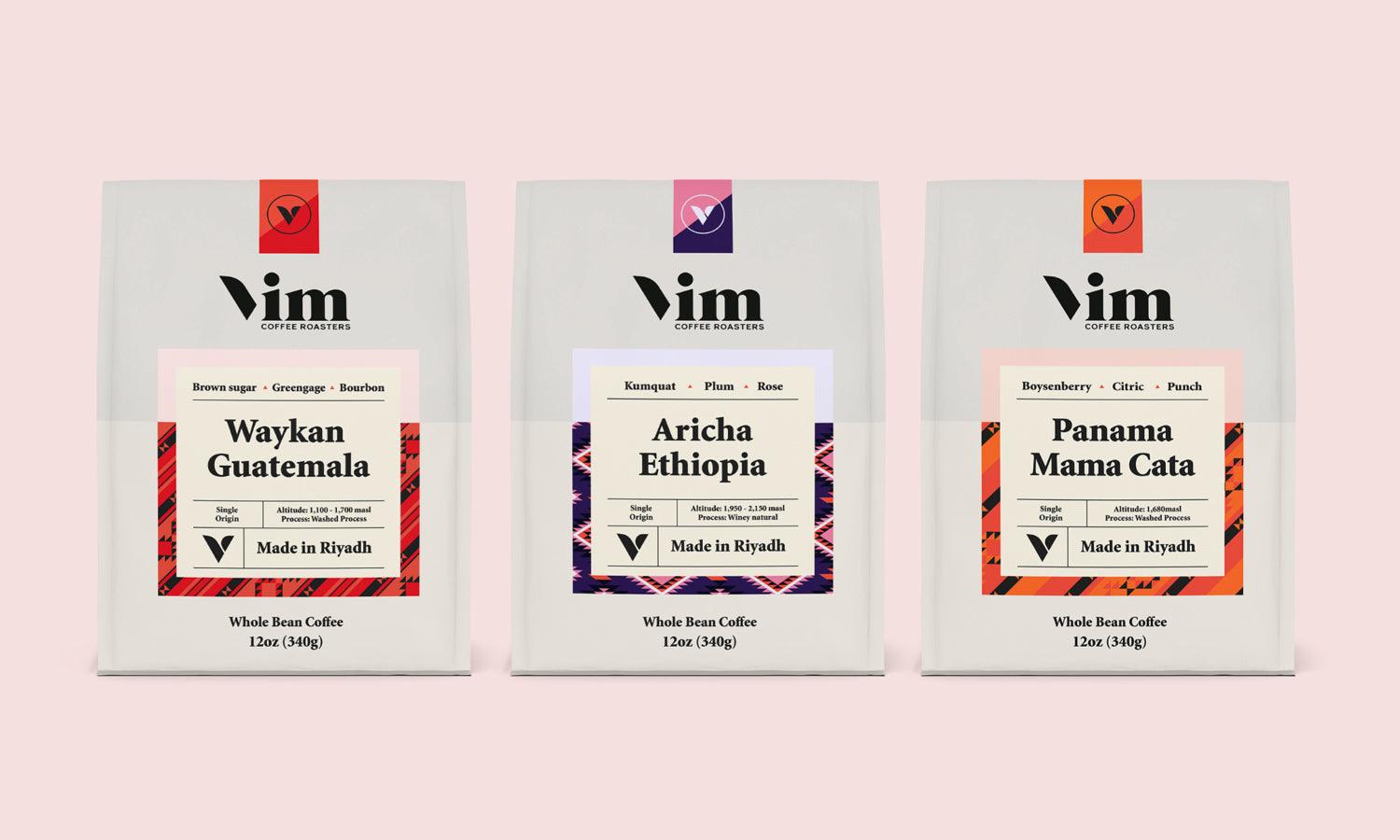
Artificial intelligence (AI) is transforming the way brands think about product packaging, moving beyond aesthetics to explore the emotional connections consumers form with design. Packaging is no longer just a protective layer; it is a key storytelling medium that shapes first impressions and influences buying decisions. By leveraging AI, designers can decode patterns in consumer behavior and emotional responses that were once hidden, allowing for more purposeful and impactful packaging strategies.
Through advanced data analysis, AI can assess colors, shapes, typography, and even tactile finishes to determine how each element resonates with specific audiences. This capability allows brands to tailor packaging to evoke trust, excitement, nostalgia, or curiosity depending on the product and target market. AI also brings efficiency to testing and iteration, enabling designers to refine packaging concepts quickly and confidently.
While human creativity remains essential for crafting authentic emotional narratives, AI serves as a powerful partner by supplying evidence-based insights and identifying subtle triggers that enhance emotional appeal. This collaboration creates packaging that not only stands out visually but also connects with consumers on a deeper psychological level, fostering loyalty and long-term brand affinity.
Understanding Emotional Cues In Packaging
In product packaging, every detail—from color and typography to imagery and texture—can spark an emotional response. Artificial intelligence (AI) enables designers to decode these subtle cues more effectively than ever before. By analyzing large datasets of consumer feedback, purchase behavior, and visual trends, AI identifies which design elements are most strongly associated with emotions such as excitement, trust, nostalgia, or sophistication. This insight helps designers select shapes, palettes, and layouts that align with desired emotional outcomes.
AI also supports the study of cross-cultural differences in emotional perception. A color that symbolizes luck in one region might signal caution in another, and AI’s pattern recognition capabilities help ensure that packaging feels emotionally appropriate across markets. Beyond color, AI evaluates how typography styles, graphic motifs, and even negative space contribute to overall emotional impact. It can flag inconsistencies or missed opportunities in packaging designs, providing actionable feedback to fine-tune emotional resonance.
By translating abstract emotional goals into concrete design guidelines, AI empowers brands to create packaging that does more than catch the eye. It encourages deeper connections with consumers by speaking to their values and aspirations. This makes packaging not only visually appealing but also emotionally meaningful and memorable.
Predicting Consumer Reactions
AI extends its value from understanding emotional cues to actively forecasting how consumers will respond to packaging before it reaches store shelves. Using predictive analytics, machine learning models can simulate potential consumer reactions by examining historical purchase data, eye-tracking studies, and sentiment analysis. This gives designers a reliable preview of which packaging variations are likely to perform best emotionally and commercially.
These predictive insights help brands avoid costly missteps and reduce guesswork in the creative process. For example, AI can reveal if a new label design might generate excitement or confusion, or whether a revised color scheme could shift perceptions of quality or sustainability. It can even segment predictions by demographic, highlighting how different age groups or cultural backgrounds may respond differently to the same design.
By integrating these forecasts into the design workflow, teams can test multiple iterations quickly and refine packaging concepts with confidence. This reduces time to market while increasing the likelihood that the final product resonates with consumers on an emotional level. In this way, AI functions as both a guide and a safeguard, ensuring that creative ideas are grounded in data-driven predictions that align with brand goals and consumer expectations.
Translating Cultural Nuances Into Design
Product packaging often needs to resonate across diverse regions, each with its own cultural values, symbols, and expectations. Artificial intelligence (AI) gives designers the ability to decode and interpret these cultural nuances more accurately than traditional research alone. By analyzing large volumes of local data—such as social media trends, historical purchasing habits, and regional design preferences—AI can highlight which colors, shapes, or motifs carry specific meanings in different markets.
For example, a color palette that signifies celebration in one culture may imply mourning in another. AI can identify these distinctions and guide designers toward culturally sensitive choices, ensuring packaging connects emotionally rather than causing confusion or unintended offense. Beyond color, AI can assess the cultural implications of typography, icons, and imagery, helping brands avoid stereotypes and instead build authentic, positive associations.
This capability supports global brands aiming to present a consistent identity while still honoring local sensibilities. By embedding these insights into the design process, AI helps create packaging that feels relevant and respectful, building trust and loyalty among diverse consumer groups. This fusion of cultural understanding and advanced technology results in designs that are both emotionally powerful and globally adaptable.

Detecting Subtle Visual Triggers
Many elements of packaging influence consumer emotions at a subconscious level, from the curve of a logo to the texture of a box. Artificial intelligence (AI) excels at uncovering these subtle visual triggers by analyzing patterns in consumer behavior and feedback that might otherwise go unnoticed. Through machine learning, AI can detect correlations between micro-design elements—such as line thickness, gradients, or icon placement—and emotional responses like excitement, comfort, or premium perception.
This insight allows designers to refine packaging details with precision. AI might reveal that a softer edge increases feelings of approachability, or that a certain texture boosts perceptions of quality. These findings are valuable because they provide evidence-based direction for enhancing emotional impact without extensive trial and error.
AI also enables real-time testing of visual triggers across multiple demographics, ensuring that subtle changes resonate widely rather than alienating specific groups. By highlighting which minor details have the greatest influence, AI empowers designers to focus on the elements that truly matter. The result is packaging that not only looks appealing but also connects with consumers on an instinctive level, strengthening emotional engagement and driving brand preference.
Personalizing Packaging At Scale
Modern consumers expect products to feel tailored to their identities and preferences, and packaging plays a critical role in meeting that expectation. Artificial intelligence (AI) enables brands to personalize packaging at scale, turning what was once a costly and time-consuming process into an efficient and data-driven practice. By analyzing purchase histories, demographic information, and online behavior, AI can segment audiences into highly specific groups and recommend packaging designs that resonate with each one’s emotional triggers.
For instance, AI can suggest different color schemes, typography styles, or imagery for regional markets, seasonal campaigns, or even individual customers. This allows brands to present limited editions or hyper-personalized packaging without losing efficiency or consistency. AI also streamlines the production workflow by automating design variations and predicting which options will perform best, reducing manual revisions and accelerating time to market.
Beyond aesthetics, AI can ensure that personalized packaging maintains brand integrity while still feeling unique to the consumer. This combination of data-driven insights and creative flexibility builds stronger emotional connections and increases customer loyalty. As personalization becomes a differentiating factor in competitive markets, AI empowers brands to deliver packaging experiences that feel both special and scalable.
Enhancing Color Psychology
Color is one of the most powerful tools in packaging design, influencing perceptions of quality, mood, and emotional appeal. Artificial intelligence (AI) enhances the practice of color psychology by providing designers with evidence-based insights on how different hues affect various consumer groups. By analyzing massive datasets—including sales performance, customer feedback, and visual trends—AI can predict how a particular color palette will resonate with specific demographics.
For example, AI might reveal that a muted pastel evokes calmness and trust in one region while bold, saturated tones inspire excitement in another. These insights help designers select colors that align with the desired emotional response, whether it’s sophistication, freshness, or nostalgia. AI can also test multiple color combinations quickly, highlighting which pairings create the strongest impact before packaging goes into production.
This capability allows brands to move beyond guesswork and use color more strategically. By combining AI’s predictive power with human creativity, designers can craft packaging that is visually distinctive and emotionally compelling. The result is a stronger connection between product and consumer, where colors do more than catch the eye—they tell a story and reinforce brand values.
Testing Multiple Design Variations Quickly
Speed and precision are essential in modern packaging development, where consumer preferences evolve rapidly and competition is intense. Artificial intelligence (AI) enables designers to test multiple design variations quickly, transforming what was once a lengthy, manual process into an agile and evidence-based workflow. By using AI-driven tools, teams can generate and compare hundreds of packaging iterations—each with different color palettes, typography, imagery, or layouts—at a fraction of the time it would take traditionally.
AI also supports advanced testing techniques, such as predictive analytics and eye-tracking simulations, to assess how consumers might respond to each variation before physical prototypes are created. This eliminates much of the guesswork and reduces costly missteps, as designers can prioritize the most promising concepts early on. Additionally, AI can segment test results by demographic or market segment, offering nuanced insights into which designs resonate best with different audiences.
This rapid iteration process empowers brands to be more innovative while maintaining quality and consistency. Designers can experiment with bold ideas, confident that AI will provide data-backed feedback to guide decisions. Ultimately, this approach accelerates time to market and ensures that the final packaging delivers maximum emotional impact and consumer engagement.

Identifying Emotional Gaps In Existing Designs
Even the most established packaging designs can lose relevance or emotional impact over time. Artificial intelligence (AI) helps brands identify these emotional gaps by analyzing how current packaging performs against consumer expectations and competitor benchmarks. By processing data from social media sentiment, customer reviews, and sales patterns, AI highlights where emotional connections may be weakening or where opportunities for stronger engagement exist.
For example, AI might reveal that a once-trusted color scheme now feels outdated to a younger demographic, or that imagery no longer aligns with emerging cultural values. It can also pinpoint underperforming elements such as typography, layout, or finishing details that dilute the intended emotional message. These insights allow designers to refresh packaging strategically rather than relying solely on intuition.
By using AI to uncover gaps, brands can focus their creative efforts on the areas with the greatest potential for improvement. This ensures that redesigns are purposeful, emotionally resonant, and aligned with evolving consumer desires. In a competitive market, addressing these gaps proactively strengthens brand loyalty and keeps packaging relevant, memorable, and impactful for target audiences.
Improving Storytelling Elements
Packaging serves as a silent storyteller, communicating brand values, product benefits, and emotional cues at a glance. Artificial intelligence (AI) enhances this storytelling function by helping designers identify which visual and verbal elements resonate most deeply with consumers. Through natural language processing, AI can analyze consumer feedback and market trends to uncover the narratives, symbols, and themes that evoke strong emotional responses. These insights guide designers in selecting imagery, typography, and copy that align with the desired story arc.
AI also enables the creation of data-driven personas that reflect real consumer motivations, allowing packaging narratives to be tailored to different audience segments. For example, AI might reveal that one group responds best to heritage-inspired stories while another prefers messages of innovation and sustainability. By aligning packaging content with these insights, brands can create a consistent and compelling storyline across all touchpoints.
Additionally, AI can test variations of messaging and imagery before production, ensuring that the chosen narrative is clear, authentic, and memorable. This combination of creativity and advanced analytics results in packaging that not only looks appealing but also tells a story that consumers can emotionally connect with, strengthening brand loyalty and differentiation.
Integrating Sensory Design Components
While visuals dominate most packaging discussions, sensory elements such as texture, sound, and even scent can powerfully influence consumer perception. Artificial intelligence (AI) helps designers integrate these sensory components more strategically by predicting how they will affect emotional responses and brand perception. By analyzing data from sensory research, consumer feedback, and market performance, AI can identify which tactile or multisensory features align best with a product’s positioning.
For instance, AI might highlight that a soft-touch finish evokes luxury and comfort, while a crisp, embossed pattern suggests precision and quality. It can also reveal how combining multiple sensory cues—such as a unique opening sound with a distinctive texture—creates a memorable unboxing experience. These insights allow designers to plan sensory features early in the development process rather than as an afterthought.
Incorporating sensory design guided by AI also supports accessibility, ensuring textures or other cues communicate effectively across diverse consumer groups. By bridging data and creativity, AI empowers brands to craft packaging that delights more than just the eyes, creating immersive experiences that strengthen emotional connections and enhance product value in the minds of consumers.
Conclusion
Artificial intelligence (AI) is reshaping how designers approach product packaging, moving beyond surface aesthetics to craft deeper emotional connections. By decoding cultural nuances, identifying subtle triggers, and predicting consumer reactions, AI equips brands with insights that make packaging more relevant and impactful. It also accelerates testing, supports personalization at scale, and enhances storytelling elements while integrating sensory features. Rather than replacing human creativity, AI acts as a collaborative partner that informs and strengthens design decisions. This partnership results in packaging that is visually distinctive, emotionally resonant, and capable of building lasting trust and loyalty among diverse audiences.
Let Us Know What You Think!
Every information you read here are written and curated by Kreafolk's team, carefully pieced together with our creative community in mind. Did you enjoy our contents? Leave a comment below and share your thoughts. Cheers to more creative articles and inspirations!
Related Articles








%20is%20transforming%20the%20way%20brands%20think%20about%20product%20packaging,%20moving%20beyond%20aesthetics%20to%20explore%20the%20emotional%20connections%20consumers%20form%20with%20design.%20Packaging%20is%20no...)


Leave a Comment