
10 Tips To Create A Good Education Logo Design

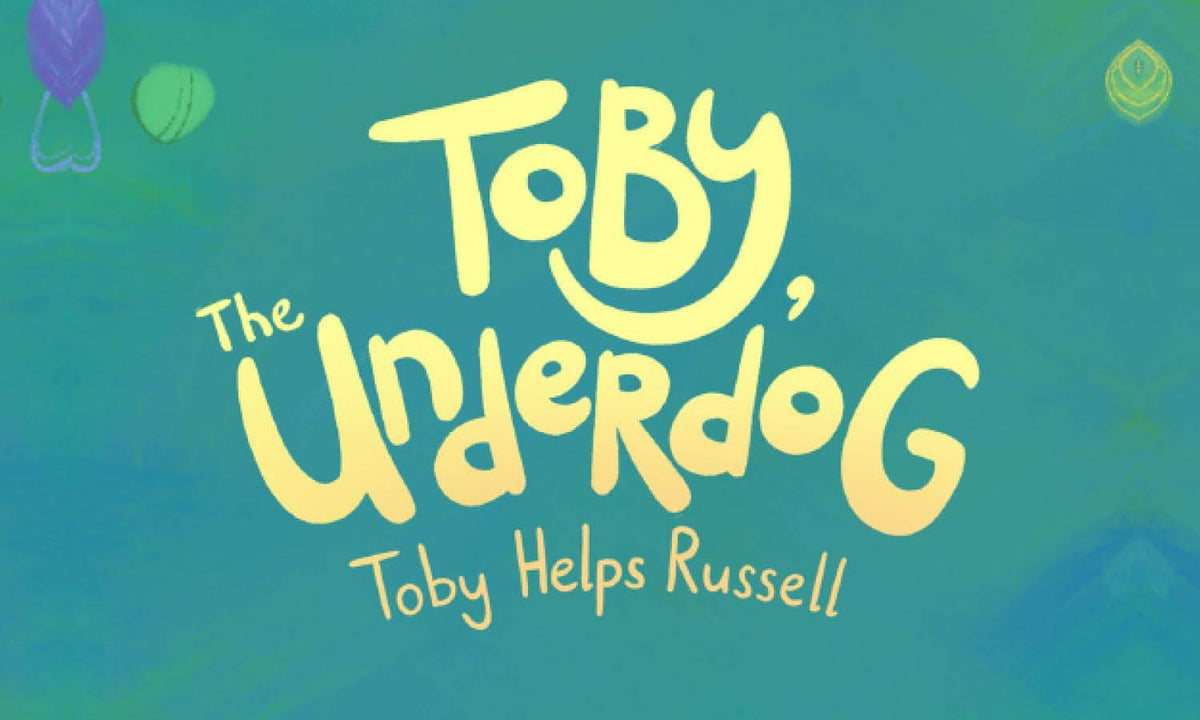
Source: Tea Tomescu, Behance, https://www.behance.net/gallery/129102983/Tootor-Branding
An effective education logo design does more than identify a school, university, academy, or learning platform. It communicates values, builds credibility, and helps establish a lasting connection with students, parents, educators, and the broader community. In a sector built on trust and knowledge, a logo often serves as the first visual impression people encounter. Whether you are developing a brand for a traditional educational institution or a modern online learning program, the logo should reflect the organization's mission while remaining clear and memorable. A successful education logo design balances professionalism with approachability, helping audiences instantly recognize and understand the brand behind it. The following tips focus on practical ways to create a logo that represents education effectively while remaining versatile, timeless, and meaningful.
Understand The Institution's Purpose And Audience
Before sketching concepts or selecting colors, take time to understand the institution's goals and audience. A primary school, private university, language academy, and online tutoring service may all belong to the education sector, but each serves different audiences and communicates different values.
Define Core Educational Values
Identify the qualities the institution wants to emphasize. Some organizations focus on academic excellence, while others prioritize creativity, innovation, leadership, accessibility, or community engagement. These values should influence every design decision.
Consider Student And Parent Expectations
Students and parents often evaluate educational organizations based on trust and credibility. Your education logo design should help reinforce these qualities. A logo aimed at young children may feel welcoming and energetic, while one designed for a university may require a more established and authoritative appearance. When you understand the audience first, the design becomes more relevant and effective.
Choose Educational Symbols With Purpose
Many educational logos use familiar symbols such as books, graduation caps, shields, torches, trees, or open doors. These elements can strengthen communication when they support the institution's message.
Common Education-Related Symbols
Books often represent knowledge and learning. Shields can communicate tradition and academic excellence. Trees may symbolize growth, development, and lifelong learning. Choosing the right symbol helps audiences understand the organization's purpose quickly.
Avoid Overused Or Generic Visuals
While educational symbols are useful, relying on generic clip-art-style graphics can make a logo feel forgettable. Instead of copying common designs, look for creative ways to reinterpret familiar educational themes. A thoughtful symbol should contribute meaning rather than simply filling space. The strongest education logo design concepts use symbols strategically to tell a story about the institution.
Keep The Design Simple And Easy To Recognize
Simplicity is one of the most important characteristics of effective logo design. A logo that is easy to recognize is often easier to remember.
Focus On One Strong Visual Idea
Trying to communicate too many concepts at once can weaken the design. Instead, choose a single visual direction and develop it clearly. One meaningful symbol or distinctive typographic treatment often performs better than multiple competing elements.
Remove Unnecessary Details
Fine details may look appealing on a large screen but disappear when the logo is reduced for social media profiles, stationery, or mobile applications. Simplifying shapes and reducing visual clutter improves clarity. A simple education logo design can remain recognizable across a wide range of applications while maintaining a professional appearance.

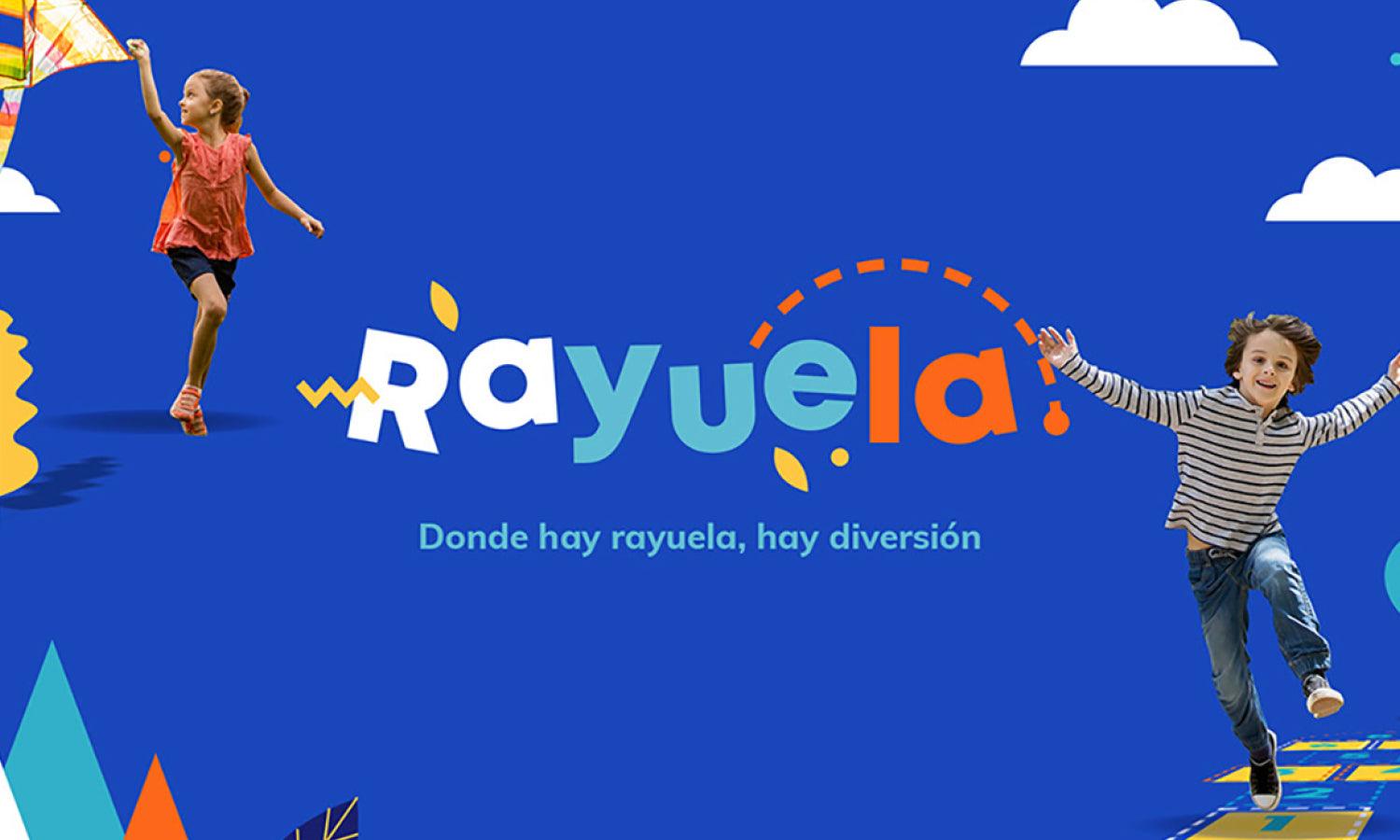
Source: Gabriel Braz, Behance, https://www.behance.net/gallery/131933565/Duas-Maos
Select Colors That Support Learning And Trust
Color plays a significant role in shaping how audiences perceive an educational brand. Different colors can communicate different emotions and values.
Colors Commonly Associated With Education
Blue is frequently associated with trust, intelligence, stability, and professionalism. Green often represents growth, progress, and development. Gold can suggest achievement and excellence. These associations make certain colors popular within educational branding.
Balancing Professionalism And Creativity
While traditional colors are often effective, there is room for creativity. Educational institutions serving younger students may benefit from brighter colors that feel energetic and engaging. Higher education organizations may prefer more refined and restrained palettes. The goal is not simply to choose attractive colors but to select colors that reinforce the institution's identity and mission.
Use Typography That Reflects Credibility
Typography communicates personality just as strongly as symbols and colors. The typeface used in an education logo design can influence perceptions of professionalism, accessibility, and trustworthiness.
Prioritize Readability
A logo should remain readable at different sizes and across different platforms. Decorative fonts may seem distinctive but can create readability issues. Clear letterforms usually provide better long-term performance.
Match The Font To The Institution's Personality
Traditional serif fonts often communicate heritage, authority, and academic excellence. Modern sans-serif fonts may suggest innovation, accessibility, and forward-thinking education. Some institutions combine styles to balance tradition and modernity. The chosen typography should support the overall message rather than compete with other design elements.
Create A Design That Appeals Across Age Groups
Educational organizations rarely communicate with a single audience. Students, parents, faculty members, administrators, alumni, donors, and community partners may all interact with the brand.
Balancing Approachability And Professionalism
A logo that feels too playful may struggle to communicate credibility, while one that feels overly formal may seem unwelcoming. Finding the right balance helps the logo connect with diverse audiences. Consider how different groups will perceive the design. An effective education logo design should feel accessible to students while still inspiring confidence among parents and stakeholders. This balance strengthens the institution's overall brand presence and broadens its appeal.
Ensure The Logo Works Across Digital And Print Platforms
Modern educational brands appear across websites, social media, mobile apps, printed materials, signage, uniforms, and promotional products. The logo must perform consistently in each environment.
Test Multiple Sizes
A logo should remain recognizable whether displayed on a large campus banner or a small social media profile image. Testing various sizes helps identify potential visibility issues before launch.
Consider Different Applications
Educational organizations often use logos in many contexts. A design that works only in one format creates limitations. Consider how the logo appears on certificates, brochures, websites, presentations, merchandise, and classroom materials. Versatility increases the long-term value of the design and ensures consistent brand recognition.

Source: Thayran Melo, Behance, https://www.behance.net/gallery/124213421/Casa-d-Conteudo-Brand-Identity
Highlight What Makes The Institution Unique
Every educational organization offers something distinctive. The logo should help communicate that difference.
Reflect Specialized Programs Or Educational Focus
A technology-focused academy may emphasize innovation. A language school may highlight communication and cultural connection. A faith-based institution may incorporate symbols that reflect its guiding principles.
Support Long-Term Brand Identity
The goal is not to include every detail about the institution but to capture a meaningful aspect of its identity. Even subtle references can create a stronger connection between the logo and the organization's mission. A unique education logo design helps distinguish the institution from competitors while reinforcing its core strengths.
Design For Longevity Rather Than Trends
Design trends change regularly, but educational institutions often maintain their identities for decades. Building a logo around temporary trends can lead to frequent redesigns.
Build Trust Through Consistency
A consistent visual identity helps establish familiarity and trust over time. Students, alumni, and community members develop stronger connections with brands that maintain recognizable identities.
Avoid Frequent Rebranding
While occasional updates may be necessary, a well-designed logo should remain effective for many years. Prioritizing timeless design principles over trendy effects improves longevity. An education logo design that remains relevant across generations provides greater value and strengthens institutional recognition.
Test The Logo In Black And White
Color can enhance a logo, but the design should not depend entirely on color for recognition.
Verify Shape Recognition
When viewed in black and white, the logo's shapes, typography, and structure become more apparent. If the design remains recognizable without color, it is likely built on a strong foundation.
Improve Versatility Across Media
Many educational materials may be printed in black and white due to budget or practical considerations. A logo that performs well in monochrome remains effective across a wider range of applications. Testing in black and white often reveals weaknesses that can be addressed before the final version is approved.
Frequently Asked Questions
Should An Education Logo Be Checked For Trademark Conflicts?
Yes, checking for trademark conflicts before finalizing an education logo design can prevent legal and branding problems. Institutions should search relevant trademark databases and review logos used by nearby schools or competing platforms. Professional legal guidance may also be helpful when the organization plans to operate across multiple regions.
When Should An Educational Institution Redesign Its Logo?
A redesign may be appropriate when the existing logo appears outdated, performs poorly on digital platforms, or no longer reflects the institution’s mission. The process should preserve recognizable elements when possible, especially for established schools. Gathering feedback from students, staff, alumni, and parents can also support a thoughtful transition.
How Can An Education Logo Support Accessibility?
An accessible education logo design should use strong color contrast, readable typography, and clear shapes that remain recognizable at different sizes. Designers should avoid relying on color alone to communicate meaning. Testing the logo in grayscale and against light and dark backgrounds can reveal potential visibility issues before launch.
Which Logo Files Should An Educational Institution Receive?
A complete logo package should include scalable vector files such as SVG, EPS, or AI, along with PNG and JPG versions for everyday use. Institutions should also receive full-color, monochrome, horizontal, and compact variations. Clear usage guidelines help staff apply every version consistently across uniforms, websites, certificates, and signage.
Conclusion
Creating a successful education logo design requires more than combining educational symbols and attractive colors. The strongest logos begin with a clear understanding of the institution's purpose, audience, and values. They use meaningful imagery, readable typography, thoughtful color choices, and simple visual structures to communicate credibility and trust. By focusing on clarity, versatility, uniqueness, and long-term relevance, educational organizations can develop logos that support their mission and strengthen their brand identity. A well-designed logo serves as a visual foundation that helps students, parents, educators, and communities recognize and remember the institution for years to come.
Let Us Know What You Think!
Every information you read here are written and curated by Kreafolk's team, carefully pieced together with our creative community in mind. Did you enjoy our contents? Leave a comment below and share your thoughts. Cheers to more creative articles and inspirations!
Related Articles








Leave a Comment