Oklahoma City Interior Trends for 2026: Style Shifts Homeowners Should Watch

Introduction: A Warmer, More Personal Direction for Oklahoma City Homes
In 2026, Oklahoma City interiors are moving away from rigid minimalism and toward spaces that feel warmer, more expressive, and deeply personal. As the city continues to grow—balancing urban redevelopment with family-friendly suburban neighborhoods—homeowners are designing interiors that support comfort, flexibility, and everyday living. The focus is less on chasing trends and more on creating homes that feel lived-in, restorative, and reflective of personal identity.
Slow Living and Comfort-First Design
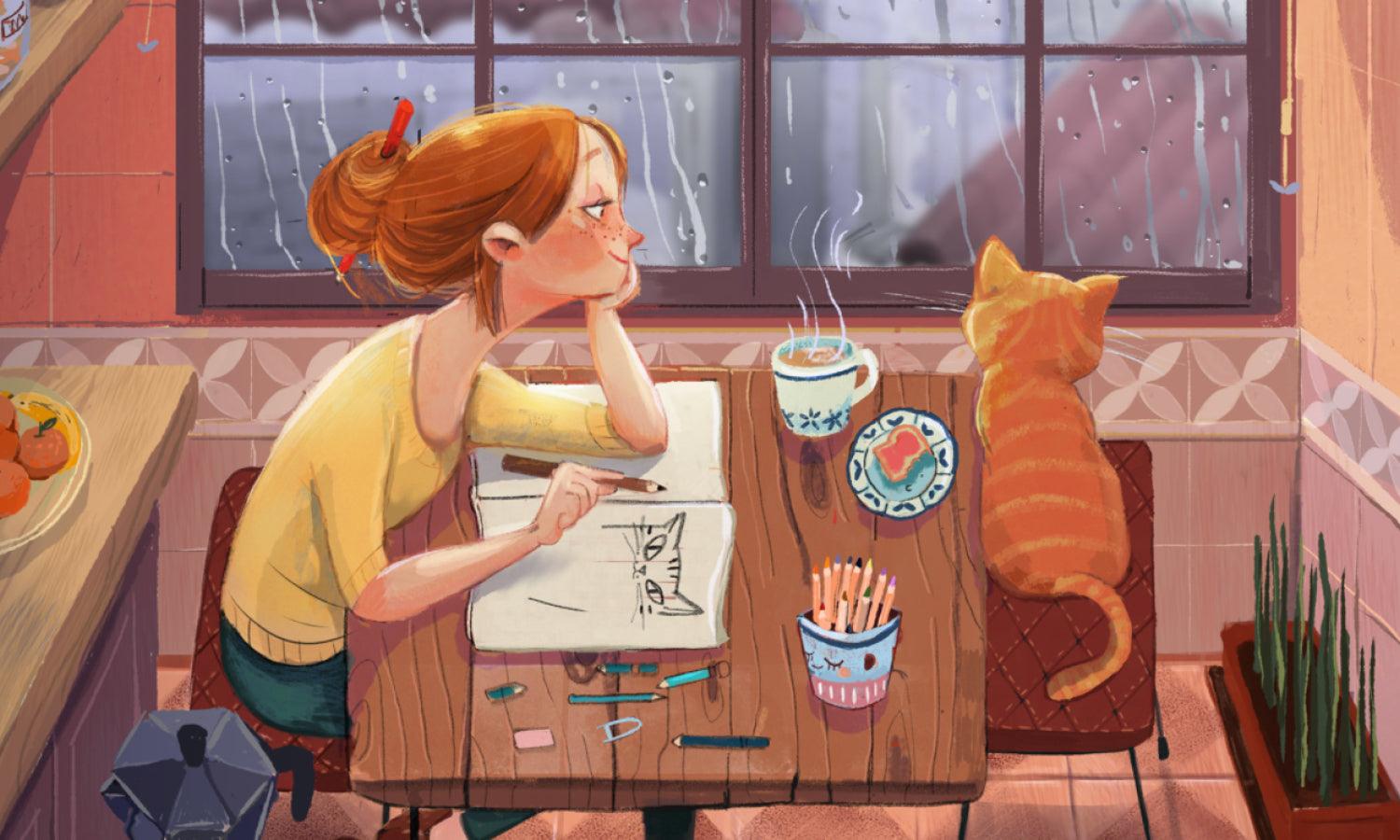
One of the most significant shifts shaping Oklahoma City's interiors is the movement toward slow living. Spaces are designed to support daily rituals, rest, and connection rather than visual perfection. Natural light, calm layouts, and furniture meant for lounging and gathering are taking priority. This approach fits well with Oklahoma City’s relaxed pace of life, where homes often serve as places to unwind, host family, and recharge from busy schedules.
Expressive Color Palettes Replace Neutral Uniformity
Neutral greys and stark whites are giving way to richer, more emotional color choices in 2026. Indigo, warm browns, earthy greens, and soft, creamy whites are being used to create depth without overwhelming a space. Techniques like color drenching and color capping—where one hue is layered across walls, ceilings, and trim—are becoming popular for creating immersive rooms that still feel cohesive. According to design coverage from Vogue, earthy, biophilic palettes are central to this shift toward warmth and authenticity.
Multifunctional Layouts for Real Life
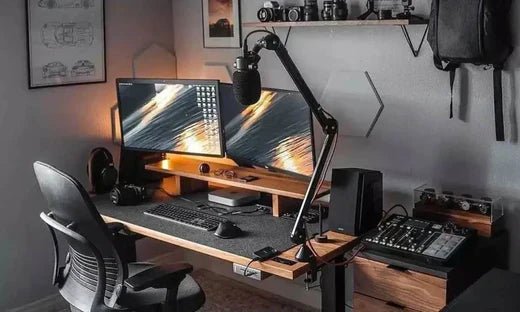
As lifestyles evolve, Oklahoma City homeowners are rethinking how rooms function. Open-concept layouts are being softened with defined zones for work, relaxation, and hobbies. Reading nooks, adaptable seating, and flexible dining areas allow spaces to serve multiple purposes without feeling cluttered. These practical updates not only improve daily comfort but can also increase home value by making properties more appealing to today’s buyers.
Natural Materials and Organic Texture
Organic materials are playing a major role in 2026 interiors. Timber, stone, wool, ceramics, and woven fibers add texture and warmth while creating a stronger connection to nature. Darker wood tones, reclaimed materials, and visible craftsmanship are replacing mass-produced finishes. This emphasis on tactility supports a more human-centered home—one that feels grounded, calming, and built to last.
Personalized, Collected-Over-Time Spaces
In 2026, Oklahoma City interiors are less about showroom styling and more about storytelling. Homes feature curated collections, sentimental decor, and artisan-made pieces that reflect personal history. Vintage accents, handmade art, and custom details bring character into each room. This layered approach allows interiors to evolve over time, creating spaces that feel authentic rather than overly designed.
Sustainability, Longevity, and Smart Investment
Sustainability in interior design now extends beyond eco-friendly materials to include durability and long-term use. Modular furniture, repairable pieces, and locally crafted items are favored over fast décor. For homeowners thinking about resale—or even planning to sell their Oklahoma house—these thoughtful upgrades signal quality and care, helping properties stand out in a more balanced housing market.
Conclusion: Creating Homes That Feel Timely and Truly Livable
Interior design trends shaping Oklahoma City in 2026 point to a clear shift toward warmth, comfort, and personal expression. Expressive color choices, flexible layouts, natural materials, and meaningful details are redefining what it means to live well at home. Instead of chasing short-lived trends, homeowners are focusing on interiors that feel grounded, adaptable, and emotionally engaging—an approach increasingly supported by insights from local Oklahoma City realtors who see strong demand for homes that balance style with everyday livability. The result is spaces designed to feel relevant now and comfortable for years ahead.
Related Articles