
Which Tattoo Styles Age Best? What to Know Before Choosing
A tattoo may look incredibly sharp when it is fresh, but the way it develops over the years matters just as much as its appearance on day one. Skin naturally changes, ink settles, and fine details can gradually soften, which means some designs tend to remain clearer and more readable than others.
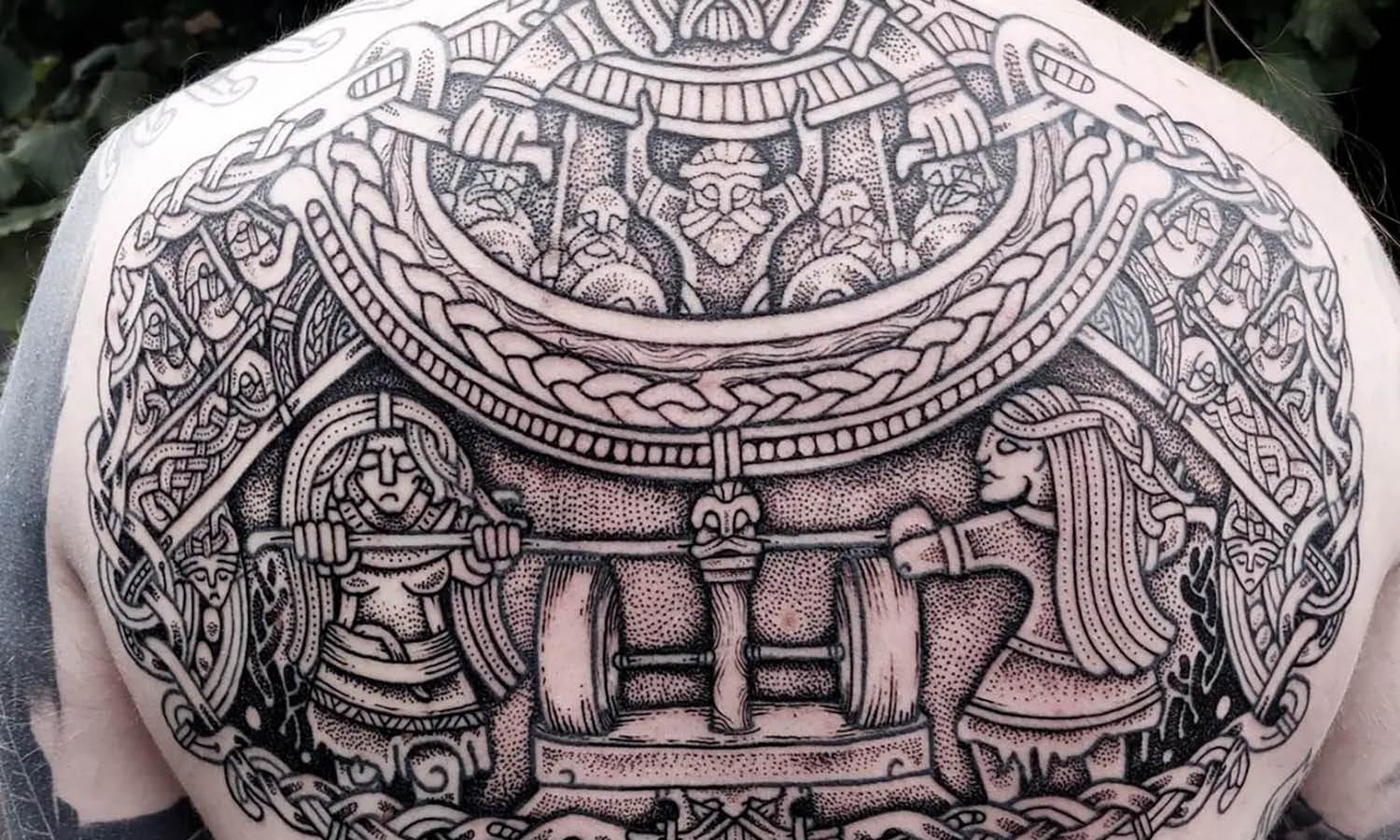
Generally, the tattoo styles that age best use strong linework, noticeable contrast, enough space between individual details, and a size that suits the complexity of the artwork. Traditional, blackwork, Japanese, and bold illustrative tattoos often perform particularly well because these qualities are built into their visual language.
That does not mean delicate or highly detailed tattoos are automatically poor choices. Artist technique, placement, sunlight, skin changes, and long-term care all influence how a tattoo matures. Understanding these factors can help you choose a style that still looks intentional years from now.
What Makes a Tattoo Style Age Well?
Tattoo aging is not determined by style alone. Certain visual characteristics simply give a design more room to change naturally without losing its identity.
Strong, Clear Linework
Bold, well-applied lines give a tattoo a solid visual framework. Over the years, tattoo lines may soften slightly as pigment settles within the skin. When the original linework is clear and substantial, a small amount of softening is less likely to affect the overall readability of the design.
This is one reason many traditional and Japanese tattoos continue looking recognizable decades after they were created.
Enough Space Between Details
Every line does not remain exactly as crisp as it looked immediately after tattooing. If tiny details are packed extremely close together, they can eventually become harder to distinguish.
Designs with comfortable spacing allow individual shapes to remain separate even after natural changes occur. This is especially important for lettering, facial features, decorative textures, and highly detailed patterns.
Strong Contrast
Dark areas placed beside lighter areas or open skin create visual definition. Strong contrast helps a tattoo remain understandable even if certain pigments fade slightly.
A design does not have to be completely black to age well, but clearly separated values often preserve visual structure better than artwork built almost entirely from subtle tonal differences.
Appropriate Scale
Complexity needs space. A large dragon with detailed scales can maintain definition because each element has room to breathe. The same amount of detail compressed into a very small tattoo may become difficult to distinguish later.
Choosing an appropriate size is therefore one of the simplest ways to improve a tattoo's long-term readability.
Traditional Tattoos and Their Long-Term Strength
Traditional tattooing is often considered one of the most reliable choices for people concerned about longevity. The style was built around visual clarity, using design principles that continue to work as tattoos mature.
Bold Outlines
Traditional tattoos typically feature thick black outlines surrounding major shapes. These lines create a strong visual boundary between different parts of the design.
Even if the tattoo softens slightly over many years, the main silhouette usually remains easy to understand.
Simple, Recognizable Shapes
Classic subjects such as roses, swallows, daggers, hearts, snakes, and panthers are normally simplified into strong forms rather than packed with tiny realistic details.
That simplicity works in the tattoo's favor. A recognizable silhouette can remain attractive even if the smallest elements change slightly with age.
Saturated Color and Black
Traditional tattooing frequently uses solid areas of black alongside strongly saturated colors. Red, green, yellow, blue, and black are commonly arranged in clearly defined sections.
The result is a design with enough visual strength to maintain its character as the pigments gradually settle and soften.
Blackwork and Bold Illustrative Styles
Blackwork is another strong option for anyone prioritizing long-term visual impact. Because the style often relies heavily on solid black, defined shapes, and negative space, its essential structure can remain clear for many years.
Solid Black Areas
Dense areas of black create some of the strongest contrast possible in tattoo design. Large shapes do not depend on tiny details to remain recognizable, making them more forgiving of natural changes in the skin.
Geometric blackwork, ornamental patterns, silhouettes, and graphic illustrations can all benefit from this approach.
Negative Space
Good blackwork is not simply about adding more black. The open skin between shapes is equally important.
Negative space separates sections of the composition and prevents different elements from visually merging. Generous spacing can help complicated blackwork remain readable as the tattoo matures.
Bold Illustrative Designs
Illustrative tattoos combine drawing-inspired imagery with tattoo-friendly construction. When an artist uses confident outlines, purposeful shading, and an appropriate level of detail, the result can age very effectively.
The key is keeping the illustration readable rather than attempting to reproduce every tiny detail that would appear in a drawing on paper.
Japanese Tattooing and Larger Compositions
Japanese tattooing frequently uses design principles that support strong long-term readability. Large compositions, distinct outlines, and flowing shapes help the artwork remain visually organized across substantial areas of the body.
Large-Scale Imagery
Dragons, koi fish, tigers, peonies, chrysanthemums, masks, and mythological figures are often tattooed at a generous size.
This gives important features enough space to remain separated while allowing the composition to contain considerable detail without becoming visually cramped.
Flowing Shapes and Strong Outlines
Japanese tattooing often emphasizes movement through curved lines and broad directional forms. Strong outlines define the main subject while helping it stand apart from surrounding elements.
Even after years of gradual softening, the overall silhouette usually remains clear.
Balanced Background Elements
Waves, clouds, wind bars, rocks, smoke, and other background motifs help connect larger compositions.
Rather than relying on excessive micro-detail, these elements create rhythm and visual separation throughout sleeves, back pieces, and bodysuits. This structured approach makes Japanese tattooing one of the tattoo styles that age best when executed by an experienced artist.
How Fine-Line and Minimalist Tattoos Tend to Age
Fine-line tattoos have become extremely popular for their delicate appearance, but their aging depends heavily on design choices and execution.
They are not guaranteed to age poorly. They simply leave less room for visual change than designs built around thicker lines and stronger contrast.
Why Thin Lines Can Change More Noticeably
Very thin lines contain less pigment and visual weight. If a delicate line fades or softens slightly, the difference may be more noticeable than it would be in a thicker outline.
Some fine lines can also lose consistency over time, particularly when the original tattoo is extremely light or tiny.
Minimalist Designs Can Still Age Well
Minimalist does not necessarily mean fragile. A simple tattoo with clean shapes, sensible spacing, and restrained detail can mature beautifully.
A small botanical outline, geometric symbol, or uncomplicated illustration may hold up well because there is very little visual information competing for limited space.
When Fine-Line Designs Need More Planning
Problems are more likely when a tiny tattoo contains excessive internal detail. Small faces, miniature lettering, intricate architecture, or tightly packed decorative lines can become less distinct.
Slightly increasing the tattoo's size or simplifying certain areas can often preserve the delicate aesthetic while improving long-term clarity.
Tattoo Styles That May Require More Maintenance
Some tattoo styles can still look beautiful over time but may show changes more visibly. Choosing them simply means understanding what those changes could look like.
Microrealism
Microrealism compresses realistic imagery into very small spaces. Portraits, animals, statues, landscapes, and objects can look astonishing when fresh, but their tiny shadows and details may gradually become less distinct.
Larger versions of the same designs often have more room to age naturally.
Watercolor Tattoos
Watercolor tattoos often rely on soft transitions, splashes of color, and areas without heavy outlining. Their airy appearance is part of the appeal, but subtle edges and pale washes may become less defined over time.
Strategic darker elements can sometimes help provide structure without sacrificing the watercolor effect.
Very Light or Pastel Designs
Pastels and extremely light pigments can create beautiful, subtle tattoos, but they generally provide less contrast than darker colors.
As the pigment gradually changes, the artwork may need occasional touch-ups to maintain its original intensity. This does not make lighter tattoos a bad choice, but expectations should match the style.
What to Consider Before Choosing a Tattoo Style
Knowing which styles tend to age well is helpful, but the best decision comes from looking at your specific design rather than choosing a category based on longevity alone.
Think About the Tattoo 10 or 20 Years From Now
Imagine the design with slightly softer edges and less contrast. Would the main subject still be recognizable?
If the answer is yes, the design likely has a solid visual foundation. If removing a few tiny details would make the image impossible to understand, reconsidering the composition may be worthwhile.
Choose the Right Size for the Detail
One of the most useful questions to ask your artist is whether the tattoo is large enough for the amount of detail you want.
Sometimes increasing a design by only a few centimeters creates significantly more room between lines, helping individual features remain readable for longer.
Consider Placement
Different areas of the body experience different levels of sun exposure, friction, movement, and skin change.
Hands, fingers, feet, and other high-contact areas can behave differently from protected areas such as the upper arm or torso. Placement should therefore be considered alongside style.
Review Healed Work From the Artist
Fresh tattoo photographs show technical skill, but healed tattoos reveal how that work actually settles into the skin.
When researching an artist, look for examples photographed months or years after the original appointment. Healed work can tell you much more about line consistency, saturation, and long-term readability.
Ask How the Design Can Be Made More Durable
A good tattoo artist can usually recommend adjustments without changing the basic concept you love.
They may suggest increasing certain gaps, strengthening an outline, simplifying tiny details, adjusting contrast, or making the piece slightly larger. These small decisions can have a meaningful impact on how the tattoo ages.
Frequently Asked Questions
What Tattoo Styles Age Best Over Time?
Traditional, blackwork, Japanese, and bold illustrative tattoos often age especially well because they tend to use strong outlines, clear shapes, noticeable contrast, and adequate spacing. However, style is only part of the picture. Artist technique, tattoo size, placement, sun exposure, and long-term skin care also strongly influence longevity.
Do Fine-Line Tattoos Age Badly?
Fine-line tattoos do not automatically age badly, but very delicate lines may show fading or softening more noticeably than heavier linework. Their longevity depends on how thin the lines are, how much detail is included, the tattoo's placement, and the artist's technique. Simple fine-line designs with adequate spacing can still age attractively.
Do Black Tattoos Age Better Than Color Tattoos?
Black ink often retains strong visual contrast, making black tattoos particularly readable as they mature. Color tattoos can also age extremely well when pigments are saturated and clearly separated. Lighter colors, subtle gradients, and pale washes may show fading more noticeably, so the overall design structure matters as much as whether the tattoo is black or colored.
Should I Choose a Larger Tattoo if I Want It to Age Better?
A larger size can be helpful when the design contains detailed shading, lettering, facial features, patterns, or multiple small elements. Additional space prevents details from sitting too close together. Simple tattoos do not necessarily need to be large, but complex artwork usually benefits from enough room for every important element to remain distinct.
Conclusion
The tattoo styles that age best generally share a few characteristics: clear shapes, strong contrast, comfortable spacing, and enough size for their level of detail. Traditional, blackwork, Japanese, and bold illustrative tattoos naturally use many of these qualities, making them dependable long-term choices.
Fine-line, watercolor, microrealism, and lighter designs can still mature beautifully when they are thoughtfully planned. Rather than choosing a style based only on longevity, work with an experienced artist who can adapt the design for your placement, preferred size, and long-term expectations.
Related Articles









Leave a Comment