
What to Wear to a Tattoo Appointment for Comfort and Access
Figuring out what to wear to tattoo appointment sessions may seem like a small detail, but the right outfit can make a noticeable difference to your comfort and your artist's ability to work. In most cases, the best choice is loose, comfortable clothing that gives easy access to the area being tattooed without requiring constant pulling, rolling, or adjusting.
Your outfit should also suit the tattoo placement, the expected length of the session, and how you will feel afterward when the skin may be sensitive. Clothing can occasionally pick up ink, stencil solution, ointment, or small stains, so this is rarely the day for your favorite expensive outfit.
A little planning helps you stay comfortable, maintain privacy where needed, and leave the studio without clothing rubbing unnecessarily against your fresh tattoo.
What to Wear to a Tattoo Appointment: The Basic Rules
Before choosing a specific outfit, focus on three practical priorities: comfort, accessibility, and simplicity. The artist needs enough room to work around the tattoo area, while you need clothing that stays comfortable throughout the session.
Choose Loose, Comfortable Clothing
Loose clothing is usually easier to sit or lie in for an extended period. It also reduces pressure around the tattoo area and makes it easier to reposition clothing when the artist needs additional access.
Soft T-shirts, relaxed trousers, loose shorts, oversized shirts, and similar pieces are usually more practical than fitted garments.
Comfort becomes especially important during longer appointments. Something that feels perfectly comfortable for ten minutes may become irritating after several hours in one position.
Make the Tattoo Area Easy to Reach
Your artist often needs access to more skin than the final tattoo itself occupies. They may need room to clean the skin, place or adjust the stencil, stretch the area while tattooing, and apply a dressing afterward.
Choose clothing that can expose the tattoo area easily without having to hold fabric in place throughout the session.
Wear Something You Do Not Mind Staining
Tattoo studios take care to keep clothing clean, but accidental marks can still happen. Ink, stencil products, cleaning solution, ointment, or small amounts of blood may come into contact with fabric.
Older clothing or darker pieces are often sensible choices, especially for larger tattoos.
What to Wear Based on Tattoo Placement
Tattoo placement should be the main factor when deciding what to wear. An outfit that works perfectly for a forearm tattoo may be completely impractical for a rib or thigh tattoo.
For Arm and Shoulder Tattoos
For forearm tattoos, a loose short-sleeve T-shirt usually provides enough access. Depending on the exact placement, sleeves should be loose enough to roll comfortably above the tattoo.
For upper-arm and shoulder pieces, tank tops and sleeveless shirts are particularly practical because they keep fabric away from the working area.
A loose button-up shirt can also work well for shoulder tattoos because one side can often be moved out of the way without removing the entire garment.
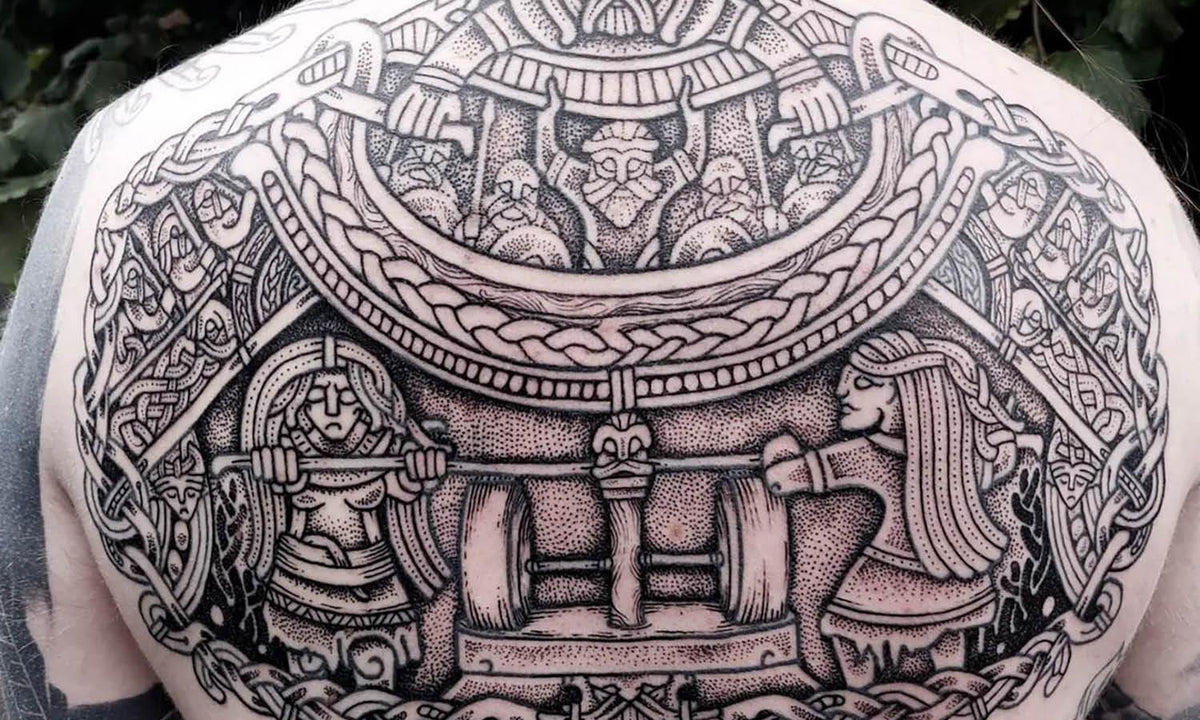
For Chest, Rib, and Back Tattoos
Chest and rib tattoos usually require clothing that can open, lift, or move easily. Button-up shirts, loose tops, zip-up hoodies, and cardigans can provide flexible coverage without restricting access.
For back tattoos, a button-up shirt worn backward may occasionally be useful depending on the placement and the artist's preference.
These areas can require more clothing adjustment, so it is worth asking your artist beforehand if you are uncertain. You may also want an extra loose layer to wear while arriving, taking breaks, or leaving the studio.
For Hip, Thigh, and Leg Tattoos
Loose shorts are among the easiest options for thigh and upper-leg tattoos. Wide-leg trousers, skirts, or loose bottoms that can be repositioned comfortably may also work.
Tight jeans and leggings are usually less convenient because they can be difficult to pull away from the tattoo area and may feel uncomfortable afterward.
For calf or lower-leg tattoos, shorts provide the simplest access. If you prefer trousers, choose a pair that can easily roll well above the tattoo rather than stopping directly beside it.
For Ankle and Foot Tattoos
For ankle tattoos, shorts or loose trousers that roll upward easily are usually practical. Avoid narrow trouser cuffs that become tight around the calf when rolled up.
Foot tattoos require additional thought because footwear may interfere with the freshly tattooed skin. Sandals, slides, or another easy-to-remove option may be appropriate depending on where the tattoo sits.
Ask your artist if you are unsure whether shoes or socks will come into contact with the finished tattoo.
How to Dress for Privacy Without Limiting Access
Certain placements require exposing more skin than you may normally feel comfortable showing. Choosing adaptable clothing can help you maintain coverage while still giving your artist enough room to work safely.
Wear Adjustable Layers
Clothing that can open, loosen, or move independently is particularly useful for hip, rib, chest, and upper-thigh tattoos.
Button-down shirts, cardigans, zip-up jackets, loose shorts, and similar pieces allow you to uncover the necessary area without completely undressing.
Your artist needs practical access, but that does not mean every nearby area needs to remain exposed throughout the appointment.
Consider Bringing an Extra Cover-Up
A clean oversized shirt, light jacket, cardigan, or other loose layer can be helpful before and after the session. It may also keep you comfortable during breaks if the studio feels cool.
Some studios have screens, towels, coverings, or other privacy arrangements available, particularly when working on more intimate placements. Practices vary, however, so clothing that gives you some control over coverage can make the experience easier.
Ask the Artist Before the Appointment
If your tattoo is positioned near the hip, chest, upper thigh, or another area where clothing access may be awkward, contact your artist beforehand.
A quick question about what to wear can prevent you from arriving in an outfit that has to be completely removed or continuously held out of the way.
What Not to Wear to a Tattoo Appointment
Some outfits create unnecessary problems during the appointment or become uncomfortable once the tattoo is finished. Avoiding a few common choices makes dressing for your session much easier.
Tight or Restrictive Clothing
Skinny jeans, tight leggings, fitted sleeves, compression garments, and other restrictive pieces can make the tattoo area difficult to access.
They may also press against sensitive skin when you get dressed again.
Even when tight clothing does not directly cover the tattoo, consider whether it limits your ability to sit, stretch, or change positions comfortably.
Delicate or Expensive Clothing
A tattoo appointment is not an ideal occasion for clothing that would be difficult or expensive to replace.
Professional artists take precautions, but ink and other tattoo products can still transfer accidentally. Wearing something washable and relatively easy to replace eliminates unnecessary worry.
Complicated Outfits
Jumpsuits, bodysuits, layered outfits, clothing with numerous straps, and garments with complicated fastenings can make accessing one small area surprisingly difficult.
A simple outfit usually works better. You want to be able to adjust clothing quickly without creating extra obstacles for yourself or your artist.
Clothing That Will Rub the Fresh Tattoo
Think beyond the tattooing itself. You will need to put your clothing back into position when the session ends.
Tight waistbands, fitted sleeves, rough seams, restrictive socks, or narrow shoes may sit directly against the fresh tattoo. Choosing clothing that stays away from the area can make the trip home noticeably more comfortable.
Small Clothing Choices That Make Long Tattoo Sessions More Comfortable
A short appointment may require little preparation, but clothing becomes more important when you expect to spend several hours in the studio.
Dress in Layers
Tattoo studio temperatures vary, and sitting relatively still can sometimes make you feel colder than expected.
Wear layers that can be removed or added without disturbing the tattoo area. A zip-up hoodie or cardigan is usually easier to manage than a tight sweater that must be pulled over your head.
Choose Breathable Fabrics
Soft, breathable fabrics generally feel more comfortable over several hours than stiff or heavily structured clothing.
Cotton T-shirts, relaxed sweatpants, lightweight trousers, and loose shorts are simple options. The goal is not to dress stylishly for the appointment but to wear something you can comfortably remain in for the entire session.
Think About Sitting or Lying Positions
Your artist may ask you to sit upright, lie on your side, rest on your stomach, or hold another position while they work.
Choose clothing that stays comfortable when your posture changes. Tight waistbands, bulky hardware, belts, and stiff seams can become irritating when pressed between your body and the tattoo chair.
Bring a Clean Change of Clothing When Useful
For particularly large pieces or sessions involving awkward placements, bringing a spare shirt or loose pair of bottoms can be useful.
You may not need them, but having an alternative gives you the option to change if your original clothing becomes stained or uncomfortable.
Plan What You Will Wear After the Tattoo Is Finished
The clothing that works during the appointment should ideally also be comfortable afterward. Freshly tattooed skin may feel tender, warm, or sensitive to pressure, making tight clothing much less pleasant than usual.
Consider where seams, waistbands, sleeves, socks, or shoes will sit once the tattoo is covered or dressed.
For hip and stomach tattoos, a tight waistband may rest directly over the area. For upper-arm tattoos, narrow sleeves can create unnecessary friction. With foot and ankle tattoos, footwear may be the biggest concern.
Your artist may use a traditional dressing, adhesive film, or another protective covering depending on their process and the tattoo itself. Follow their specific instructions rather than changing the dressing simply to make clothing easier to wear.
Planning your journey home before the appointment helps you avoid discovering afterward that your outfit presses directly against the new tattoo.
Frequently Asked Questions
Can I Wear Jeans to a Tattoo Appointment?
Jeans are fine when they do not restrict access to the tattoo area. For an arm or shoulder tattoo, they usually present no problem. For thigh, hip, knee, calf, or ankle tattoos, however, tight denim can be difficult to reposition. Loose shorts or relaxed trousers are generally more practical for leg placements.
Should I Wear Black to a Tattoo Appointment?
Black clothing is not required, but darker fabrics can be convenient because minor ink or stencil stains may be less noticeable. The more important considerations are comfort, accessibility, and whether you mind the garment potentially getting marked. An older dark-colored shirt is often a practical choice for larger or longer sessions.
Should I Wear Loose Clothing After Getting a Tattoo?
Loose clothing is often more comfortable because it reduces rubbing and pressure against freshly tattooed skin. However, the most suitable outfit depends on the tattoo's location and the type of covering your artist applies. Choose clothing that does not press tightly against the area and follow the studio's specific aftercare advice.
What Should I Wear for a Hip or Thigh Tattoo?
Loose shorts, skirts, wide-leg bottoms, or other adjustable garments usually provide the easiest access for hip and thigh tattoos. Choose something that can move far enough away from the tattoo area without needing constant adjustment. The same garment should ideally remain loose enough that it does not rub against the tattoo afterward.
Conclusion
Deciding what to wear to tattoo appointment sessions comes down to balancing comfort, easy access, privacy, and what your fresh tattoo will need afterward. Loose clothing, adjustable layers, and simple garments are usually the safest choices, especially when they keep fabric away from the working area. Avoid valuable clothes and anything restrictive that may rub against newly tattooed skin. Most importantly, dress according to the tattoo placement rather than relying on one universal outfit. If the location makes clothing access complicated, asking your artist beforehand can make the appointment much smoother.
Related Articles









Leave a Comment