
How to Choose a Tattoo Size That Fits Your Design
Choosing the right tattoo size is about more than deciding how much skin you want to cover. Size directly affects how clearly a design reads, how much detail it can hold, how naturally it fits the body, and how well its visual balance may hold up over time. A tiny tattoo can work beautifully for a simple symbol, while a detailed illustration often needs more room to breathe.
The best approach is to match the tattoo size to the complexity of the artwork, the shape of the placement area, and the level of visibility you want. Instead of asking whether a tattoo should simply be small or large, think about whether the chosen scale gives every important element enough space to remain clear. That makes the final design feel intentional rather than cramped or awkwardly oversized.
Start With the Detail in Your Design
The amount of detail in your artwork should be one of the first things you consider when choosing a tattoo size. Some designs remain readable at a compact scale, while others lose their character when they are reduced too far.
Simple Designs Can Work at Smaller Sizes
Minimal artwork usually adapts well to smaller placements because it relies on fewer visual elements. A basic symbol, short word, tiny geometric shape, uncomplicated flower, or simple line illustration does not need much space to communicate its idea.
What matters is keeping the design clean. Even simple tattoos can become difficult to read if several thin lines are packed too closely together. A small tattoo should still have enough negative space around its main features so the image does not feel compressed.
If your design depends on a recognizable silhouette rather than detailed shading or texture, reducing the size is often more practical.
Detailed Designs Usually Need More Space
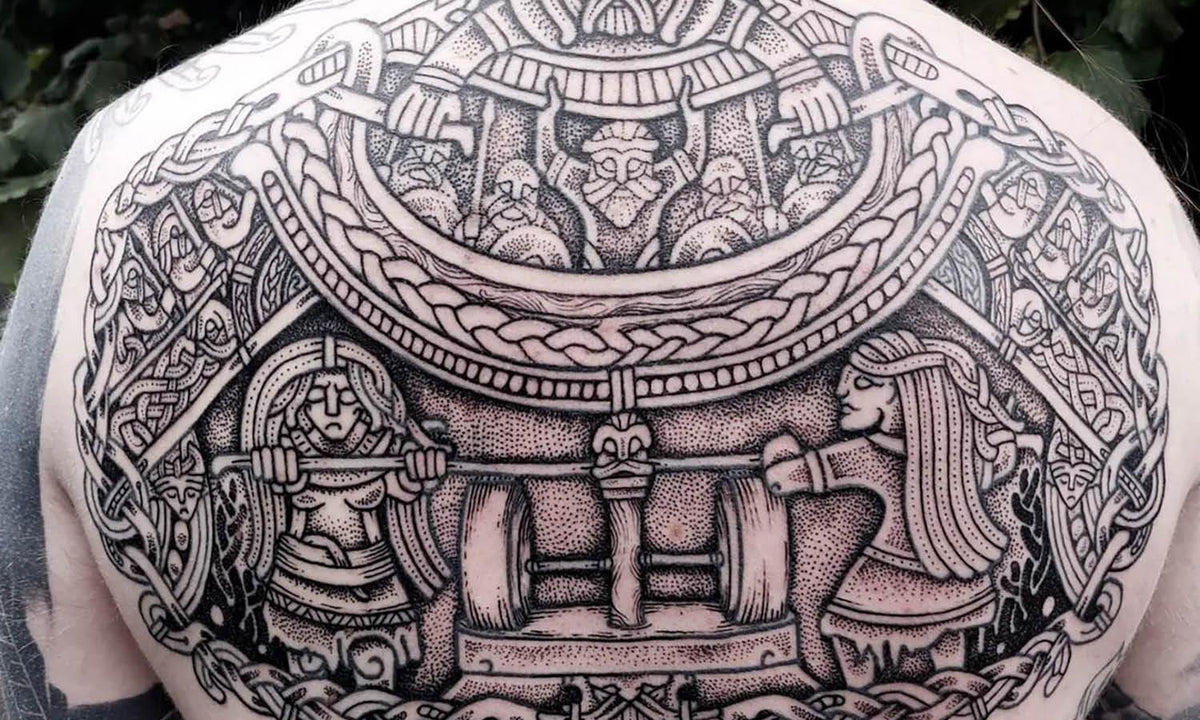
More complex artwork generally benefits from a larger tattoo size. Portraits, realistic animals, layered flowers, ornamental patterns, decorative lettering, and illustrations with extensive shading all require enough room for individual features to remain visible.
When these designs are shrunk too aggressively, small lines can begin to merge visually. Subtle expressions, tiny textures, and narrow gaps may also disappear.
Instead of forcing every element into a small area, consider enlarging the artwork or simplifying selected details. Preserving the design's clarity usually creates a stronger tattoo than squeezing an ambitious composition into a space that cannot support it.
Match the Tattoo Size to the Placement
Tattoo size and placement work together. A design that feels perfectly balanced on the forearm may look cramped on the wrist or strangely small across the back.
Consider the Available Surface Area
Smaller areas naturally limit how much space a design can occupy. Fingers, ankles, wrists, and areas behind the ear tend to work best with simpler, more compact artwork.
Larger areas such as the thigh, back, chest, upper arm, and calf give you more flexibility. They can accommodate larger motifs, more decorative details, and compositions made from several connected elements.
This does not mean every large body area needs a large tattoo. A small design can still create an intentional contrast against open skin. The important point is to make sure the scale looks purposeful rather than accidental.
Think About the Shape of the Body Area
The dimensions of the placement matter just as much as the total amount of space available.
Long, narrow designs often work naturally along the forearm, shin, ribs, or spine. Wider illustrations may suit the chest, shoulder blade, upper back, or thigh more effectively.
Pay attention to the direction of the design as well. A vertical composition can emphasize the length of an arm or leg, while a broader tattoo can follow the width of the shoulders or chest.
Choosing a tattoo size that respects the body's proportions can make the artwork look more integrated with the person wearing it.
Think About How the Tattoo Will Look From a Distance
Designs are often viewed very differently during the planning stage than they are once placed on the body.
When you look at tattoo artwork on a phone, tablet, or computer, you may be viewing it much larger than its intended final size. Fine details that seem perfectly clear on screen can become almost invisible when the image is reduced.
Try looking at the composition from several distances. If the main shape remains easy to understand without examining it closely, the scale is probably working well.
Bold outlines, clearly separated elements, and generous negative space generally help tattoos remain visually readable. Smaller tattoos often create a quieter, subtler effect, while larger designs naturally attract more attention and establish a stronger visual presence.
Testing the design at approximately its actual tattoo size is one of the easiest ways to judge whether its proportions feel right before committing.
Consider How the Design May Age
Tattoo size can also influence how well individual details remain visually distinct as the tattoo matures.
Skin changes naturally, and tattoo lines may soften slightly over time. Designs with extremely narrow gaps, tiny lettering, or dense groups of lines can therefore become less defined than compositions that leave more breathing room.
Leave Enough Space Between Fine Details
Fine details are most effective when each element has enough space to remain separate from the others.
For example, a tiny flower with many tightly packed petals may look crisp immediately after tattooing but could appear less distinct later if the lines sit very close together. The same principle applies to decorative patterns, facial features, small text, and miniature shading.
Increasing the tattoo size even slightly can sometimes provide enough extra room to improve the composition substantially.
Avoid Shrinking the Design Just to Fit
If your preferred placement cannot comfortably support the design, reducing it is not always the best solution.
You may get a better result by moving the artwork to a larger area, simplifying certain details, or increasing the overall scale. These changes can preserve the character of the design without forcing the artist to compromise important features.
A successful tattoo should fit both the body and the artwork. Choosing a larger size can sometimes be the more restrained decision because it allows the original concept to remain visually clear.
Decide How Visible You Want the Tattoo to Be
Tattoo size also changes how noticeable the design feels in everyday life.
A smaller tattoo can be easier to conceal beneath clothing and may create a more understated appearance. This can appeal to people who prefer subtle body art or want a design that feels more personal than immediately visible.
Larger tattoos naturally become more prominent. Depending on placement, they may become an important part of your overall visual style and remain noticeable even from a distance.
Think about where the tattoo will sit when you are wearing your usual clothing. Consider professional environments, social settings, personal style, and whether you want the design to be easy to cover.
Visibility is influenced by both placement and scale. A medium-sized tattoo on the hand may be more noticeable than a much larger design on the upper thigh, so those decisions should always be considered together.
Test Different Sizes Before the Appointment
One of the most practical ways to choose tattoo size is to test the design at several realistic scales before it becomes permanent.
Print the Design at Actual Size
If possible, print the artwork at the size you are considering and hold it against the intended placement.
This gives you a much more accurate impression than viewing the design on a screen. You can see whether it feels too dominant, too small, or appropriately proportioned compared with the surrounding body area.
Even a simple paper mockup can reveal problems that are difficult to notice digitally.
Compare More Than One Size
Do not test only one version.
Print or preview a slightly smaller option, your original choice, and a slightly larger variation. Comparing them side by side makes it easier to judge how much visual impact you actually want.
Sometimes a difference of only a few centimeters can dramatically improve the balance of a tattoo.
Ask the Tattoo Artist for Input
Your tattoo artist can also help determine whether the design is practical at your preferred scale.
An experienced artist may notice that certain lines need more room, that lettering should be enlarged, or that the artwork would sit more naturally if its proportions were adjusted.
Treat these recommendations as part of the design process rather than unwanted changes. A small adjustment in size can improve readability, composition, and the overall quality of the finished tattoo.
Use a Simple Tattoo Size Checklist Before Deciding
Before approving the stencil, evaluate the design from several angles.
Ask yourself whether every important detail is still clear at the chosen size. Look at whether the artwork suits the shape of the body area and whether narrow spaces between lines still feel distinct.
Consider how visible you want the tattoo to be and whether the current scale creates that effect. It can also help to ask whether making the design slightly larger would improve its balance without changing the overall concept.
There is no universal tattoo size that works for every design. The goal is to choose a scale that gives the artwork enough room to function while still matching your preferred placement and visual style.
If the design looks balanced, readable, and intentional when viewed both closely and from a short distance, you are probably close to the right size.
Frequently Asked Questions
How Do I Know if My Tattoo Design Is Too Small?
A tattoo may be too small if important lines, lettering, shading, or decorative elements begin to crowd together when the artwork is reduced. Printing the design at its intended size can reveal these problems. A tattoo artist can also advise whether enlarging or simplifying certain elements would improve clarity.
Does a Bigger Tattoo Always Look Better?
Not necessarily. Larger tattoos provide more space for detail, but simple artwork may look more effective at a modest scale. The ideal size depends on the design, placement, and intended visual impact. A balanced tattoo should look proportional to the body area rather than simply being as large as possible.
Can a Tattoo Artist Change the Size of My Design?
Yes. Tattoo artists commonly resize artwork before applying the final stencil. They may recommend making the design larger so details remain readable or adjusting its proportions to suit the placement. These changes are usually part of refining the composition rather than changing the original idea completely.
Should Lettering Tattoos Be Larger Than Image Tattoos?
It depends on the lettering style and the amount of text. Small initials or short words can work at compact sizes, but longer phrases and decorative scripts often need more room. Adequate spacing between letters helps preserve readability, particularly when the design uses thin strokes or detailed typography.
Conclusion
Choosing the right tattoo size means balancing detail, placement, readability, visibility, and the overall proportions of the artwork. Small designs can work beautifully when they remain simple, while complex illustrations often benefit from extra room. Before committing, view the artwork at its actual intended scale and compare a few different sizes. Your tattoo artist can also help refine the proportions if certain elements need more space. The best size is ultimately the one that allows the design to look clear, balanced, and naturally suited to your body.
Related Articles








Leave a Comment