
How to Choose a Tattoo Style That Fits Your Personality
Choosing a tattoo can feel surprisingly complicated when you like several different aesthetics at once. One design may look beautiful in fine line, another may feel stronger in traditional or blackwork, and suddenly the decision becomes less about the subject itself and more about how you want it to look and feel.
Understanding how to choose a tattoo style starts with looking at your own personality, visual preferences, and lifestyle rather than simply following whatever style is popular. The right choice should feel like something you would naturally be drawn to even outside the tattoo world.
You do not need to fit neatly into one personality type or commit to a single artistic category forever. Instead, the goal is to recognize patterns in what you already love and use those clues to narrow your options into a tattoo style that feels personal, comfortable, and visually authentic.
Start With the Personality You Want Your Tattoo to Express
Your personality does not automatically determine which tattoo style you should choose, but it can provide a useful starting point. Tattoos communicate visually, so thinking about the mood you want yours to project can make the decision much clearer.
Think About How You Naturally Express Yourself
Look at the way you already make aesthetic choices. Your clothing, jewelry, home decor, favorite illustrations, and even the way you customize personal belongings can reveal patterns in your taste.
Someone who consistently gravitates toward simple shapes and neutral design may naturally enjoy minimalist or fine-line tattoos. Someone who loves dramatic fashion, bold graphics, and strong contrasts may feel more at home with traditional, neo-traditional, or blackwork styles.
The point is not to match your personality to a category perfectly. It is to notice which visual qualities already feel familiar to you.
Decide What You Want the Tattoo to Feel Like
Think about the emotional impression you want the tattoo to create. Should it feel bold and commanding, soft and personal, playful, elegant, artistic, nostalgic, or slightly unconventional?
The same subject can communicate completely different moods depending on the style. A rose rendered with thick traditional outlines feels very different from the same rose drawn with delicate fine lines. Defining the feeling first can make choosing the artistic direction much easier.
Match Personality Traits With Suitable Tattoo Styles
Once you understand the general mood you want, you can begin comparing tattoo styles that naturally support it. These connections are not strict rules, but they can help narrow the field.
Bold and Expressive Personalities
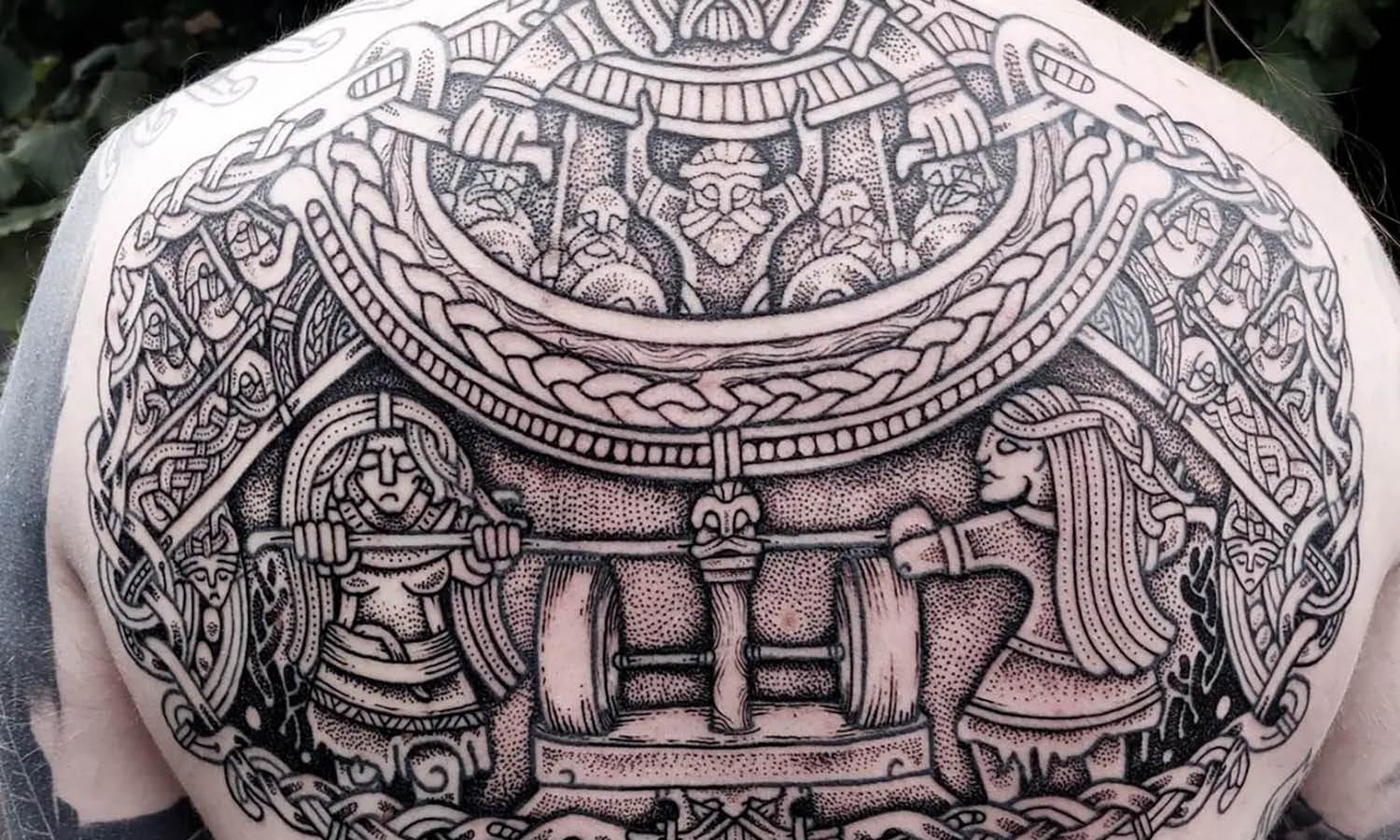
If you enjoy making confident visual statements, traditional, neo-traditional, illustrative, or heavy blackwork tattoos may appeal to you.
These styles often use strong outlines, recognizable shapes, bold contrast, and compositions designed to attract attention. They work especially well for people who enjoy tattoos as a visible part of their personal style rather than something intentionally subtle.
Traditional tattoos can feel direct and timeless, while neo-traditional work allows for more decorative details and complex color. Blackwork can range from graphic symbols to large, dramatic compositions.
Minimal and Understated Personalities
People who prefer quiet details and restrained aesthetics often gravitate toward minimalist, fine-line, geometric, or small blackwork tattoos.
These approaches can feel clean and intentional without dominating your overall appearance. Fine-line work is particularly popular for delicate botanical motifs, tiny symbols, lettering, and simple illustrations.
Minimal does not necessarily mean plain. A carefully designed small tattoo can still carry strong meaning or artistic personality without relying on heavy shading or large-scale composition.
Creative and Unconventional Personalities
If your taste leans toward experimental art, unusual imagery, or unexpected combinations, you may enjoy abstract, surrealist, sketch-style, ornamental, or contemporary illustrative tattoos.
These styles allow more freedom in composition and interpretation. Instead of representing a subject literally, an artist may distort proportions, combine symbols, use unusual linework, or build an image around a more conceptual idea.
This direction can work especially well when you want the tattoo to feel individual rather than immediately recognizable.
Romantic and Detail-Oriented Personalities
People drawn to intricate, graceful, or decorative visuals often enjoy botanical, ornamental, fine-line, illustrative, or delicate realism.
These styles place greater emphasis on details such as petals, flowing lines, subtle shading, jewelry-inspired elements, and refined composition.
They can suit people who appreciate craftsmanship that reveals more detail the longer you look at it.
Nostalgic and Classic Personalities
If you love established design traditions, vintage imagery, or artwork with a strong sense of history, traditional, Japanese-inspired, engraving, or retro illustrative tattoos may be especially appealing.
These styles often have recognizable visual languages that have remained influential for decades.
Choosing one does not mean your tattoo needs to feel old-fashioned. Skilled artists frequently reinterpret classic approaches in ways that still feel personal and contemporary.
Consider the Art You Already Love
One of the easiest ways to understand how to choose a tattoo style is to look beyond tattoos entirely.
Your existing artistic preferences often reveal more about your taste than personality labels do.
Review Your Favorite Visual References
Consider the artwork, photography, fashion, architecture, graphic design, and interiors that naturally attract your attention.
Do you consistently like clean geometry or irregular organic shapes? Do you prefer bold contrast or soft detail? Are you attracted to realistic images, decorative patterns, vintage illustrations, or abstract compositions?
These preferences can translate directly into tattoo choices.
For example, someone who loves vintage posters may appreciate traditional or engraving-style tattoos, while a person who enjoys contemporary minimalist design may prefer fine-line or geometric work.
Build a Small Visual Reference Collection
Save around 10 to 15 tattoo images you genuinely like without worrying too much about style names.
Once you have them together, look for repeated characteristics. You may notice that nearly every image uses thin lines, dark shading, botanical details, symmetry, muted color, or strong negative space.
Those repeating features are often more useful than any individual tattoo image. They reveal the visual language you consistently respond to and give you a clearer direction when speaking with an artist.
Think About How the Style Fits Your Lifestyle
A tattoo can match your personality beautifully and still feel wrong if it does not fit comfortably into your everyday life.
Practical considerations do not need to control your decision, but they are worth thinking about before committing.
Consider Visibility and Personal Comfort
Ask yourself how comfortable you are with your tattoo becoming part of your everyday appearance.
If you prefer understated self-expression, a smaller or more delicate design may feel more natural. If tattoos are an important part of how you present yourself, a bold piece with stronger visual impact may suit you better.
Placement also changes how a style feels. An ornamental design across the chest creates a very different impression from a tiny version on the wrist.
Think About Long-Term Visual Preferences
It is easy to become excited by a tattoo style that appears constantly on social media, but popularity should not be the main reason you choose it.
Think about whether you have liked similar artwork for years or only recently noticed it.
Your taste may evolve, and that is completely normal. Still, choosing a tattoo style that connects with longer-standing preferences can help the design feel intentional rather than tied to a temporary trend.
Match the Tattoo Style to the Subject
Personality is only one part of the decision. The subject of your tattoo also needs to work naturally with the visual style you choose.
Compare the Same Idea in Different Styles
Imagine you want a flower tattoo.
In American traditional style, the flower might use bold outlines, simplified shapes, and strong color. In fine line, the same flower could appear delicate and detailed. A realistic version might emphasize texture and natural shading, while an abstract interpretation could simplify or distort the petals into something more expressive.
The subject has not changed, but the personality of the tattoo has.
This is why it helps to ask not only, “What do I want tattooed?” but also, “How do I want this subject to feel?”
A wolf could look powerful in blackwork, elegant in geometric style, atmospheric in realism, or playful in illustrative work. Comparing versions of the same subject can quickly reveal which direction feels most natural to you.
Narrow Your Choices Before Choosing an Artist
Once you recognize your preferences, avoid continuing to compare every tattoo style available. Too many options can make the decision harder rather than easier.
Choose Two or Three Styles to Compare
Create a shortlist of the styles that best match your personality, subject, and visual taste.
Compare them using practical characteristics such as line weight, detail, composition, shading, color, and overall mood.
You may realize that you like the subject matter of one tattoo but not its execution, or that a particular style consistently feels closer to how you imagine your own piece.
Reducing the options to two or three directions gives you enough flexibility without overwhelming the decision.
Look for Artists Who Specialize in Those Styles
Once your direction becomes clearer, start researching artists whose portfolios consistently show the type of work you like.
Tattoo artists often develop distinctive specialties. One fine-line artist may focus on botanical illustrations, while another specializes in micro-realism. Two traditional artists may also have completely different approaches to color, composition, and subject matter.
Looking at full portfolios rather than one viral image helps you understand how an artist treats a style across many tattoos.
Give Yourself Permission to Mix Influences
Choosing a tattoo style does not always mean selecting one perfectly defined category.
Many contemporary tattoos combine compatible influences. A botanical tattoo might use fine-line drawing with ornamental framing. A realistic animal portrait could include geometric details. A traditional-inspired piece might use a more modern color palette.
Instead of worrying about whether your tattoo fits an exact label, identify the specific characteristics you enjoy.
You might love thin outlines, symmetrical composition, natural imagery, and decorative details even if those elements come from several styles.
An experienced artist can help determine which influences work well together and which combinations may feel visually disconnected. The goal is not to correctly name your tattoo style. It is to develop a clear creative direction that feels cohesive and genuinely suited to you.
FAQ
What Tattoo Style Matches My Personality Best?
There is no universal tattoo style for a particular personality type. Start by looking at the visual qualities you consistently enjoy, such as bold contrast, delicate details, symmetry, realism, or abstraction. Personality can help guide the mood, but your existing artistic preferences usually provide the clearest clues.
How Do I Choose Between Two Tattoo Styles I Like?
Collect several strong examples of both styles and compare their linework, detail, contrast, composition, and overall mood. Then imagine your chosen subject rendered in each approach. One style may look attractive in general but feel less suitable once applied to the specific image or meaning you want.
Do I Need to Know the Name of a Tattoo Style Before Visiting an Artist?
No. Clear visual references can be more useful than knowing precise terminology. Show the artist examples of the linework, shading, composition, and atmosphere you like. An experienced tattoo artist can identify the relevant styles and suggest an approach that suits your design, placement, and preferred aesthetic.
Should My Tattoos All Be in the Same Style?
They do not have to be. Some people prefer a consistent visual collection, while others enjoy mixing different tattoo styles. If several tattoos will sit close together, consider how their scale, line weight, placement, and overall composition interact so that different styles can still feel intentional rather than visually disconnected.
Conclusion
Learning how to choose a tattoo style is less about finding a strict personality category and more about recognizing the visual preferences that already feel natural to you. Consider the mood you want to express, the artwork you consistently enjoy, your lifestyle, and how your chosen subject changes across different styles.
Once patterns begin to appear, narrow your options and study artists who specialize in those directions. The right tattoo style should not simply look impressive today. It should feel comfortable, personal, and visually connected to the way you naturally express yourself.
Related Articles









Leave a Comment