
How AI Generates Customized Design Templates

Artificial Intelligence (AI) has become a powerful ally for designers who want to create templates that are both efficient and uniquely tailored to specific needs. Instead of relying solely on manual adjustments, AI systems analyze large amounts of data, including user behavior, brand guidelines, and design trends, to generate templates that align closely with desired outcomes. This approach allows designers to move beyond generic layouts and focus on creativity and strategy while AI handles repetitive or complex calculations.
AI also enables dynamic customization by learning from past projects and user preferences. For example, it can recommend color palettes, typography combinations, or layout arrangements that resonate with a target audience or match a brand’s personality. Designers benefit from faster iteration cycles, improved consistency across assets, and more inclusive templates that address accessibility considerations from the start.
In essence, AI acts as both a creative assistant and a technical specialist, helping designers build templates that are visually appealing, adaptable, and functional. This integration of technology and creativity transforms the template creation process into a smarter, more responsive workflow, ensuring that every design produced feels personalized and effective without sacrificing professional quality.
Gathering User Insights With AI Analysis
Understanding the needs, preferences, and behaviors of end users is critical when creating effective design templates, and AI provides a powerful way to achieve this. By analyzing large sets of data from surveys, web analytics, purchase histories, or engagement metrics, AI can identify patterns that reveal what users find most appealing or functional. This analysis allows designers to go beyond guesswork and make decisions rooted in evidence about layout, colors, typography, and content organization.
AI also helps segment audiences based on their demographics, habits, and expectations. For example, it can distinguish between the preferences of a younger audience that values bold, dynamic visuals and an older audience that favors clarity and simplicity. This segmentation guides the creation of templates that resonate with each group while maintaining brand integrity.
Additionally, AI’s predictive capabilities can forecast future trends by examining past behaviors and current signals, enabling designers to create templates that remain relevant over time. By incorporating these insights into their workflow, designers can produce templates that not only meet immediate needs but also anticipate evolving user demands. In this way, AI acts as a research partner, transforming raw data into actionable design intelligence.
Automating Style Consistency Across Assets
Maintaining a consistent visual identity across multiple design assets is often a challenge, especially when working with large teams or varied content types. AI simplifies this task by automatically applying established style guidelines—such as color palettes, typography, and spacing—to every new template or update. This ensures that all outputs align with the brand’s identity without requiring repetitive manual checks.
AI-driven systems can analyze existing materials and detect deviations from defined standards. For instance, if a logo’s size or a headline’s font differs from the approved format, AI can flag the discrepancy or correct it automatically. This level of precision helps preserve visual harmony, even when assets are created by different designers or updated over time.
Moreover, AI enables the rapid generation of templates for multiple platforms—social media, print, or web—while preserving style consistency. It can adapt layouts to fit specific dimensions and formats without compromising on the visual framework. By streamlining these processes, AI allows designers to focus on innovation and storytelling rather than routine formatting tasks. Ultimately, AI serves as a quality guardian, ensuring that every asset reinforces the same cohesive message and aesthetic, regardless of scale or medium.
Personalizing Layouts Through AI-Driven Choices
Creating layouts that feel tailored to a specific audience can be time-consuming, but AI makes this process more efficient and precise. By analyzing user preferences, behavior patterns, and contextual data, AI can recommend layouts that align with the visual and functional needs of each project. This means the grid systems, spacing, and content placement can be dynamically adjusted to better suit the intended audience or brand identity.
AI-driven layout personalization also allows for adaptive design. For instance, it can automatically rearrange elements for mobile versus desktop viewing, or propose alternative compositions based on audience engagement data. This flexibility helps ensure that each version of a template remains visually appealing and easy to navigate, regardless of the platform.
In addition, AI can suggest complementary typography, imagery, and color combinations to enhance user experience. These insights reduce trial-and-error and allow designers to focus on creativity rather than repetitive adjustments. The result is a layout that feels not only professional but also personally relevant to its users. By integrating AI into the design process, templates become living systems capable of evolving with audience needs while maintaining aesthetic and functional consistency.
Speeding Up Iterations With AI Prototypes
Iteration is at the heart of great design, and AI significantly accelerates this stage by generating prototypes rapidly. Instead of manually creating multiple variations, designers can rely on AI to produce several layout and style options simultaneously, each informed by data and previous performance. This drastically shortens the time between concept and review, enabling faster decision-making and refinement.
AI prototypes also enhance collaboration by providing stakeholders with clear visual options early in the process. These automatically generated mockups help teams compare alternatives, gather feedback, and make adjustments without the need for complete redesigns. This reduces back-and-forth and streamlines the approval process.
Furthermore, AI systems can learn from previous iterations, identifying which elements performed best and applying that knowledge to future prototypes. This continuous improvement loop ensures each new design cycle starts at a more advanced point, saving both time and resources. By integrating AI into the prototyping phase, designers gain a responsive tool that supports creativity, speeds production, and improves the overall quality of design templates. The result is a more agile workflow that meets evolving demands without sacrificing precision or originality.
Integrating Brand Elements Seamlessly Using AI
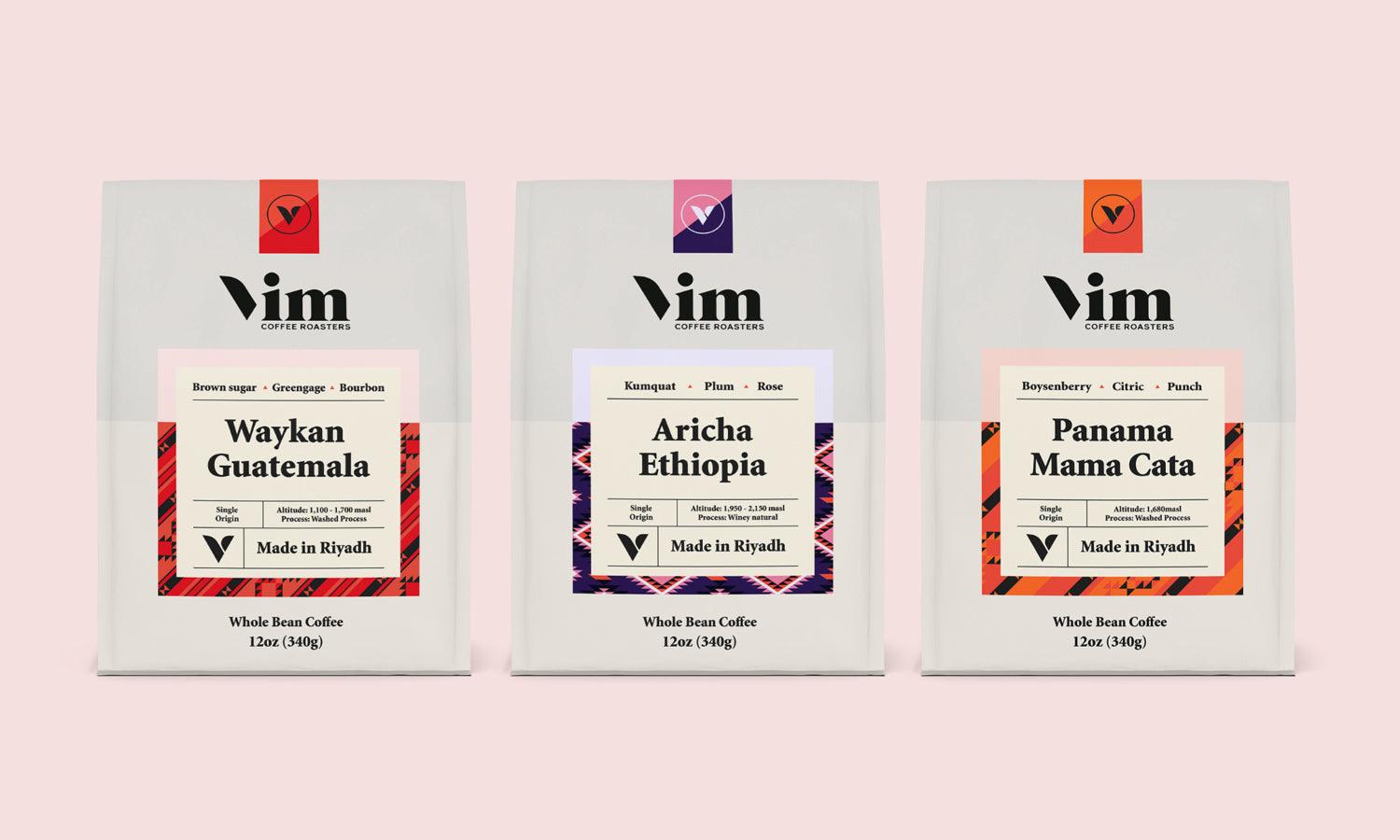
Incorporating brand elements into design templates can be challenging, especially when working across multiple platforms and formats. AI simplifies this process by automatically identifying and applying essential brand assets such as logos, color schemes, typography, and imagery. Instead of manually inserting these elements into each template, designers can rely on AI to map them accurately and consistently to various sections of a layout.
AI systems also analyze brand guidelines to understand how elements should be combined and presented. For example, they can determine the optimal logo placement, adjust color tones for different backgrounds, or select complementary fonts that match the established style. This ensures that every template reflects the brand’s identity without compromising visual appeal or functionality.
Moreover, AI can adapt brand elements to fit different contexts and media, such as resizing graphics for social media posts, web banners, or print materials while maintaining quality and consistency. This automation frees designers from repetitive tasks, allowing them to focus on strategic and creative decisions. By integrating brand assets seamlessly, AI not only saves time but also strengthens brand recognition across all touchpoints, resulting in templates that feel cohesive, professional, and aligned with organizational goals.
Enhancing Visual Hierarchy Through AI Recommendations
A clear visual hierarchy guides users through a design and highlights the most important information. AI helps designers achieve this by analyzing content, user behavior, and layout patterns to recommend optimal element placement. It can suggest where to position headlines, images, calls to action, and supporting text to maximize clarity and impact.
AI also evaluates factors like font size, color contrast, and spacing to create balanced compositions. For instance, it can automatically adjust heading weights, emphasize key visuals, or reorder elements to lead the viewer’s eye naturally from one point to another. These recommendations reduce guesswork and ensure that each design communicates its message effectively.
Additionally, AI can run simulations to predict how users will interact with a template, identifying potential bottlenecks or overlooked elements. By acting on these insights, designers can refine their layouts to improve readability, engagement, and overall user experience. This data-driven approach allows for the creation of templates that are not only visually appealing but also functionally superior. In short, AI serves as an intelligent advisor, offering practical guidance that enhances the structure and flow of any design.
Improving Accessibility Standards Via AI Checks
Ensuring that design templates meet accessibility standards is essential for reaching a wider audience and providing an inclusive experience. AI plays a critical role in this process by automatically scanning templates for potential barriers that could hinder usability. For example, it can evaluate color contrast between text and background, flagging combinations that may be difficult for people with visual impairments to read.
AI also reviews font size, line spacing, and hierarchy to make sure content remains legible across various devices and for users with differing abilities. It can recommend adjustments to navigation elements, such as button placement or alternative text for images, to support screen readers and other assistive technologies. These automated checks remove much of the manual guesswork traditionally involved in accessibility testing.
Moreover, AI continuously learns from updated accessibility guidelines and real-world user interactions, allowing it to suggest improvements that keep templates current and compliant. By integrating these checks into the design workflow, designers can produce templates that are both attractive and functional for everyone. This approach enhances the overall user experience and demonstrates a commitment to inclusive design without adding significant time or complexity to the process.
Optimizing Templates For Different Platforms With AI
Design templates often need to work seamlessly across a variety of platforms, from mobile apps and websites to social media and print materials. AI makes this adaptation more efficient by automatically adjusting layouts, proportions, and file formats to suit each platform’s specifications. Instead of manually recreating templates for every medium, designers can rely on AI to handle the technical adjustments while maintaining visual consistency.
AI can also analyze platform-specific engagement patterns to recommend layout or content tweaks. For instance, it might suggest a more compact arrangement for mobile devices or a wider, more image-focused design for desktop viewing. This ensures that templates remain user-friendly and visually appealing regardless of the platform.
Additionally, AI streamlines the export process by generating platform-ready versions in the correct resolutions and aspect ratios. This reduces errors and accelerates production timelines. By optimizing templates for diverse environments, AI enables designers to deliver a cohesive brand experience while saving time and resources. The result is a smoother, more responsive workflow that keeps templates effective and visually consistent across every touchpoint.
Enabling Dynamic Content Blocks With AI
Traditional templates often lock designers into fixed layouts, making it difficult to update content without disrupting the overall design. AI changes this by enabling dynamic content blocks that automatically adapt to new inputs while maintaining visual harmony. These blocks can adjust size, format, and placement based on the type of content inserted—whether it’s text, images, videos, or interactive elements.
AI also analyzes user behavior and contextual data to determine which content should be emphasized or rearranged. For example, it can prioritize promotional banners for specific audiences or adjust product highlights according to browsing history. This level of adaptability allows templates to stay relevant and engaging even as content evolves.
Additionally, AI-driven dynamic blocks can automatically maintain spacing, color balance, and typography consistency regardless of the content changes. Designers no longer need to manually fine-tune every update, freeing time for higher-level creative tasks. This capability is especially valuable for brands that frequently refresh their messaging across multiple channels. By implementing AI-enabled dynamic content blocks, templates become more flexible, personalized, and future-proof, ensuring they remain both functional and visually appealing as needs shift over time.
Future Directions In AI-Generated Templates
The evolution of AI in template design is just beginning, with future developments promising even greater innovation. One emerging direction is the integration of generative AI that can create original graphics, illustrations, or interface elements on demand, tailoring visuals to a brand’s tone or audience preferences.
Another advancement will be deeper real-time personalization, where AI adapts template layouts instantly based on live user interactions or environmental factors. This could include dynamically adjusting color schemes for seasonal campaigns or repositioning elements for improved engagement.
AI is also expected to enhance predictive capabilities, allowing designers to forecast how templates will perform before they go live. By simulating user behavior and testing multiple versions simultaneously, AI can guide design decisions with greater precision.
Furthermore, as collaboration tools evolve, AI will act as an active participant in the creative process, offering suggestions, generating variations, and tracking consistency across global teams. These future directions signal a shift toward templates that are not only automated but also intelligent and self-optimizing. Designers will gain powerful partners in AI, enabling them to craft highly customized, adaptable, and data-informed templates with unprecedented efficiency and creativity.
Conclusion
AI has transformed the way designers create and manage templates, moving beyond static layouts to deliver adaptable, data-informed solutions. By gathering user insights, ensuring style consistency, and integrating brand elements seamlessly, AI streamlines complex processes and elevates the quality of every output. It also enhances accessibility, optimizes templates for multiple platforms, and enables dynamic content blocks that evolve with changing needs. Looking ahead, AI’s role will continue to expand, offering predictive guidance and generative capabilities that empower designers to work faster and smarter. This collaboration between human creativity and AI leads to truly customized, future-ready design templates.
Let Us Know What You Think!
Every information you read here are written and curated by Kreafolk's team, carefully pieced together with our creative community in mind. Did you enjoy our contents? Leave a comment below and share your thoughts. Cheers to more creative articles and inspirations!
Related Articles








%20has%20become%20a%20powerful%20ally%20for%20designers%20who%20want%20to%20create%20templates%20that%20are%20both%20efficient%20and%20uniquely%20tailored%20to%20specific%20needs.%20Instead%20of%20relying%20solely%20on%20man...)


Leave a Comment