
How AI Creates Personalized Packaging Designs

Artificial Intelligence (AI) is transforming the way brands approach packaging by merging creativity with advanced data-driven insights. Traditionally, packaging decisions were guided by market research and designer intuition, but AI now allows for deeper understanding of customer behavior and preferences. By processing large amounts of information, AI reveals patterns about demographics, buying habits, and lifestyle choices that can directly influence design direction.
This technology also accelerates the creative process. Designers can generate multiple packaging concepts in minutes, experiment with colors and layouts, and predict how a design will perform on shelves before production begins. AI tools can suggest materials, graphics, and messaging that align with consumer expectations, while also accommodating sustainability or cost requirements.
Personalization is at the heart of this shift. AI enables tailored packaging variations that speak directly to different customer segments, regions, or special events. Through features like variable data printing, brands can incorporate unique visuals, codes, or even interactive elements into each package. As a result, packaging moves beyond mere protection and presentation, becoming a dynamic tool for building stronger connections with consumers and enhancing overall brand experience.
Understanding Consumer Behavior With AI
Understanding consumer behavior has always been the foundation of successful packaging design, and AI now makes this process more precise and actionable. AI systems collect and analyze extensive data from multiple sources—such as purchase histories, social media interactions, and demographic profiles—to reveal deep insights into what customers truly value. Instead of relying on assumptions or limited surveys, designers can access detailed behavioral patterns that influence purchasing decisions.
By mapping these insights, AI allows brands to create packaging designs that speak directly to different segments of their audience. For example, a product targeted at young professionals may require bold graphics and modern typography, while a family-oriented product might benefit from warmer tones and familiar imagery. AI also identifies emotional triggers such as colors, shapes, or symbols that resonate with specific groups.
Furthermore, AI helps predict shifts in preferences over time. By continuously monitoring consumer behavior, it enables designers to update packaging strategies before trends become outdated. This proactive approach ensures that packaging stays relevant and engaging, increasing the likelihood of repeat purchases. In essence, AI provides a dynamic feedback loop between consumer behavior and design decisions, turning data into actionable creativity for personalized packaging.
Real-Time Trend Monitoring
Real-time trend monitoring powered by AI is transforming how packaging designs stay current and competitive. Traditionally, spotting design trends required manual research and lengthy analysis cycles. Today, AI tools scan online platforms, market reports, and competitor activities simultaneously to detect emerging patterns in colors, materials, shapes, and graphic styles. This instant access to trend intelligence empowers designers to act quickly rather than react slowly.
By analyzing these live data streams, AI identifies which trends are gaining traction and which are losing momentum. This insight allows brands to refresh packaging designs at the right moment, ensuring products remain visually appealing to their target audience. For instance, AI might reveal a rising demand for minimalist packaging aesthetics or eco-friendly materials before they reach mainstream popularity.
AI also enables localized trend tracking. It can differentiate between regional preferences, helping companies tailor packaging designs for specific markets or demographics. This is particularly valuable for global brands seeking to balance a consistent identity with local relevance.
Ultimately, real-time trend monitoring with AI helps designers and marketers make informed decisions about colors, typography, textures, and messaging. By integrating this intelligence into the creative process, packaging designs maintain both originality and relevance in a rapidly evolving marketplace.
Customizing Visual Elements
Customizing visual elements has become far more efficient and precise with the integration of AI into packaging design workflows. Traditionally, designers would manually adjust logos, color schemes, and graphic layouts for different markets or product lines. Now, AI tools can instantly tailor these elements to align with specific consumer segments, cultural preferences, or brand initiatives. This allows packaging to maintain consistency while still feeling personal and relevant to each audience.
AI systems analyze data on buyer demographics, lifestyle choices, and emotional triggers to recommend suitable fonts, iconography, and imagery. For example, AI might suggest softer tones and rounded shapes for a wellness product, while opting for bold hues and dynamic lines for a sports drink. This ensures that every visual component resonates with the intended audience.
Additionally, AI can automatically adapt designs for different packaging formats and sizes without losing quality or impact. It helps maintain visual hierarchy, balance, and brand integrity across a wide range of applications. This reduces manual adjustments and accelerates the design process. In short, AI transforms customization from a time-consuming task into a strategic advantage, enabling designers to deliver packaging that speaks directly to customers while preserving brand cohesion.
Generating Multiple Design Variants
Generating multiple design variants is one of the most powerful capabilities AI brings to packaging design. Instead of creating each version manually, designers can use AI-driven tools to quickly produce dozens of unique concepts from a single brief. These systems can adjust color palettes, typography, layouts, and imagery based on predefined criteria, making it easy to explore a wide creative spectrum in less time.
AI enhances experimentation by allowing designers to test unconventional ideas without significant investment. For example, a brand launching a new product line can instantly generate packaging options tailored to different consumer segments, seasonal themes, or regional preferences. This flexibility supports faster decision-making and more effective market testing.
Moreover, AI-driven platforms often include predictive analytics that estimate how each design variant might perform based on historical data or consumer feedback. This means designers can prioritize the most promising concepts before moving into production. By streamlining both creation and evaluation, AI reduces the risk of ineffective packaging while maximizing creative output. Ultimately, generating multiple design variants with AI empowers brands to innovate rapidly and select packaging solutions that best align with their goals and audience expectations.
Enhancing Color Selection
Enhancing color selection is one of the most impactful ways AI is changing personalized packaging design. Color has a direct influence on consumer perception, mood, and buying behavior, yet selecting the right palette can be challenging. AI tools analyze large datasets of consumer preferences, cultural associations, and current market trends to recommend color schemes that resonate with target audiences. This gives designers a data-backed foundation for their creative choices.
AI also helps ensure color consistency across different materials, printing methods, and lighting conditions. By simulating how colors will appear in various environments, it prevents unexpected shifts between digital proofs and physical packaging. This is especially valuable for global brands that require uniformity across multiple production facilities.
Furthermore, AI systems can generate unique color palettes tailored to individual customer segments or limited-edition runs. For example, a brand might release seasonal packaging where AI suggests fresh tones aligned with upcoming holidays or events. This ability to experiment quickly and accurately allows designers to keep packaging vibrant and relevant without extensive manual trial and error. Ultimately, AI transforms color selection from guesswork into a precise, dynamic process that strengthens brand identity and consumer appeal.
Optimizing Material Choices
Optimizing material choices with AI enables packaging designers to balance aesthetics, functionality, and sustainability more effectively. Traditionally, selecting the right material required extensive testing and supplier consultations. AI now accelerates this process by analyzing factors such as durability, cost, environmental impact, and consumer preferences to recommend the best-fit options.
For example, AI can evaluate the lifecycle of different packaging materials to identify those that meet a brand’s sustainability goals while maintaining visual and tactile quality. It can also forecast how materials will perform under various conditions, reducing the risk of damage or waste. This predictive capability saves time and resources while improving end-user satisfaction.
AI-driven platforms can even simulate how printing techniques, finishes, and structural elements will interact with selected materials. Designers can see how gloss, matte, or textured effects appear before committing to production. This insight helps ensure that both the visual and functional aspects of packaging are aligned with the brand’s objectives.
By integrating material science data with creative design, AI empowers designers to make informed decisions quickly. This results in packaging that is not only visually appealing but also practical, cost-efficient, and environmentally responsible—qualities increasingly valued by today’s consumers.
Personalizing Packaging Messaging
Personalizing packaging messaging has evolved from a marketing aspiration into a practical reality with the help of AI. Traditionally, packaging carried uniform slogans and product details, but AI enables brands to craft messages that resonate with distinct customer segments or even individual buyers. By analyzing purchase histories, demographic profiles, and social media interactions, AI identifies the language, tone, and content most likely to connect with each audience.
For example, a beverage brand can use AI to adjust on-pack messaging for health-conscious consumers by highlighting natural ingredients, while emphasizing convenience or energy for active lifestyles. This targeted approach helps make packaging feel more like a conversation than a broadcast.
AI also streamlines version management for multilingual or region-specific packaging. It ensures that translations preserve cultural nuances and emotional impact, reducing the risk of miscommunication. Furthermore, AI supports real-time updates of messaging to align with seasonal promotions or limited-edition releases.
By merging data insights with creative direction, AI transforms packaging from a static information panel into a dynamic communication channel. This personalization strengthens consumer loyalty, enhances brand perception, and helps products stand out in competitive retail environments.
Integrating Dynamic Graphics
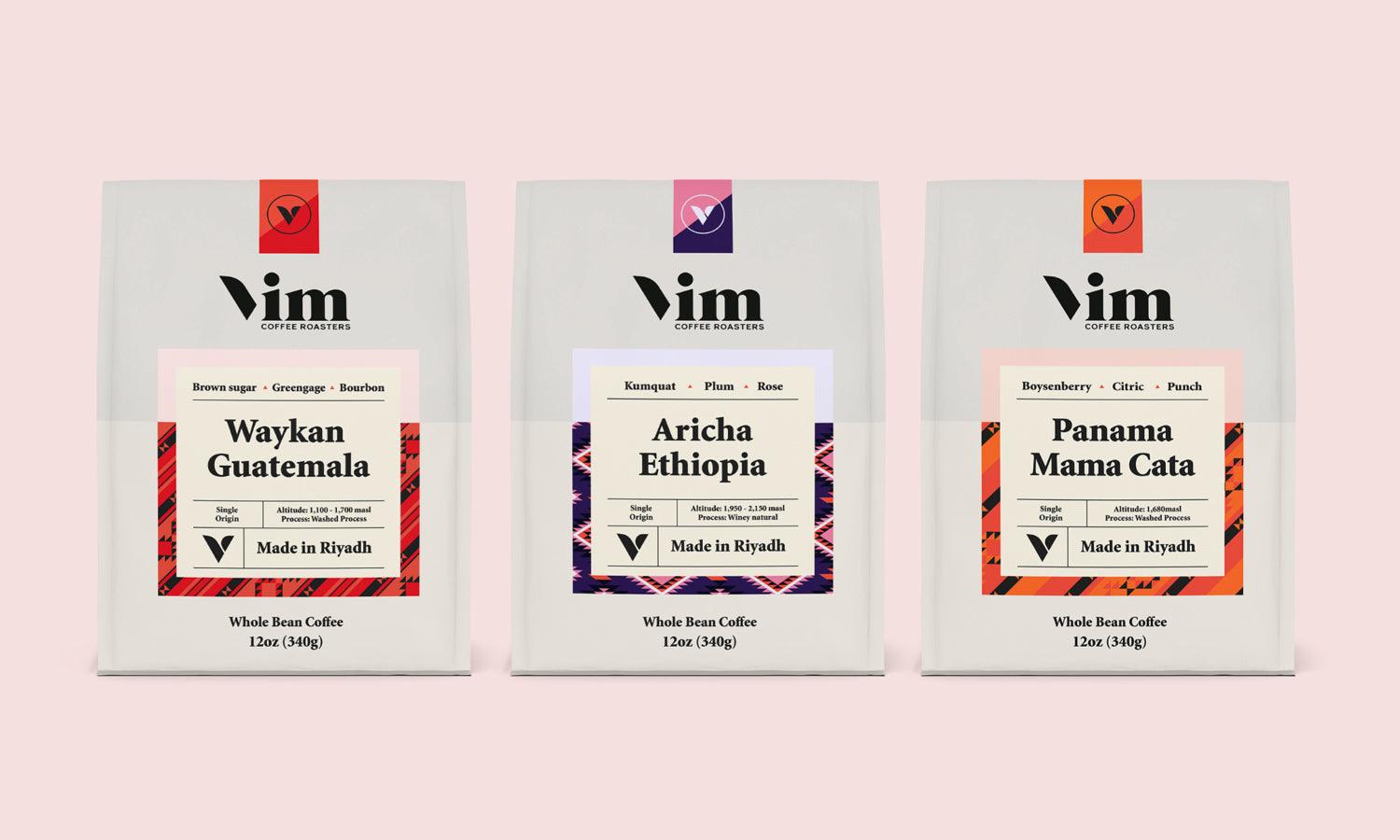
Integrating dynamic graphics into packaging design is becoming increasingly feasible through AI-driven technologies. Instead of relying on static visuals, brands can use AI to generate unique patterns, illustrations, or interactive elements for each product unit. This makes every package feel distinctive while maintaining overall brand consistency.
AI analyzes consumer preferences and market trends to suggest graphic styles, color combinations, and visual motifs tailored to different segments. For instance, a skincare brand might deliver soft, nature-inspired patterns for eco-minded customers while offering vibrant, futuristic visuals for a younger demographic.
Additionally, AI works seamlessly with variable data printing, enabling designers to incorporate individualized QR codes, augmented reality triggers, or personalized images onto packaging. These dynamic graphics can unlock digital experiences, reward programs, or storytelling elements, extending the consumer interaction beyond the shelf.
By automating the generation and application of these visuals, AI reduces production complexity and accelerates creative experimentation. Designers can test multiple options, simulate shelf impact, and refine concepts before full-scale rollout. Ultimately, integrating dynamic graphics with AI transforms packaging into an interactive canvas that deepens engagement and strengthens brand identity.
Predicting Shelf Impact
Predicting shelf impact is a critical step in ensuring packaging stands out in crowded retail environments, and AI makes this process faster and more accurate. Traditionally, designers relied on mock-ups or physical prototypes to guess how a package would appear next to competitors. Now, AI-driven simulations can instantly generate realistic store environments, allowing teams to evaluate visibility, color contrast, and brand recognition before production begins.
These tools analyze factors such as shelf placement, lighting conditions, and neighboring products to forecast how effectively the packaging will capture consumer attention. AI can even measure the perceived hierarchy of information on the package—like brand name, product benefits, or imagery—to ensure key details are noticeable at a glance.
Moreover, AI can model various retail scenarios, from large supermarkets to boutique stores, enabling designers to optimize layouts for each setting. This proactive approach reduces the need for multiple iterations and physical testing, saving time and costs. By using AI to predict shelf impact, brands gain a competitive edge, ensuring their packaging not only looks appealing but also performs effectively in real-world conditions.
Testing Consumer Reactions
Testing consumer reactions has traditionally involved lengthy surveys or focus groups, but AI revolutionizes this process with speed and precision. By combining behavioral analytics, eye-tracking data, and sentiment analysis, AI evaluates how consumers respond to packaging designs in real time. This means designers can quickly identify what works and what needs improvement without waiting for extended market feedback cycles.
AI platforms simulate online and in-store interactions, capturing insights on visual appeal, clarity of messaging, and emotional impact. For example, heat maps generated by AI can show which parts of the packaging attract the most attention, while sentiment analysis reveals how colors, imagery, or text influence perceptions.
In addition, AI can segment feedback by demographics, lifestyle, or purchase history, offering a nuanced understanding of how different groups react to the same design. This targeted feedback helps refine packaging strategies for maximum resonance with specific audiences.
By streamlining the testing process, AI enables rapid iteration and evidence-based decision-making. Designers can fine-tune details—such as typography size, color placement, or graphic style—before production, ensuring packaging is optimized to connect with consumers and drive sales.
Conclusion
AI is redefining how brands approach personalized packaging, bridging data-driven insights with creative execution. From understanding consumer behavior to predicting shelf impact, AI enables designers to make informed choices that result in packaging both visually compelling and strategically effective. It supports rapid prototyping, dynamic graphics, tailored messaging, and material optimization, all while maintaining brand consistency across markets. By integrating AI into each stage of packaging design, companies can respond faster to trends, reduce production risks, and deliver experiences that resonate with diverse audiences. This synergy elevates packaging from a static container to a powerful communication and engagement tool.
Let Us Know What You Think!
Every information you read here are written and curated by Kreafolk's team, carefully pieced together with our creative community in mind. Did you enjoy our contents? Leave a comment below and share your thoughts. Cheers to more creative articles and inspirations!
Related Articles








%20is%20transforming%20the%20way%20brands%20approach%20packaging%20by%20merging%20creativity%20with%20advanced%20data-driven%20insights.%20Traditionally,%20packaging%20decisions%20were%20guided%20by%20market%20re...)


Leave a Comment