
Discovering The Benefits of Handwriting Fonts For Logo Designs

Source: Marina de Araujo, Nieta do Sol, Behance, https://www.behance.net/gallery/136370665/Nieta-do-Sol
Typography plays a major role in shaping how people perceive a brand, and few styles create an immediate sense of personality quite like handwriting fonts. Unlike traditional typefaces that often feel structured and standardized, handwritten lettering introduces a more personal and human element to visual identity. It can make a brand feel approachable, creative, authentic, or even exclusive depending on the style chosen. The popularity of handwriting fonts logo design continues to grow because many businesses want to create stronger emotional connections with their audiences. Consumers are constantly exposed to polished corporate branding, making handmade visual elements feel refreshing and memorable. A well-chosen handwritten logo can communicate character before a customer reads a single word about the company. From boutique businesses and creative studios to personal brands and artisan products, handwriting fonts offer unique opportunities for differentiation. Understanding their strengths can help designers and business owners make smarter branding decisions while creating logos that feel both distinctive and meaningful.
Understanding What Makes Handwriting Fonts Unique In Logo Design
The Human Touch Behind Handwritten Typography
Handwriting fonts are designed to replicate the appearance of letters created by hand. Unlike geometric or highly structured typefaces, they often include subtle inconsistencies in stroke width, spacing, and letter shape. These imperfections create a sense of authenticity that digital fonts sometimes struggle to achieve. People naturally associate handwritten communication with personal interaction. Because of this, handwritten typography can feel more welcoming and relatable than highly formal lettering. Even small details such as uneven curves or natural pen-like strokes contribute to a more human visual experience.
Different Styles Of Handwriting Fonts
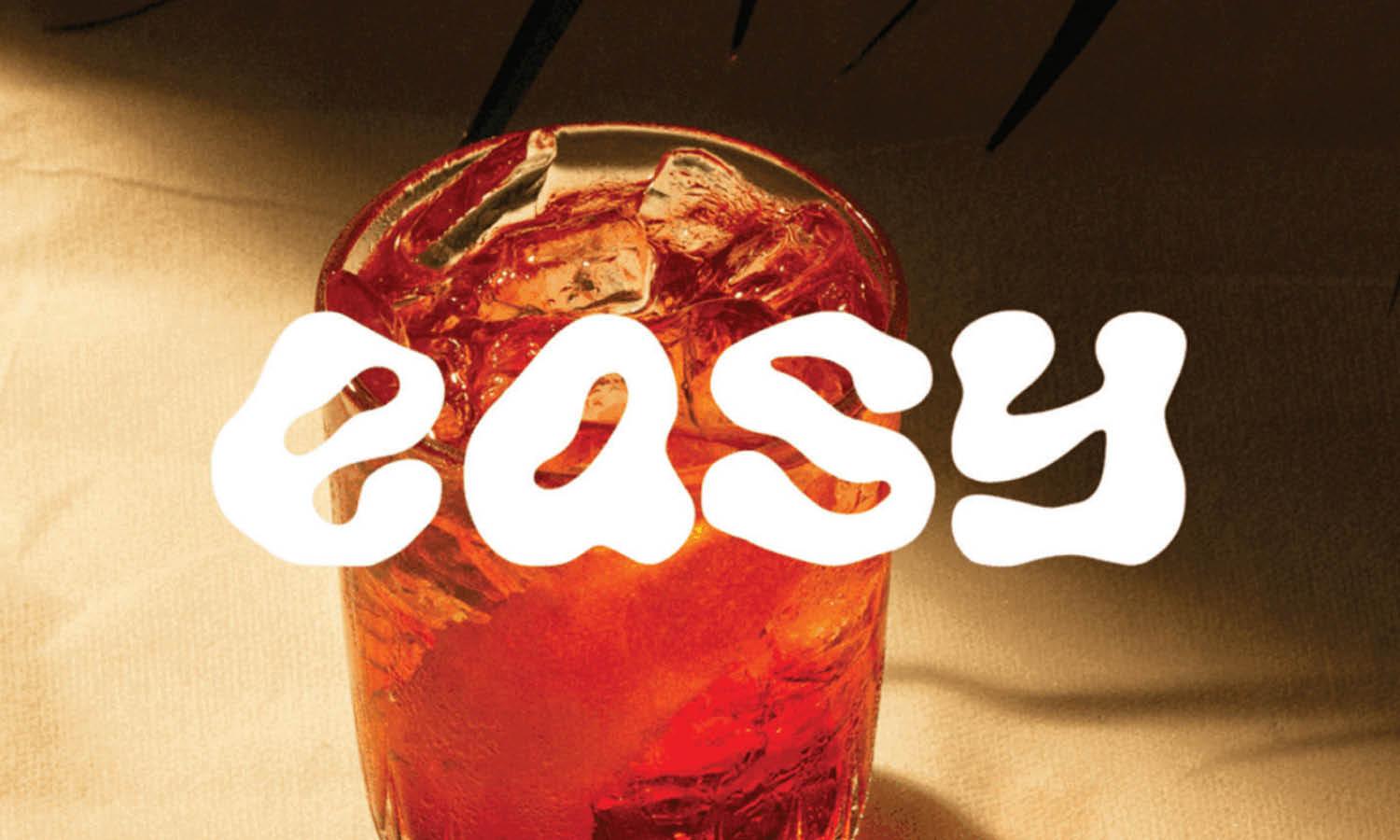
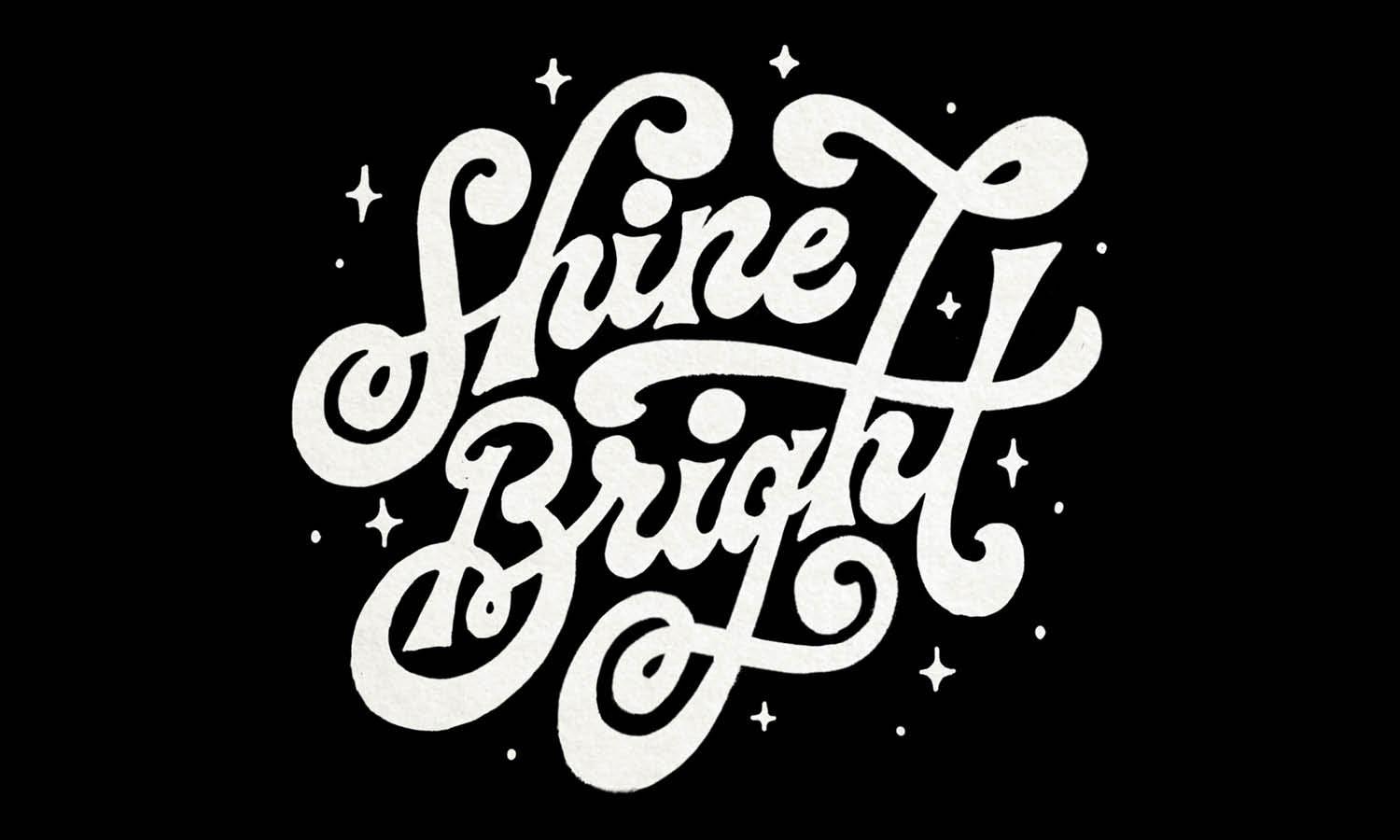
Handwriting fonts are available in many forms. Casual handwritten fonts often feel friendly and informal. Script fonts introduce elegance and flow through connected letterforms. Signature-style fonts create a premium, personal appearance, while brush lettering delivers energy and creative expression. Each style communicates a different message, making font selection an important branding decision.
Why Brands Use Them Differently Than Traditional Fonts
Traditional serif and sans-serif fonts are often chosen for clarity, professionalism, and consistency. Handwriting fonts serve a different purpose. They emphasize personality and emotional appeal. In situations where authenticity and individuality are priorities, handwritten typography can create a stronger connection than more conventional type choices.
Creating A More Personal And Approachable Brand Identity
Making Customers Feel A Human Connection
One of the strongest advantages of handwriting fonts logo design is the ability to make a brand feel more human. Customers frequently engage with businesses through websites, social media profiles, packaging, and digital advertisements rather than face-to-face interactions. Handwritten typography can help bridge that gap. A logo that resembles personal handwriting suggests that real people stand behind the business. This subtle visual cue can encourage trust and familiarity, particularly for smaller companies and independent creators.
Communicating Brand Character More Naturally
Handwriting fonts allow brands to express personality in a direct and visual way. A playful handwritten logo may communicate friendliness and creativity. A refined signature-style logo can suggest sophistication and exclusivity. A brush-style logo may convey confidence and artistic energy. Because typography influences perception so quickly, the right handwritten font helps audiences understand the brand's character almost immediately.
Why Emotional Branding Matters
Many purchasing decisions are influenced by emotion rather than logic alone. Visual identity contributes significantly to those emotional responses. A handwritten logo can create warmth, comfort, and familiarity, making a brand feel more approachable and memorable. When used thoughtfully, handwriting fonts logo design becomes more than a stylistic choice. It becomes a tool for building stronger emotional relationships with customers.
Helping A Logo Stand Out In Competitive Markets
Breaking Away From Generic Typography Trends
Many industries rely heavily on similar design trends. Businesses often choose safe fonts because they appear professional and familiar. The downside is that many logos begin to look alike. Handwriting fonts provide an opportunity to introduce originality into a visual identity. Even subtle handwritten characteristics can make a logo feel different from competitors using standard typography.
Creating Stronger Brand Recall
Distinctive visual elements are easier for people to remember. Handwritten logos often contain unique curves, connections, and stroke patterns that create memorable visual signatures. When customers repeatedly encounter these distinctive details, brand recognition can improve over time. This increased recall becomes valuable in crowded marketplaces where consumers have many competing choices.
Supporting A Signature Brand Look
Many successful brands benefit from having a recognizable visual style. Handwritten typography can contribute to that goal by creating a logo that feels exclusive rather than generic. Even when the logo uses a commercially available font, careful selection can help establish a more distinctive brand presence. The result is a visual identity that feels intentional and recognizable across multiple platforms.

Source: Leigh Grubbs, Lucy's Bar & Grill // Brand Identity, Behance, https://www.behance.net/gallery/113984365/Lucys-Bar-Grill-Brand-Identity
Industries And Brand Types That Benefit Most From Handwriting Fonts
Creative Businesses
Creative professionals often use handwritten typography because it reflects imagination and originality. Design studios, photographers, illustrators, artists, and content creators frequently benefit from logos that showcase personality and creative thinking. A handwritten logo can reinforce the idea that the business values originality and craftsmanship.
Handmade And Artisan Brands
Businesses that produce handmade products often rely on visual cues that emphasize authenticity. Handwritten typography naturally complements this positioning. Whether selling handcrafted goods, specialty foods, candles, ceramics, or artisan products, these brands can use handwritten logos to reinforce the perception of personal care and attention to detail.
Personal And Service-Based Brands
Coaches, consultants, beauty professionals, educators, and lifestyle entrepreneurs often build businesses around personal relationships. Handwritten logos can help support that personal connection by making the brand feel more accessible and approachable.
When Handwriting Fonts May Not Be The Best Choice
Despite their advantages, handwritten fonts are not ideal for every situation. Large corporate organizations, financial institutions, engineering firms, and highly technical businesses may require typography that emphasizes authority, precision, and reliability. In these cases, handwritten styles may conflict with the brand's desired message.
Balancing Personality With Readability In Handwriting Logos
Choosing The Right Level Of Decorative Detail
While handwriting fonts can be visually appealing, excessive decoration can create problems. Overly complex scripts or elaborate flourishes may become difficult to read, especially at smaller sizes. Effective logo design requires finding a balance between personality and clarity. Customers should be able to recognize and understand the brand name quickly.
Testing Across Different Applications
A logo rarely appears in only one place. It may be used on websites, social media profiles, packaging, business cards, signage, and promotional materials. For this reason, handwritten logos should be tested across multiple sizes and formats. A font that looks beautiful on a large sign may become illegible when reduced for a profile image or mobile display.
Combining Handwriting Fonts With Supporting Typography
Many successful logos pair handwritten typography with a simpler secondary font. This combination creates visual contrast while maintaining readability. A handwritten wordmark can establish personality, while a clean sans-serif subtitle provides clarity and structure. Together, they create a more balanced visual system.
Common Mistakes To Avoid
One common mistake is choosing handwriting fonts solely because they look trendy. Design trends change quickly, and highly fashionable lettering may feel outdated after only a few years. Other issues include excessive flourishes, inconsistent spacing, and poor scaling decisions. Careful evaluation helps prevent these problems while preserving the strengths of handwritten typography.
Making Handwriting Fonts Feel Custom Rather Than Generic
Customizing Letterforms For Greater Originality
Even minor adjustments can make a handwritten logo feel more distinctive. Designers often modify letter connections, spacing, stroke endings, or individual characters to create a more unique appearance. These refinements help separate the logo from other brands using the same typeface.
Developing A More Distinctive Logo System
Handwritten typography becomes even stronger when integrated into a broader logo system. Custom icons, supporting graphics, and alternate logo variations can work alongside the typography to strengthen recognition. This approach creates a more cohesive visual identity that remains flexible across different applications.
Why Customization Often Improves Long-Term Brand Value
Customizing handwritten typography reduces the risk of blending into the marketplace. It also helps establish a stronger sense of ownership over the visual identity. A logo that contains unique design details is more likely to remain recognizable and effective as the brand grows over time.

Source: ForSureLetters, Mineral, Dribble, https://dribbble.com/shots/21096991-Mineral
Conclusion
Handwritten typography offers a powerful way to introduce personality, warmth, and authenticity into a visual identity. The appeal of handwriting fonts logo design comes from its ability to create emotional connections while helping brands communicate character more naturally. When used strategically, handwritten logos can improve memorability, support brand differentiation, and make businesses feel more approachable. Success depends on choosing the right style for the brand and balancing creativity with readability. Not every business needs handwritten typography, but for creative brands, artisan businesses, and personal service providers, it can be an effective branding tool. By selecting or customizing handwriting fonts thoughtfully, designers can create logos that feel distinctive, meaningful, and built to last.
Let Us Know What You Think!
Every information you read here are written and curated by Kreafolk's team, carefully pieced together with our creative community in mind. Did you enjoy our contents? Leave a comment below and share your thoughts. Cheers to more creative articles and inspirations!
Related Articles










Leave a Comment