
10 Tips to Create A Good Eagle Logo Design

Source: Peter Voth, Dribbble, https://dribbble.com/shots/6988457-Aquila
An eagle is one of the most recognizable symbols in logo design. Its association with strength, leadership, freedom, confidence, and vision makes it a popular choice for brands that want to project authority and credibility. From sports organizations and aviation companies to security firms and premium service providers, many businesses use eagle imagery to communicate a powerful message. However, simply adding an eagle illustration to a logo does not guarantee an effective design. A successful eagle logo design requires careful planning and strategic decision-making. The style, shape, colors, typography, and overall composition must work together to support the brand's identity. The goal is not just to create a visually appealing logo but to create one that is memorable, versatile, and meaningful. These tips will help you develop an eagle logo that captures attention while remaining relevant to the brand it represents.
Understand What The Eagle Symbol Represents
Before creating an eagle logo, it is important to understand the symbolism behind the bird. An eagle is often associated with power, courage, independence, leadership, and sharp vision. These qualities can help strengthen a brand's message when used appropriately.
Choose The Right Brand Message
Different brands may use eagle symbolism in different ways. A logistics company might emphasize speed and reliability, while a security company may focus on protection and authority. Defining the message first helps ensure the eagle reinforces the desired brand perception instead of becoming a decorative element.
Avoid Using Symbolism Without Purpose
One common mistake is choosing an eagle simply because it looks impressive. When symbolism lacks a connection to the brand, the logo can feel generic. A stronger approach is to identify which qualities of the eagle align with your business and build the design around those specific traits.
Select An Eagle Style That Matches Your Brand
The style of the eagle has a significant impact on how people perceive the logo. The same bird can appear traditional, modern, aggressive, elegant, or innovative depending on how it is illustrated.
Realistic Eagle Illustrations
Realistic eagle illustrations often communicate heritage, authority, and prestige. They are commonly used by institutions, organizations, and brands that want to establish a sense of tradition and credibility. While detailed artwork can be visually impressive, it should be simplified enough to remain functional.
Minimalist Eagle Logos
Minimalist eagle logos focus on clean shapes and essential details. This approach creates a contemporary appearance while improving versatility. A simple eagle mark is often easier to recognize and reproduce across different applications.
Geometric And Modern Eagle Concepts
Geometric designs use structured lines and carefully balanced shapes to create a modern look. This style works particularly well for technology companies, startups, and brands that want to communicate innovation while maintaining a sense of strength.
Focus On A Strong And Recognizable Silhouette
A logo should be recognizable even when viewed from a distance or at a small size. This is where silhouette design becomes especially important. A strong silhouette helps viewers identify the eagle immediately without relying on fine details.
Test The Shape Without Details
A useful technique is to convert the logo into a solid black shape. If the eagle remains recognizable, the design likely has a strong foundation. If recognition disappears when details are removed, the overall shape may need improvement.
Prioritize Instant Recognition
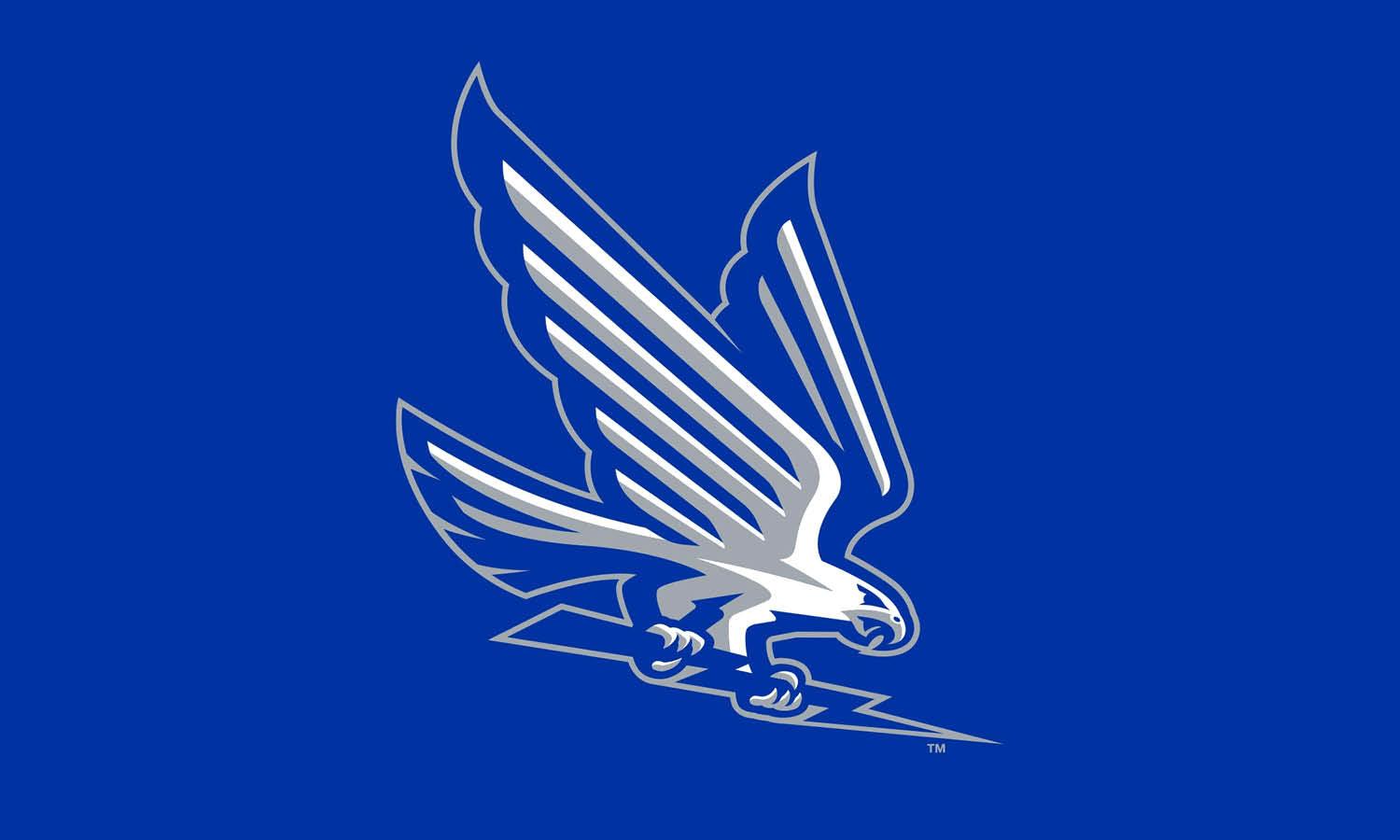
People often encounter logos for only a few seconds. Whether they are scrolling through social media or passing a storefront, they should be able to identify the eagle quickly. A clear silhouette improves memorability and helps the logo stand out in crowded visual environments.

Source: Brethren Design Co, Dribbble, https://dribbble.com/shots/17622866-Hoot-With-The-Owls-and-Soar-With-The-Eagles
Use Eagle Features Strategically
Not every eagle logo needs to show the entire bird. In many cases, focusing on specific features can create a stronger and more distinctive visual identity. Selecting the right feature allows the design to communicate a specific message more effectively.
The Eagle Head
The eagle head is one of the most popular elements in logo design. Its sharp beak and focused eye naturally suggest confidence, determination, and leadership. A well-designed eagle head can deliver a powerful impression while keeping the logo relatively simple.
Wings And Flight Motifs
Wings are often used to symbolize freedom, ambition, growth, and movement. Brands that want to communicate progress or forward momentum can benefit from incorporating wing-inspired shapes into their logo design.
Talons And Power Elements
Talons introduce an additional sense of strength and control. While they should be used carefully to avoid creating an overly aggressive appearance, they can reinforce a bold brand personality when integrated thoughtfully into the design.
Keep The Design Simple And Scalable
Simplicity is one of the most important characteristics of an effective logo. A complicated design may look impressive in a large format but often loses clarity when scaled down. The most successful eagle logos focus on essential elements rather than excessive detail.
Remove Unnecessary Details
Tiny feathers, intricate textures, and heavy shading can make a logo difficult to reproduce. Eliminating unnecessary details creates a cleaner design that remains recognizable across different applications and viewing conditions.
Design For Multiple Sizes
Your eagle logo design may appear on a website header, social media profile, business card, uniform, billboard, or promotional item. A scalable design maintains its impact regardless of size. Testing the logo at both large and small dimensions helps ensure consistent performance.
Choose Colors That Reinforce The Desired Image
Color influences how people interpret a logo. The right palette can strengthen the eagle's symbolism and support the overall brand message. Choosing colors strategically helps create a more cohesive identity.
Traditional Power Colors
Black, navy blue, dark gray, gold, and deep red are commonly associated with authority, professionalism, and strength. These colors naturally complement eagle imagery and are often used by organizations seeking a bold and trustworthy appearance.
Modern And Unexpected Color Approaches
While traditional palettes remain popular, modern brands may choose brighter or more distinctive colors. A unique color combination can help differentiate the logo from competitors while maintaining the eagle's symbolic power. The key is selecting colors that align with the brand's personality and audience expectations.
Create A Balanced Relationship Between Symbol And Typography
An eagle symbol and the accompanying typography should work together as a unified design. When one element dominates the other, the overall logo can feel unbalanced or difficult to read.
Match The Font To The Logo Style
The typography should support the visual style of the eagle. A sleek geometric eagle often pairs well with modern sans-serif fonts, while a traditional eagle illustration may benefit from a classic serif typeface. Consistency between symbol and text creates a stronger visual identity.
Avoid Visual Competition
The symbol should attract attention without overwhelming the company name. Likewise, typography should remain readable without stealing focus from the eagle. A balanced composition helps both elements contribute to the logo's effectiveness.
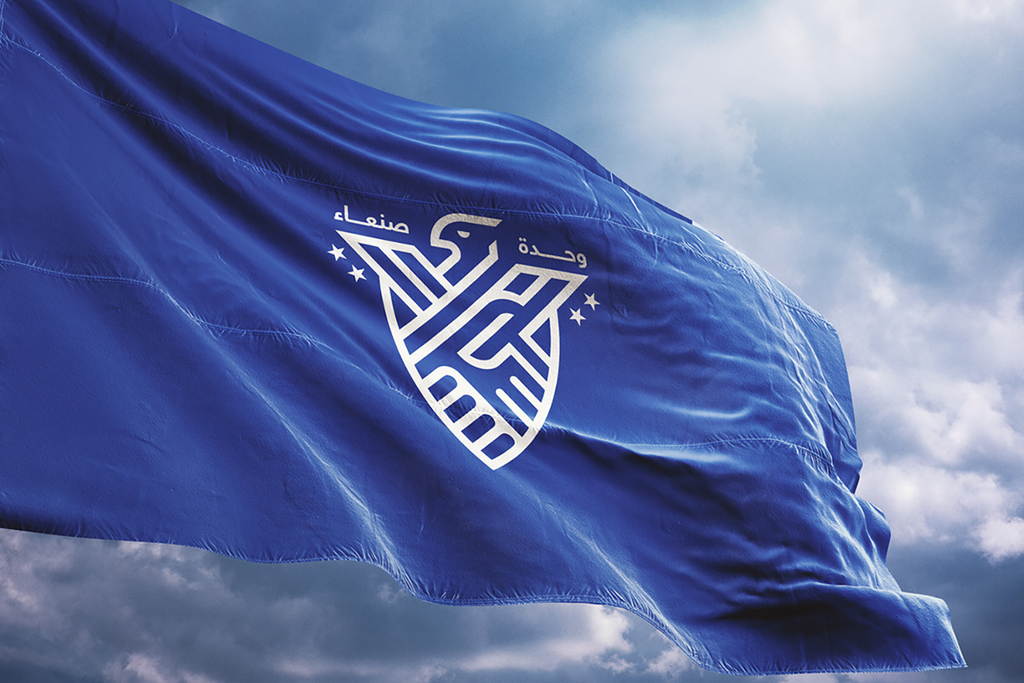
Source: Mohammed Abdulkhaliq, Behance, https://www.behance.net/gallery/113455467/Al-Wehda-Club-Rebrand
Make The Logo Unique Instead Of Generic
Because eagle logos are widely used, originality is essential. A generic eagle may look professional, but it will struggle to create a memorable brand identity. Distinctive design choices can help separate your logo from countless similar concepts.
Look Beyond Stock Eagle Shapes
Many eagle logos rely on familiar silhouettes and standard poses. While these approaches are functional, they often fail to create a lasting impression. Exploring alternative perspectives, compositions, or visual treatments can lead to more distinctive results.
Develop Distinctive Visual Characteristics
Unique wing structures, creative use of negative space, custom line work, or subtle brand-related symbolism can transform a common eagle concept into something memorable. These details help establish a recognizable identity without sacrificing clarity.
Test The Eagle Logo In Different Applications
A logo that looks excellent on a design canvas may perform differently in real-world situations. Testing allows you to identify weaknesses before the logo is finalized and deployed.
Digital Applications
Review the logo on websites, mobile devices, social media profiles, and digital advertisements. Ensure the eagle remains recognizable and visually balanced at different sizes and resolutions. Digital testing helps reveal potential visibility issues early.
Print And Merchandise Applications
The logo should also be tested on printed materials, uniforms, packaging, signage, and promotional products. Different production methods can affect detail visibility and color accuracy, making practical evaluation an important step in the design process.
Ensure The Logo Remains Effective In Black And White
Although color can enhance a logo, an effective design should never depend entirely on color for recognition. Black-and-white testing is one of the most reliable ways to evaluate logo quality.
Evaluate Contrast And Shape Clarity
Converting the design to black and white reveals whether the logo relies too heavily on color differences. Strong contrast and clear shapes help preserve recognition when color is unavailable.
Verify Readability Across Formats
Certain applications, such as embroidery, engraving, sponsorship graphics, and monochrome printing, may require a single-color logo. A strong eagle logo design remains recognizable and professional regardless of the production method or color limitations.
Frequently Asked Questions About Eagle Logo Design
Which Eagle Pose Works Best for a Logo?
The right pose depends on the brand’s personality. Spread wings can suggest freedom, ambition, and confidence, while a side profile often feels focused and authoritative. A diving eagle conveys speed and action. Choose a pose that supports the intended message and remains recognizable when simplified.
How Can an Eagle Logo Avoid Looking Too Aggressive?
Use softer curves, balanced proportions, and a calm expression instead of sharp claws or an attacking pose. Lighter colors and open wing shapes can also make the design feel more welcoming. Pairing the symbol with friendly typography helps preserve the eagle’s strength without creating an intimidating impression.
Should an Eagle Logo Include the Entire Bird or Just Its Head?
Either approach can work, depending on the intended application. A full eagle creates a dramatic sense of movement and scale, while an eagle head is usually easier to recognize at small sizes. Consider where the logo will appear and select the form that maintains clarity across formats.
How Can I Check Whether an Eagle Logo Is Truly Versatile?
Test the logo in color, black and white, and a single-color version. Resize it for social media icons, business cards, packaging, uniforms, and signage. A versatile eagle logo should remain clear, balanced, and recognizable without relying on fine details, special effects, or a particular background.
Can an Eagle Logo Resemble a National or Heraldic Emblem?
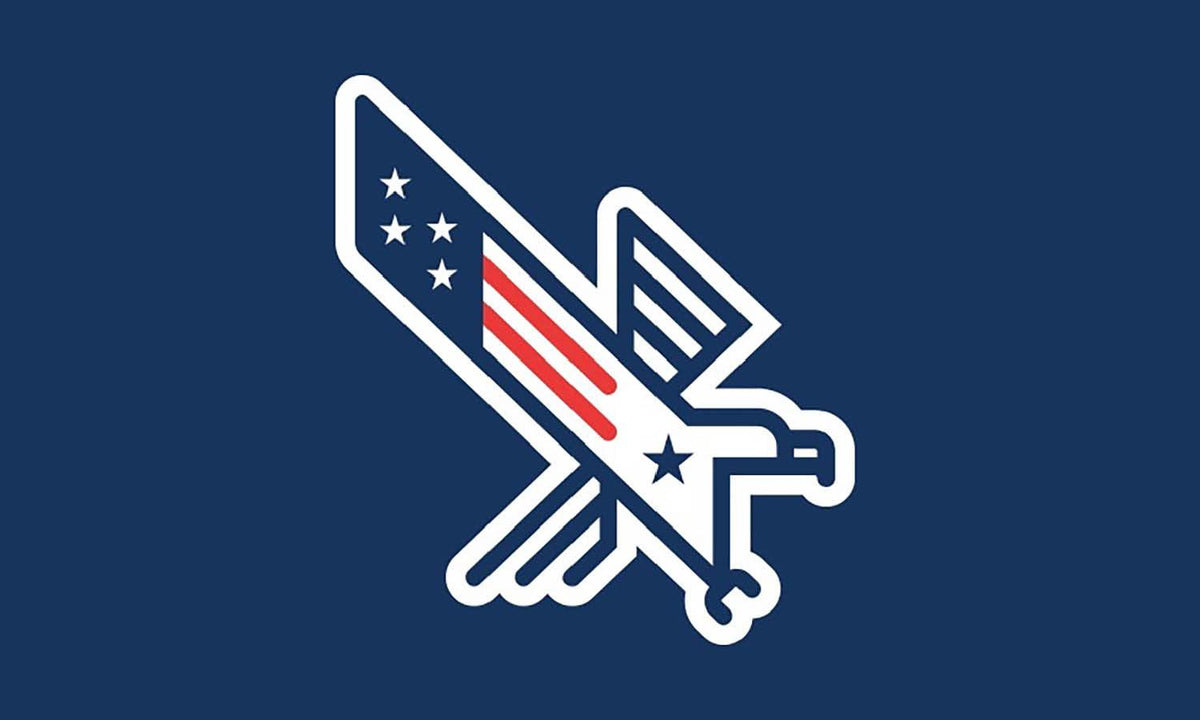
Yes, because eagles frequently appear in government seals, military insignia, and heraldic symbols. Research existing emblems before finalizing the design, especially when using shields, stars, or formal poses. Creating original proportions, styling, and supporting elements can help prevent confusion and strengthen the brand’s distinctive identity.
Conclusion
Creating an effective eagle logo design requires a balance between symbolism, aesthetics, and functionality. The strongest designs begin with a clear understanding of what the eagle represents and use that symbolism to support the brand's message. By selecting the right style, building a recognizable silhouette, simplifying details, choosing appropriate colors, and pairing the symbol with suitable typography, designers can create logos that feel both powerful and memorable. Equally important is ensuring the logo remains versatile across different applications and effective in black and white. When originality, clarity, and strategic thinking guide the process, an eagle logo can become a lasting visual asset that strengthens brand recognition and communicates confidence for years to come.
Let Us Know What You Think!
Every information you read here are written and curated by Kreafolk's team, carefully pieced together with our creative community in mind. Did you enjoy our contents? Leave a comment below and share your thoughts. Cheers to more creative articles and inspirations!
Related Articles






Leave a Comment