When Is AI Worth It for Building a Portfolio Site?

In the past, building a portfolio site typically required that you either commit to learning how to code yourself or spend money hiring a developer for weeks of demanding work. Today, AI-assisted tools promise to shrink that timeline dramatically by generating layouts, suggesting copy, and arranging your best work into something presentable in a single afternoon, which once took weeks. But faster is not always better, and automation, however convenient it may seem, does not suit every creative professional equally, since some workflows demand a level of hands-on attention that no tool can replace. The real decision comes down to your goals, your available time, and how much your visual presentation depends on precise control. This guide explores the situations where AI genuinely earns its place in your workflow, while also examining when rolling up your sleeves manually still produces stronger, more distinctive results for your creative brand.
The Real Cost-Versus-Benefit Question Behind AI Portfolio Sites
The appeal of AI-driven site creation lies in speed and reduced friction. Instead of wrestling with grid systems or responsive breakpoints, you describe what you want and receive a working draft. For freelancers who bill by the hour, the time saved translates directly into money kept. A modern website builder with AI capabilities can produce a functional layout, integrate hosting, and handle search optimization basics without you touching a single line of markup.
Still, convenience brings hidden costs that you should weigh carefully before deciding.
- Subscription pricing: Compare annual or monthly fees against a one-time custom build.
- Template similarity: AI reuses design patterns, so your site may resemble thousands of others.
- Limited flexibility: Deep customization hits walls that manual coding avoids.
- Data ownership: Check if you can freely export content when switching platforms.
When your main priority is getting to market quickly and testing whether there is genuine demand for what you offer, the advantages you gain from moving fast will, in most situations, considerably outweigh the various concerns discussed here. When it comes to long-term brand assets, the calculation shifts in a different direction.
Which Types of Creatives Gain the Most From AI Assistance
Not every professional gains the same benefits from automated site generation, since results vary from person to person. The value depends largely on how your field handles visual display and how often your portfolio requires updating. Some creatives find AI truly saves them time, while others treat it as a rough starting draft they extensively rework.
Writers, Consultants, and Service Providers
AI tools work brilliantly for you when your work centers on words or deliverables rather than pixel-perfect visuals. A copywriter, marketing strategist, or business consultant mainly needs clean typography, readable case studies, and a contact form. The template's precise spacing matters much less than clarity and how quickly the page loads. Such professionals can build a believable online presence within hours and channel spare energy into finding clients.
Designers Building Interactive Showcases
Product and interface designers occupy a middle ground where AI helps with structure but rarely nails the details. Presenting workflows, prototypes, and user journeys demands thoughtful sequencing. Anyone documenting their process should study how strong presentation choices influence hiring outcomes, and this breakdown on getting hired by showcasing UI and UX skills demonstrates why narrative flow matters as much as raw talent. AI gives you the skeleton; you supply the storytelling.
Situations Where Manual Design Still Beats Automation
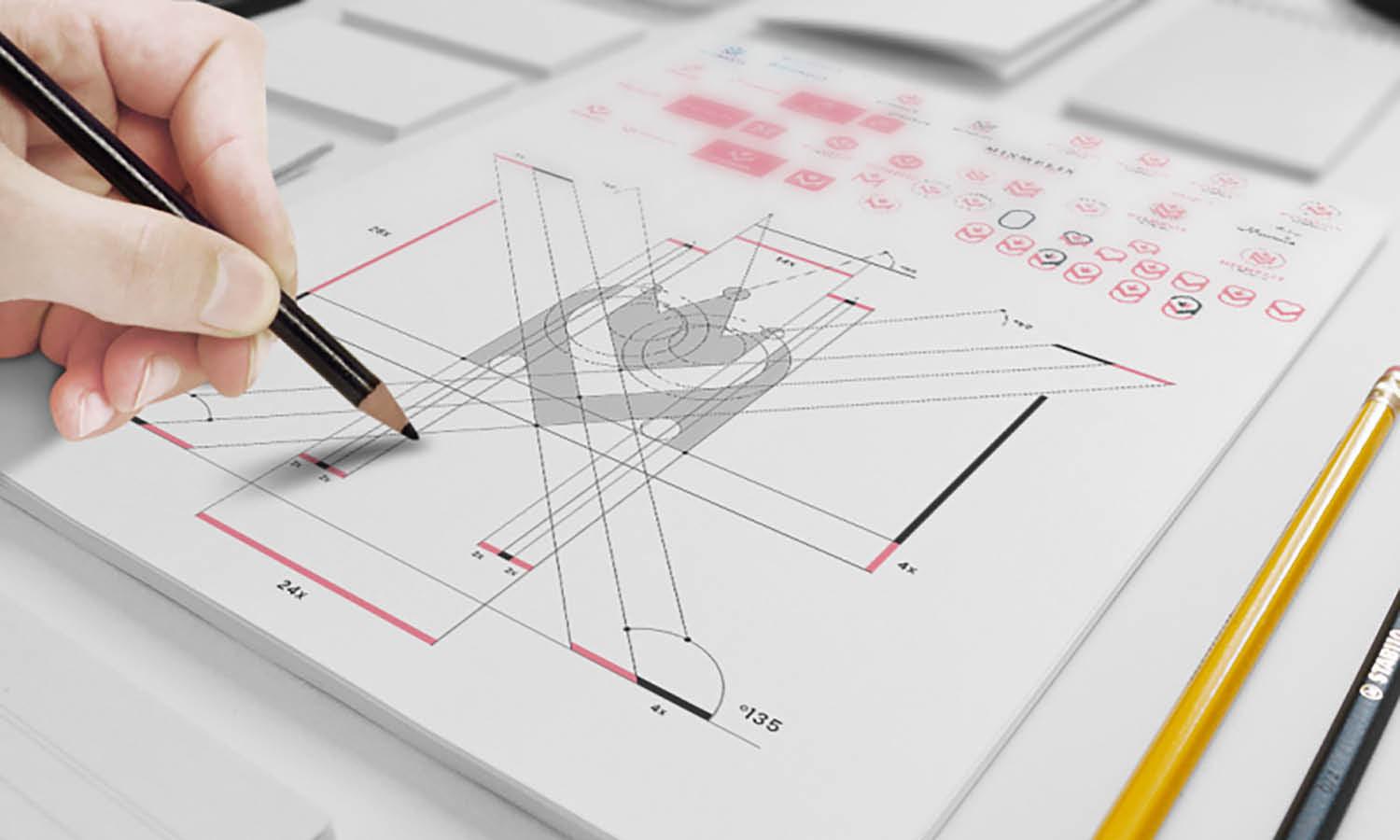
Some creative fields cannot hand their visual identity to generated templates without losing something essential. When your portfolio shows your craft, every layout matters. A logo designer whose personal website relies upon a generic, off-the-shelf template, rather than showcasing an original design, inadvertently undermines the very expertise they are attempting to sell, because prospective clients will naturally question the skills of someone unwilling to apply them to their own presence. In these situations, hand-built control shows a competence that no automated arrangement can ever match.
Illustrators, brand designers, and typographers frequently fall into this category. Their audiences are hiring precisely for an eye that automation cannot fake. If you also monetize your creations directly, presentation becomes doubly important; those looking to turn logo work into online income know that a distinctive shopfront often justifies premium pricing. Manual builds also grant total freedom over animations, custom cursors, and unconventional grids that make a portfolio memorable rather than merely functional. When differentiation is the entire point, the extra hours invested pay dividends in perceived value and client trust.
Weighing Your Portfolio Goals Against the Right Building Approach
Choosing between AI and manual building gets clearer once you define your success. A portfolio that is meant to help you land a full-time job carries different demands than one which is designed to attract freelance gigs or to sell digital products online. First ask how long the site must serve you and how important design is to your identity.
For those still comparing options, independent reviews cut through marketing claims effectively. This roundup of the best AI website builders and their real strengths offers hands-on comparisons that reveal where each tool excels and where it falls short. Reading practical evaluations before subscribing saves you from committing to a platform that cannot grow with your ambitions.
As a helpful guideline, you should pick AI whenever speed and minimal upkeep are your priorities, whereas manual builds suit situations where distinctiveness and complete control shape your brand identity. Hybrid approaches also work quite well, particularly when you first generate a base structure automatically and then carefully refine it by hand to match your specific needs. This middle path saves time while leaving room for personality and precise adjustments that set your work apart.
Signals That Tell You AI Is Worth the Investment Right Now
When you act matters just as much as the tool you happen to be using. Sometimes launching something imperfect beats perfecting it for weeks. As you evaluate your particular situation, you should remain attentive to specific, tangible signals that emerge within your own circumstances, since these concrete indicators are precisely what will tell you whether automated assistance is truly the right call to make today.
Several clear signs show AI-assisted building is worth your investment right now:
- You face an urgent deadline, like a job application closing this week.
- You can't currently afford a professional developer.
- You need a temporary presence while planning something more elaborate later.
- Your field values substance over unconventional visual flair.
- You update content often and want editing to stay simple.
If most apply, generated tools help you compete affordably. On the other hand, if none apply and your reputation depends on visual uniqueness, patience and hands-on craftsmanship reward you much more. The wisest creatives treat AI as one instrument among several rather than a universal answer. Judge each project alone, weigh your time and skills, and let goals decide your method.
Frequently Asked Questions
Is it difficult to move from an AI-built portfolio to a custom-coded site later?
Migration difficulty depends heavily on whether the original platform allows clean content export, including images at full resolution and text without proprietary formatting locked in. Some AI builders make this straightforward while others require manually copying everything piece by piece. Budgeting a few weekends for the transition is realistic if you plan to hire a developer once your brand outgrows the template.
How often should creatives update their portfolio site content to stay relevant?
Most working creatives refresh their featured projects every three to four months, swapping older work for recent client pieces. Stale portfolios signal inactivity to potential clients even if you are busy behind the scenes. Set a recurring calendar reminder rather than waiting until you notice the site feels outdated.
Which website builder should I try first if I want to test AI portfolio tools before committing to a subscription?
Start with a platform that offers a free trial or demo mode so you can test the actual editing workflow, not just look at sample templates. The website builder from IONOS lets you experiment with AI layout suggestions and hosting setup before any payment is required. Running your own images and text through the interface for a day reveals more about fit than reading feature comparisons ever will.
How can I make my AI-generated portfolio look less like everyone else using the same tool?
Swap out default fonts and color palettes immediately, since those are the fastest visual giveaways of a template. Upload custom photography for hero sections instead of relying on stock imagery the AI suggests, and rewrite generated copy in your own voice rather than accepting the first draft. A few hours of manual tweaking after the AI pass usually breaks the generic pattern without sacrificing the speed benefit.
What image size and file format work best for fast-loading portfolio pages?
JPEG or WebP files under 500KB per image strike a good balance between visual quality and load speed for most portfolio galleries. Compress images before uploading rather than trusting the platform to optimize them automatically, since many builders skip aggressive compression by default. Slow-loading galleries lose visitor attention within seconds, undermining even the best design work.
Related Articles