Vibe Marketing Definition: How AI Turns Brand Mood into Growth Assets

Image Source: https://www.fotor.com/
From Features to Vibe: How Marketing Is Changing
Marketing used to be mostly about what a product does. You highlight product features, list benefits, and wrap everything in a polished visual. That approach still exists, but it does not land the same way anymore.
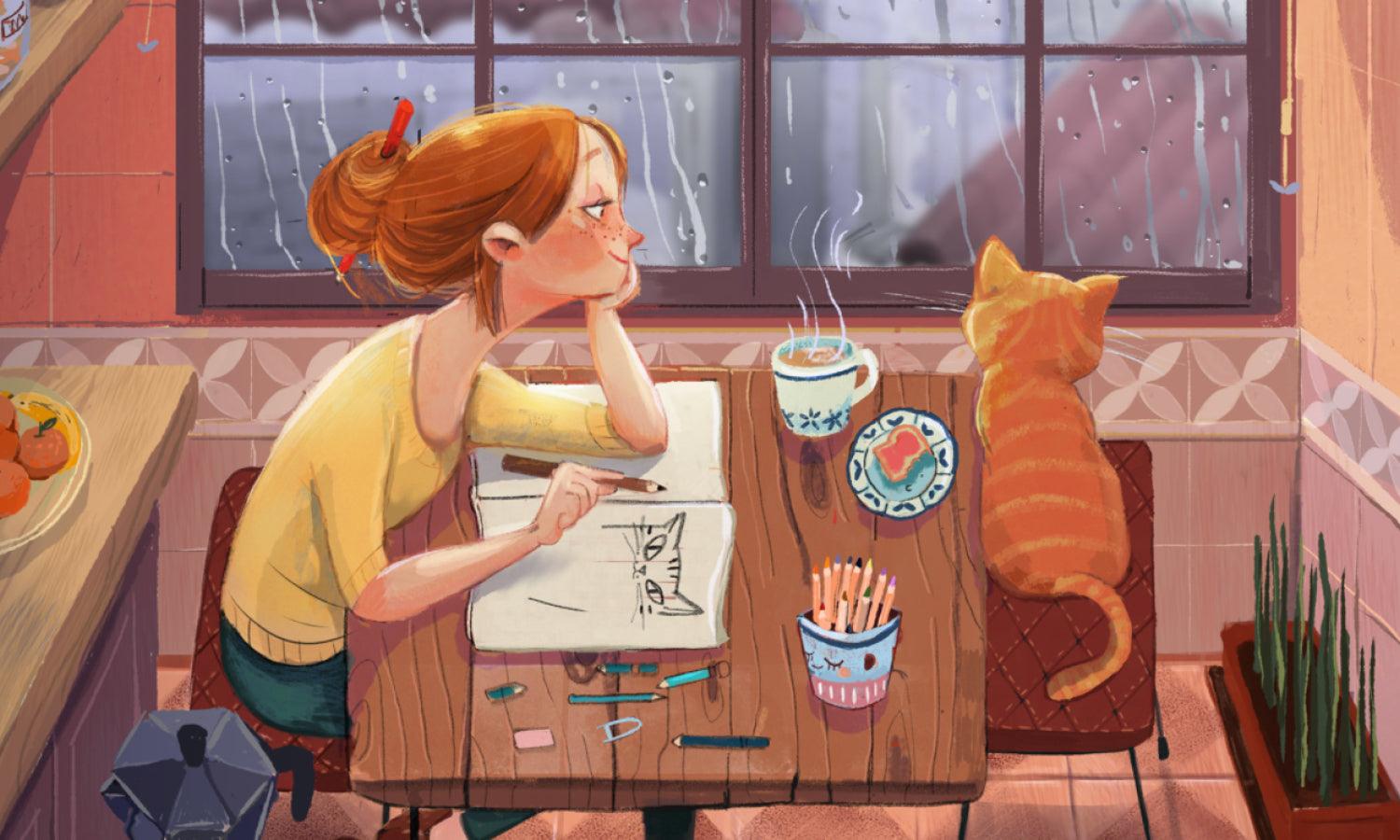
Today, most people don’t remember ad details. They remember how a brand feels when it shows up in their feed. On TikTok, Instagram, and other visual-first platforms, attention is fragmented. Users scroll through hundreds of visuals in minutes, and most brands end up blending into each other.
So the real challenge is no longer just making “better-looking” content. It is about building something recognizable at a glance. A consistent emotional signal. A vibe.
That is why mood has become more important in marketing, and why Vibe Marketing is starting to define a new direction for how content is created.

Image Source: https://www.fotor.com/
What Is Vibe Marketing
Vibe Marketing is a visual-driven approach where you bring the idea, and AI scales it into on-brand, studio-quality visual content that actually sells—across every channel, instantly brought to life by Fotor.
In practice, it means you stop starting from individual design tasks like “make an ad banner” or “design a product page visual.” Instead, you start with something more directional: a vibe. It could be minimal and premium, energetic and youthful, cinematic and emotional, or anything in between.
That vibe is not just a style choice. It is a form of creative intent.
Once defined, AI becomes the layer that translates this intent into actual assets. The same vibe can be expanded into product visuals, ads, social posts, and campaign creatives while keeping everything visually aligned.
Fotor’s Vibe Marketing tool is built around this idea. Instead of treating design as isolated outputs, it allows users to define a brand direction once and extend it across multiple formats using tools like Brand Kits to keep everything visually consistent from the start.
Why Vibe Marketing Matters Now
The reason this shift is happening now is simple: traditional production workflows were never designed for today’s content volume.
Most teams still rely on a linear process: brief, design, review, revise, export. That works when output is limited. But modern marketing is continuous. Ads need constant variation, social content needs daily production, and e-commerce visuals need frequent updates.
This creates a bottleneck. Not in ideas, but in execution.
Even strong creative direction slows down when every asset has to be manually produced. And consistency becomes harder to maintain as volume increases.
This is where AI starts to change the equation. It does not replace creative thinking. It scales it.
For example, with Fotor’s Smart Listing feature, a single product image can be transformed into multiple listing visuals optimized for different platforms and formats. What used to require separate design cycles becomes a structured, repeatable output. The creative idea stays intact, but production speed increases significantly.

Image Source: https://www.fotor.com/
How Brand Mood Becomes Growth Assets
One of the most important shifts in Vibe Marketing is that mood is no longer just an abstract creative input. It becomes something that directly influences performance.
In traditional workflows, mood often lives in early-stage inspiration boards. It helps define direction, but gets diluted as execution moves through different stages of production.
With AI-driven systems, that gap starts to disappear. The same vibe can be carried consistently from concept to final output, across multiple channels and formats.
This is where brand consistency starts to connect with measurable results. When users repeatedly see a coherent visual language, recognition improves. That recognition often translates into higher engagement and better conversion performance.
In this sense, vibe is no longer just about aesthetics. It becomes part of how assets perform in real marketing environments.
Tools like Fotor’s Virtual Model feature make this even more visible. Instead of relying on separate photoshoots, brands can generate consistent lifestyle visuals that reflect the same mood across different scenarios. The vibe is not only preserved—it is extended into more expressive formats.
Over time, what starts as a creative direction becomes a structured system that produces repeatable, high-converting assets.

Image Source: https://www.fotor.com/
Why AI Is the Missing Link
The biggest limitation in Vibe Marketing has always been scale. Defining a strong brand mood is relatively easy. Applying it consistently across dozens or hundreds of assets is where things usually break.
AI solves this by acting as the bridge between intention and execution.
Humans define the vibe, that’s the emotional direction, tone, and aesthetic intent. AI then takes that input and generates variations across different content needs, while maintaining visual coherence.
This does not mean creativity is removed. It means creativity is amplified.
Instead of producing one finished asset at a time, a single defined vibe can generate an entire set of campaign materials. Those assets can then be extended further across ads, landing pages, and social channels.
Fotor’s “Product Video” workflow reflects this shift. Once your product visuals are generated, they can be directly adapted into ad-ready formats, reducing the friction between creation and deployment. The idea is no longer just to design content, but to move from idea to distribution faster, without breaking consistency.
Build Vibe Marketing at Scale with Fotor AI
As Vibe Marketing evolves, it is becoming more than just a creative approach. It is starting to look like a new category of content production.
Fotor sits within this shift as part of a broader move toward AI-driven marketing systems. Instead of treating design as a collection of separate tasks, the platform organizes it around a central idea: define the vibe, and scale everything from there.
This is where Vibe Marketing becomes practical rather than conceptual. It is not just about describing a mood. It is about turning that mood into usable, on-brand, and performance-ready content across channels.
As the space develops, tools like Fotor are showing how creative direction and AI execution can merge into a single workflow—one where brand identity is not only designed, but continuously generated.
And that is ultimately what Vibe Marketing is becoming: a system where mood is no longer just inspiration, but a repeatable engine for growth.
Related Articles