How to Make Campaign Stills Without a Reshoot — Image Model, Then Character Swap

Image Source: https://www.topview.ai/gpt-image-2-5
Zero-experience video reviews all sell the same afternoon. Type a sentence, or drop a photo, pick a style, get a clip. Face tricks, old photographs that blink, a hug across a distance. That is entertainment software. It is not how a branding still gets made.
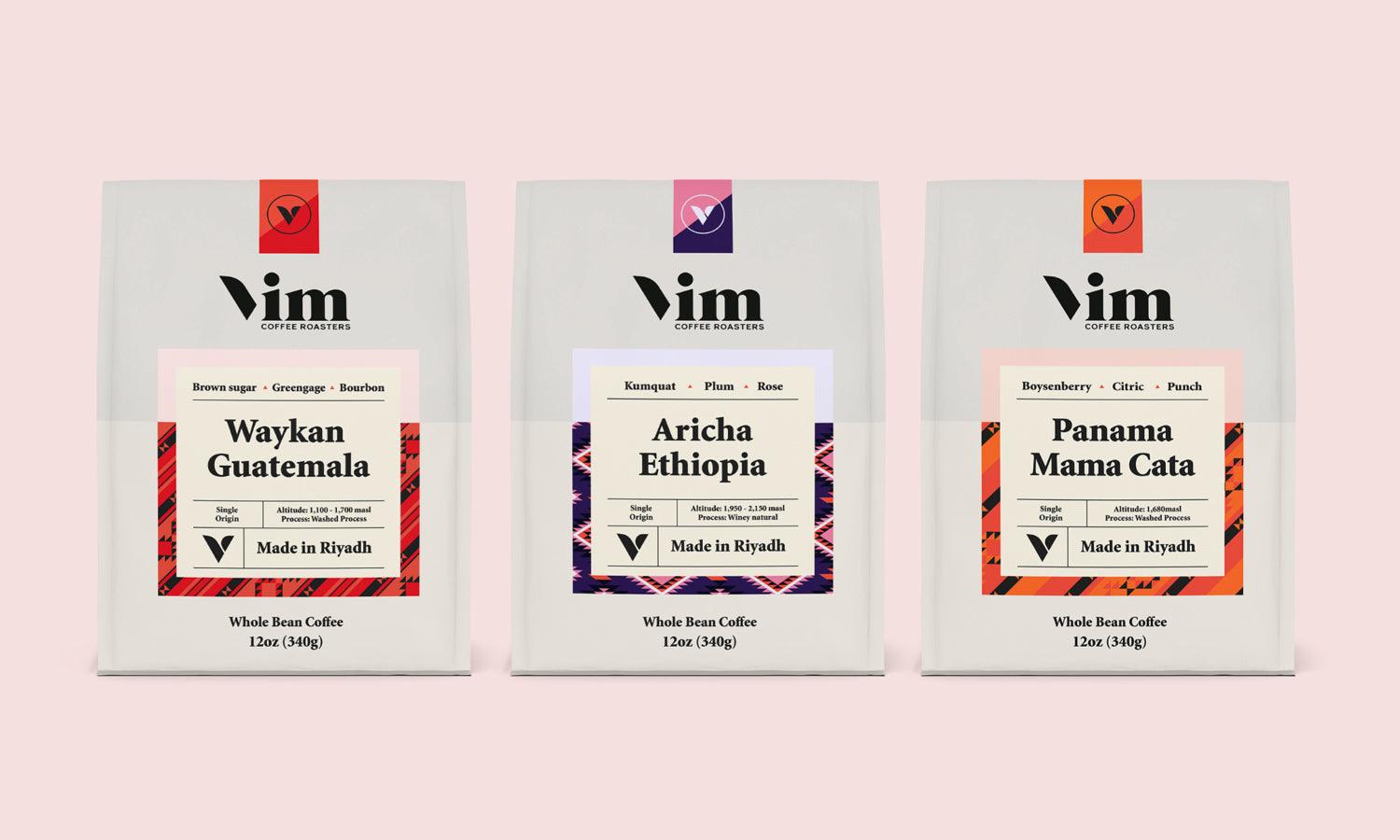
Designers already know the bottleneck. The layout is approved. The product is on the table. The person in the frame is wrong for the market, or last season, or a stock extra you cannot run again. A new shoot is a week. A face-only swap leaves the wrong body in the clothes. Generating a brand-new poster from a prompt throws away the composition you already fought for.
Two stills jobs sit next to each other. An image model revises or builds the frame so type, product, and camera still make sense. A character swap then replaces the person in that existing picture without starting the scene over. They are not two video generators, and they are not a one-click “pro film.” If you needed a timeline, stay in an editor.
What an image model is for before anyone talks about swapping
When you do not have a usable still, swapping a person is theatre. You are compositing into a guess. Campaign work usually needs the opposite: a poster or a lookbook frame that can take a second edit — new headline, new crop, same bottle.
GPT Image 2.5 is OpenAI’s image model, reached through a hosted workspace. In practice the differences that matter for design are dull. Output holds up at larger sizes. Colour is less likely to fall apart on the fourth pass. Counts, materials, camera direction, and layout are more likely to survive the prompt instead of turning into a prettier table. Skin, fabric, labels, and product edges stay more stable across a set.
Use it for key visuals, packaging-on-set frames, and the JPEG you will later drop a different model into. Read the type. Generated headlines still invent characters. If edit four wrecks a lockup you already approved, the folder is messy. Eligible trials run on credits you can see before you generate. That is not unlimited free.
This is not an NLE. It will not cut A-roll, write captions, or animate a dance on a portrait. If the deliverable must stay a layered file, generate only the missing piece and finish in the layout tool you already trust.

Image Source: https://www.topview.ai/gpt-image-2-5
What character swap actually replaces
Face swap changes a face. Useful when the body, outfit, and set are already correct. Useless when you need a different person in the same room.
AI character swap is the other job: replace the full figure in a photo while trying to keep the original background, pose, crop, lighting, and — for ecommerce and fashion — the product or garment structure. You upload a target image (the scene you want to keep) and a character reference (the person or character you have the right to use). The model aligns pose, scale, and light so the result looks less like a sticker.
That is why it pairs with an image model. GPT Image 2.5 can build or clean the scene. Character swap can then test another model, another market, another lookbook lead, without a second booking. Localization teams use this when the campaign layout is locked and only the person should change. Agencies use it to mock UGC-style or influencer-style frames before anyone is hired. Illustrators can try a stylized character in a photographic set; results vary, and you should expect that.
It is not text-to-image. It does not invent a new poster from a paragraph. It starts from a picture that already exists. It is not Photoshop, which is the point for people who do not want layers — and the limit for people who do. Free credits exist to test. Commercial use still depends on rights to the target, the reference, and the people in both.
Video character swap is a different page. This one is stills.
How the two actually combine
A workable pattern is unglamorous. Lock the still until you would print it. Product readable. Type read back. Lighting you can live with. Then, and only then, run a swap if the person is the variable.
Keep pose direction similar between the target and the reference or the limbs will argue. Keep the product unobscured. Do not feed a celebrity, a private client, or a face you cannot clear. Generated people are not testimonials. A “boss’s funny face” clip belongs in a different kind of app, and often in a different conversation with HR.
If the scene itself is wrong — wrong room, wrong bottle, wrong lockup — swap will preserve the mistake. Go back to the image model. If only the extra in the doorway is wrong, you may need a tighter edit than a full-body swap. Character swap is for replacing the subject, not for hiding a bad brief.
Pros, cons, and who it is actually for
Strengths, if you are a designer or a small brand team: you can iterate a campaign still without a truck. You can keep a composition that already works. You can test who stands in the frame. Beginners can run it in a browser. You do not need a plugin install.
Limits are ordinary. Large or messy references look pasted. Extreme pose mismatch fails. Small type still lies. Credits cost money after the trial. The output is a flat image, not a layered PSD. Lighting match is “better than a bad cutout,” not a guaranteed studio wrap. If you only needed a three-second dance on a portrait, this stack is the wrong purchase.
Branding, illustration, packaging, and digital design are exactly where a still has to survive review. Video toys that hug, jiggle eyebrows, or revive a grandmother’s photograph can wait. The file that ships is the one a creative director can mark up.
What I would actually check
Open the still on a phone. Read every letter. Count the products. Look at the hands. If the swap changed the garment you are selling, you did not swap a character — you lost the SKU. If the image model invented a second logo, do not animate it later to hide it.
Zero experience will get you a first draft. It will not get you a cleared campaign. The “pro-level” part, if there is one, is knowing which of the two tools to open. Use GPT Image 2.5 when the frame still has to take design. Use character swap when the frame is honest and only the person should move. Then look at the file as if a client is about to reply-all.
Related Articles