How to Design a Home That Works for Your Everyday Life

A beautiful home means very little if it does not support your daily routine. Many homeowners focus on trends, finishes, and inspiration photos, only to realize later that the layout does not fit how they actually live. The kitchen looks stunning but lacks storage. The living room feels stylish but uncomfortable. The home office is squeezed into a corner that never feels productive.
Designing a home that truly works for your everyday life requires more than picking materials and colors. It starts with understanding your habits, priorities, and long-term goals. When your home is designed around your routine, everything feels easier. Mornings run smoothly. Evenings feel relaxed. Hosting guests becomes enjoyable instead of stressful.
Here is how to approach home design in a way that supports real life, not just appearances.
Start With Your Daily Routine
Before thinking about floor plans or furniture, think about how you move through your day.
Ask yourself:
- Where do mornings feel rushed?
- Where does clutter tend to build up?
- Do you work from home?
- Do you host guests often?
- Do you need quiet space or open, social areas?
For example, if mornings are chaotic, you may need better storage near the entryway for shoes, bags, and coats. If you cook daily, a spacious kitchen with clear workflow matters more than a formal dining room that rarely gets used.
When you design around actual behavior instead of idealized living, your home becomes functional rather than frustrating.
Design Around Function First, Style Second
Style matters, but functionality should lead every major decision.
An open-concept layout may look modern, but if you value privacy or quiet workspaces, defined rooms might serve you better. A large kitchen island is popular, but if you rarely entertain, extra pantry storage might be more useful.
Think about how each room will be used:
- Living rooms should encourage conversation or relaxation.
- Kitchens should support efficient movement between sink, stove, and refrigerator.
- Bedrooms should promote rest and calm.
- Bathrooms should balance convenience and comfort.
In thoughtfully designed custom homes, layout decisions are often based on the homeowner’s daily rhythm rather than resale trends. That mindset leads to spaces that feel natural and intuitive.
Prioritize Smart Storage Solutions
Clutter is one of the biggest obstacles to enjoying a home. Even the most beautifully designed room can feel stressful if there is nowhere to put everyday items.
Incorporate storage that blends seamlessly into your design:
- Built-in shelving for living rooms
- Deep drawers in kitchens instead of hard-to-reach cabinets
- Mudrooms with individual storage zones
- Closet systems tailored to your wardrobe
Storage should be accessible and practical. If it is difficult to use, it will not be used consistently.
Think vertically as well. Tall cabinetry, overhead storage, and under-bed compartments maximize space without increasing square footage.
Create Flexible Spaces
Life changes. Families grow. Work situations shift. Hobbies evolve. Designing with flexibility in mind prevents your home from feeling outdated too quickly.
Consider multipurpose rooms:
- A guest room that doubles as a home office
- A finished basement that serves as both a gym and entertainment area
- A dining area that can transform into a homework station
Sliding doors, movable furniture, and modular shelving allow rooms to adapt without major renovations.
Homes designed with flexibility often feel more valuable over time because they can adjust to new needs without structural changes.
Think Long Term
It is easy to design for the present moment. The better approach is to consider how your needs may change in five or ten years.
Will you need more privacy for teenagers? Will aging family members visit frequently? Are you planning to work remotely long term?
Wide hallways, accessible bathrooms, and first-floor bedrooms can add convenience even if you do not need them immediately.
Many homeowners collaborate with custom home builders in Columbus to incorporate long-term functionality into their floor plans from the beginning. Planning ahead prevents costly modifications later.
Balance Open Spaces With Private Retreats
Open floor plans remain popular, but they are not ideal for every lifestyle. Large shared areas are excellent for entertaining and family interaction. However, without quiet zones, it can be difficult to concentrate or unwind.
Aim for balance:
- Keep shared areas open and connected.
- Include at least one quiet room for reading, working, or relaxing.
- Consider soundproofing elements in offices or media rooms.
A home that offers both connection and privacy feels more comfortable for everyone living there.
Focus on Comfort Over Perfection
Magazine-worthy rooms often prioritize aesthetics over comfort. But a home designed for everyday life should feel inviting, not fragile.
Choose durable materials that can handle daily wear. Comfortable seating matters more than sculptural furniture. Easy-to-clean surfaces reduce stress.
In high-traffic areas, prioritize flooring and fabrics that are resilient. If you have pets or children, performance materials can maintain their appearance while handling spills and scratches.
Comfort does not mean sacrificing style. It simply means making decisions that support real living.
Design Entryways With Intention
The entryway sets the tone for your entire home. It is also one of the most heavily used spaces.
A functional entryway may include:
- Hooks or built-ins for coats and bags
- A bench for removing shoes
- Closed storage to reduce visual clutter
- Good lighting for safety and visibility
Without thoughtful design, this area can quickly become chaotic. When designed intentionally, it creates a smooth transition from outside to inside.
Use Natural Light Strategically
Natural light affects mood, productivity, and energy levels. Position windows to maximize sunlight in living spaces while maintaining privacy in bedrooms and bathrooms.
Large windows in common areas create openness and warmth. Skylights can brighten hallways and interior rooms that lack exterior walls.
Even in smaller homes, strategic window placement makes a noticeable difference. Light-colored walls and reflective surfaces further enhance brightness.
Personalize With Purpose
A functional home does not have to feel generic. Personal touches make a space meaningful.
Display items that reflect your interests. Create reading corners if you love books. Incorporate a dedicated hobby area if you paint, sew, or build.
Design should reflect your personality and habits rather than copying trends blindly. That is one of the advantages of building or remodeling custom homes, where details can be tailored to specific preferences.
Personalization adds warmth and character, turning a house into a true home.
Plan for Technology and Modern Living
Today’s homes need to support technology seamlessly. Charging stations, hidden cable management, and dedicated office areas improve convenience.
Think about:
- Smart lighting systems
- Built-in speakers
- Reliable Wi-Fi coverage
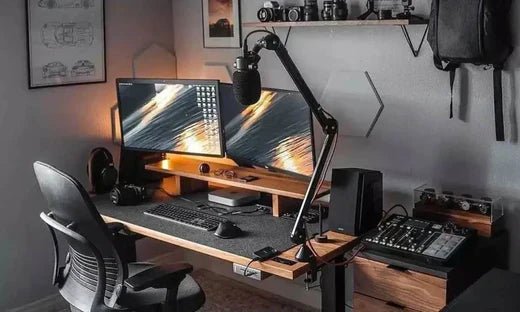
- Workspace lighting and ergonomic setups
Technology should enhance daily life without creating visual clutter.
Evaluate Traffic Flow
Walk through your layout mentally. Imagine cooking while someone else unloads groceries. Picture guests moving between the kitchen and living room. Consider children running through hallways.
Clear pathways prevent congestion and frustration. Avoid placing furniture where it blocks natural movement.
If possible, ensure there is more than one route through high-traffic areas. Good traffic flow often goes unnoticed, but poor flow is immediately obvious.
Make the Kitchen the True Hub
For many families, the kitchen is the center of daily activity. It should be both functional and welcoming.
Plan for:
- Sufficient counter space
- Convenient appliance placement
- Seating that encourages conversation
- Adequate storage for cookware and pantry items
A well-designed kitchen supports cooking, homework, hosting, and everyday conversations without feeling cramped.
Final Thoughts
Designing a home that works for your everyday life begins with honest reflection. Instead of asking what looks impressive, ask what feels practical. Instead of copying trends, focus on habits.
Prioritize functionality, create flexible spaces, incorporate smart storage, and think long term. Balance openness with privacy. Choose comfort over perfection.
When your home supports how you truly live, it reduces stress and enhances enjoyment. It becomes a place that adapts to your needs, encourages connection, and makes daily routines smoother.
A well-designed home is not defined by square footage or luxury finishes. It is defined by how well it serves the people who live inside it every single day.
Related Articles