How to Choose a Mechanical Pencil for Sketching, Technical Notes, and Detailed Work

Image Source: https://paperwhisper.com/collections/pencils
A mechanical pencil can look like a simple tool, but the wrong one becomes noticeable very quickly.
It may feel too heavy during a long class. The lead may snap when you press a little harder. The tip may block your view of a small diagram. Or the pencil may make clean-looking lines at first, then slowly produce wider marks as the lead wears down.
None of these problems means that you chose a bad pencil. More often, the pencil simply does not match the work in front of you.
The best mechanical pencil is not always the most expensive or the most technical model. It is the one that gives you enough control for the way you write, sketch, or mark up a page. Before choosing one, it helps to understand the details that make the biggest difference.
Start with the line you need to make
The first decision is usually lead size.
A 0.3 mm lead can be useful for small handwriting, detailed diagrams, and compact technical notes. It makes fine lines, but it also needs a lighter touch. If you tend to press firmly or write quickly on rough paper, a very thin lead may break more often than you expect.
For many people, a 0.5 mm lead is a flexible place to start. It works well for class notes, planning pages, everyday writing, and light sketching. The line is still controlled, but the lead is less delicate than 0.3 mm.
A 0.7 mm lead may suit people who prefer a darker line, write with more pressure, or make rougher sketches. It can feel more forgiving when you are not trying to fit every word into a small space. The tradeoff is that it is less suited to very fine details.
Paper matters as well. Smooth paper allows a finer lead to move easily across the page. Rougher paper creates more friction, which may make a thin lead feel less stable. Your writing style matters too. Someone who writes lightly may enjoy a 0.3 mm pencil, while someone who presses harder may find 0.5 mm or 0.7 mm more comfortable.
It is easy to focus on the pencil body first, but the line you need to make should come before the finish, colour, or price.
Notice how the pencil feels in your hand
Once you know the lead size you want, pay attention to how the pencil sits in your hand.
Weight, balance, grip texture, and tip design can all affect how a pencil feels over a longer session. A heavier pencil may feel steady for careful desk work, but it can become tiring if you take several pages of notes. A lighter pencil may be easier to carry and move quickly, but some people prefer more weight when drawing controlled lines.
The position of the grip matters too. If your fingers sit close to the tip, you may want a pencil that gives you a clear view of the page. If you write for long periods, a grip that feels secure without forcing you to squeeze can make a noticeable difference.
When comparing a professional-grade Japanese mechanical pencil, it is useful to think about your most common task rather than an imagined perfect setup. Do you mainly write formulas? Do you draw rough ideas in a sketchbook? Do you annotate printed pages? Or do you want one dependable pencil to carry every day?
A pencil that works well for detailed technical notes may feel less practical for quick writing on the move. There is nothing wrong with owning more than one pencil for different situations, but your first choice should solve the task you face most often.
Understand what happens to the lead as you write
Mechanical pencil lead does not wear down evenly.
As you write, one side of the lead often becomes flatter than the other. This creates a small angled surface at the tip. If you keep turning the pencil slightly as you write, you may not notice it much. But if you write at the same angle for a long time, your lines can begin to look wider in one direction and thinner in another.
For casual notes, this may not matter at all. Many people like the changing feel of a pencil as the lead wears. For sketching, the angle can even be useful because it allows you to create different marks with the same lead.
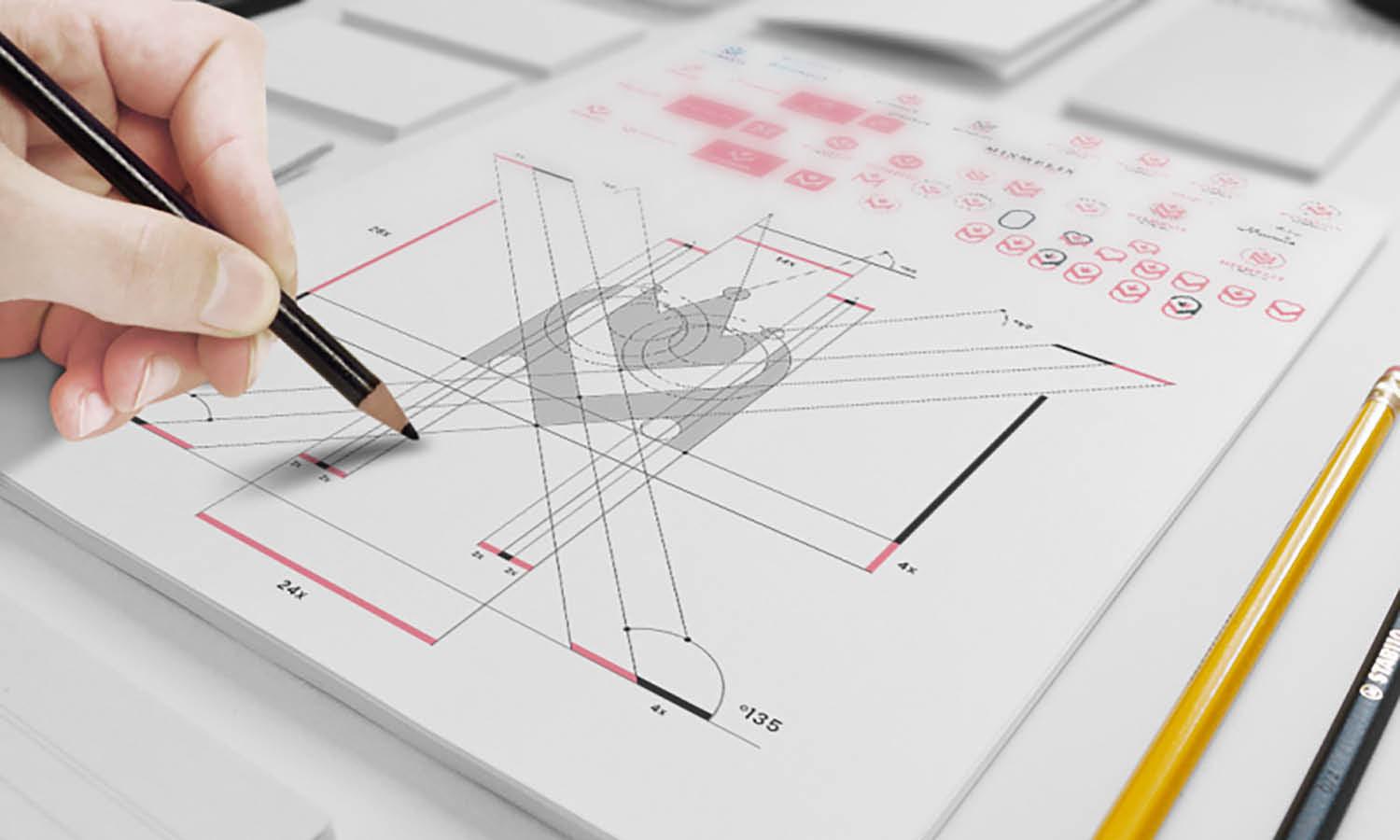
However, people who write small characters, equations, labels, or repeated technical notes may prefer a more consistent line. In those situations, the shape of the lead becomes more important because small changes are easier to see.

Image Source: https://paperwhisper.com/collections/pencils
This is not a question of good versus bad. It is about whether you want the line to change naturally as you write or stay as even as possible.
When a rotating-lead mechanism may help
Some mechanical pencils use a mechanism that gradually rotates the lead while you write. The aim is to keep the lead tip from wearing into one broad, flat angle.
For people who write a large amount of small text, this can be useful. If you fill notebooks with formulas, revision notes, labels, or closely spaced planning details, a more even lead shape may help the writing feel more consistent from one line to the next.
That is where precision writing with Uni Kuru Toga can be worth exploring. The series is known for its lead-rotation technology and includes different lead sizes and pencil styles. It may suit writers who care about a relatively consistent line, especially during detailed note-taking.
Still, it is not a universal answer. Some people prefer a fixed lead because they like to control the angle themselves. Others may want a different balance or grip for drawing. A rotating mechanism is one feature to consider, not a requirement for doing careful work.
Match the pencil to the situation
You do not need a separate pencil for every task. It does help, however, to know which qualities are likely to matter most in different situations.
- For class notes and formulas: A 0.5 mm pencil is often a balanced choice. Look for a comfortable grip and a body light enough to use for several pages.
- For sketching and early ideas: Choose a lead size and weight that match your drawing pressure. Some people prefer 0.5 mm for controlled studies, while others enjoy 0.7 mm for looser marks.
- For technical notes and detailed labels: A finer lead and a clear view of the tip can be useful. If line consistency matters to you, a rotating-lead mechanism may also be worth trying.
- For everyday carry: Prioritize durability and a pencil that feels natural in your hand. The pencil you use often is more valuable than the one you save for special occasions.
These are starting points, not strict rules. You may write tiny notes with a 0.7 mm pencil and love it. You may sketch with a 0.3 mm lead because you enjoy the level of detail. Personal preference is part of the process.
Lead and maintenance matter more than people expect
A mechanical pencil is only as pleasant to use as the lead inside it.
Lead hardness affects the mark you make. Softer lead usually creates a darker line, but it can smudge more easily and may wear down faster. Harder lead can produce a lighter, cleaner line, though it may feel less smooth on some paper. You do not need to memorize every grade before you begin. Start with a common option, notice how it feels, and adjust if the line is too dark, too faint, or too easy to break.
It is also worth keeping the pencil tip clear. Small pieces of broken lead can sometimes block the mechanism, especially if a pencil is carried loose in a bag. Use the cleaning pin if your pencil includes one, and avoid forcing the click mechanism when it feels stuck.
If you use a pencil for travel or daily carry, protect the tip. A bent sleeve or damaged point can make detailed writing harder, even if the rest of the pencil is in good condition.
Choose for the page in front of you
There is no need to build an ideal collection before you start.
Choose a lead size that suits your usual writing. Pick a body that feels comfortable for the amount of time you spend on the page. Then use it for a week or two before deciding what is missing.
You may discover that you want a finer line for technical notes. You may find that a heavier body gives you more control. Or you may realize that you care less about specifications than you thought, as long as the pencil is reliable and easy to use.
When a mechanical pencil lets you focus on the page instead of the tool, it is probably a good fit for your work.
Related Articles