How Designers and Illustrators Use AI Music to Bring Their Portfolios and Reels to Life

Image Source: https://creatune.ai/
A design portfolio used to be a grid of still images. Today, most creative work gets seen in motion: a 20-second process reel on Instagram, a case study video on Behance, a looping showreel on a personal site, a speed-paint on TikTok. Motion brings a problem that still images never had. It needs sound.
For a long time, designers solved that problem in one of three ways: leave the video silent, grab whatever track was trending on the platform, or dig through stock music libraries until something felt close enough. None of these are great. Silent reels feel unfinished. Trending audio makes your work sound like thousands of other posts, and it can get muted or claimed when you reuse the video elsewhere. Stock libraries take time, cost money per track, and the music often sounds generic because it was written to fit everything.
AI music tools have quietly changed this. Designers and illustrators now generate original soundtracks the same way they sketch thumbnails: quickly, in several variations, until one fits. Here is how creatives are using AI music in their portfolios, and how to do it so it feels intentional rather than tacked on.
Why sound matters more than you think
It is easy to treat music as an afterthought, something you add in the last five minutes before posting. But sound changes how people read visual work. The same logo animation feels playful with a bouncy synth line and premium with a slow piano chord. A time-lapse of an illustration feels calm with ambient pads and energetic with a driving beat.
When a client or art director watches your reel, the music is setting expectations before they consciously look at the details. A track that matches the tone of the project tells them you understand mood and audience, which is exactly what they are hiring you for.
What AI music changes for visual creatives
The biggest shift is control. Instead of searching for a track that someone else made for a general purpose, you describe what you want in words: genre, mood, tempo, instruments, length. A few minutes later you have an original piece of music written for your project.
That makes music part of the design process instead of a separate errand. You can generate three or four versions, compare them against your edit, and refine the description the same way you would refine a brief. Changing direction costs you minutes, not another afternoon in a stock library.
Five ways designers are using AI music

Image Source: https://creatune.ai/
1. Process reels and time-lapses
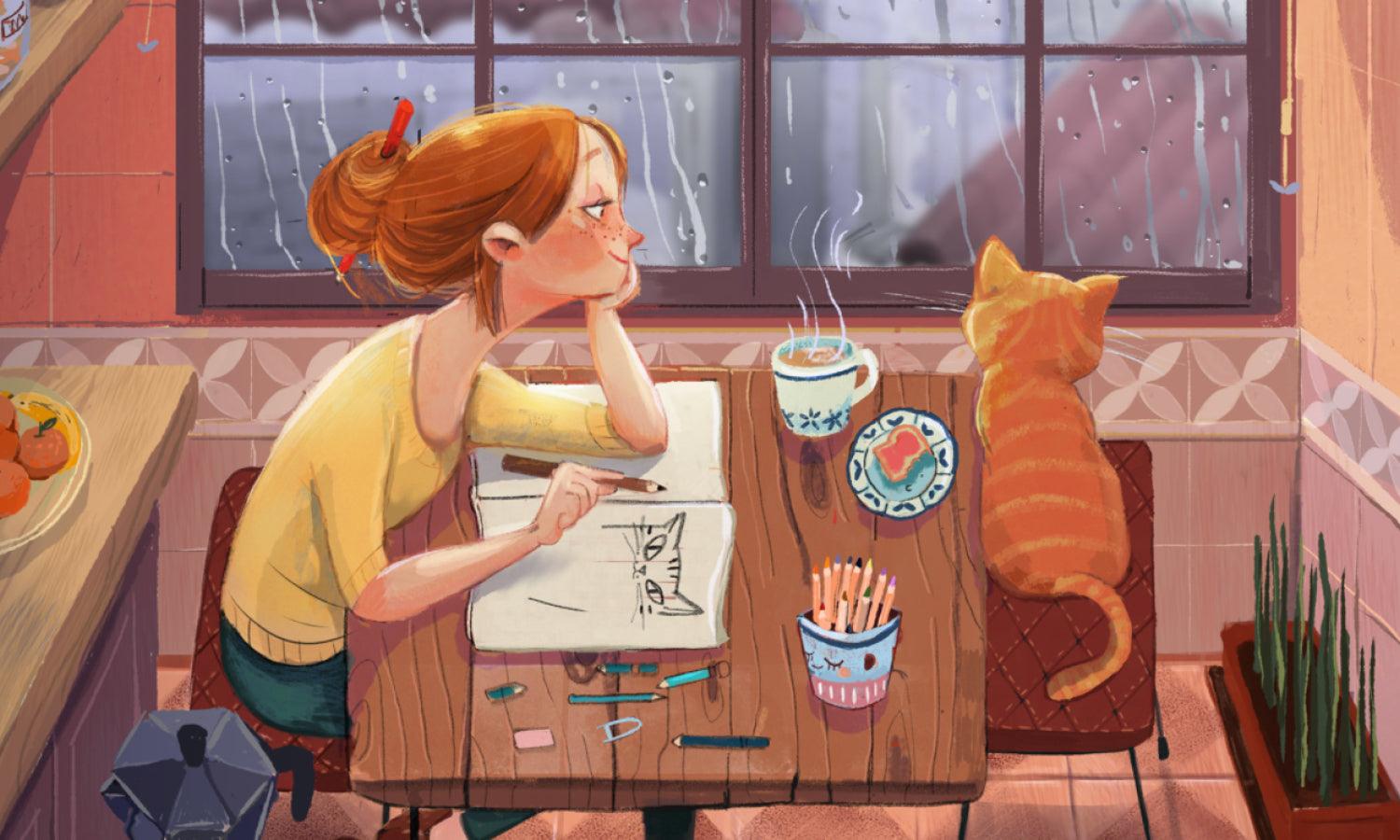
Process videos are some of the most shared content illustrators make. A sketch-to-final time-lapse paired with music that builds as the piece comes together is far more watchable than silence. With AI music, you can ask for a track that starts sparse and grows, so the music follows the drawing.
2. Case study videos
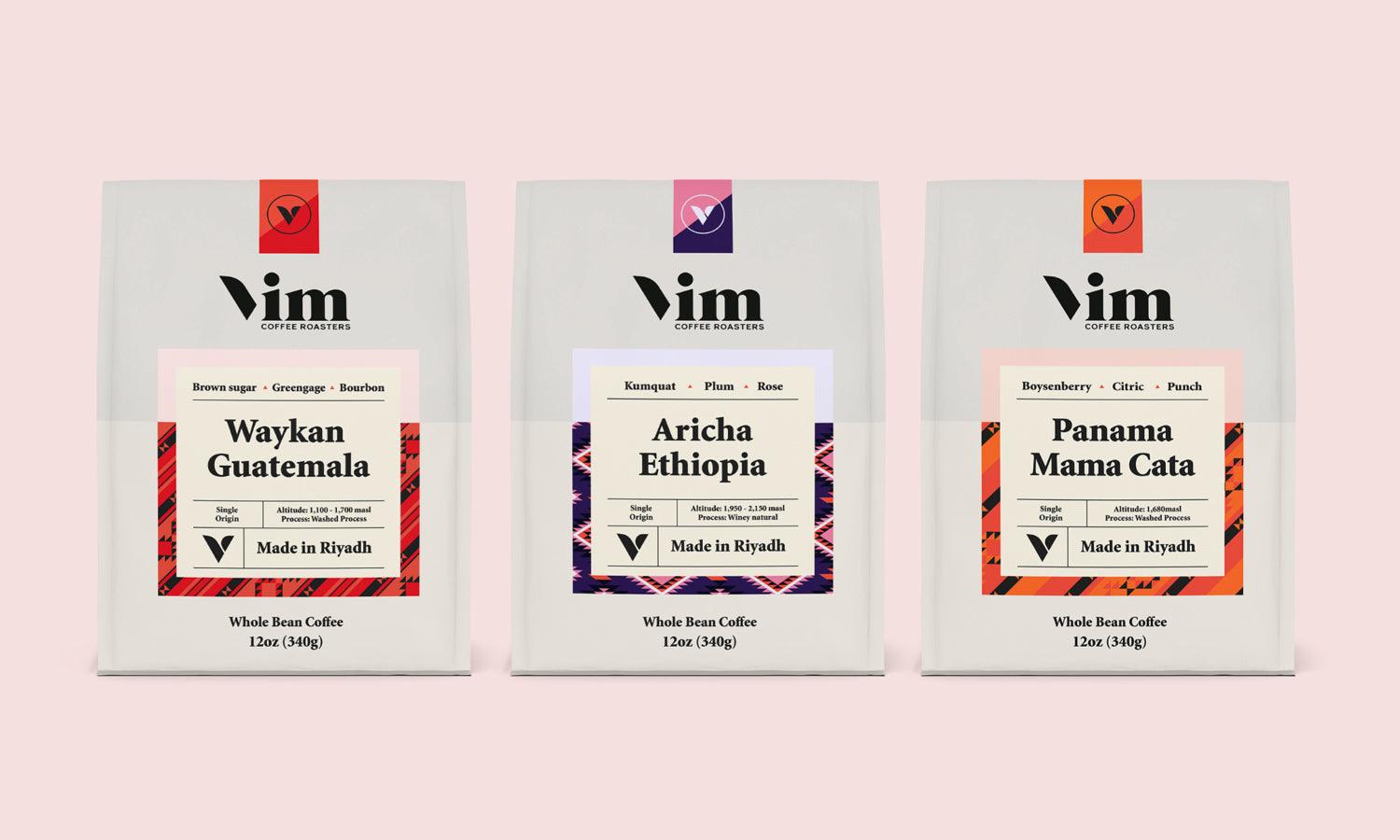
Branding and identity designers increasingly present projects as short videos: the logo, the color system, the packaging, the applications. Each project deserves its own sound. A branding project for a small coffee roaster might get warm acoustic guitar. A fintech identity might get clean, minimal electronic music. Generating a custom track for each case study makes your portfolio feel curated, not templated.
3. Motion design and animated logos
Motion designers use AI music for short stings and sonic logos: two to five seconds of sound that land exactly on the final frame of a logo reveal. You can describe the feeling you want, such as "bright, confident, three-note chime," and iterate until the timing and tone match the animation.
4. Client pitches and mood boards
Some studios now present a "sound board" next to the mood board. When pitching a brand direction, playing 30 seconds of music that captures the intended personality helps clients feel the direction, not just see it. It is a small touch that makes a pitch memorable.
5. Personal projects and album art
Illustrators who love music have started creating complete fictional releases: an album cover, a track list, and actual songs to go with them. It is a fun way to show cover art in context, and a great portfolio piece for anyone who wants to work in the music industry.
A simple workflow that works
Write a short audio brief. Treat it like a design brief. For example: "Lo-fi hip hop, relaxed and warm, soft piano and vinyl crackle, around 85 BPM, 45 seconds, no vocals." The more specific you are about mood and instruments, the closer the first result will be.
Generate several versions. Tools such as Creatune.ai Music Generator let you type a description, or paste your own lyrics, and get a finished track in a few minutes, either instrumental or with vocals. Using an AI Song Maker this way gives you options to compare, much like generating several color palettes before choosing one.
Edit to the cut. Bring the track into your video editor and line up key moments, such as a reveal, a color change, or a final frame, with beats or changes in the music. Trim, loop, and fade as needed. Small sync points make a big difference.
Check the mix. Watch the final video on your phone with sound on. If the music competes with the visuals or a voiceover, lower it or choose an instrumental version.
Tips to make it feel intentional
- Treat music as part of the visual identity. If a brand palette is muted and earthy, the music should not be loud and neon. Match texture to texture.
- Keep a consistent sound across your portfolio. Just as you keep consistent typography and layout on your site, a recognizable musical style across your reels makes your body of work feel cohesive.
- Let the visuals lead. Music should support the work, not compete with it. Instrumental tracks usually work best under detailed visuals.
- Cut on the beat. Even simple edits feel polished when transitions land on the rhythm.
- Read the license terms. Before using a track in client work or paid projects, check what the plan you are using allows, the same way you would check a font license.
Where your judgment still matters
AI can generate options quickly, but it cannot decide which one is right for your project. That part is still taste, and taste is what designers bring. Choosing music is a lot like choosing a typeface: there are thousands of options that are technically fine, and only a few that feel right for this brand, this audience, and this moment.
The good news is that the barrier is gone. You no longer need a composer on call or a large stock budget to give your work a soundtrack that fits. If your portfolio is full of motion pieces that are silent, or all set to the same trending track, try giving your next reel its own sound. It may be the detail that makes someone watch to the end.
Related Articles