Designing Walls That Work: Smart Painting & Maintenance Tips for Creative Studios

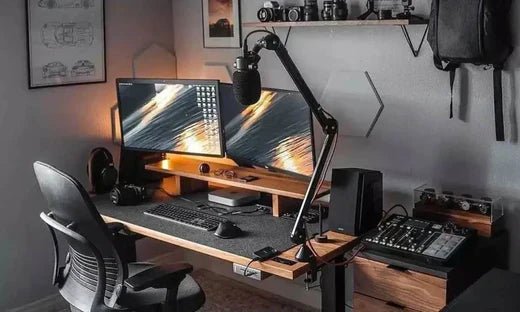
Your creative workspace is more than a place to work—it's where ideas take shape and clients form impressions. Yet many designers and freelancers overlook the walls and ceilings that frame their creative process.
The physical environment profoundly influences productivity, mood, and professional perception. Building professionals across Australia, including specialists like TQN Construct, observe that thoughtful attention to paint selection and surface maintenance transforms functional workspaces into inspiring creative sanctuaries.
Why Your Space Matters to Your Creative Work
The physical qualities of your studio—colour temperature, light reflection, acoustic properties—directly impact focus, energy, and output quality. While you invest in the perfect desk or monitor, neglecting wall condition can undermine these investments.
A well-maintained, thoughtfully designed studio signals professionalism during video calls, reduces visual distractions during deep work, and sustains creative energy over long projects.
The Hidden Cost of Neglected Walls
Small maintenance issues compound over time. Hairline cracks suggest structural movement. Peeling paint indicates moisture problems. Water stains from roof leaks damage equipment while creating an unprofessional appearance. Mould compromises air quality.
Deferred maintenance increases costs. A small roof leak becomes extensive ceiling damage. Preventative maintenance—regular inspections and timely repairs—consistently proves more economical than reactive fixes.
Choosing Paint Like a Pro
Designers understand colour theory for brands and interfaces, but physical workspace design requires different considerations: how paint interacts with light, how finishes affect glare, and how colour influences extended work periods.
Colour Strategies for Creative Tasks
Consider functional zones with appropriate colours. Warm tones (coral, terracotta, warm grays) stimulate brainstorming. Cool, neutral palettes (soft blues, greens, warm whites) support detailed work. Client-facing areas benefit from sophisticated, neutral backgrounds.
Test colours at scale under your actual lighting before committing. Evaluate samples throughout the day as natural light shifts.
Low-VOC Paints and Air Quality
VOC (volatile organic compound) levels matter significantly in small or poorly ventilated spaces. Traditional paints release fumes causing headaches, eye irritation, and fatigue—problematic when working during or after painting.
Low-VOC and zero-VOC formulations dramatically reduce off-gassing while maintaining durability. Health and standards bodies worldwide encourage reduced VOC levels for healthier indoor environments—a practical health investment for designers working 8-12 hour days in compact studios.
Finish and Durability Choices
Paint sheen affects both aesthetics and maintenance. Matte finishes minimize glare but show marks and are harder to clean. Low-sheen (eggshell, satin) balances reflection with cleanability. Semi-gloss provides maximum durability near desks and equipment.
For working walls, durability matters. When consulting with specialist commercial and residential painting services, request systems designed for higher-traffic environments that translate directly to active creative studios.
Stopping Problems at the Source: Roofs and Leaks
Roof issues manifest through subtle symptoms: ceiling stains, musty smells after rain, paint bubbling without obvious cause.
Early Signs Your Roof Is Affecting Your Workspace
Watch for ceiling discoloration near roof valleys, skylights, or air conditioning penetrations; damp or musty odours after weather events; bubbling ceiling paint when walls remain unaffected; and mould growth where walls meet ceilings.
Roofing is a specialized trade with specific standards. DIY patching might address symptoms but often fails to resolve underlying issues. When concerns arise, consulting with a professional roof repair and restoration team ensures proper diagnosis and durable solutions.
Roof and Paint Maintenance Working Together
Sound roof systems keep moisture out. Quality paint systems protect surfaces from environmental damage. These work interdependently—roof failures compromise interior finishes, while failed exterior paint accelerates substrate deterioration.
Consider coordinating roof and paint inspections every few years, with annual visual checks. This preventative approach shows regular assessment prevents major failures and reduces lifecycle costs.
Natural Light and Reflectance
Skylights and large windows provide desirable natural light but can create glare on screens and colour shifts affecting design decisions.
Lighter, neutral wall colours (warm white, light gray) maximize natural light while minimizing colour contamination for colour-critical work. Where reflections aren't critical, saturated accent walls add visual interest. For intense skylight exposure, consider lower-reflectance whites that soften brightness.
A Simple Maintenance Plan
Creative professionals rarely want to spend time on building maintenance, yet neglecting it costs more time and money. A lean approach balances protection with minimal disruption.
Annual and Seasonal Checklists
Once yearly: scan ceilings and walls for stains or cracks; inspect around windows, skylights, and roof penetrations; check exterior walls for paint failure; note difficult-to-operate doors or windows.
Seasonally after storms: look for new water stains in ceiling corners; verify gutters remain clear; check exterior drainage directs water away.
When to Call Professionals
Certain symptoms demand professional assessment: hairline cracks that reappear; persistent damp patches or musty odors; paint that repeatedly blisters; obvious roof damage like missing tiles or damaged flashing.
Select licensed, insured contractors with residential experience who work to relevant standards—in Australia, alignment with Standards Australia frameworks; internationally, equivalent quality expectations. Multi-trade specialists like TQN Construct and similar building maintenance providers can handle both painting and roofing needs, simplifying coordination for busy creative professionals.
Designing With the Future in Mind
Sustainable design thinking applies equally to your physical workspace. Thoughtful material choices and maintenance planning reduce environmental impact while supporting functionality.
Sustainable Choices That Look Great
Prioritize durable systems: premium paint formulations extending repaint intervals, roof systems designed for your climate, and materials minimizing waste. Long-life coatings might cost 20-30% more initially but extend service intervals by years. Proper roof maintenance can extend roof life by a decade or more at a fraction of replacement cost.
Your Studio as a Portfolio Piece
Clients often experience your workspace during meetings or video calls. A well-maintained, thoughtfully designed environment becomes an extension of your professional brand, demonstrating attention to detail and design sensibility.
This isn't about expensive finishes—it's about clean, well-maintained surfaces, colours creating appropriate mood, and an impression of intentionality communicating professionalism.
Key Takeaways
Studio walls and ceilings directly influence mood, focus, and client perception—they're part of your creative toolkit.
Strategic paint choices considering colour psychology, VOC levels, and finish durability improve comfort and functionality.
Regular visual checks for leaks and deterioration prevent costly failures and protect equipment and artwork.
Low-VOC paint systems create healthier work environments, particularly in small or poorly ventilated studios.
Partnering with qualified professionals frees creative time while ensuring durable solutions.
Your workspace deserves the same thoughtful design attention you bring to client projects. By treating your studio as a designed system requiring intentional choices and regular maintenance, you create conditions supporting sustained creative excellence.
Related Articles