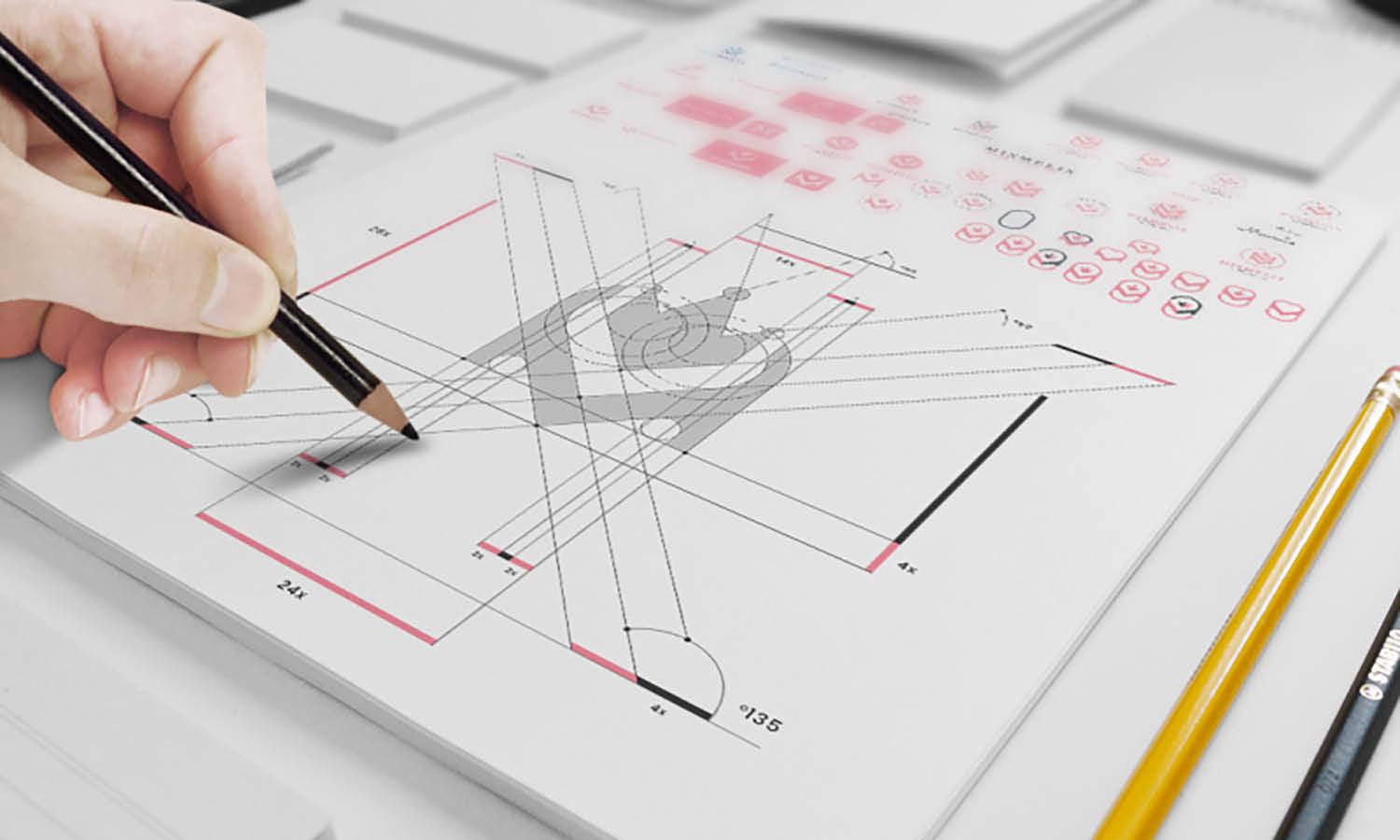
Design Pitches with Seedance 2.5 Without Waiting on a Shoot: Add Motion First
The shoot keeps slipping, so your next design pitch starts with a Seedance 2.5 motion brief. The photographer is booked out, the location fell through, or the budget line for "video day" got eaten by revisions, and your pitch is in nine days. So you walk in with static comps, and somewhere around slide twelve the client squints and asks the question that sinks the room: "But what does it actually feel like to use?"
A still image can show layout, color, and type. It cannot show timing, flow, or the small physical pleasure of an interface responding well. For work where motion is part of the product, and these days that is most product, brand, and web work, static comps structurally under-sell what you made. The fix isn't a bigger shoot. It's adding motion first, in short readable bursts, before anyone asks for a production.
Why static comps lose the room
Clients don't evaluate design the way designers do. They read a comp as a picture and then try to imagine the experience, and the imagined version is almost always wrong: usually flatter and clunkier than what you intended. Micro-interactions are where modern interfaces live: the easing on a card flip, the way a menu settles, the rhythm of a scroll. None of that survives in a PNG.
This is why pitches stall on "can you just show us one screen moving?" The client is asking for the one piece of evidence a still can't provide. If you can answer with a five-second loop instead of a promise, the conversation changes from "we hope it feels premium" to "there it is." Motion doesn't decorate the pitch; it de-risks the decision.
For the generation step, designers are using tools built for exactly this: Seedance 2.5 for designers takes a written motion description and produces the short clip, which means the comp-to-loop step happens in an afternoon rather than across a shoot schedule.

Image Source: https://seedance2video.io/seedance-2-5
Micro-motion: the smallest unit that sells
You don't need a sixty-second sizzle reel. The highest-value unit in a pitch deck video is the micro-motion loop: three to five seconds showing one interaction, cleanly, on repeat.
Pick the moments where your design earns its fee. The onboarding flow's first transition. The checkout's confirmation state. The hero section's entrance choreography. One loop per moment, each labeled with what it proves: "Onboarding: two taps to first value." Keep loops short enough that the client watches them twice without noticing: repetition is how the motion sinks in.
Say you're pitching a restaurant site redesign, hypothetically. The comp shows a handsome menu page; the loop shows a dish card lifting on hover with the price and dietary tags resolving underneath. That four-second loop tells the client the site feels considered in a way the static page never could, and it took no shoot to make, just the comp, described as motion.
Before-and-after boards that read in seconds
The second motion unit every pitch should have is the before/after board. Show the current state and the proposed state with the same framing, then let the proposed version move while the old one stays frozen. The contrast does your arguing for you.
Keep the grammar ruthlessly simple: left side labeled "Today," right side "Proposed," identical camera, identical content. If the two sides drift in framing or lighting, the client spends their attention comparing the pictures instead of feeling the difference. The whole point is that the only variable is your design.
This format also protects you in revision rounds. When feedback arrives as "make it pop more," you can point at the board and ask which beat feels wrong, the entrance, the hover, the settle, and revise a single loop instead of re-articulating the entire concept.
Translating comps into motion beats
A static comp becomes a motion beat through the same translation every time: entrance, interaction, resolution. Something arrives, the user touches it, it responds. Write each beat in prompt language: subject, motion, timing, light, before generating anything.
"Pricing cards rise into frame one after another, the middle card lifts on an invisible cursor with its feature list unfolding, everything settles, warm studio light" is a complete brief for a five-second loop. The discipline matters: vague instructions produce vague motion, and vague motion reads as unfinished design. You already know the easing curve you want; describing it in words is faster than storyboarding it.
Run through your deck and mark every slide where you currently say the word "imagine." Each one is a candidate for a loop. Most pitches need four to six. More than that and the motion stops being evidence and starts being decoration, and the whole point of design presentation motion is evidence, not ornament.
Answer the review question before it's asked
Every design pitch gets the same unspoken question: will this feel cheap in real life? Static comps invite that doubt; motion answers it. So build the pitch around the doubt. Put your strongest loop early, within the first three minutes, and name what it proves out loud: "This is the moment the design earns the premium positioning."
Then keep one slide of stills as an appendix, not the main event. The stills are there for the client to forward to stakeholders who weren't in the room; the motion is what wins the room itself. Order matters because attention is finite, and the first moving image sets the standard everything after is judged against.
Where this fits in a working designer's week
None of this requires a video department. The workflow is: comps done, beats written, loops generated, deck assembled. Keep the Seedance 2.5 brief tied to the design decision the client needs to evaluate. New accounts receive free credits on sign-up, enough to generate one video, so the first pitch loop can be a real test on a live deck before anything is committed.
That test matters. Show the loop to someone who hasn't seen the project and ask what it proves. If they name the right thing, the flow, the feel, the hierarchy, the beat works. If they just say "looks nice," rewrite the beat until the motion carries meaning.
The shoot will still slip. Locations will still fall through. But the pitch no longer depends on any of that. Add motion first, and the deck starts selling the experience instead of describing it.
Related Articles