Access Control Installation for Creative Studios

A creative studio keeps its most valuable assets in plain view: a shelf of drives holding unreleased client work, a camera and lighting kit that can run well past $10,000, and a wall of sketches for a rebrand that nobody outside the room should see yet. That's why access control installation belongs on a studio's fit-out list next to the furniture and the network, especially once the team grows past the point where everyone recognizes everyone at the door.
Metal keys handle a five-person room well enough. They start failing when freelancers rotate through, interns get a key for the summer, and a client asks who could have walked into the archive last Tuesday. An electronic system answers that question with a timestamp, and it can be designed to look as considered as the rest of the space.
Why Do Creative Studios Need Access Control?
Client confidentiality comes first. Branding agencies and design studios routinely sign NDAs covering launches, logos and campaigns months before they go public, and a printed proof left on a desk can leak a product as easily as a hacked server.
Studios working in film and television face formal requirements. In 2018 the Motion Picture Association co-founded the Trusted Partner Network, a content security program that assesses vendors handling pre-release film and TV material against the MPA Content Security Best Practices. Version 5.0 of that framework contains 64 best practices covering facilities, staff and workflows, and content owners use them to vet studios that do post-production, animation, VFX or trailer work. Restricting who can physically reach the edit suites and storage is part of that picture.
Then there's gear and shared space. Coworking floors, shared lofts and studios that sublet desks mix people who have never met, and a locked equipment cage with its own permission list keeps a borrowed lens from becoming a lost lens.
What Does a Studio Access Control System Include?
Every controlled door uses the same building blocks. A reader on the wall checks a card, fob, phone or PIN. A controller compares that credential with a permission list and a schedule, then releases an electrified lock, usually an electric strike in the door frame, a magnetic lock or an electrified lever set. A door contact reports whether the door actually closed, and a request-to-exit device lets people leave without setting off an alarm.
Cloud platforms such as Brivo let a studio manager add or remove people from a phone, while systems from manufacturers such as Paxton, Keri Systems and Rosslare cover everything from a single front door to a multi-floor office. Every event lands in a log: who opened which door, when, and which attempts were denied.
Schedules fit studio hours well. A reader can let the photo team in for a Saturday shoot while the rest of the floor stays locked, and a visiting client can receive a time-limited mobile pass for a single session. Many platforms also pair each door event with a short clip from a camera at the entrance, so a denied attempt at 2 a.m. comes with a picture.
Which Credential Should a Studio Choose?
The credential decides both security and the day-to-day feel of the system, so it deserves more thought than it usually gets.
|
Credential |
Typical cost |
Security level |
Design notes |
|---|---|---|---|
|
125 kHz proximity card or fob |
Readers about $100 to $200 |
Low: no encryption, copied in seconds with a $30 device in an IPVM test |
Cheap white cards, easy to print |
|
13.56 MHz smart card (DESFire EV3, Seos) |
Cards about $5 to $15; readers add $100 to $200 per door |
High: AES encryption and mutual authentication |
Standard card size, prints like any ID card |
|
Mobile credential (phone or watch) |
Readers about $300 to $500 |
High: tied to a personal device, disabled remotely if lost |
No physical card to design or lose |
|
PIN keypad |
Lowest hardware cost |
Low to medium: codes get shared |
Keypad stays visible on the wall |
Honestly, a new studio has little reason to buy 125 kHz cards in 2026. If an older building already uses them, multi-technology readers can accept both types during a changeover, but switch the old format off once the last prox card is retired. IPVM has reported downgrade attacks on readers that were left accepting the old format alongside newer smart cards.
Phones have become the most convenient option. Brivo supports employee badges in Apple Wallet, so staff can tap an iPhone or Apple Watch at the reader without opening an app, and a lost phone's badge can be disabled through Apple's Find My.
Can Access Cards Be a Design Asset?

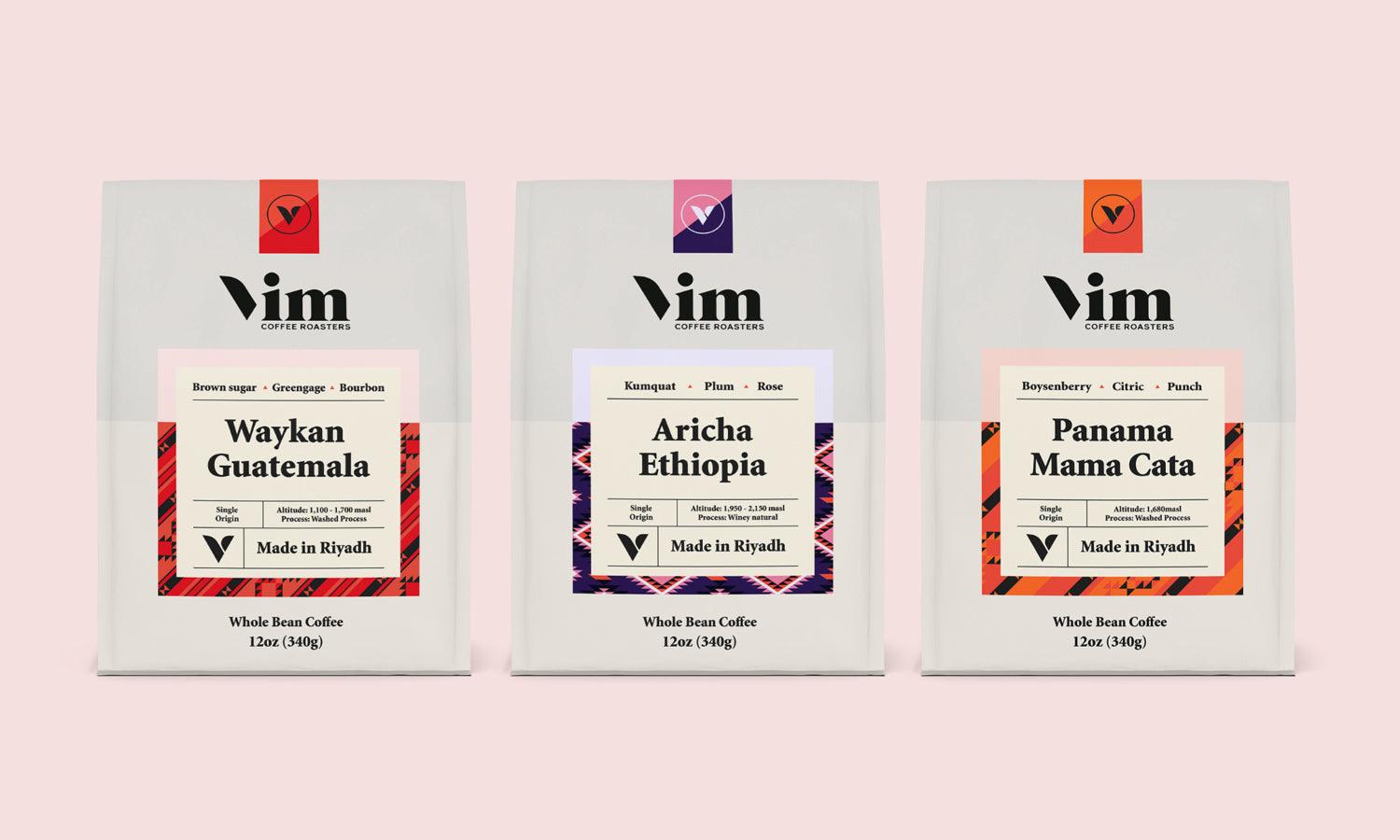
For a studio, yes. Access cards follow the ID-1 format from ISO/IEC 7810, the same 85.60 by 53.98 millimeter size as a credit card, and desktop card printers can put a full-bleed design on both sides. That makes the badge one more touchpoint of the studio's identity, alongside the business card and the signage.
A few rules keep the design from working against security. Print the studio's logo and the holder's photo and first name, and leave off the street address and room numbers, since a lost card shouldn't tell a stranger which door it opens. Color-coding by role works well: one color for staff, another for contractors, a bright one for visitors, so anyone in the room can spot a visitor badge in a restricted area. Ask the installer before adding a slot punch for a lanyard clip, because some smart cards have antenna layouts that leave no safe spot for a hole.
Readers are part of the interior too. Slim mullion readers fit the narrow aluminum frames of glass storefronts, and most manufacturers offer black or white housings. Accessibility rules in the 2010 ADA Standards keep operable parts within a reach range of 15 to 48 inches above the floor, which sets the band where readers and buttons can go.
Fire Exits, Glass Doors and the Building Code
Studios love glass doors, and glass doors often end up with magnetic locks. The International Building Code allows electrically locked egress doors only with specific safeguards. A sensor on the inside has to detect someone approaching and unlock the door, and the lock has to release on power loss. A manual unlocking device mounted 40 to 48 inches above the floor, within five feet of the door, has to cut power to the lock directly and keep it unlocked for at least 30 seconds. Where the building has a fire alarm, its activation has to unlock the door until the alarm is reset.
That manual device has to carry a sign that reads "PUSH TO EXIT." Designers can choose the button finish and the sign's typeface and material, while the wording itself is set by code, so plan it into the wayfinding system from the start.
Lock choice also decides what happens in a power outage. Magnetic locks are fail-safe and release when power drops, which suits egress doors. Electric strikes are commonly fail-secure, so the door stays locked from outside while the inside handle still opens it, a better fit for equipment rooms and server closets. Controllers usually carry backup batteries, and cloud systems keep working from locally stored permissions when the internet connection goes down, though it's worth confirming that behavior with the installer.
Leased space adds one more step. Most landlords require written approval before any door hardware changes, and many buildings already run their own access system at the lobby, which a studio's system may need to work alongside.
What Should a Studio Lock Down First?
Most studios don't need a reader on every door. Start with the openings where the risk sits:
-
Main entrance from the hallway or street
-
Equipment room or gear cage
-
Server closet and drive archive
-
Print room holding client proofs
-
Photo or video set
Interior doors between desks and meeting rooms can usually stay on ordinary locks.
How Much Does Access Control Installation Cost for a Studio?
For a standard interior door with a smart card reader, a networked controller and an electric strike, 2026 pricing guides put the installed cost at roughly $1,500 to $3,000 per door. Cloud-managed platforms add a subscription, typically $5 to $15 per door per month.
A three-door studio covering the entrance, the equipment room and the server closet would therefore land somewhere between $4,500 and $9,000 installed, plus about $180 to $540 a year in software. Glass doors, long cable runs and older frames push the per-door figure higher.
The return shows up on an ordinary day. When a freelancer's contract ends, deleting one credential in the app closes every door to that person at once, and the event log shows the last time their badge was used. With metal keys, the same goodbye means collecting keys, hoping no copies exist, and paying to rekey the locks.
Related Articles