
30 Best Japanese Maple Leaf Tattoo Ideas You Should Check
Japanese maple leaves are instantly recognizable for their delicate pointed shapes, dramatic seasonal colors, and graceful movement. In tattoo art, they can appear as a single understated detail or become part of a larger composition filled with flowing water, flowers, animals, and traditional Japanese-inspired elements. The best Japanese maple leaf tattoo ideas make use of that versatility, allowing the leaf to feel symbolic, decorative, or both.
If you are considering this motif, you can approach it in many ways. Some designs focus on bright autumn colors, while others rely entirely on black ink and fine linework. Japanese maple leaves also work naturally with sleeves, forearm pieces, botanical tattoos, and larger scenic compositions. The following ideas highlight different styles, placements, and combinations to help you find a direction that suits the look and meaning you want.
What Makes a Japanese Maple Leaf Tattoo So Distinctive?
The Recognizable Shape of the Japanese Maple Leaf
Japanese maple leaves usually have narrow, sharply pointed lobes that create an elegant silhouette. This structure gives tattoo artists plenty of opportunities to emphasize fine veins, crisp outlines, or more stylized forms. Even at a relatively small size, the distinctive shape can remain visually recognizable when the design is kept clear and uncluttered.
Seasonal Color and Movement
Color is one of the strongest visual features of Japanese maple tattoos. Rich red, orange, yellow, and burgundy shades can immediately suggest autumn. When multiple leaves are positioned at different angles, they can also create the impression of wind or falling foliage, giving a tattoo a natural sense of motion.
Symbolism Within a Tattoo Design
Japanese maple leaves are often connected with seasonal change, transition, beauty, and the passing of time. Their meaning does not need to be overly complicated, however. For some people, the appeal is simply the graceful form or autumn palette. The final symbolism can also change depending on accompanying imagery and personal interpretation.
Japanese Maple Leaf Tattoo Ideas to Inspire Your Design
Single Red Japanese Maple Leaf Tattoo
A single red leaf makes a strong focal point without requiring a complicated composition. Saturated red ink can be paired with subtle veins or a thin black outline to keep the silhouette crisp.
Minimalist Japanese Maple Leaf Outline
A simple outline highlights the leaf's distinctive pointed shape. This approach works particularly well for readers who prefer understated tattoos with little shading or decorative detail.
Small Japanese Maple Leaf Tattoo
A small maple leaf can fit comfortably on the wrist, ankle, inner arm, or shoulder. Simplifying tiny veins helps maintain clarity when the tattoo is reduced in size.
Falling Japanese Maple Leaves Tattoo
Several leaves drifting downward can suggest wind and seasonal change. Varying their sizes and angles keeps the arrangement organic rather than making it look like a repeated pattern.
Blackwork Japanese Maple Leaf Tattoo
Solid black areas and bold negative space can transform a delicate botanical subject into something much more graphic. It is a strong alternative to traditional autumn coloring.
Fine-Line Japanese Maple Leaf Tattoo
Fine-line work emphasizes the veins, edges, and natural structure of the leaf. The result can feel light and refined, particularly when the tattoo remains relatively simple.
Watercolor Japanese Maple Leaf Tattoo
Loose washes of red, orange, and yellow can create a painterly interpretation. Allowing the color to extend slightly beyond the outline adds softness and spontaneity.
Japanese Maple Branch Tattoo
Instead of isolating a single leaf, consider a curved branch carrying several leaves. The branch creates natural direction and works especially well on longer areas of the body.
Red and Orange Maple Leaf Tattoo
Combining warm shades adds depth without creating an overly complicated palette. Red and orange can mimic autumn foliage while producing a vivid, energetic appearance.
Japanese Maple Leaf With Wind Bars
Traditional-inspired wind elements can visually carry leaves through the composition. This pairing creates stronger movement and gives the maple leaves a more dynamic supporting role.
Japanese Maple Leaf and Wave Tattoo
Flowing waves contrast beautifully with the sharp shape of maple leaves. Both elements can move in the same direction, creating a cohesive composition rather than two separate images.
Japanese Maple Leaf and Koi Fish Tattoo
Scattered leaves can surround a swimming koi without overpowering it. Red foliage can also provide strong visual contrast against darker or more subdued fish coloring.
Japanese Maple Leaf and Dragon Tattoo
A dragon naturally becomes the dominant subject, while maple leaves can soften the surrounding space. Their smaller forms help connect curves, clouds, wind, and background areas.
Japanese Maple Leaf and Tiger Tattoo
Bright autumn leaves can frame the face or body of a tiger. The contrast between delicate foliage and powerful animal imagery gives the tattoo additional visual tension.
Japanese Maple Leaf and Snake Tattoo
A snake can weave between leaves or wrap around a branch. Its curved body helps create movement, while the pointed leaves introduce sharper shapes throughout the design.
Japanese Maple Leaf and Crane Tattoo
Crane imagery suits a graceful composition with lightly drifting leaves. This combination works particularly well on vertical placements such as the upper arm, thigh, or back.
Japanese Maple Leaf and Chrysanthemum Tattoo
Rounded chrysanthemum petals provide an attractive contrast against narrow maple leaves. Using the foliage around the flower also helps fill awkward gaps within a larger composition.
Japanese Maple Leaf and Peony Tattoo
A large peony can remain the focal point while red maple leaves provide additional color around it. The contrasting shapes create depth without requiring many unrelated elements.
Japanese Maple Leaf and Cherry Blossom Tattoo
Cherry blossoms and maple leaves create an unusual botanical combination with very different forms. Keeping the composition balanced prevents one seasonal motif from visually overwhelming the other.
Japanese Maple Leaf and Moon Tattoo
A crescent or full moon can provide a quiet background for silhouetted or colored leaves. This works especially well for readers seeking a more atmospheric design.
Japanese Maple Leaf With Mountain Scenery
Maple leaves can frame mountains, mist, or distant scenery in a compact landscape tattoo. The foliage adds foreground detail and helps create a greater sense of depth.
Japanese Maple Leaf Sleeve Tattoo
In a sleeve, maple leaves can connect larger subjects and soften empty spaces. Their flowing shapes make them particularly useful for maintaining continuity around the arm.
Japanese Maple Leaf Forearm Tattoo
The forearm offers enough length for a branch, several falling leaves, or a narrow botanical composition. Following the arm's natural direction generally produces the strongest flow.
Japanese Maple Leaf Shoulder Tattoo
A cluster of leaves can follow the rounded shape of the shoulder and extend toward the chest, upper arm, or back if the tattoo is expanded later.
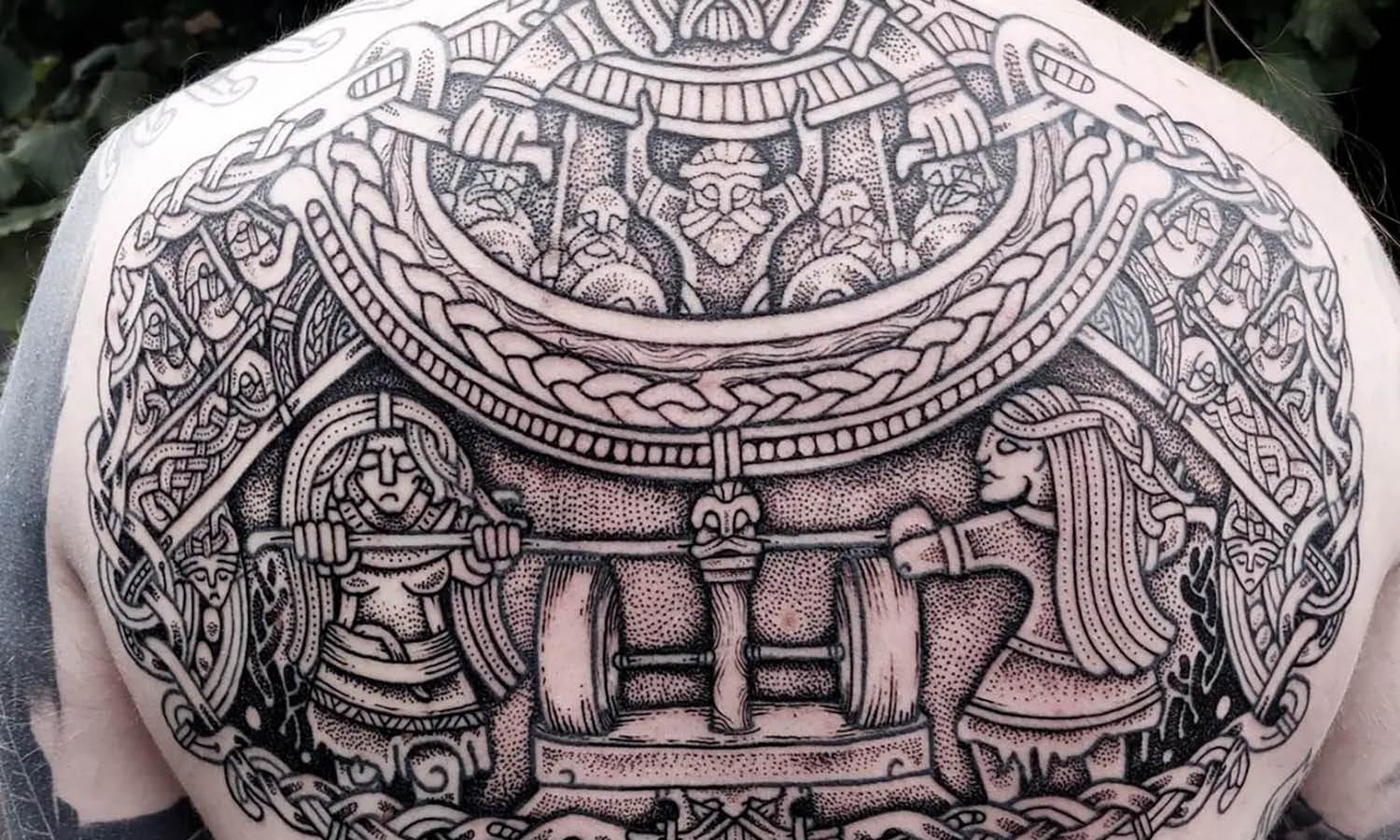
Japanese Maple Leaf Back Tattoo
The back offers room for sweeping branches and larger groups of falling leaves. It is especially suitable for compositions that need generous spacing and strong directional movement.
Japanese Maple Leaf Leg Tattoo
Leaves arranged vertically along the calf or thigh can create an elegant sense of movement. They can also frame another central subject without dominating it.
Japanese Maple Leaf Ankle Tattoo
One or two simplified leaves can create a discreet ankle tattoo. Clean outlines tend to work better here than excessive internal shading or extremely fine detail.
Geometric Japanese Maple Leaf Tattoo
Geometric circles, frames, or intersecting lines can give the organic leaf shape a more contemporary appearance. Keeping the geometry restrained allows the maple leaf to remain recognizable.
Negative-Space Japanese Maple Leaf Tattoo
Negative space can form veins, highlights, or sections of the leaf itself. This technique creates contrast while reducing the amount of heavy shading needed inside the design.
Autumn Japanese Maple Leaf Tattoo Composition
A fuller autumn scene can combine leaves in red, orange, yellow, and burgundy with branches or subtle background elements. Varying the colors makes the composition feel more natural and layered.
How to Choose the Right Japanese Maple Leaf Tattoo Design
Decide Whether the Leaf Is the Main Subject
Start by deciding how much attention you want the maple leaf to receive. A single leaf or small branch works well when the botanical motif is the primary focus. In larger Japanese-inspired tattoos, maple leaves can instead serve as supporting details around koi, dragons, waves, flowers, or other subjects.
Match the Detail to the Tattoo Size
Intricate veins, layered colors, and several overlapping leaves generally require more space. Very small tattoos often benefit from simpler shapes and stronger outlines. Reducing unnecessary detail helps keep the design readable rather than squeezing too much information into a limited area.
Choose Between Color and Black Ink
Autumn colors emphasize the seasonal character of Japanese maple leaves, while blackwork creates a stronger and more graphic appearance. Fine-line black ink offers another option for readers who prefer something quieter. Consider how much contrast you want and whether the leaf needs to stand out from nearby tattoo elements.
Where Japanese Maple Leaf Tattoos Work Best
Small Placements
The wrist, ankle, inner arm, and area behind the ear can accommodate a single simplified maple leaf. These placements suit designs that rely primarily on the recognizable silhouette rather than elaborate shading.
Medium Placements
The forearm, upper arm, shoulder, calf, and thigh provide enough room for branches, several leaves, or combinations with secondary imagery. These areas also allow artists to create more noticeable directional movement.
Larger Flowing Placements
Sleeves, backs, chests, and full-leg tattoos give maple leaves room to become part of a larger scene. Scattered foliage is particularly useful in these compositions because the leaves can follow the body's curves, connect major subjects, and fill transitional spaces without making the tattoo feel unnecessarily crowded.
Tips for Making Japanese Maple Leaf Tattoo Ideas Feel More Personal
Adjust the Number and Arrangement of Leaves
A single maple leaf can feel restrained and symbolic, while groups of falling leaves create greater movement and visual storytelling. Experimenting with different angles and spacing can dramatically change the mood.
Build a Meaningful Color Palette
You are not limited to bright red. Orange, yellow, burgundy, muted brown, and black can all create different effects. Choosing colors that complement surrounding tattoos can make the final composition feel much more intentional.
Combine the Leaf With a Relevant Motif
If you add another subject, choose it because it contributes visually or personally to the tattoo. Koi, flowers, waves, cranes, snakes, and landscapes can all work well, but adding too many unrelated symbols may weaken the composition instead of improving it.
Frequently Asked Questions
What Does a Japanese Maple Leaf Tattoo Represent?
A Japanese maple leaf tattoo can represent change, transition, seasonal beauty, or the passing of time. These associations often come from the leaf's dramatic transformation during autumn. However, the meaning does not need to be fixed. Color, placement, surrounding imagery, and personal experiences can all influence what the tattoo represents to its wearer.
What Colors Work Best for a Japanese Maple Leaf Tattoo?
Red is one of the most recognizable choices, but orange, yellow, burgundy, brown, and combinations of warm autumn tones can also work beautifully. Black ink offers a more graphic or understated alternative. The best choice depends on the surrounding tattoo, desired contrast, and whether you prefer naturalistic or stylized foliage.
Can a Japanese Maple Leaf Tattoo Work as a Small Tattoo?
Yes. The pointed silhouette of a Japanese maple leaf can remain recognizable even at a small scale. However, tiny tattoos usually need simplified veins, limited shading, and clean outlines. Removing excessive detail helps the leaf remain visually clear rather than becoming crowded as the tattoo settles and ages.
What Designs Pair Well With Japanese Maple Leaves?
Japanese maple leaves pair naturally with koi fish, waves, dragons, cranes, snakes, chrysanthemums, peonies, mountains, and wind elements. Rather than combining as many motifs as possible, choose elements that support the same visual direction. A simpler, well-balanced composition usually feels more intentional than one overloaded with competing imagery.
Conclusion
The strongest Japanese maple leaf tattoo ideas make the most of the leaf's sharp silhouette, beautiful autumn colors, and ability to create natural movement. You can keep the design as simple as one fine-line leaf or build a larger composition with koi, waves, flowers, branches, or other complementary imagery. Use these ideas as starting points rather than exact templates. By adjusting the scale, placement, colors, and surrounding elements, you can develop a Japanese maple leaf tattoo that feels balanced, distinctive, and genuinely suited to your personal style.
Related Articles










Leave a Comment