
How to Pick a Tattoo Design You Will Still Love Years From Now
Choosing a tattoo you will still appreciate years from now is less about predicting your future taste and more about making a thoughtful decision today. A timeless tattoo design does not have to be traditional, minimal, or free from trends. What matters is that the design has enough personal relevance, visual strength, and flexibility to remain meaningful as your life and style change.
Before committing, look beyond how exciting an idea feels right now. Consider whether the concept reflects something you consistently value, whether the style genuinely fits your taste, and whether the design will work well at its chosen size and placement. Giving yourself time to think, collaborating with a skilled tattoo artist, and considering how the tattoo may visually age can all reduce the chance of regret. The goal is not to choose something that never changes in meaning, but something you can continue appreciating as you change.
Start With Meaning That Can Grow With You
Personal meaning can give a tattoo a stronger foundation than aesthetics alone. That does not mean every tattoo needs a dramatic backstory. Meaning can come from a memory, interest, symbol, place, relationship, philosophy, or visual idea that has remained important to you over time.
Choose Meaning Over Temporary Excitement
Before committing to a design, ask why you want it. If the main answer is that you recently saw something similar online and immediately loved it, giving the idea more time may be worthwhile.
Think about subjects you have consistently cared about. A botanical design might connect to a favorite flower or place. An animal might represent a quality you admire. A small abstract symbol could remind you of a particular period in your life.
The strongest choices often come from ideas that already have a place in your identity rather than ideas you are trying to make meaningful after choosing them.
Leave Room for Personal Interpretation
Meaning does not need to stay exactly the same forever. In fact, a tattoo can become more interesting when its interpretation grows with you.
A design originally chosen to represent independence might later remind you of a specific life transition. A symbol connected to family could gain additional meaning as relationships evolve. This flexibility can make a timeless tattoo design easier to appreciate throughout different stages of life.
Separate Personal Style From Current Tattoo Trends
Tattoo trends can be useful sources of inspiration, but popularity alone is a weak reason to permanently choose a particular style. Social media can make certain motifs, placements, or techniques feel essential simply because you are repeatedly seeing them.
Look at What You Have Consistently Liked
Instead of looking only at your current tattoo inspiration folder, consider your broader visual preferences. What kinds of artwork, clothing, typography, interiors, illustrations, or photography have you consistently liked over several years?
You may notice recurring qualities such as bold contrast, delicate linework, geometric shapes, vintage imagery, organic forms, or detailed realism.
These patterns can reveal more about your actual taste than whichever tattoo style happens to dominate your feed today. Choosing a design that connects with an established aesthetic preference gives it a better chance of continuing to feel natural later.
Use Trends as Inspiration, Not the Entire Concept
There is nothing inherently wrong with choosing a tattoo style that is currently popular. Trends become risky only when popularity is the main reason for wanting the tattoo.
Try imagining the design without its social context. Would you still want it if you stopped seeing similar tattoos online tomorrow?
You can also adapt a current trend rather than copying it directly. A tattoo artist might use a fashionable style while incorporating imagery, proportions, or composition that feels more specific to you. This creates a stronger balance between contemporary inspiration and personal identity.
Think About How the Design Will Age Visually
Loving the concept is important, but the physical design also needs to work as a tattoo. Ink naturally changes slightly over time as skin ages and the tattoo is exposed to everyday life.
Thinking about visual longevity can help you choose a design that remains readable and attractive.
Consider Detail, Scale, and Readability
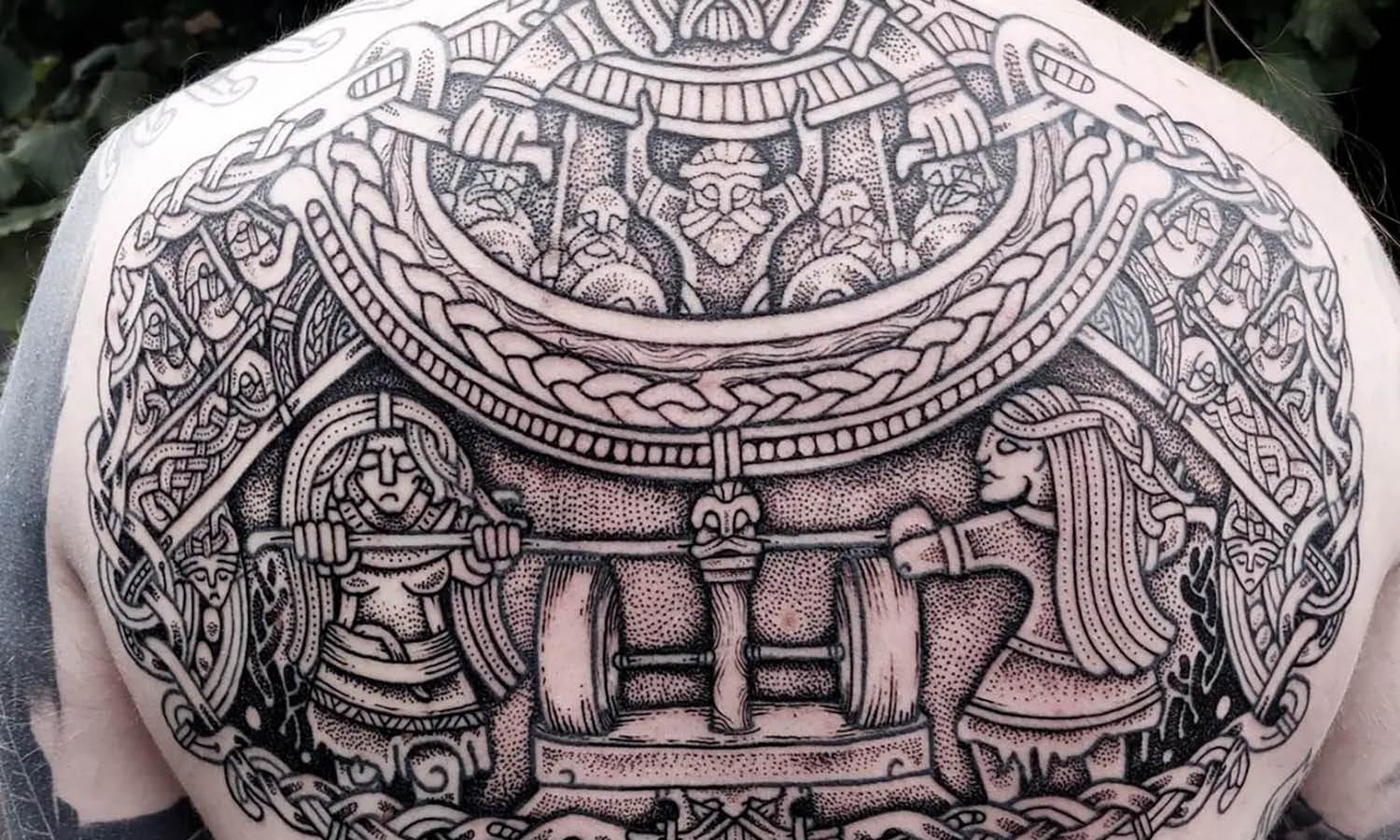
Very small tattoos can look incredibly precise when fresh, but designs containing excessive detail may lose some separation as they age. Fine elements placed too closely together can gradually become less distinct.
This does not mean small or detailed tattoos should be avoided. The important consideration is whether the amount of detail suits the available space.
If a design includes multiple objects, textures, letters, or decorative elements, increasing its size may give each component more room to remain recognizable. An experienced artist can tell you when a concept needs to be simplified or enlarged.
Prioritize a Strong Overall Silhouette
A strong tattoo often works at more than one viewing distance. From nearby, you can appreciate the details. From farther away, the main shape and composition should still make visual sense.
Before approving a final sketch, reduce the image on your screen or step back from the drawing. If the design becomes confusing immediately, it may rely too heavily on small details.
Clear forms, thoughtful contrast, and balanced negative space can help preserve the overall impression even as the tattoo naturally changes over many years.
Ask How the Style Works With Aging Skin
Different tattoo styles use different approaches to lines, shading, color, and spacing. A design that looks impressive as a digital illustration may need adjustments before it works effectively on skin.
Ask your artist how the chosen technique is expected to settle over time. They may recommend changing line spacing, increasing certain elements, strengthening contrast, or simplifying tiny details.
These adjustments are not compromises. They are part of translating an idea into a tattoo that can continue looking intentional.
Choose a Placement You Can Live With Long Term
Placement affects more than how a tattoo looks immediately after the appointment. It influences visibility, composition, exposure, and how naturally the design interacts with your body.
Consider Visibility in Everyday Life
Think realistically about how often you want to see the tattoo and how often you want other people to see it.
A hand, neck, or forearm tattoo may become part of your everyday appearance. A thigh, back, or upper-arm tattoo gives you more control over when the design is visible.
There is no universally correct amount of visibility. The better question is whether the placement fits your own lifestyle and whether you are comfortable with that level of visibility remaining relatively constant.
Match the Design to the Body
A tattoo often feels more intentional when its composition follows the natural shape of the body. Long designs may suit the forearm or calf, while wider compositions can work naturally across the shoulder, chest, or upper back.
Placement can also affect how the tattoo changes. Areas that receive frequent sun exposure, friction, or movement may experience different wear than more protected locations.
Discussing placement with your artist before finalizing the artwork allows the design and body area to be planned together rather than treated as separate decisions.
Give the Idea Time Before Committing
Time is one of the simplest tools available when choosing a permanent design. You do not need to wait indefinitely, but allowing the idea to exist beyond the first burst of excitement can reveal whether you genuinely want it.
Save the Concept for a While
Keep the reference images, sketches, or written idea somewhere you will see them periodically. Return to them after several weeks.
Notice whether you still feel drawn to the concept or whether you have already started wanting major changes.
If you repeatedly return to the same subject and style, that consistency can be reassuring. If your preferred version changes every few days, more experimentation may be useful before booking an appointment.
Test the Design in Different Ways
Temporary tattoos, printed cutouts, or digital placement mockups can help you understand how a design feels on the body.
Try different sizes and positions rather than assuming your first idea is best. A design intended for the wrist may feel stronger on the upper arm. Something imagined as very small might look more balanced when enlarged.
Testing is especially useful when placement or scale is the main source of uncertainty.
Work With an Artist Instead of Copying a Finished Tattoo
A tattoo can feel more enduring when it is developed specifically for you rather than duplicated from someone else's finished work.
Bring References, Not a Design to Duplicate
References are valuable because they help communicate visual preferences. Bring examples showing the kind of linework, composition, imagery, shading, or mood you like.
Your artist can use those references to understand your direction while creating an original solution.
This approach also allows the tattoo to be adapted to your body, chosen placement, and desired size instead of forcing an existing composition into a different context.
Ask About Long-Term Design Decisions
A good consultation should include more than whether the design looks attractive right now.
Ask whether the spacing is sufficient, whether important details are large enough, and whether the placement supports the composition. Your artist may also suggest removing unnecessary elements that make the tattoo visually crowded.
Choosing someone experienced in your preferred style is particularly important. Their knowledge of how similar tattoos heal and age can directly improve the final design.
Use a Final Checklist Before Booking
Before confirming your appointment, give yourself one final opportunity to evaluate the tattoo as a long-term decision.
- Would I still want this design if it stopped being fashionable?
- Does the concept have meaning or visual appeal beyond the current moment?
- Have I liked this artistic style consistently?
- Does the design work at the planned size?
- Am I comfortable with how visible the placement will be?
- Have I spent enough time considering the idea?
- Does the tattoo feel personal rather than copied?
- Have I discussed long-term readability with my artist?
You do not need perfect certainty about how you will feel decades from now. Nobody can predict future taste that accurately. Instead, look for consistency. When the concept, style, placement, and personal meaning all continue feeling right after careful consideration, you have a much stronger foundation for a timeless tattoo design.
Frequently Asked Questions
What Makes a Tattoo Design Timeless?
A timeless tattoo usually combines personal relevance with strong visual fundamentals. Clear composition, appropriate scale, thoughtful placement, and a style you genuinely enjoy can all help. The design does not need to look traditional or avoid every trend. It simply should not rely entirely on temporary popularity to remain appealing.
Should I Avoid Trendy Tattoos if I Want Something Timeless?
Not necessarily. A current tattoo trend can still suit you long term if it matches your established taste and the subject has genuine personal appeal. Problems are more likely when someone chooses a tattoo mainly because it is popular. Using a trend as inspiration rather than the entire reason for the tattoo creates more flexibility.
How Long Should I Think About a Tattoo Design Before Getting It?
There is no required waiting period. Several weeks or months can be useful for larger, more visible, or highly symbolic tattoos, but consistency matters more than following an exact timeline. Revisit the concept repeatedly and see whether you continue liking the subject, style, scale, and placement after the initial excitement has faded.
Can a Simple Tattoo Be More Timeless Than a Detailed Tattoo?
Simple tattoos are not automatically more timeless. Detailed tattoos can also age beautifully when the composition provides enough space and contrast. What matters is whether the complexity suits the tattoo's size and technique. A skilled artist can simplify overly crowded areas while preserving the character of the original concept.
What if My Taste Changes After I Get a Tattoo?
Changing taste is normal. A tattoo can still retain value even if your aesthetic preferences evolve because it may represent a particular period, person, interest, or decision in your life. Choosing a thoughtful design with personal relevance can make those changes easier to appreciate rather than making the tattoo depend entirely on current taste.
Conclusion
Choosing a tattoo you will still enjoy years from now is not about finding one universally timeless style. It is about making decisions that remain connected to you. Start with a concept that matters, separate lasting preferences from short-term trends, consider how the artwork will age, and choose placement carefully. Give yourself enough time to evaluate the idea and work with an artist who can translate it effectively onto skin. A timeless tattoo design ultimately succeeds when it continues to feel intentional, personal, and visually strong as both you and the tattoo naturally change.
Related Articles









Leave a Comment